![Nómada [con] Rumbo](https://nomadaconrumbo.com/wp-content/uploads/2021/04/cropped-dsc07640.jpg)
Some time has passed. My long hiatus is mostly due to readapting to balancing work with other distractions. I wouldn’t say my life is particularly busy; it was probably busier when I started this blog, to be honest. That being said, take this as your #throwbackThursday (on a Friday, naturally).
Valledupar is a city historically known for one niche genre of music: Vallenato (duh). If you have any sense of etymology you would have already guessed that with the root “Valle” in the name – something that comes from the valley. However, beyond this genre, it has been a place to attract and inspire artists of all kinds. Since I’ve already talked about the older Festival Vallenato, my faithful readers (ha!) might be surprised that a festival revolving around something other than Vallenato has arisen to rival on a local scale what the Festival Vallenato has accomplished on a national scale.
This year marked the second annual Festival de la Quinta. The baby festival (only 2 years old, imagine! – and yes, baby- and family-friendly) took place this year on September 29 and 30. It was a highly anticipated event by Vallenatos and Valleduparenses* alike because of the diverse range of attractions and entertainments it promised to have.
And let me tell you, it did not fail to deliver on those promises.
I happen to be good acquaintances with the founder of Festival de la Quinta, a father-figure of the Valledupar vanguard named Yasser, also owner of Palenke cultura bar. His goal was to bring a culturally rich alternative to revive the historic center of the city. He’s accomplished this with outstanding local and youth support without relying on a huge amount of financial influence.
Close to this historic area you can find bars dedicated to rock slowly becoming less marginalized among the patrimony of the city square. This is surprising considering the narrow-minded view of locals in regards to local culture being the best, to such a point that many even reject the cultural contributions of other regions to the multicultural quilt that is Colombia. You see, even Valledupar natives often forget that other types of music can thrive in Valledupar. This festival is a reminder of why they should and do thrive – and deserve more local support.
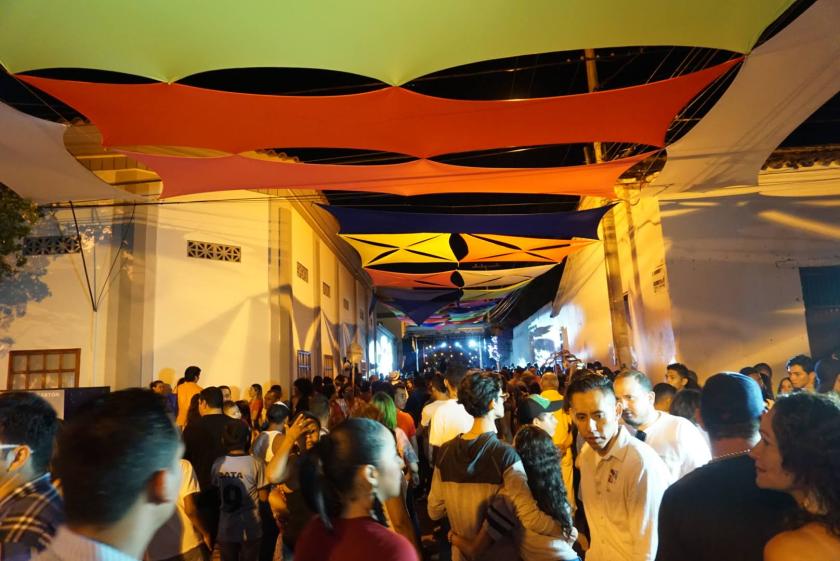
La Quinta in Spanish means the fifth, in this case 5th street, a street which borders the historic Plaza Alfonso Lopez, the cultural heart of Valledupar. This hub has always been famous for attracting musicians and artists of all kinds. Fortunately, I now live closer and was able to get to the festival on foot and enjoy the 4 streets dense with booths and stages, tempting treats and resonating melodies – which thankfully were not dominated by the screams of the famous accordion that serves as the protagonist in most Vallenato music. There were even artistic areas for children to paint and an open-air stage where a dramatic performance was given.
So what other types of music and culture can you experience in Valledupar? There were several genres and blends of musicians ranging from cumbia to champeta (a derivative of terapia, a style of music of African origins), reggaeton, fusion of Vallenato and tropical vibes, and yes, even a bit of rocksito. I particularly enjoyed the local fusions, including the local take of Monofonico and Sr. Gustavo on the Cartagena-based champeta, and of course, rock by groups such as the seering Ardepueblo and the catchy local pop/rock band Sin Tendencias, representing support for foreign “niche” genres in the isolated capital of the department of Cesar.**
The truth is Valledupar is only just crossing the border between isolated large town (or city in comparison to everything surrounding it) and a metropolitan city. As more people from outside the region come in, more diversity is recognized and celebrated. The city is beginning to boom with growth, new businesses, bars, and restaurants, both foreign and local, popping up due to the urbanization of streets like la novena and Simon Bolivar, among others. In this way, Festival de la Quinta is a modern, inclusive response to what I feel is a regionalist and exclusive Festival Vallenato – exclusive in the sense that it is far more accessible traditionally for locals and less so for outsiders who might not have the same instilled love for Vallenato.
Now Festival de la Quinta celebrates the diverse cultural interests that have been a major part of the growth of the city – its African influences, increasing Venezuelan population, as well as the foreigners like myself that have come to see Valledupar as their home. It’s interesting to witness this progressive and international shift that is making this city more than just the capital of Vallenato.
I would have liked to know what Valledupar was like before, but I only have the accounts of older locals to rely on and my own imagination. It sounds like it was a mere outpost for the towns that surround it, with little enterprise and plenty of green growth in contrast to the concrete growth seen today. It was safer, most agree, but that is typically what people say when crime surges during urbanization and refugees become a noticeable part of the local population, with no social services provided or spaces given to help them integrate. All of this change and growth has made Valledupar what it is today. Government initiatives like Colombia Bilingue have added to this change by bringing more foreigners in with the aspiration to create a Bilingual Colombia.
Although there was much to see, I only went to the Festival on Saturday night due to the fact that I didn’t go to sleep until 7 am the next day and had worked the day before. So I can only relate what I saw and felt in that single night.
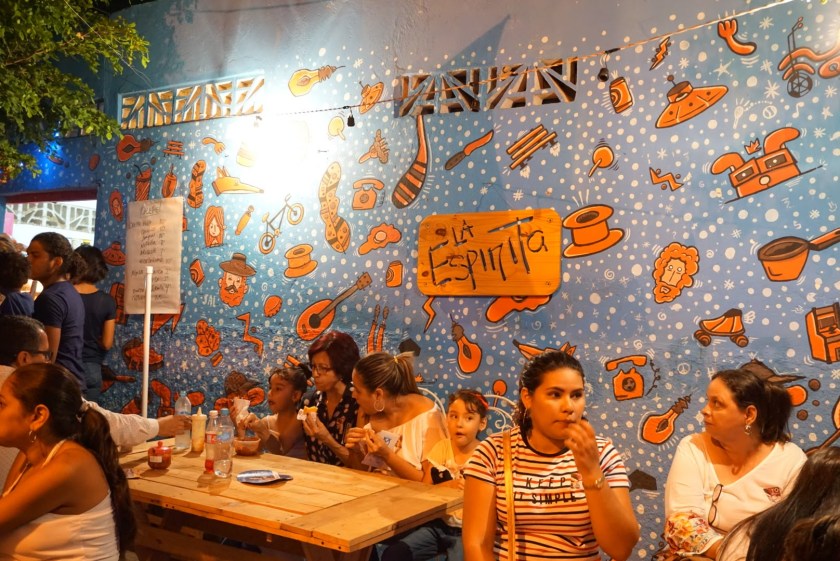
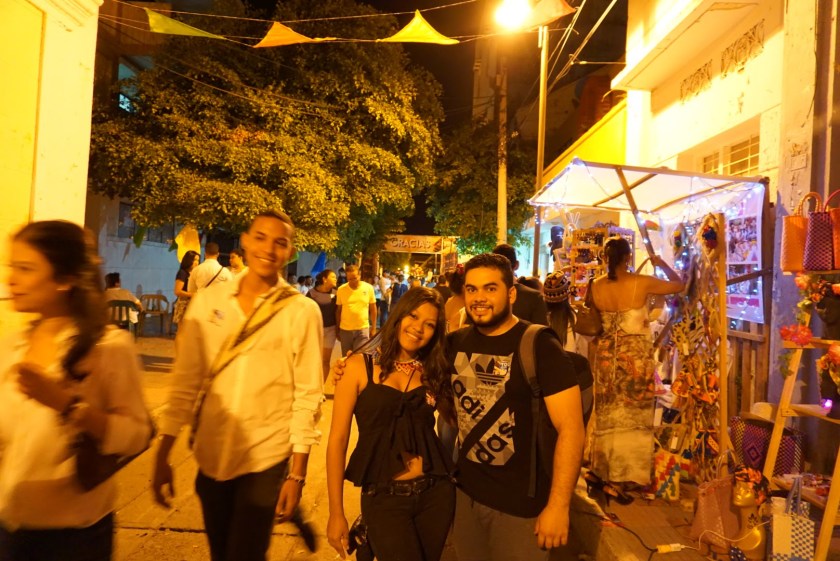
The narrow colonial streets filled with people, from the welcome sign to the barriers beyond the streets that hold in the festival. In fact, they seemed to be bursting at the seams. Unlike the sauna-like rainy season that pervades Festival Vallenato, the weather was windy and cool, not a cloud in sight, none of the sweaty oppression I talked about in my previous post. As I wandered from booth to booth with my friends, I was brushed against by people that made their way through shoulder to shoulder – many of which I or my friends new and would stop us with a hug to catch up. Still it was so full. We were something of trout mixed with sardines saturated in alcohol. Have I mentioned how deeply tied drinking is with every sort of celebration or festivity here? That deserves an entire post of its own.
I tried brownies and cakebites, a lack-luster arepa made from corn flour and much tastier empanadas. The truth is though with so many people, artists, and entrepreneurs. It was quite loud, the sounds of laughing, music, and the famous mamadera de gallo (or you know talking shit, shooting the breeze…what have you) filled the air along with the voices of the artists and their instruments, and it was hard to focus on trying each delicacy. My attention was split in a million different directions. But it goes without saying that there was in fact something for everyone.
More events like this need to exist. Festival de la Quinta is a non-commercial way of inviting locals to share in, promote, and celebrate their culture – beyond Vallenato. After all, not all people from here identify with Vallenato, particulary the youth and people that have come into the city from other places and still consider Valledupar their home (like me and my friends, for example). In that way, it’s accessibility brings more gains than those of a monetary nature.
If I can, I’d like to make an ambitious prediction (heresy, to some locals perhaps). That if local entrepreneurs and artists continue to come together in this way, with the growth that Valledupar continually demonstrates, El Festival de la Quinta will be the next festival that attracts the foreign eye and imagination to come and experience this remote Colombian capital – perhaps even more than the foreigners attracted to Festival Vallenato.
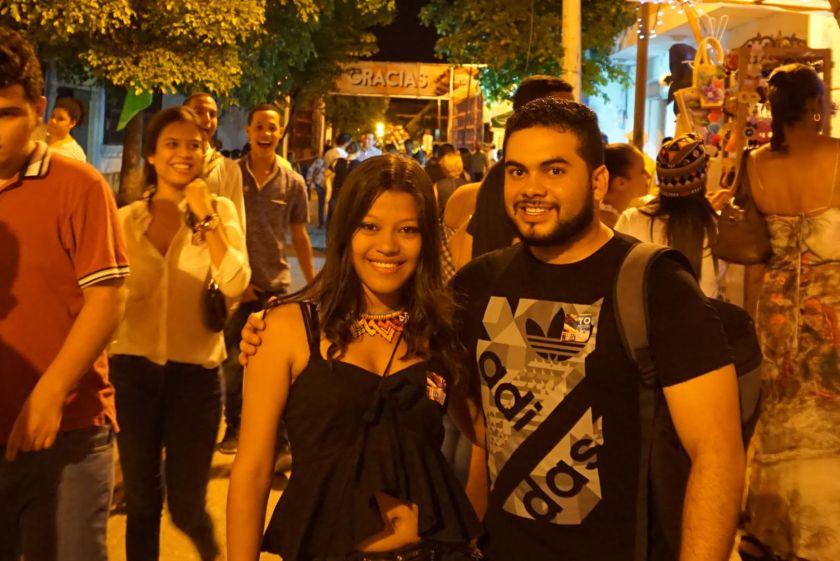
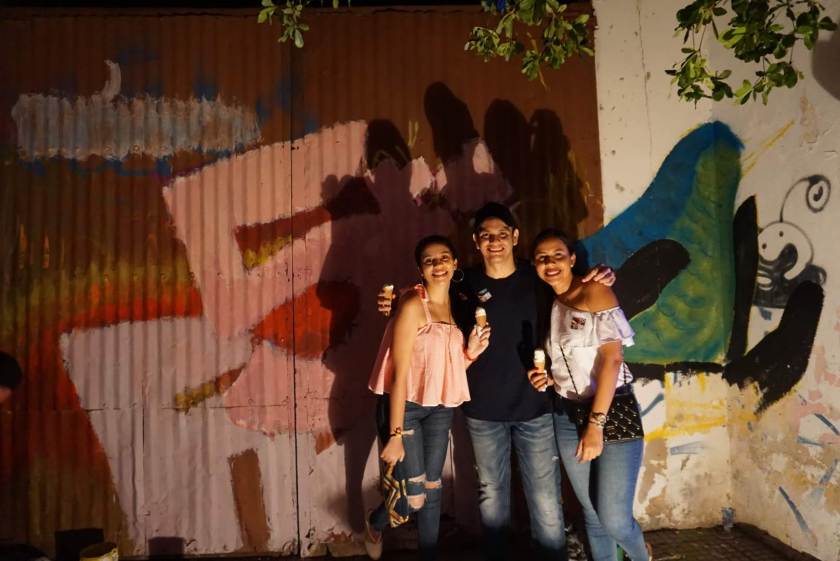
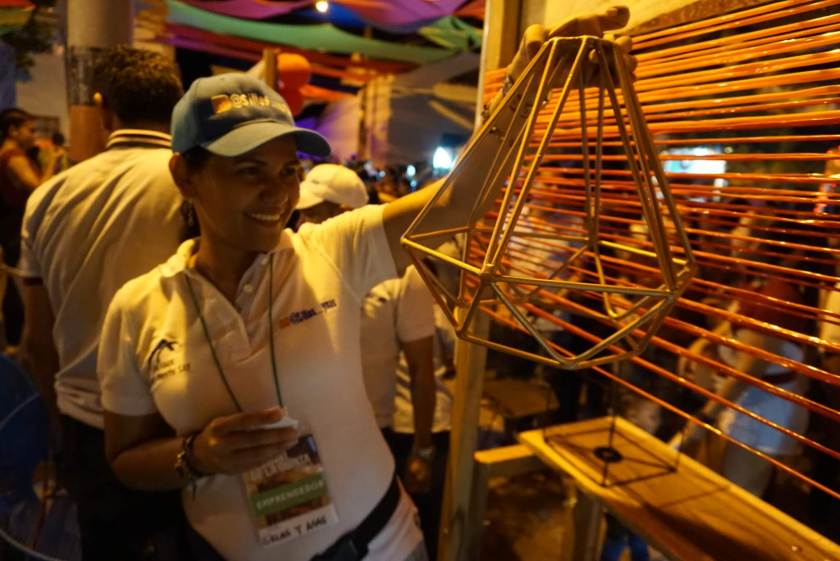
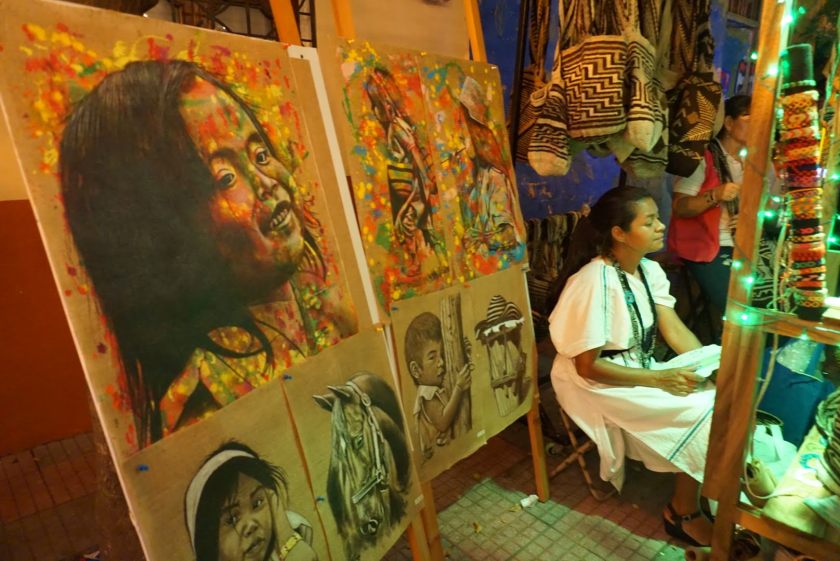
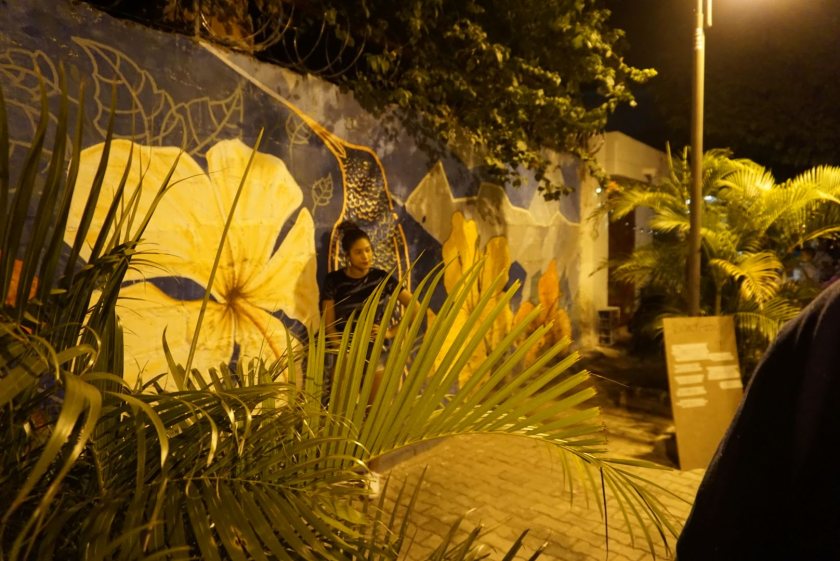
Here I’ll leave you guys photos from that might better transmit how enjoyable La Quinta is beyond my own words. You will see pictures of my friends, new and old, the decorations and murals that have beautified downtown Valledupar, the food and art booths along the streets and alleys and some long views of the main stage.
*There is a strange divide between older residence of Valledupar that relate to the term “Vallenato” to describe someone born in Valledupar and the younger (as far as I’ve seen anyway) generation that say that too many people confuse Vallenato for Ballenato (meaning baby whale) and choose instead to opt for “Valleduparense” – but both terms mean someone born or native to Valledupar.
**In a later blog, I’ll upload some footage of each band – both from youtube and stuff I’ve filmed myself – just in case your curiosity wasn’t piqued enough to look up the bands mentioned yourself. Believe me, if you like Spanish-language music (and even if you don’t), you won’t regret it.











 Nómada [con] Rumbo
One thought on “Coming together: el 2o Festival de la Quinta”