Will Democracy Die to the Sound of Thunderous Applause?

Returning to the United States has been an experiment in reverse culture shock. We are all being forced through the ringer; I know it is not just myself that is feeling the painful spasms of a conglomerate of seemingly apocalyptic issues: COVID-19, the most contagious virus to appear in recent history and develop into a sweeping global pandemic, natural disasters, and political and social unrest on an international scale just to name a few of those issues. It is merely the zeitgeist, or ghost/spirit, of our generation. Every generation has theirs, right?

So why does this feel so different to many of us?

As a teacher of English and Social Studies, I’ve been spending time explaining history to my students. With the discussion of history comes that of change, cause and effect, how the past and the present interact and shape each other. When you study history, you begin to realize that we are simply experiencing the effects of a long stretch of decisions and actions which have been broadly problematic in terms of the overarching balance of things. There are many factors to consider when asking ourselves why we are experiencing what we are experiencing, and not a single one of them is an anomaly. They are all tied to some thread of past events.

Recently, I’ve taken to unpacking and analyzing things for fun. Maybe it’s a sign that I really do need to return to academia, writing papers, and reading texts to further my own educational pursuits. But even without the impetus of a grade hanging over my head, I find myself drawn to these questions. Why are we so screwed? How can I help?

We need to all ask ourselves these questions in this day and age. If we want to prevent the tragedies of the past, the only solution is to learn from the mistakes others were too blind to see.

So here we are, filled with information. Everything we want to know is a google search away. A click and a wall of text. Information from billions of sources. And we ask ourselves, which source is true? Is there a True Source? (unintentional wheel of time reference, any nerds pick that up?) And if there is, is it trustworthy? Sound paradoxical? How do we define truth in this era when the truth we are handed is often far removed from the concrete events that took place?

I know, I’m getting in too deep. This is supposed to be about our US election season, a true mass of unadulterated cringe, but I can’t get past all of the muck that contributes to why this election season is unprecedented in its sheer nihilist grime.

But more than any one election, it is about our collective subconscious. Are we finally waking up? Or are most of us just “fake woke”? We can all proudly point out that truth as we interpret it, like many things, is a social construct. There are realities and the different ways in which we experience them. These days many will agree that most things are overwritten and constructed by our social context. And then there are traditionalists (“boomers” as they are colloquially called) both young and old that say, well, black is black, white is white, up is down, etc. Truisms define truth, and by questioning everything, we are believing in nothing. Dogma, basically. Doctrine. Security. Simple, clear-cut “truth.”

All while screaming about “fake news” and showing more levels of cynicism than I have seen even the most angsty young person display these days. Yes, I would even say that we young people are anxiously optimistic compared to the hardliners who cling to their constructed idealizations of “truth”-the truth handed down by the few to the many, “divine truth” if you will. Paradoxically, we, the younger generations, are set up as the brainwashed and the blind. And yet, we are the most educated generation in HISTORY. We are far from the stupid, over-sensitive idiots the older generations (some members, not all) make us out to be simply because we disagree with them so boldly.

Going back to our unprecedented instantaneous access to gold mines worth of information, most of us are aware that the truth that we are reading is subjective. Everything we are exposed to is subjective in that it is interpreting hard facts in unique ways, some more relevant than others. This is the first time in history where any common Schmoe can post and project their subjective experience into the ether. And people will actually listen. Read. Reblog. Repost. Follow. Repeat. And the echo chamber is formed.

Many point to this when they talk about how things have “gone to shit” – spoiler, but they haven’t. As I mentioned when discussing current events and history, the past plays a direct role in shaping our present, and disinformation is the exact reason we are where we are. People cling to myths that have been created and spread over decades and centuries, myths that validate and explain their very existence. “Going to shit” is relatively a reactive understanding of the fact that we are now exposed to more shit.

This is also why we have generational gaps. Each generation is liable to cling to their own myths and memes which were indoctrinated into them as children and young adults and fully cemented by the time their brains matured. There is a reason most conservatives are older people, even older people that were once more open-minded, and it’s not because time = wisdom = be conservative and distrust everyone and everything to protect your interests. But looking back at the last century of American history – of post-colonial history – you can see where certain myths were manufactured and distributed and regurgitated to a point that made these subconscious concepts come alive and hold the title of Truth in the minds of many.

Many, I might add, privileged individuals who are not aware of how they benefit and are contained by the complacency of this system.

I’ll elaborate on my own experiences to clarify what sort of privileges I mean, because they may not be the privileges you are expecting. Often the illusion of privilege is more compelling than the privilege itself. Hence why our individualist society has so many divisive characteristics that have affected our ability to make decisions intended to benefit the masses.

On a personal level, many members of my family have serious blindspots. They don’t even acknowledge their own biases. This has led to a sort of broken telephone, to such a point that what I express as my own opinion formed on the basis of facts, research, and critical thinking skills holds zero validity in their “wizened” minds.

I have been uprooted, several times over, this year. It is part of why I haven’t been writing. It’s part of why I feel at times like the illusion of control I cling to really is just that – an illusion.

A month ago, we were coping as a community with the aftermath of a devastating category 4 hurricane. Hurricane Laura brought high strength winds that had the power to carry entire houses away, uproot 30 year old trees in their prime, and leave an entire urban area in shambles. A month later, we still haven’t recovered. Everywhere you look, you see trees and debris and sometimes entire roofs sitting on the side of the road, waiting to eventually be carried away. There just isn’t a place for so much destruction. Mother Nature will always win against our loftiest creations. My power went out today, and there is not a cloud in the sky. My parents had no running water and still have no internet access. Simply put, these are things that contradict our dogmatic trust in “Modern Conveniences” which have become essential to all of our lives.

During this period of displacement, I stayed with some members of my dad’s side of the family. Full disclosure: My dad comes from a racist community in a part of Southwest Louisiana which has struggled to integrate. The only time a white person from these sorts of communities is content with coexisting with a person of a different color of skin (particularly of African origin) is when that person is kept in a state of docile servitude. They can sit at the table, as long as they are willing to keep their mouths shut and avoid acknowledging the white elephant in the room.

I’ve been paying attention to these types of people, even as I feel turned off by the things they say, trying to understand where this absurd prejudice comes from. For most of my life, it has only made me angry and filled me with a sense of hopelessness. Hopelessness because so much in our communities is still so broken. Hopelessness because many do not realize they are involved in this post-colonial racist system which is rigged to maintain a sense of superiority among even the poor lower class white folks. But how can they live with themselves? Believing that their neighbor is a “good person” and that makes them less of their skin color? Demonizing an entire group of people?

Fear. I realized fear of losing power was at the center. My dad’s family was not by any means well off. My grandfather was discriminated against for speaking French and being raised in a Cajun household. Mainstream WASP America was not a fan of the Cajuns, until movements began to be made to embrace multicultural identities in this country. But that was slow going. The racial tensions of a working class dichotomy still exist today: the white European side that has been promised social ascendance if they “work hard” and being told that black Africans of the same social class cannot be on the same level as them because they are inherently “lazy” or “ignorant” or “dangerous.” Stereotypes become social codes or behaviors that are warped to fit this narrative, creating a strawman caricature of a default persona set into these peoples’ minds from childhood, easily reinforced by anything perceived as confirming the stereotype.

So prejudice is reinforced by a governmental system, education, small town community paradigms and biases, segregation… Systemic Racism. But in the minds of the racist, there exist exceptions to their rigidly established rules and world view, and because they acknowledge those exceptions they aren’t “really” racist.

The family I stayed with has ascended, on one side, socially. They have a coveted position in a country club gated community with every sort of amenity a person could dream of. Their gated community has a sense of surreal utopia. And outside of this utopia exists the social dilemmas, the unrest, the violence that needs to be policed, the crime they rarely experience firsthand but have been trained to hate and fear.

The threat to their own existence in privileged euphoria.

Then you have a man, a demagogue, a puppet – call him whatever you want – who only thinks of his own power and position. Well, not only his. He also appeals to the selfishness of his followers. In this household, I heard the term “Silent Majority” when talking about these one-percenters ad nauseum. I learned what the term really meant: the MINORITY of people who have access to the MAJORITY of our society’s wealth and production. The ones that sit atop an economic pyramid scheme if you will, one in which they are too far ahead to ever really fall.

Unless there’s an uprising. Unless Trump loses.

That’s what they say.

If Biden wins…we’ll become like Venezuela. We’ll become socialist. Communist! The BLM and Antifa will take over.

These are the words they repeat to themselves, again and again.

I was in this home in one of the wealthiest neighborhoods I have ever seen, in some sort of Stepford reality, and all they could think of from their ivory towers is how they will be doomed if Trump doesn’t win.

Then the comments of how they will not settle for him to lose. Remember, we are talking about the “Silent Majority” – the privileged few with more than the normal amount of access to the Earth’s resources. The same people that boast that they will never want for anything, that they will never struggle again because they struggled enough to get where they are – and that means no one else in their family tree should be forced to struggle either.

These people look to the military with hope that they will back Trump if he loses the election. They refuse to say “loses” – if the election is “stolen from us” is what they say. They identify whole-heartedly with anything and everything he says and ignore anything stupid or wrong he might have said or done. He can do no wrong, to them.

He has become a Divine Leader in the eyes of his followers.

But not only in the eyes of the most privileged. In the eyes of the poor white people I mentioned before that cling to beliefs of superiority and fear their African American neighbors. In the eyes of the NeoNazis and fascists who would do anything to take up arms and shoot all of the people that don’t belong in “Their America.” To the religious fanatics who are appalled by a woman’s choice to abort, who stake all of their political actions on the upholding of “Family Values.” In the eyes of the delusional who idealize him. The shrewd business owners who dream of being him. The old money that haven’t had to worry about their position for too long yet spent so much time hating everything the Democrats or any protestor might say or do.

Yes, there is a radical population that will applaud when Trump announces himself president for another 8 years – as he has said numerous times that he will do with that same greasy confidence, that bravado that makes any sane person wonder if he is perhaps joking or really does believe in his own exceptionalism.

And that same population no longer believes in the legitimacy of our democratic process. They don’t question the resounding mistakes that have been made, the cover-ups and rigged elections, the gerrymandering and voter manipulation, the fact that the one with the most money is almost always destined to win, that we haven’t had a presidential candidate from any party other than the Donkey and the Elephant for well over a century (if ever*). I could spend some time unpacking history, but instead, I will leave some sources down below.

And while these precedents exist, up until now, no president has tried to convince his followers to rise up and overturn due process in his favor. The illusion of democracy – for what it’s worth – has existed, with some stability in this country for centuries.

Not so in other countries. We would do well to learn from the mistakes of others who know of corruption and have been aware that votes were bought and sold and that political legitimacy is often times more of a construct in itself than a reality.

But what does it mean? It means we have a recipe for revolution. Fascism. Left vs. Right. And as always, the Right has an economic advantage, and the “left” – a catchall for anyone that is not okay with being systematically oppressed or seeing others mistreated – is popularly displayed as guerrillas, as rabble, as lawless animals.

In this day and age, can we honestly sit back and accept this? How will we respond, once the votes are counted and our fate is sealed? Does our response matter?

I think it does. Today, although Mother Nature still wins, we have the technology that allows for simultaneous connection all over the world. We need only have the sharpness of critical thought to explore and deconstruct history in order to find the patterns which point to what is happening in the world right now. More than ever, we can hear BOTH sides of the story.

And yet, what those supporting Trump fervently want is for us to question everything. Question the news. Fakenews. Question the election. Watch the polls. It is deeply ironic how they almost, almost get it. That we have been fed lies is undeniable. That we should question things is important. But there is not a conspiracy that has single-handedly destroyed the evidence which points to the facts. There IS more than one truth, but it’s rarely the truth you expect or have been taught to accept.

So let’s not hate for the sake of hate. We have got to become sharper, more critical, more flexible than ever before if we are going to survive these trying times. Look to the same or similar struggles happening around the globe, and the picture becomes clearer. Unity is what we need. Division is what those like Trump want, benefit from, and espouse.

Let’s get out and vote. Let’s not go quiet into this night (nothing good about it). Let’s not go down without a fight.

Let’s not let our Dreams of Democracy (or, more broadly, true Liberty) get drowned out by their thunderous applause.

Could COVID-19 Jumpstart Online Voting? - Center for Illinois Politics

Historical sources and thingz:

https://www.history.com/topics/us-presidents/presidential-elections-1

https://www.nationalaffairs.com/publications/detail/partisanship-in-perspective

Agency and Protest: Paro Nacional (21N)

Colombia has been going through a lot recently. Honestly, I look around and I think the world is going through a lot right now. And perhaps it always has.

What have the protests in Colombia been about? Anybody who watches international news or claims some awareness of world events (even by glimpsing it via memes or article clickbait) knows that in South America there have been a lot of protests. Chile was the first place I recalled getting a lot of attention. Colombians were soon to follow.

The simple answer to this question is that: they are protesting what people are always protesting in capitalist societies. Education is undervalued and underfunded. Teachers, including university professors, are underpaid or even not paid at all (much less on time) for months. There is a notorious problem in Colombia with the unequal exchange of services for money. Most consumers still seem accustomed to the system upon which the Americas was sadly founded: slavery. They want your labor and the product of it for free, or at least for dirt cheap.

I can’t begin to tell you (although I know it falls into the category of anecdotal evidence, but still) the number of people I know which work in the service industry for scraps – and then their employers don’t pay them a full wage. And it’s almost never paid within the agreed upon time frame.

So yes, economic unrest. Another issue seen in the States as well as here is the cutting of pensions and social security. This has a negative impact on the old and those planning to retire. Although they may have worked hard every day for their entire lives, they are expected to be happy with making a minimum or less wage. Not to mention that minimum wage in Colombia is only 800.000 some pesos – that’s well less than $300 USD – and the economic reform people are protesting called for that amount to be cut by 75%.

Many cities (like Valledupar) are in crisis because of an influx of refugees, a lack of institutions in place to manage them, and the strain this interaction has caused in already fragile border economies. Now the poorest of the working class is forced to compete with desperate refugees who legally cannot be hired, have families to take care of, and therefore are willing to work for the bare minimum of the bare minimum in order to survive.

The effect of this is obvious: whenever a local person demands their pay, the employer cuts them off and replaces them with a desperate refugee, not unlike what has been seen in the Southern region of the states when refugees surge. The cities become more and more poor as Colombians feel more and more resentment towards incoming foreigners. Many are tired of the government’s weak approach to handling labor laws and accommodating (or not) for refugee populations.

Those community leaders who have struggled to give their people a voice are quickly snuffed. Violence (paramilitary and police and otherwise) is rampant, with no acknowledgment of a peace settlement with the radical guerrilleros in sight.

But my question, looking at the situation here, is who wouldn’t be radical? Accepting these conditions is absurd. I watch my friends unable to find jobs when they have degrees in a myriad of subjects – the same thing that is happening in the states right now. I watch degrees postponed due to on-going strikes because teachers aren’t given a decent salary – much less paid on time.

That led to the protesting, which has been on-going since November 21st (21N makes reference to the 21st of November). It was launched in universities, especially, all over the country after minors were killed by the military in a community once dominated by the FARC. Only 2 days after the protests began, a 17 year old was killed in a protest at the hands of the police who were shooting grenades into the crowd. Bogota and other cities became militarized – supposedly for the protection and safety of the people, but the feeling of those protesting was anything but one of safety. The violence had gotten so bad, the disgust with Duque, and the cut to social service packages in the country, that these peaceful strikes were mixed with some intense displays of frustration. I’ve heard and seen some destruction caused in major cities like Bogota and Cali, but rumors claim that the police and paramilitaries are just as likely behind this as individuals that mar the image of the Paro.

A problem the world over is the people on top telling the people that are suffering on the bottom how they should react to their own oppression. What’s the “right” way to protest. For the most part, people have followed the law while standing firm in their rights and convictions. During the weekend following 21N I attended several protests, all peaceful, but equally trembling with outrage at the actions and attitude of the Colombian government and military. Dry laws were set up during the weekend of the initial strikes, assuming that drinking would lead to hooliganism among the protesters. In some cities, curfews were established to keep people in their homes or else face the impunity of the police as they squash the backlash – I mean, maintain order.

I attended a Velaton, an event where everyone lit a candle outside of the city hall, chanting, remembering those social leaders that have fallen defending their rights, a muted cry for justice and an end to Duque’s presidency. Some do not wish for it to end considering him legally and democratically elected, but do assert that more needs to be done to fix the mess of reforms and address the big problems.

Duque himself has been something of a puppeteer in the eyes of the Colombians. Currently he has around a 28% approval rating. He is a young – 43 years old – the youngest president Colombia has had –  and a clear ally of controversial political figures like Alvaro Uribe. Uribe’s regime (to give you an idea) consisted in lots of paramilitary violence and covering up of injustices committed to silence communities disadvantaged under his regime – indigenous, AfroColombian, workers, women, guerrillas – which the rest who protested were defaulted. He’s a “liberal” in the neoliberal sense, and held power officially for 8 years. His legacy continues, and that’s why most do not trust Duque to actually be acting and thinking on his own. Because in spite of all of this, Uribe has a cult following – which mainly falls into two ironic camps: the very poor and the very rich.

Sounding familiar to any US Americans out there? I know to me it does. In many of these post-colonial countries, and even the colonizers, the population is divided into two camps: haves and have-nots, landowners and laborers. Well, Uribe and Duque represent the landowners, and their treatment of people outside of their class has been violent and atrocious, at best. The amount of corruption in institutions like schools and among the police has gone up remarkably.

21N started with a march. Just a marching of all that identify with the movement – the poor, working, and middle class, teachers, professors, Afrocolombianos, indigenous people, elderly, women – and yes, even foreigners like me. I look at these issues and I see world issues reflecting in every story, the same pattern. I know this pattern did not start with the corruption here. If anything, it has a foreign sponsor – the US, lest we forget the US’s own intervention in the 90’s and early 2000’s.

I could write a book, and books have been written (Colombia: The Drug Wars is a great place to start. But suffice it to stay, I stand with the Paro Nacional. I stand with Paros all over the world – Paris was in the middle of one when I went early this month, mainly for the same reasons. It’s a lot of data, and a lot to take in – more complex than this simple summary from my perspective that I have written here. But it matters. And it needs international attention.

Right now, the Paro is rebooting. It’s still standing firm on the same issues, which have not improved or even been addressed as far as anyone can tell. Protesting is a long, harrowing path. One mustn’t wonder why some would rather fight bloody wars to be treated fairly and be able to live in peace. It’s a contradiction, but when the mechanism of power is so strong that even workers all over are unable to cease to work without dying, where even when they stop working, they are ignored (let them die, the attitude seems, fewer to worry about), well, sometimes it’s even led me to ask myself: what more can be done?

The most cathartic part of that paro weekend was the Cacerolazo – a term coined in reference to when Latin Americans take to the streets with pots and pans, banging them in a cacophony of protest (there’s a long history of this in Latin America – I felt pretty tripped out participating in something I’d only read about in Latin American history classes before). We met in Parque Viajero, a haunt in the heart of the city where young people usually gather to smoke and talk. Some usually play dominoes there or share their music or a drink. That night, it was Sunday, and yet the park was full. All because of the Bailaton, or dance off that was proposed as part of the continued strike.

Many cannot afford to stop working. Many do not even have work. So what’s left is causing a small disturbance to remind everyone around them of why people are protesting. Many chanted angrily about the president, about the slaughter of social leaders, about the lies and corruption, as the throng struck their pots and pans in a war-like rhythm. People are tired, tired of not having a voice or agency in their society. Of not having a future. Of not having employable prospects, unless they choose to leave or know the right people. People are tired. Of how unsustainable our situation has become.

And not only in Colombia – the world is feeling the same strain. We must be willing break that which is already broken, to revolt, to create something new, a mix within the mess. And that’s what the people of Colombia who are protesting hope for, trapped in a Sisyphusian cycle of struggle and pushback in order to attain it.

Culture Shock: Safety and Violence

Imagine.

You and your significant other have just arrived to a new city. A small city. Practically a town. Safe. Inviting.

So you were told.

The city is surrounded by countryside, farmland, the Sierra Nevada mountain range marking the beautiful view to the North, greenery and small towns to the South going towards other departments. Sure, the border of Venezuela is not so far away, along with an endless stream of refugees, the young and the old, the tired and the desperate. They fill out the city streets and contribute to the population growth, but the unrest of Venezuela is not the issue here, and much less its people. None of this came with the brochure anyway.

You walk down the river, the small city’s main attraction. Around you the shouts and squeals of children and their families fill the air. On the corner just several meters away is the police station. You feel light as the breeze that pushes you towards the river’s waters, your hand cradled by that of your significant other.

An illusion. Shattered when your partner suddenly freezes. You feel the grip tighten on your hand then release as they turn. There’s something there, something you can’t see as you look back at them. You can’t see past the flash of shock on their face. You scream.

There’s a knife at their back. A lanky local looks at you both, your partner a tall foreigner that would stand out anywhere in this town (you hadn’t been told that was a problem though). The look on the assailant’s gaunt face grinds into your brain. He looks hungry–

He demands you both give him your cellphone, whatever you have. At first, you scream for help. You want to refuse. You want to fight back. Where are the police?

But nobody looks at you. You scream for the police, and you know you saw them in their green costumes and badges, but none of them appear now. The families, the children, everything around you keeps moving while the three of you are frozen in time and space.

You hand over your phone. Your partner does as well. There’s no use giving in. The risks are too high, and now it’s clear that nobody is interested in helping you. The thief stalks back to his motorcycle and disappears, never to be known or confronted, at least not here.

This is a reality all too common in Valledupar, Cesar, Colombia. This exact story was told to me by my coworker. She isn’t even a foreigner, but a Colombian that was born and raised in Bogota, the capital of Colombia. She now feels safest avoiding the streets, avoiding being exposed, double checking taxi license plates – and nobody would blame her.

She had never been warned about Valledupar’s high crime rates – especially this particular scenario where petty criminals will assault you on the street. She – and even I personally – would have never expected to be robbed in broad daylight. With witnesses and the police nearby.

When she went with her boyfriend to file the report, the attitude was glibly indifferent. She tried to tell them about the attacker, get them on the case as soon as possible – she was given the wrong address to a different station to file her report. She learned very quickly that the law here was corrupted, present but flimsy and crooked.

I’ve seen it myself. Of course, I wasn’t robbed in a situation where you would never expect to be assaulted in a million lifetimes or universes. I’ve been assaulted twice in my 3 years living in Valledupar. Both times, I remember feeling angry and humiliated, more than anything else. More than fear even. Both times were nocturnal: the first I was with an ex, and it was like a Series of Unfortunate Events. I just happened to have left my key inside. The elderly woman I lived with was taking lightyears to come down the stairs, it was midnight on a Friday, and the house I was living at the time had no fence (I’ve learned how practical those are in pretty much all neighborhoods here). Being so close to safety, I wanted to fight back, but there were two, my ex was between me and them, and they acted like they were armed (I had my doubts), and later I found out a third guy was somewhere near by. So he gave up his phone. I gave up my purse which luckily didn’t have much, just my id, a little money, a debit card (I quickly canceled), and the purse itself which was a gift (and I hated parting with it). But I had been instructed to throw it over, the old lady nearly had a heart attack coming down to open the door, and that was all we could do. The attackers fled once they had what they wanted.

The second time was equally infuriating for me. I was alone, taking a route I had walked so many times when going home from the gym. I always walked even though my gym was several blocks away in a nearby neighborhood. I happened to be going down a dimly lit, narrow street (stereotypical, you can see it coming) and motorcycle came up along side asking for directions. He was asking for a nearby park which I thought was strange – must not be from here – I thought but kept walking. When I thought he had turned to go, he quickly turned his moto around and grabbed my purse strap from behind.

I learned a very important lesson in both experiences: don’t go out with a purse (at the very least, not a noticeable one) and be careful not to be in a dark or lonely place for too long at night. Common sense, but I’d done this so many times, my guard was dropped. I wasn’t alone the first time, but that didn’t matter – it was still late, I still had my purse, there wasn’t much we could do, only the old lady witnessed it.

Getting robbed in this city is like a rite of passage. They even have an annoying expression in Colombia: no des papaya (don’t give…papaya? like don’t give it away?). Basically it’s a victim blaming phrase saying you shouldn’t make it easy for people to steal from you. Always keep your guard up. Don’t leave things unattended. Don’t walk around at night with a purse. Basic things if you’re Vallenato or Colombian – but especially if you’re from this part of Colombia. As I’ve stated and restated, Colombia is such a diverse country.

Security is not as big of an issue everywhere. In fact, many parts of Colombia are far less corrupt than the Northern part where I live – it depends on the local power because even though this is a central country, and while laws are stable, how much they are enforced is NOT. Plus, as I mentioned with the influx of refugees (who are often scapegoated and blamed for these safety problems), there is a lot of disorganization. No institutions really settle how these fluxes should be handled. The police are definitely visible, but I’ve never felt helped or protected by them.

My second time being robbed, I took off knowing that I was close to a park. I shouted to a man what happened – he didn’t react. Typical. But once I got to the park I found some police patrolling. I knew they would be, or at least a vigilante (neighborhood watch security guard). I told them what happened, spirits high, attempting to describe as best I could. Reports were made on walkie talkies, an officer was sent out to look, but ultimately no followup was given. I gave my number to an officer for the report, and all I got in response were flirtatious text messages where he was attempting to engage me in English.

Utter. Bullshit.

But you need to be prepared if you’re planning to work in Latin America. Talk to people that work where you are planning to go ahead of time. Do some research – but avoid the touristy aspects. This is the part schools seem to love to play up. After all, in more isolated places, they are just trying to get a teacher to be interested and sign on. They need it, but they don’t think about their future employees needs and concerns about safety.

Police brutality and negligence is an issue I’d like to explore further in future posts, as it’s also related to the Paro Nacional (national protests/strike) which was particularly strong in November and December. I’ll go into that in a future post, but suffice it to say, as an American, it’s not as shocking to see police corruption and opportunism.

What’s shocking is the lack of information, the lack of preparation. You learn to keep your wits about you. I’m not afraid to walk alone at night, but I know better than to do so with my cellphone on me or a purse, particularly on a dark or quiet street. In pretty much any location my spidey sense starts to tingle in those places and I get out immediately, even if it means doing some light jogging. I guess I can thank 3 years in Colombia for my street smarts, along with living alone in LA for almost a year. Comes with the territory.

So I implore any reader not to be afraid to go to another country – and certainly not alone – it’s always worth it. But know what you’re up against. Do your research. Follow your instincts and be prepared to think ahead, even if you’ve been guaranteed safety, and especially if it sounds too good to be true.

Image result for dando papaya

Summarizing a Decade: 2010-2020

I want to open this entry with some food for thought: writing is a spontaneous process, guided and crafted, edited and poked at, but at the end of the day, for me, it is best done as a spontaneous, passion-filled, heat-of-the-moment endeavor. My best writing comes at my best moments. I never really know when those moments will strike. So I will try to write more in the hopes of having more of those “Aha!” moments.

My friend’s mother gave me the best spark to the meager kindling of my inspiration on New Years Eve. We were discussing, as many have, how this 2020 is the beginning of a new decade. How crazy is that! We both were meandering along the paths our lives had taken during this decade, and how with this new one, we were granted more new paths, more new journeys and lessons. In a sudden “aha” moment burst, I told her that 2010 had been for me my first full 10 years as an adult. And what a strange concept being an adult is. But it was true. She looked at me, a long look, the type you know will be followed by something you’d better take note of, and told me I should write it down, reflect on what these 10 years have meant to me, how I have grown, where I have been. And how that might show me well where I can go in the new decade.

And, as you can guess, I am heeding her advice.

Being an adult is no small thing although in the US we make it as simple as having a car and moving out of your parents’ house. In the past, passing from a child to an adult was a huge deal, communal rites of passages established in every culture and religion. We still celebrate many of these landmark moments: graduations, confirmations (if you’re Catholic), marriage (in many cultures, the first time you are made to leave your family home), and more. The age marker shifts depending on these cultures and traditions, just as what it means to be an adult can shift.

How did I know I had been an adult in 2010 for the first time in my life? Well, yes, some of it is obvious. I moved out officially, although I already lived and studied outside of my home from the age of 16. But still, once I graduated from high school and moved to New Orleans for college, it became a ritual to only visit home about twice a year. And it’s been like that ever since. I have not once lived in my house since the summer following my graduation in 2010.

Responsibility is also a common thread. We joke about it when we proclaim we are “adulting” just for getting out of bed, having some caffeine, working most days, cleaning our house, paying bills, etc. Being autonomous beings in a Capitalist society, basically, where our biggest concerns are first HOW and then WHAT we will eat, HOW and WHERE we will sleep, and HOW we will provide for ourselves to shape our present and maybe, just maybe, our future. These are things that as “real” adults we have nobody there chiding us and telling us when to go to bed or how much money to spend or save or even forcing us to go to work. Our choices become autonomously OUR OWN once we are Adults. And now I had this role, well I had for a while, but now bills and jobs were also included in the picture. Of course it became even more “real” once I graduated college, but that can just be added to the list of milestones marking this decade of First-time Adulthood.

When discussing the decade, my friend’s mother (being in a much more advanced stage of life) mentioned that hers was defined by loss. Loved ones and friends passing away, in greater and greater number. I, too, felt this shift during my 2010’s. For the first time, I began to lose people I had cared about and known since I was a child. When I moved to California after graduating from UNO, I was hit by two very large losses: the death of my paternal grandpa and two close elderly neighborhood friends. It was at the middle of the decade, 2015, when I realized that I had made a very tough choice. Even though moving away was the dream I had fed and pursued since I was young, I had no idea how hard it would be to have to hear over the phone or read a message stating that someone that I had loved and felt eternal had passed away. Death really does exist in a paperweight – it is a part of life, one nobody escapes. It is a season, and as seasons go, we will experience our times of abundance and our times of loss.

I was lucky, however, looking beyond those I lost, to experience an abundance of love in the form of new friendships, new journeys, and new opportunities. With time, these experiences brought confidence, something which has not been entirely stable for me by any means, but has completely shifted the way I view myself, others, and generally the world around me.

I lived as a nomad, or so I believed. Almost 5 years in New Orleans. Graduated. On to almost 3 years in California. And now 3 years in Colombia.  Three very different places. Each place has marked me, just as the tattoo I have marks my chest. The symbol is important to me – the heart, guiding and guided by travel. Why did I end up in California? Well, I fell in love while I was studying in New Orleans. Many times I fell in love during my first decade as an adult. Many times I was made to say good bye and let go of people, realizing that perhaps I loved something more than the person, but the concept of a perfect existence in harmony with someone else. In truth, only the universe knows what’s in store, and so I guess I’ll keep wandering, although I’m not anywhere the nomad I like to think I am.

Comfort. Economic stability. Struggles. Transition. All of this marked the second half of the past 10 years. I had moments where I felt perfectly content, and yet still anxious because I wasn’t completely doing things on my own. I still needed help. Being autonomous does not mean you stop relying on others. We all are in this web of interconnection and interdependence from the very beginning – there’s no escaping it. Sometimes I made choices simply out of necessity, living with people because I feared I could not afford to live alone, or taking jobs (or extra jobs) to keep myself afloat. I’ve been lucky to reach a point where I have no imperative to do either – I can finally be a self-sustaining individual. But that comes from years of sacrifice, saving, and biting the bullet when asking for help.

I thought moving away would magically give me a complete detachment from my family and the humble, somewhat embarrassing place I come from. It does not. In fact, becoming a full adult has made it sink in even deeper that we must embrace ourselves for what we are, and that means accepting our roots. It also means making peace with them and the people that brought us up, as flawed and problematic as they may be.

In these ten years, I broke ties with people I thought I loved, and I mended and forged ties I never thought possible with the people that watched me grow. I spent Christmas with my family this year, and I couldn’t help marveling at how at peace I felt being at home with them. I wasn’t running from the reality of things. The illnesses, the financial struggles, the religious tension – it’s all there, but as an adult, I’ve been able to forgive the scars given when I was too young to understand them and fully understand why these things had happened. It was not an overnight process. It wasn’t some lifetime hallmark experience where one holiday we finally all came together and put our differences aside – no. This took years of healing, years of talking and not talking. But in the end, somehow, throughout all of the turbulence that was my 2010’s, I found peace. I was able to let go of all of that bitterness and just forgive and accept the things that had happened.

No small part of that was realizing that I didn’t need to let myself be ruled by those negative feelings. Therapy helped me become stronger during this decade, and I hope it continues to do so whenever I need it. Friendly reminders that we are all humans living on a rock floating in this infinite galaxy just trying to do basic things like survive and be happy – and all of the complications our expectations can put on that and stress us out.

In this decade, I found stoicism and meditation. I found family with new friends in different places. I found commonalities in things that seem oh so very different at first glance. I learned how to listen more and react less.

Most importantly, I am still learning and will continue to learn in 2020. I never intend to stop learning. I think I may have even finally found my calling, or the “Next Phase” in the plan. I always like the feeling of having a plan, something I can coordinate and follow when my internal chaos seems too much.

Yes, I was shattered many times. I suffered in relationships that I chose and chained myself to. I became a victim, the thing I detested most, just to “save” someone else (I guess that would be a martyr, right?). And I realized that true love really does start within oneself, within one’s friendships and the ties that bind beyond romanticism and physical and chemical urges. Love, as a concept, is so much more than anything we give because we feel we must in order to be loved. I began to learn at several points of love’s infiniteness. And I continue to walk that path and realize it’s okay to walk it alone at times, to walk it sure of one’s own steps, without diving in and getting lost in the murky waters of another person’s ego.

I survived this decade as someone who honestly didn’t want to survive sometimes. A person paralyzed by fear, yet willing to travel to another country and try something different. A person believing herself insignificant and flawed, yet willing to make mistakes in order to learn. The 2010’s may have been my rite of passage, my baptism by fire. And the truth is, I am and will always be the same person with a few new ideas and experiences and traumas to carry along with me.

But at the heart of this is growth. Growth and change, not fearing either of them. That is the pride I carry after so many dark and inspiring moments in the 2010’s. I started believing I had nothing to show for myself and my dreams. I have ended it and walked into 2020 knowing I have everything, certain that I will somehow continue to be exactly where I am meant to be.

Epic Semana Santa: Cali y el Eje Cafetero

April was a busy month for me. It was full of my greatest aspiration: traveling! I made lots of new memories and travel friends along the way. I also made a lot of mistakes and I learned a lot of lessons, which I will be sharing with you guys, free of charge, today! After all, as you may recall, another one of my great aspirations for this blog is sharing information and experience gathered while traveling, as well as my general experiences teaching and living abroad.

This year, Holy Week (or Semana Santa), a Catholic holiday which marks the “Spring Break” of Colombian schools, fell between April 14th and 21st. Most people take this time to travel and detach from work as much as possible. During this week I was able to visit 5 different cities and many places in between. So where did I begin my week-long excursion? Cartagena de las Indias, the capital of the department of Bolivar. Where was I supposed to begin my trip? Barranquilla, Atlantico.

This slideshow requires JavaScript.

The first leg of the journey^

Cartagena: Misadventures and ProTips

How did that happen? Because I didn’t pay attention to my itinerary and got mixed up with my flight to San Andres out of Cartagena (a trip I took 2 weeks later). I ended up going to Cartagena instead of Barranquilla. Oops.

Sometimes mistakes end up being big wins. I can’t complain because I got to spend a day with two of my best friends. We went to the closest (if far from the best) beach, Bocagrande, located conveniently in downtown Cartagena.

I stayed the night at Folatún hostel, a hostel right next to San Felipe Castle in a neighborhood called Mango. This area is pretty touristy. During that weekend they charged only 21.000 pesos for a bunk in a shared room – a great price when lodging costs usually go up during Semana Santa. They have good ratings because of their low prices compared to other options in Cartagena, but I wasn’t too impressed with the space. It’s a pretty small hostel, located on the floor above a salsa restaurant called La Colonia in a bright green colonial house-style building. The view looking out on the city isn’t that great either considering there’s construction going on in the area. But, true, for the price – and the delicious breakfast it included – it got the job done.

Bear in mind, the historic part of Cartagena is super touristy in general. If you go, even just for a layover, and you want to go out, expect to spend. One of the two friends I met up with had lived there teaching English for several years so he was able to keep the price reasonable with the taxis, but as a rule of thumb, be wary of taxis in Cartagena. The drivers are not the friendly, serviceable type. In every city I stayed in I could tell you volumes just by how the taxi drivers treated me and how much money they tried to get out of me – not to mention their methods for doing so. The taxi I took from the Cartegena terminal drove around in circles groaning about not knowing where my hostel is based on the address. Of course he wouldn’t hear that I couldn’t do much more as I’d only been to Cartagena briefly twice before…and yet I had to be the one to suggest that we stop at a nearby hotel and ask for directions to get to the hostel. Then he tried to overcharge me. Note: make sure you confirm a price you’re okay with before getting in the cab. That’s what saved me.

As an aside, if you plan on taking a taxi in ANY city in Colombia, I 100% recommend you download the In-Driver app. While it may seem sketch, it’s just as legit as the uber app in my opinion, but the major difference is you set the price. I didn’t pay more than 10 mil for any taxi I took during my whole trip thanks to it, even in routes where the taxi drivers naturally up the price (airports, long treks downtown, terminals, etc.). It’s yet to steer me wrong.

During my visit to the beach with my friends we had lunch (McDonald’s – I know, so Colombian, but it had literally been almost a year since the last time I had McDonald’s) and had to head back in time for me to get a taxi to the bus terminal and take off to my actual departure point, the airport in Barranquilla. Luckily Barranquilla is only 2 hours (3 max with traffic) from Cartagena, so I left in the afternoon and had just enough time to make it to fly at 8:30 pm.

This slideshow requires JavaScript.

Cali

I loved Cali. If I could go back and stay even a month, I would (and I’ve met people traveling for months in Colombia that ultimately go back and stay in Cali indefinitely). I would even be so bold as to state that it is my favorite Colombian city that I have visited so far, Medellin notwithstanding.

That being said, I suffered a relatively drastic misfortune during the beginning of my stay there. I arrived late Monday night only to realize the bag I had checked wasn’t my bag. I thought, “Surely this must be Avianca’s fault!” But no, it’s more bizarre than that.

I was riding on a bus in a rush to get to the airport, because, you know, I went to the wrong city to begin with. When I got off the bus, it was dark, we were stopped in the middle of the highway, and the bus guy literally threw a bag that in the dark bore a strong resemblance to my grey backpacker’s bag (it was even mostly the same color). The only clue I had at the time was that it felt…heavier. But I was in a rush and had to call a cab right away and basically threw it in without stopping to study it closely. When I got to the airport, I had to run to check the bag and run back to withdrawal money and pay the taxista. Throughout all the running, I never realized I had someone else’s bag.

It took me getting bombarded by likes, messages, and a friend request from a girl that had been on the same bus for me to realize what had happened. I had left her bag with Avianca, assuming the mix-up had happened post check-in. And that was the story I was sticking to so that Avianca would play a major role in switching our bags back.

After lots of calls and stress (and wearing the same clothing I had traveled in for almost 2 days straight, the real nightmare), I finally had my bag sent to me (no easy feat and not cheap as the other girl basically used the argument that she had no money to send me my bag and refused to take equal share of the blame). All of the stress and having to return to the airport was worth it to get my clothes back, though.

The moral of the story? Be careful on those smaller colectivo-style buses in Latin America. Most of the big buses will tag your bag. This bus did not, and ultimately cost me some stress, time, AND money.

In spite of all this background stress, I went on an excellent Street Food walking tour organized by a tour company called Callejeros (wearing the same clothes I had arrived in the day before and sweating my ass off in jeans and a black shirt, no less). Cali is pretty ideal for walking tours as it may get hot around midday but is pretty mild in general and quite cool in the morning and at night, especially when it rains.

The Street Food Walking tour was guided by a Cartagenero, so we got to discuss some differences between Cali and the coast. Turns out Caleños favor ¨cachaco¨ slang like chimba even though they are practically on the coast too – albeit the Atlantic coast. The Caribbean coast is just special I guess. The tour guide and I both agreed that costeño Spanish was a million times more vulgar (backed by lots of evidence which deserves its own post), and we had a good laugh which other tourists probably found hard to understand.

We made our way to the big market, Galeria Alameda, stopping along the way to try ceviche and local mini empanadas, all the while discussing Cali identity, safety, salsa culture, and art found around the city. Once we got to Galeria Alameda, we started by sampling lots of fruit. I loved it. Some I was familiar with but new for a lot of the Europeans and gringos on the tour (like lulo) and others were totally new to me or avoided because it looks weird but actually really good. We also had samples of dishes like sancocho (a typical stew also eaten in the coast), ceviche,  and samples of morcilla (blood sausage), yuca, catfish, and a Colombian-style corn meal tamale called “bollo.” We also stopped and tried juices like borojo which I had tried before but not love nearly as much as I did in Cali. Last but not least we had some delicious coffee and gelato on the way back to the hostel.

Now as far as Colombian cuisine goes, most foreigners I know find it bland. I like it, but I also have a low tolerance for spice due to my dear friend Acid Reflux. Colombian spices tend to revolve around cumin and salt. But Cali people seem to enjoy a good deal of peppers (called aji in Colombian Spanish) and spices. Most of the us on the tour were quite impressed, even me after living so long in Colombia. The tour costs 30.000 (aprx. 10 dollars) which when you consider all the food you try and the places the guide shows you and the great information, it’s totally worth it. I could go on more about this tour but it practically deserves it’s own post.

Thanks to the tour, I made some cool friends from South Africa. We got together from the beginning when we were both waiting to go on the same tour. We grabbed a cab together and started talking about what travelers usually talk about – where we had come from, why we were there, and where we were going. They were two girls, both in their early twenties, who had done so much that I honestly was not expecting to be so much older than them. I love meeting people while traveling. They told me about how safe and serene it is to travel in Africa, at least in non-conflict zones and all they had seen. They were coming from Boulder, Colorado and just barely learning the basics in Spanish so I was happy to give them some mini lessons and translate when needed.

That night, they invited me to go out and even gave me a change of clothes. I had decided to do another walking tour to learn about the history of Cali and see some of its major landmarks, so I was feeling really tired. Once I laid down, I knocked out fast. Oasis hostel is nice because it’s in a calm part of the city but still not that far from the center. It has a slight party hostel edge – a nice patio, a jacuzzi which never got used while I was there, and space for travelers to congregate and swap stories – yet noise winds down at a reasonable hour. The girl working the majority of the time I was there was also from the Caribbean coast and was super helpful in all things, especially when it came to retrieving my bag and avoiding getting over charged by taxis.

The next day, I struck out on my own to explore. I went to the famous Parque de los Gatos, a path lined with fantastical painted cat sculptures – a real cat fanatic’s attraction. I meandered around downtown and had lunch before deciding to grab a taxi up to the famous Cristo Rey, a 26 meter tall Jesus monument overlooking the sprawling city of Cali. The air was cool, and leading up to the statue there was a cute park and a marketplace full of religious and Cristo Rey paraphernalia and dulce cortado, a treat Cali is famous for. The panorama view made the 15 mil I ended up paying the taxista more than worth it – and that was a big bargain considering he also waited for me and took me all the way up.

The same taxista was kind enough to make some recommendations for what to see from there. He told me about Caliwood, a museum honoring Cali and Colombia’s cinematic history. This was a treat, and more so because the owner happened to be there. We started talking as soon as I walked in. It so happened that he had visited New Orleans and was a well-known director in his own right. The tour started with an explanation and showing of 6 original short films and included an audio walk-through (via headphones) of the history of cinematography in Colombia and in general.

Afterwards, the owner gave me his card and tipped me off on where to go next in my journey. I told him I wanted to go to Valle de Cocora but wasn’t sure where to go after that. He suggested Manizales and its hot springs. He also told me about the other museums I went to see once I left. This was another one of those moments that have taught me in recent years that it’s better to take a chance and talk to strangers than keep to yourself when traveling. That’s how you can get the most out of your journey!

From there, I walked to the closest museums he pointed out for me on my tourist map and got to explore La Tertulia. La Tertulia Museum of Modern Art impressed me because in every room, there was an art expert or historian available to explain each piece displayed. Sometimes art is not just about interpretation – talking to the experts, I was able to realize that even a plain dirty canvas had volumes to say about the social and historical climate of Colombia. If you enjoy art and history, it’s worth the visit.

Now, I’m sure at this point thinking: Hang on, you said you were in Cali, right? So what about the salsa? Well that night, thanks to my Couch Surfing App, I was able to experience Cali night life and squeeze in some salsa dancing before heading out to my next destination. I had taken a free salsa class at the hostel in the evening once I got back from my tours and was ready to try my new moves! I messaged a few people before finding someone that was free and willing to go out and show a foreigner the ropes. We went to his favorite salsa club (can’t remember the name right now, but it was not the one everyone always goes to – that one had an endless line out front). We, on the other hand, enjoyed live salsa music and danced a few songs. Seems like I’m not half-bad at salsa, but don’t take my word for it!

This slideshow requires JavaScript.

Salento

As I said, Cali was a real catch. Like all Colombian cities, it was easy to get to the terminal de transporte and take off the next morning on one of the earliest buses and begin the next leg of my adventure. (*only downside: Cali’s terminal is one of the few I’ve been in with no source of wifi)

Many towns were recommended to me, but if you want to be close to the mystical Valle de Cocora, Salento is the one. The downsides: it was full of tourists. Semana Santa is high tourist season for pretty much any attraction in Colombia. The colorful colonial streets were full, I found myself wandering through elbow-to-elbow with people.

The weather was chilly and the atmosphere quaint. In the end, I was happy to have picked one of the last available hostels in the town – Coffee Plantation Hostel. Just as the name suggests, the hostel is connected to a coffee farm in the outskirts of the city where most people go to see how coffee is grown and produced. At my hostel, coffee is harvested regularly and sold to guests who can then roast it themselves. I watched the process but didn’t partake as it was already late at that point and there was no coffee left to buy.

The highlights of Salento were the beautiful colonial architecture and a charming, majestic lookout point on the extreme end of the city opposite where my hostel was. The walk up the winding staircase was steep, and as I mentioned, crawling with people. But the view at the top was worth it – the only bad thing? My phone was dead. Just like it was in La Tertulia. Sadness. But the image captured in my mind of the rolling green, a river and tons of palms off in the distance, past the mountains, marking Cocora Valley will not soon be erased. I learned from a local (creep – but I won’t get into that here) that the palms and trees are unique to the region, and there are several different species which produce woods and cocos. The area has been incredibly preserved, unlike other parts of Colombia. That along with its cool and temperate climate make this region the most comfortable and beautiful part of Colombia, on a practically objective level.

I spent a night bundled up in the cabin-like room of the Coffee Plantation Hostel, going to bed early in spite of the distant drumming of the Holy Week celebration. That was Good Friday, the night when they commemorate Jesus’ death on the cross. I didn’t feel like walking far in the cold to watch because the next day I had to wake up early to go back uphill into town to find a Landrover that would take me to the Valle de Cocora.

This slideshow requires JavaScript.

Valle de Cocora

This had been at the top of my to-visit list. I had seen pictures and one night, I even dreamed about visiting the misty, enchanting Valle de Cocora. It’s a valley full of the some of the tallest palm trees in the world. I took a horseback riding tour, a typical tourist trap (40 mil or so to enter – it was way more if I wanted to do an entire runthrough “recorrido”), but I have to admit, it was fun and I got some excellent information about the palm season.

One drawback to keep in mind: April and the middle part of the year are rainy season months. I knew this going into it, so I was smart and took the earliest 4×4 Jeep to get there (thanks, Liz, for the heads up!), but many wait and get caught in the rain. Clouds started to push their way in around midday, and 1. I was out of there and out of the town by 2, just when it was starting to pour, and I regret nothing. Since I got to the park around 8 am, I had a solid 4 hours to walk around, hike up and down the path, and take loads of pictures of the otherworldly landscape.

So, protip: Go early to avoid the heavy fog that would ruin your photos and rain that would cause you to get stranded in the tourist-heavy area. Ask a local or the hostel people if you aren’t sure what season it is.

4×4 travel was super cheap, 6 mil or around that (I might need to go back and check). I was able to catch a ride in the first Jeep I saw on its way out, no hassle. It left me at the entrance of the city, so all I needed to do was walk back to the hostel, grab my things, check out, and head to the little bus station. As fate would have it, a bus was just heading out of the town. Most of these local buses and colectivos have a super low cost, anywhere between 4 and 8 mil depending on the distance. This one was heading for Armenia, which I had been advised to go to in order to catch a bus more easily to my next destination: Manizales, Caldas.

This slideshow requires JavaScript.

Manizales

I booked a hotel once I had decided the route I was going to take in Cali. The Eco-friendly hotel is tucked away in the mountains, a bit far from the bus terminal, but the view is absolutely breath-taking. It was the priciest of my accommodations because it was an actual single-room hotel, but that was what I was aiming for. I decided after so much hiking, I would need a space to relax before making the 14+ hour bus ride back to Valledupar.

The 80 mil that I paid (only ~$35 USD so still VERY cheap) did not include the meals I ate there, but the additional cost was low, $10 mil a meal. I practically had the open-air hotel to myself, so I was able to enjoy the tranquil sounds of birds chirping and rain falling. It rained a few times while I was there, adding to the soothing atmosphere. The ladies that worked there made me feel at home and readily provided me with details when I asked about the hot springs, my biggest motivation for stopping in Manizales to begin with. They hooked me up with a taxi driver they knew and trusted (taxista de confianza) that gave me a ride there and back and also to the airport the following day.

I was charmed by how polite the people I encountered in this part of Colombia were. Nobody was trying too hard to get every last penny out of me (a regular thing living in the cost), people were calm while also eager to help out. Even the conversations I had with the taxi driver and hotel staff were pleasant. I truly felt a sense of hometown hospitality.

I didn’t get to see much of Manizales. Most of what I saw was from the taxi window on the 45 minute ride to the hot spring. In spite of how long of a distance it was, I was able to arrange with the driver a pretty reasonable fair – $30 mil roundtrip. He picked me up at the time I said and even pointed me towards the spring with the best deal: Termales de otoño. The entrance fee was only 25 mil. I also reserved a meal and had a delicious canelazo while enjoying the three levels of pools that were included. Once paid for, I could stay as long as I wanted, so I decided since I arrived at 6 to stay until 9.

This was the perfect plan to relax and contemplate everything I had done and seen in only 5 days. Colombia is truly an amazing country with a diversity of landscapes and activities. The best part is traveling is so accessible, and if you travel like I do, avoiding pricey things you can get cheaper, you are able to enjoy some luxuries here and there. My stay in Manizales was my luxury, my peace and quiet, my retreat before the long trek back to Valledupar. The warm, steaming pools were the ideal contrast to the chill of the region and the remedy I was hoping for to sooth my aching feet after all of the uphill walks in Cali and Salento.

The next morning, it was back to the terminal – which YES, does have wifi. Unlike the two buses I had to take to get back to Valledupar which did not. The return was my least favorite part, naturally, because neither one of the buses I took was spacious or nice, and the trip was long. Long. There was construction on the highway from Manizales to Medellin, causing a regularly 5 hour trip to take almost 7 hours due to lots of stops along the way. Then, I had to take a bus from the Southern terminal to the Northern terminal in Medellin – yes, that’s how big of a city it is. From there, it was a full night on the bus to get back to Valledupar. That usually has a length of 14 hours. I got lucky in that it was an hour or so less, but man was it a relief to be back.

Seeing the Eje Cafetero gave me a different view of a Colombia, a green, scenic, peaceful side I would not mind spending more time exploring in the future. I will definitely be going back in 2020!


Familiar Spaces: Festival de la Quinta, Ed. 3

It’s become a highly anticipated event in el Valle, a true festival for locals. Another Festival de la Quinta has come and gone in Valledupar. Something about this time of year generates a feeling of nostalgia surrounding the festival. One must not suffer through the suffocating heat and rain that plagues the Festival Vallenato. Instead, the weather these past years has been refreshingly cool during the weekend-long festival.

So far, I have attended Festival de la Quinta in its 3 installments, but this year was different than the last two years. The first year, I had every interest of going an entire day, Saturday. I’m not sure it was a two day or 3 day event then. However, the person I was supposed to go with never showed up, forcing me to go later with other friends and missing most of the shows. I pretty much showed up, took some pictures in the streets with my friends and left to go eat. No real memorable experiences to be shared.

But as I talked about in a previous post, last year was a different experience entirely, a more immersive, folkloric event, like the beginnings of a ritual I hope to continue every year. I made new friends and completely immersed myself in local culture, the spontaneity of walking down the street and being embraced by new and relatively old friends, dancing and drinking in the streets, and finding out just how much this city is growing.

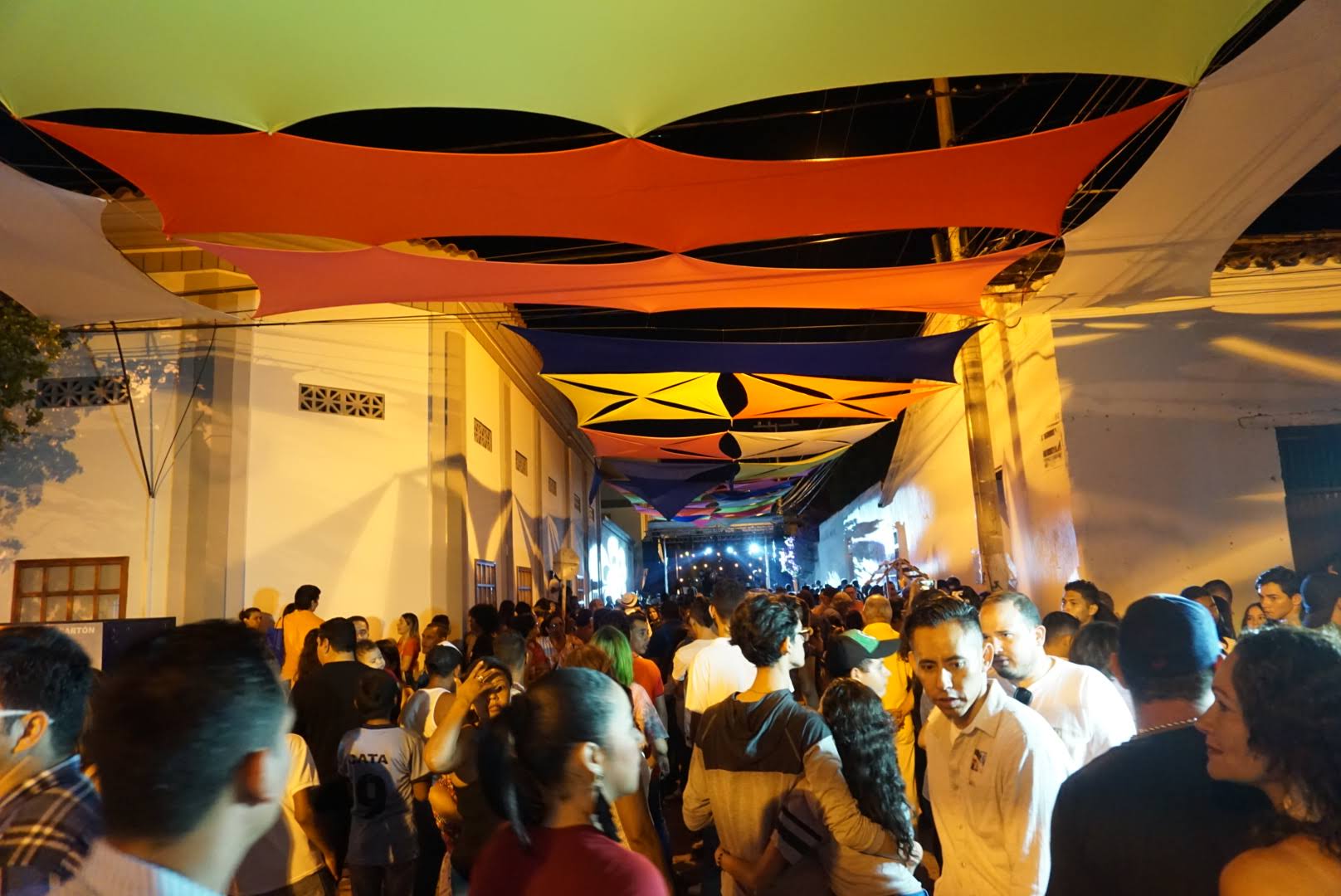
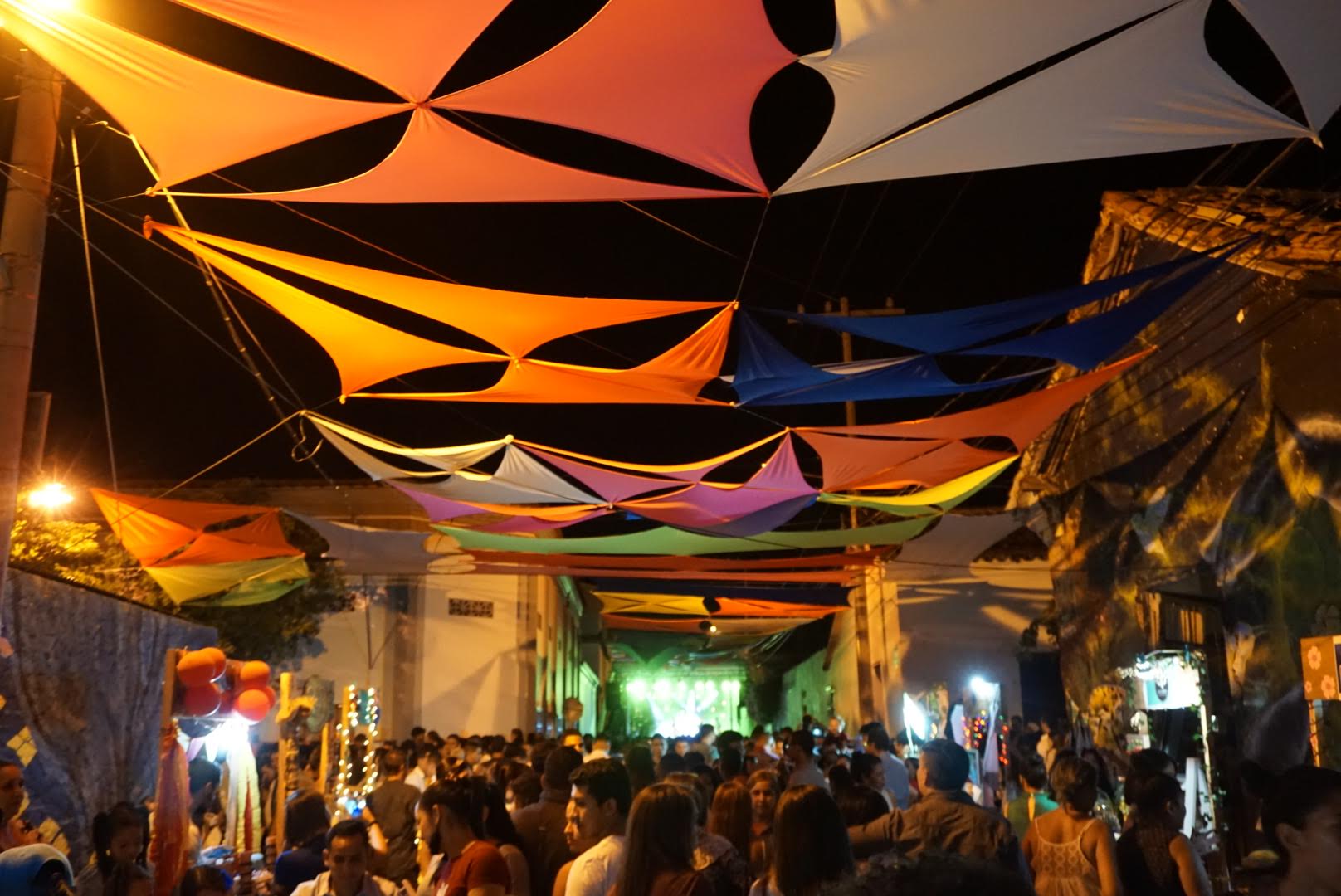
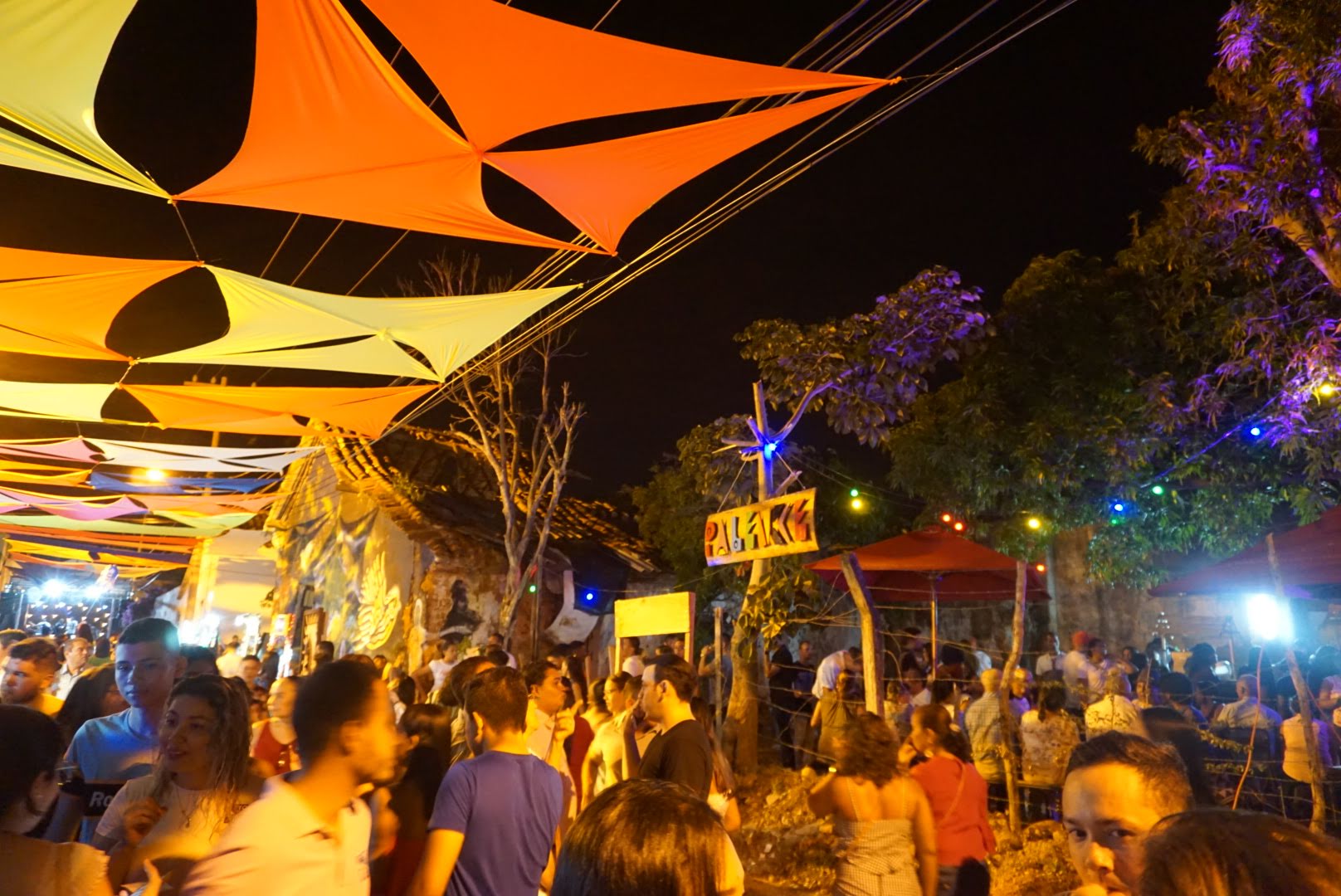
This year, the narrow streets seemed even more packed. Turn out was huge, however there was an area they did not use this year, and most of the music was focused on the big main stage and a smaller set up on the corner nearby where the La Espinita restaurant is. Some commented that this year it was less organized than last year. While they were partly right, if they knew the struggle that took place behind the scenes for La Quinta to get funding from the city, the conflicts between certain organizers that come together to make the festival happen, then it is all too clear why this organizational lapse was felt.

Palenke itself has also been undergoing a remodeling process to continue promoting itself as a multi-faceted cultural space within the city. Some neighbors focus more on the revenue and bar life, but Palenke’s cerebral mission is part of what makes it such an incredibly enriching place to begin with. It is far from “just a bar” – it is a space made up of heritage, especially the Afro- and indigenous contributions to Colombian culture. That being said, the bar was just reopening and not completely set up in the back, so this year there were no major performances to go to in Palenke after the live music stopped in the streets. That was something I missed greatly, as that music was what kept the atmosphere going. For me, nothing beats live music.

In the festival itself, a lot of local bands got to take to the stage to perform for a stuffed street full of spectators. Because of my personal connection to Monofonico (myboyfriendisinthebandcough*) I focused on their performance and showed up just in time to get a front row view of their performance. What sets Monofonico apart is the blend of talent, charisma, and passion with which they fill their performances. I never get tired of watching them – and no, I swear, zero personal bias on my part. They play lots of champeta classics (El Sayayin’s Paola, La invite, some salsa like Centurion de la Noche by Joe Arroyo) and take some urban and Afrocaribbean songs and put their own spin on them as well.

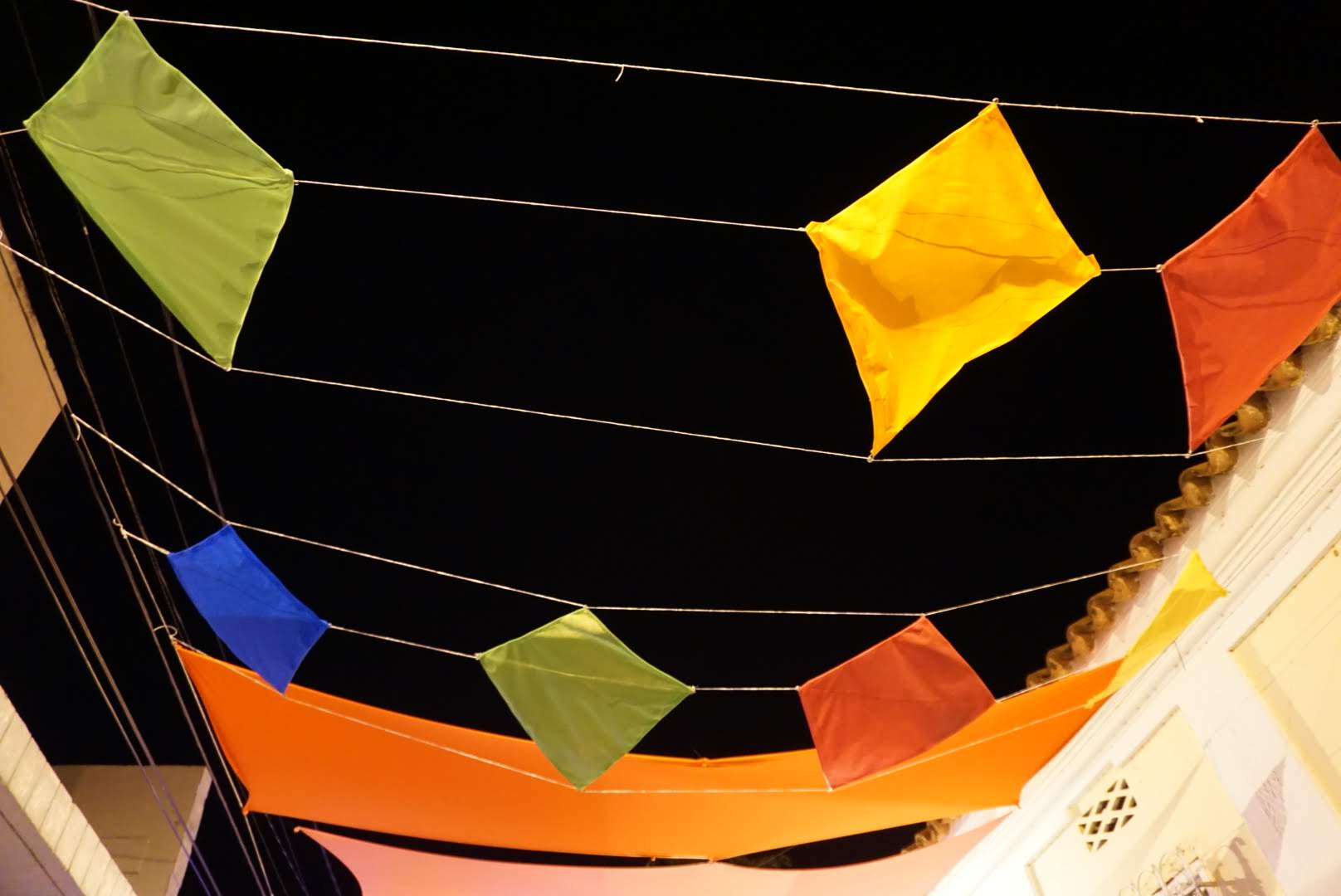
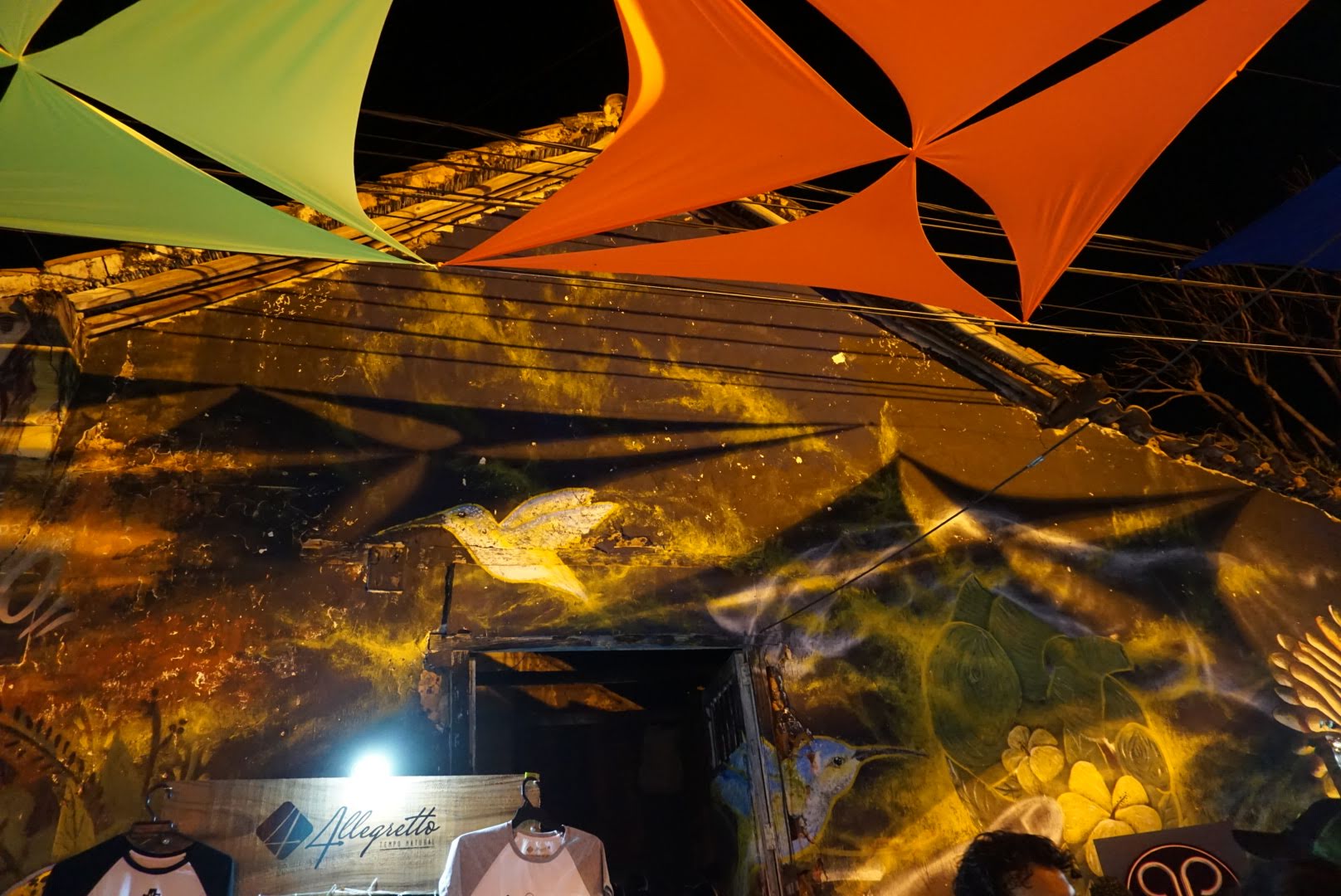
Other bands that can never be missed was Sr. Gustavo, another champeta group that has been on the scene in Valledupar for a while now, and a new rock band called Veneno. Their style is a classic rock en espanol sort of vibe with clear, heavy vocals and throbbing instrumentation to hold it together. All of the bands that played the main stage came alive with excellent lighting that filled the street with colors contained by the umbrellas suspended above the streets. Seeing the way the youth of Valledupar flock together and become powered by the music and the atmosphere causes a sort of nostalgic feeling of being in a place where there is still hope, where things still feel fresh.

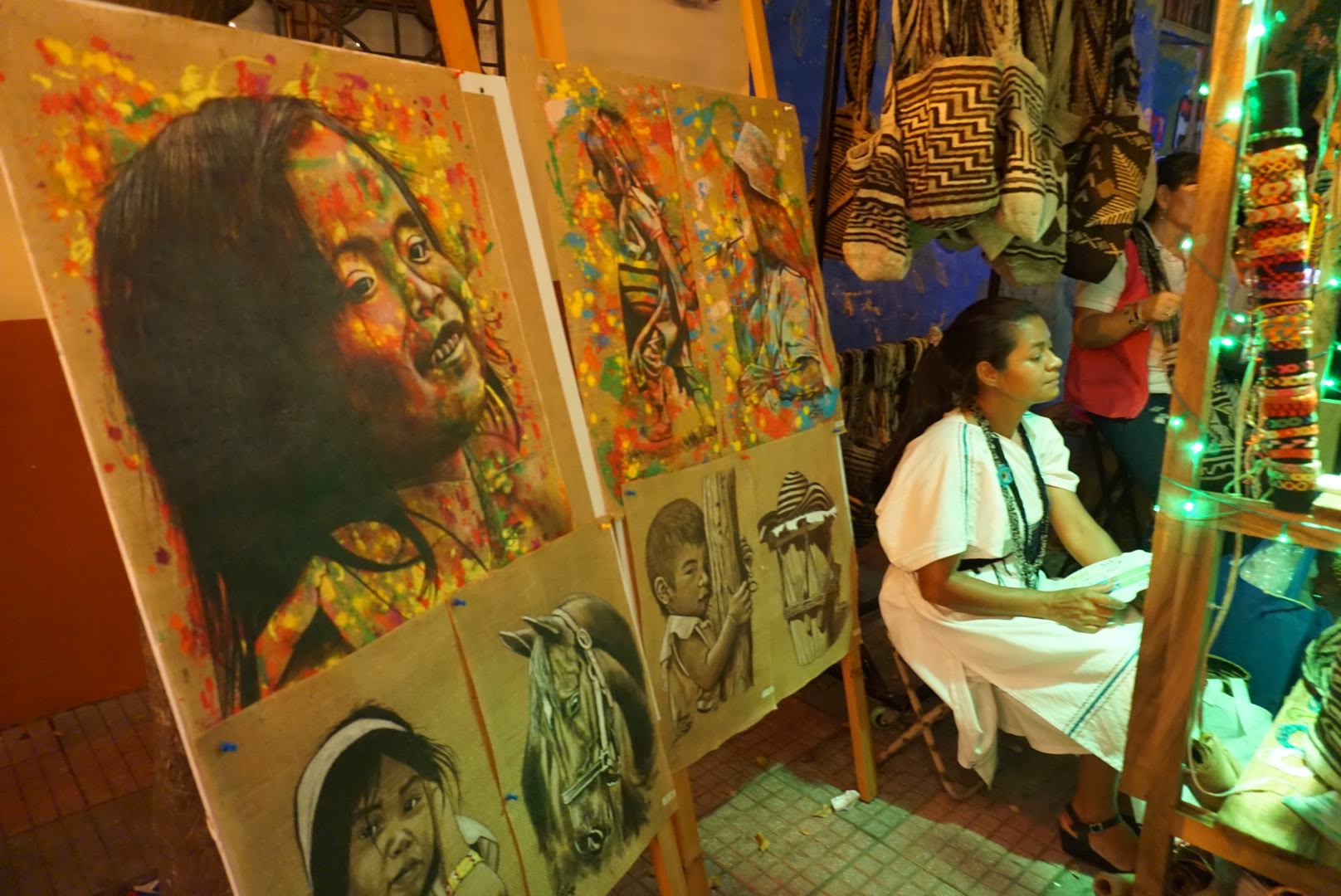
Apart from the music, I did more poking around in the art and vendors area. Because I’m gringa I noticed I got some special attention. They were really trying to sell me their art in the artist hall and travel packages, assuming I was vacationing. All the same, I tried to take in as much information as I could manage in the short time I was there. I learned about some wonderful eco-tours that have began in areas that used to be heavily affected by the civil conflict in the Colombian countryside. Most locals would not go to these areas because of stigma related to the guerrillas, so now they are trying to attract visitors to explore and learn about a different side of Colombia while supporting the communities with the money spent and appreciating the beauty violence could not erase.

The local art scene is an old institution important to people from this region of Colombia. Any house you go into will be adorned with a large still life painting hanging in the living room, usually elaborated by a local artist. I was invited to a local studio to check out the art after admiring both modern and classic styles on display in a university building located within the festival grounds.

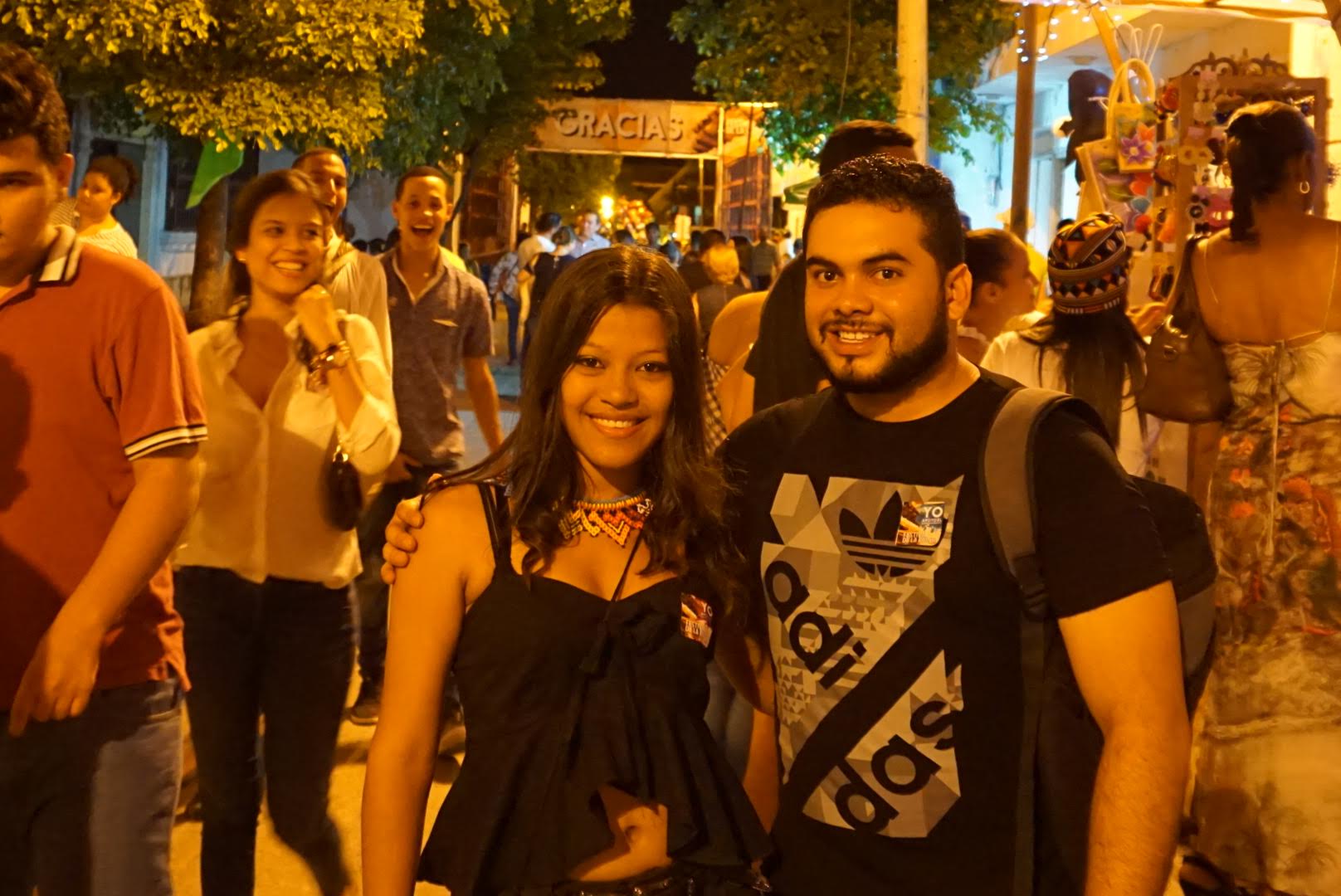
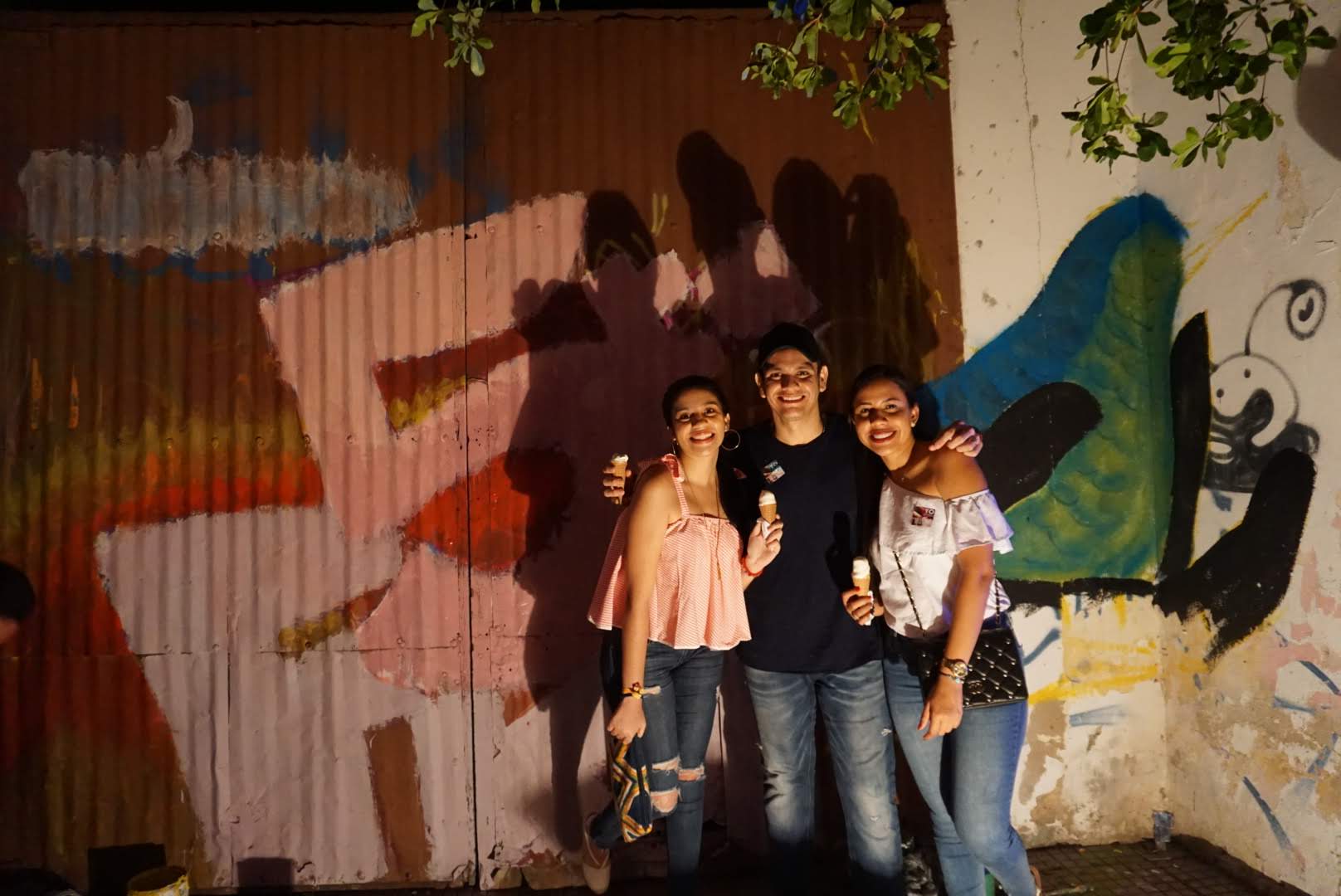
Check out some of the pictures I took. Even with the rainy season climate and some organizational and logical problems, the overall vibe of the festival was positive and forward thinking, a new tradition establishing itself in Downtown Valledupar.

((pics to be added – I just had this post in my drafts for waaaay too long – time to continue)

2018 in Review: Traveling and Goal-Setting

Well, 2019 is already halfway over. I actually thought I would have time to make this post before the new year, but I was a little too busy going around the Dominican Republic with my friend Naty.

2018 started and ended on a high note, in spite of the many low notes and perceived losses in between. Both NYE’s were passed in different cities, however under very different circumstances. NYE 2018 was spent going out with a friend in Bogota “amaneciendo” – drinking and partying until the sun came up in different bars with random people we met while we were out, having an insane time. I had decided while home that I would not be sleeping to bring in 2018. And so I didn’t.

NYE 2019 found me in a hotel room in Barranquilla, having gotten in relatively early around 10 pm. None of my friends that live in Barranquilla were available, and I admitted to myself that I was tired and honestly didn’t care to party this year. So I didn’t. I spent the night eating and enjoying a comfortable king-sized bed and solitude, feeling absolutely zero guilt about it. Growth.

Last year, I jumped on my first opportunity to travel. I went to Santa Marta and later to Tayrona – and hated it. Turns out preparation for a trip to Tayrona is key. Plus I started the year off with food poisoning and vomiting in a hostel. So what did I learn? This year I wanted to do the same thing, take off and travel on a whim. But I decided to take my mom’s advice and just rest as much as I could in the interim.

During January I went to Minca after my first 4 days of work to clear my head. Weekend trips are not too much here – you don’t even have to do much planning to prepare. Everything is close – Santa Marta is only 4ish hours away, and everything near there is beautiful beach and mountains. Money isn’t an issue either since I’ve been saving and did very little at the end of 2018 due to health issues and saving for the holidays.

What’s still being reworked are my goals for this year, both as an individual and a traveler. To define those, I want to look back at what I said I’d do and what I actually accomplished last year.

Unfortunately when we make our goals, we rarely stop to consider all of the little pitfalls and detours that tend to happen throughout the year. I hadn’t factored in that I would start a serious relationship with someone anytime soon. I didn’t imagine how many things I would invest in to create a more comfortable living environment. I hadn’t thought about the need for self-care after such a busy early year of travel. I didn’t think I’d be working extra or exhausted or too busy to go to the gym.

And at this point I’ve accepted how my year ended and how this was necessary. At least my goals were very long-term, so that gives room for the process of getting to the final result.

I wanted to write more, and I did. However, I didn’t share even a fraction of what I have in drafting process. I’m going to try to work on that during my vacation. At least I have a lot to build on. This year I’ve been continuing what I started last year.

The key is continuity. Sometimes we have to accept that a year isn’t even long enough. My mentality about time has changed a bit, and that’s helpful. I’ve expanded it and started thinking farther ahead while still staying planted in the present.

I have all my photos and videos from my time in Mexico, Guatemala, and El Salvador. My goal now that I’ve had time to do some research on my camera and editing is to start working on my trip documenting project. I made lots of notes with tips about my experience in each country. But I didn’t want to Frankenstein it and write with too many gaps in between. That really doesn’t work for me.

The experience I had last year traveling with my friend and alone has further reminded me of how independent I am. I had a lot of moments where I wanted to share these experiences, but I’ve also realized after making my own decisions and handling so many tricky situations that I can both handle what is thrown at me and not let it totally ruin my traveling experience. I even enjoy solo traveling so much more than I thought I could.

For now, I won’t go further in-depth about the individual trips, but I’ll leave some highlights below of pictures I took.

I hope you are also accomplishing your goals – even if it feels like it’s taking forever. Moving forward one step at a time, day by day. Anxiety and fear can make goals seem so far away and threatening at times, like if we don’t do it now, will we ever do it? But this is your friendly reminder, if you’re feeling that way, that as long as you are taking the time and following the plan, you are doing it. Sooner or later, you will make it happen. Onward!

This slideshow requires JavaScript.


Updates: Minca and what I’ve been up to (Reflections on Stagnation)

Anybody who follows this blog knows it’s been a long time since I’ve posted. One might question, “What the hell has she been up to? Por que tan perdida?”

In reality, I have been lost, lost in a whirlpool of endless work and exhaustion. When I’m not working, I’m too tired to dedicate my thoughts to anything in particular. You see, for the past month or so, I’ve been working double, and I’ve had my weekends taken from me as well. Now that I finally get a long weekend (and I don’t travel *sigh*), I decided to rectify the situation by posting a blog entry.

So what have I been up to, aside from work?

Back in January, I visited Minca. I had been wanting to wait and post about this when I had all of my pictures uploaded on my computer. It’s 3 months later, and I still haven’t done that, but I might as well stop procrastinating.

Minca was the first solo trip I had taken in while without much planning or premeditation. The last time I did that was when I went to Palomino for the first time during my first two months of living in Colombia. That was an experience to remember, one that I look back on when I think about traveling alone and ask myself who will I talk to? Literally every time I’ve had that concern and chosen to just ignore it I always end up meeting the best people.

That day, I literally woke up at 1 am on Saturday, got ready, went to the bus station, and took the first bus going to Santa Marta (with a good company, that is – Copetran). There are always buses leaving to local destinations in the coast (and I think in most of Colombia), which makes this spur of the moment travel so ideal. Can you imagine doing that in the states? Well, don’t if you have because unless you have your own car, there is no same-day travel planning that won’t cost you an arm and a leg.

Minca was an introspective experience. I road around the area with a mototaxista all day, from 9 till 6, exploring everything on the map of interest they had shown me when I arrived. I didn’t pay for a tour or anything, though I’ve heard there are some great ones. I realize if I had done that I may have interacted with more foreigners, but I was going for a laid back, more introspective getaway, and that’s exactly what I got.

The highlights were the waterfalls and the amazing views. I started the day by going to swim in Pozo Azul. When going up those steep mountain paths and roads, I tried to imagine doing it all on foot instead of paying to 100 mil to get taxied around. Nooo thank you. I was looking to relax, after all, not get home more exhausted than when I left.

DSC02965

If you are looking to push yourself and have a hiking retreat, of course I would definitely say go for it! And if you’re staying for an entire extended weekend, it just makes sense to save money and explore on foot. But I went with a single day and night planned out in my mind – and initially, I wasn’t even sure if I would stay the night.

DSC03005

I took a tour of a coffee farm, La Victoria, which turned out to be extremely fascinating and less fluff than you would expect. The tourguide happened to be a physicist who knew all about the ends and outs of the coffee gathering, preparation, production, and distribution process. I learned everything from why the coffee sold inside Colombia is such crap to how the irrigation and draining system works to shuck (I think that’s the word) the coffee beans. Plus it came with two cups of coffee, one at the beginning and one at the end. I had lunch there (an over-priced vegan friendly doubledecker sandwich because I was too hungry to be asked to wait and look for something cheap and local).

DSC03006

DSC03051DSC03003

DSC03004

DSC03002

The coolest part was having a taxista willing to wait on me for 2 hours and watch my things when I went swimming. He also tolerated all of my questions about the place during the ride, which meant I got to learn a lot along the way.

The “tour” was followed by more winding up and down the mountain and stopping at Los Pinos (the pines) to peep the amazing (if smoggy) view of Santa Marta, the ocean, and the peaks of the Sierra Nevada. Unfortunately, said smog was veiling the view, so no dice. Still, I enjoyed taking some pictures with my camera.

From there, I got to see the famous Casa Elemento. I didn’t go all the way to their treehouse hammocks, but I did some lounging about on the big ones in the main common area. You buy a wristband to get in for like 15 mil and you can spend as much time as you want. The hostel covers an expanse of property with lots to do and see. The wristband also includes a drink. Obviously if you stay there, you get access to the hammocks, pool, and cabins without paying extra. It’s worth it, but I chose a hostel close to the town of Minca to leave early the next day, and Casa Elemento is still about 40 minutes away from the town.

This slideshow requires JavaScript.

I couldn’t lounge for too long because the sun was starting to go down at this point, and I had one last top before going to the hostel. The Marinka waterfalls were amazing – plus you get a good, exhausting hike as well. Be sure to check them out. On the path up, I had an old man compliment me on my tattoo (which I never expect from the elderly for obvious reasons), and the best part was he wasn’t even hitting on me! He even told me to look out for those costeños and their “labia” (a sort of sweet-talking bullshitting). We both had a good laugh.

DSC03189

Most of the tourists I met in Minca were German and French. The hostel I stayed at was run by some Argentinians that were really nice, the usual open-minded traveler types. That night, I went to an open mic and shared some wine and beer with one of the girls and a volunteer at the hostel. He happened to be a Colombian transplanted and living in Canada. We shared our philosophies on how we hated living to work. He explained how he uses his hated 8-5 job to pay the bills and save to travel for months at a time every year.

Lately, I’ve been thinking more and more about purpose – the purpose of me living in Colombia, working as much as I do, the purpose of this blog and the way I organize my time. I’m not working to live; lately I’ve been living to work. And that has to stop. That’s part of why I chose this lifestyle. That’s why I write and do other things. My purpose is trying to produce something meaningful while I’m alive. I think we should all aspire to do as much. Not to live to work, but to try to move beyond the realm of simply existing, tolerating, rinsing, washing, repeating.

Therefore, I’m in transition, trying to slowly find my way again. A year ago, my goals were very clear. I go back to that dauntingly clear and ambitious list and wince. I am still working towards those goals, but I haven’t been taking as many steps to see them through.

That’s why, as much as this post is about Minca, it’s also a recap of why the hell I’ve been lost all these months and where I want to go with this blog and my life. I’ve been having a lot of conversations about maintaining a sense of clarity towards the things that matter in life. About dedicating time to things that matter. About why this matters. It’s time to replant those goals and water them and give them another chance to flourish and blossom. It’s never too late.

I took a book from the hostel I stayed at in Minca which just seemed right: Sobreviver. It’s in Portuguese. I’ve been reading it very casually, but my goal is to finish and post about it and my insights here. The book is basically about the following reflection: life isn’t just surviving, but in order to live well, you must be resilient. In order to be resilient, you must be a survivor. And that means pushing past negativity and working through every obstacle thrown at us.


Every day Situations in which knowing Spanish is and will be life-saving in Colombia

As has become customary, I will begin this post with a disclaimer: I live in a smaller part of Colombia, not in Bogota. I live in a place where foreigners are still a novelty – yes, that word is very appropriate in this case. If you go to most places in Colombia, expect an array of questions and curiosity, regardless of the situation you might find yourself in, particularly if you find yourself in a less metropolitan place.

Still, there is something you must keep in mind: Colombian culture is a communicative culture. It is a verbal, expressive culture, to such an extent that you have to be careful not to take things at face value because being expressive also means being exaggerative at times. Especially in the coast.
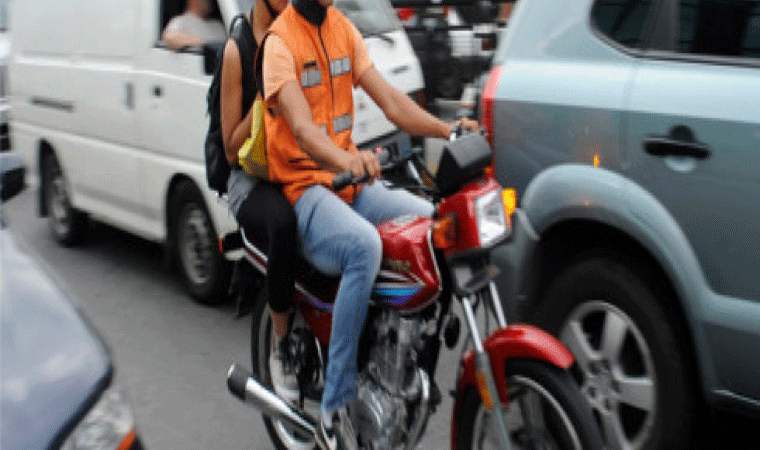

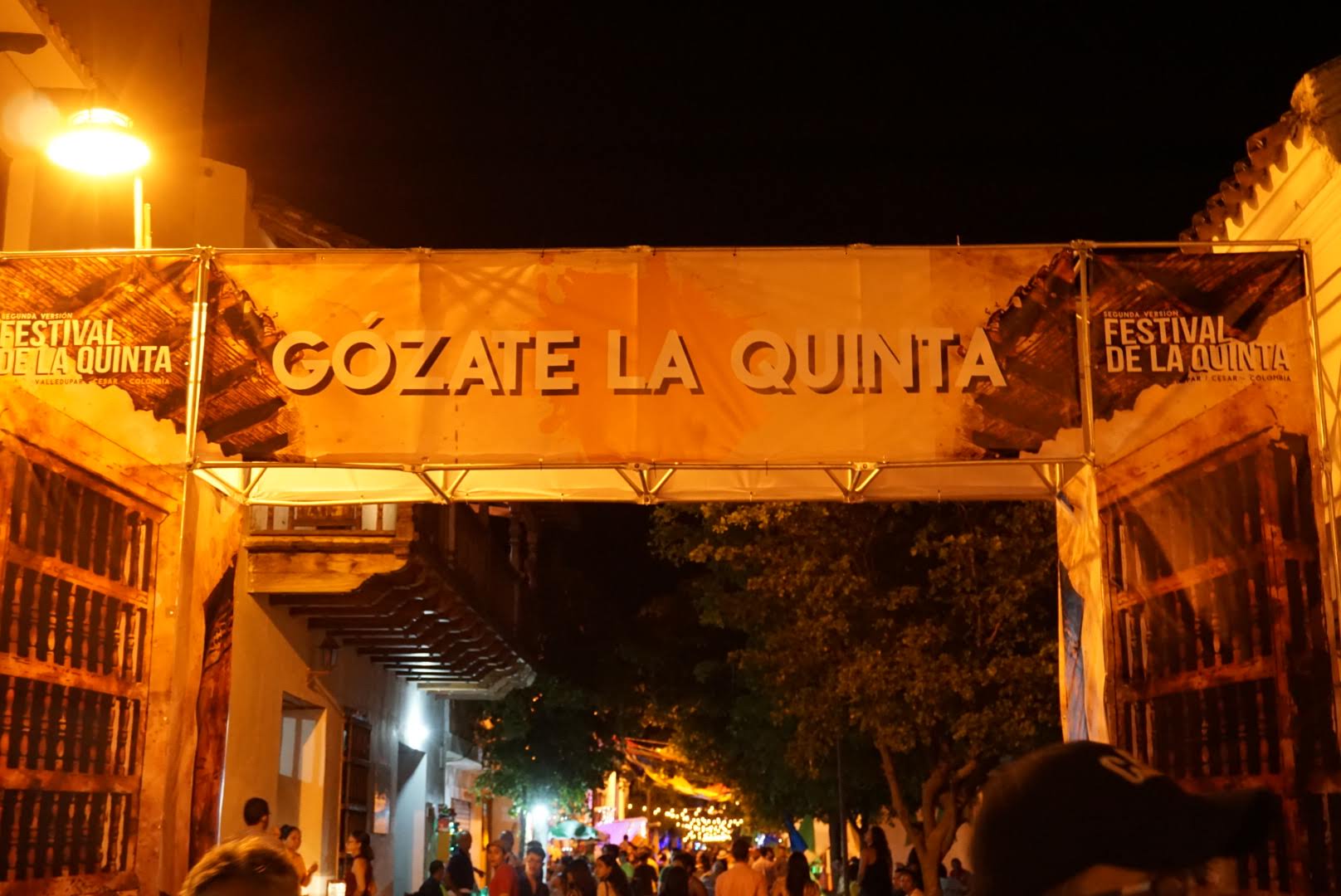
I’ve traveled in other parts of Colombia, but the daily experiences have been had living in Valledupar, Colombia. If you happen to end up in these “wild west” areas for tourists, knowing the language spoken is so essential, even if you’re starting with the basics. Here you will build up that base, which is the value of avoiding the more tourist- and foreigner-populated areas. If what you’re looking for is authentic experiences and interactions, you will find them here. However, you might not always like it.

The experiences I’ve had where language has been essential are more numerous than I expected. As a somewhat reserved person, I wasn’t expecting to need to speak to strangers every time I leave my house. However, that’s what you should prepare yourself for, even if what you’re saying are simple greetings.

In the street, people will greet you. Seems normal, but if you are introverted or used to living in big cities, it can be off-putting to be rushing down the street a wreck to get to work while people are telling you good morning and asking how it’s going. However, your needs for Spanish vocabulary are basic, obviously, returning the gesture is more than enough under most circumstances.

por-que-los-piropos-son-acoso

Unless those simple greetings are accompanied by catcalls. They can be as seemingly harmless as “my beautiful queen” (mi reina hermosa) to more grating like “uy mami me das ganas de pecar” (mami you make me feel like sinning – yeah wishing I was making this up but it happens). The response here can be as simple as a glare or a non-response, gracias if what was said was actually a genuine, non-cringy compliment and you feel like it merits thanks, or a straight up comeback such as, Y calladito te ves mas bonito (“And you look nicer with your mouth shut”). It really depends on your mood what level of Spanish you need for this daily encounter, but the point is, as a woman, you need to prepare yourself for the daily reminder that you are female-presenting and are outside walking around, whether you go out looking like Miss Universe or roll out of bed sick and go out in basketball shorts and a big t-shirt (speaking from personal experience – yes, really). Catcalls get old, but there are other interactions with mostly men you will have ahead of you, such as…

CatcallingThe21stCenturyWoman

Taxistas. Even in smaller cities or towns, people that don’t have cars are given options in the form of taxis – either of the traditional yellow variety or mototaxis. Mototaxis are literally just that – motorcycles driven by random men with no special markings. Sometimes they come in “uber” form, but the only app for that is whatsapp. They have no signs or distinguishing features usually since I’m not sure they are technically legal, but if you notice a motorcyclist honking at you like crazy, he is probably trying to get your attention in case you are a potential passenger – not because you’re attractive. So despite all of the catcalling, this is actually less cringe-y.

mototaxista-760x450

So whether regular taxista or mototaxista, expect to have the using “I’m going to…” conversation regularly. But, not only that! Make sure that you have some idea of the landmarks near where you are going. If you expect them to understand a simple address you are dead wrong. Unless it’s a very straight-forward destination that everyone recognizes, then just the name of the place might be sufficient. But as a rule of thumb, I like to have a general idea of what is around the place I’m going, aside from the Barrio – which is more than just a basic sentence. Be prepared to get a lot of practice there.

Then there is the often inevitable conversation that is had with the taxista. Sometimes this happens even when you try to bury yourself into a chat conversation in your phone (which may or may not be genuine depending on if you have data or not – the all-inclusive unlimited text plans aren’t as common here). The questions usually touch on the same familiar territory, so you will be better at this form of small talk before you know it. It usually starts with, “You aren’t from here, are you?” and ends with “So what do you think about that President Trump?” That part might be hard for a new arrival, but hope for that outcome and not the “Why aren’t you married? Got any kids? And your husband? You thinking of marrying a Colombian guy? Could it be me?” route. Oh, yes, most taxistas are male, so that it takes that turn at least once is absolutely guaranteed. Fun.

If you thought you might be safe from verbal/aural overload once you reach your destination, well, I’m sorry to inform you that you are completely wrong. When you go shopping, especially if it’s downtown or in a local tienda, expect to be pummeled with questions. What are you looking for, how can I help you, etc. What you would expect, of course. But if you’re going clothes shopping or more likely window shopping, they probably won’t accept a “just looking” response. I’ve been followed around a store as I literally walk about aimlessly hoping they will get bored before exasperatedly turning and saying, “Look, I literally am just looking, and now I’m leaving.”

0d039-tiendas-de-barrio

In the tienda, you might need to go with a list prepared. I’ve gone so many times only vaguely knowing what I want, and I literally forget everything because they put me on the spot. Obviously not everyone is as flighty as me, but if you are still in the learning stage of Spanish, expect you will need to communicate what you need. And clearly. I once asked for meat, but I was expecting to be shown a portion, not asked how many pounds (libras) I would like. I had no idea and gave away my foreignness by asking for a reference. You see, I think in the States we get used to shopping visually, the typical supermarket experience where you walk up and down aisles picking and choosing what you need, looking at everything unhurriedly. But if you want to get things cheaper, you will want to shop locally, and if you shop locally, you will be expected to rattle off everything you need – while competing with other Colombians to speak. And costeños will speak over you, and in this case, the first and the loudest gets the fastest service. Facts.

The pharmacy or drug story (drogería as it is called more commonly in Colombia) is another challenge. You see, if you have a prescription, it is pretty much the same as in the states – you show the paper, they give the medicine, you done. But in Colombia, drug stores don’t rely on prescriptions alone. In fact, you can find independent pharmacies like la rebaja and la receta on pretty much every corner downtown. There are a few big pharmacies that resemble CVS and Walgreens in the states like Farmatodo but most of them are smaller cornerstore deals.

larebaja

Just like in the tienda, don’t expect calm browsing. Introverts are probably feeling uncomfortable. “You mean I have to describe all of it to the pharmacist?” Well you can go the route of describing your symptoms, because let’s face it: coming to a new country means not always knowing the exact equivalent of every daily item branded under a different name in the states. Tylenol exists, but it has different, more common generic forms like Acetomenofen, the scientific name which most Colombians know regardless of the brand. Most medicines I associated with brands which only exist in the states, I realized. Knowing a brand might be useful when dealing with toothpaste, for example. Colgate is even a “pasta de dientes” replacement – however you need to pronounce it in Spanish: col-ga-te, syllable by syllable, like it’s spelled, otherwise they will stare at you in blank confusion. And so it goes with most everyday products, like hair styling brands, which are still common here. Pharmacies here have all of the products under glass in the display counter where you have to request them in order to receive them from the pharmacist, which is where knowing exactly what you are looking for comes in handy. Not all of the products will actually be visible in the display counter, and some pricing or brand options and preferences will be offered. Cuidado!

But as you can imagine, linguistic adaption takes time, but with time, it comes. So don’t get too overwhelmed if you are imagining how you will handle all of these very direct, verbal situations. Daily you will be immersed, and if you are going to live in another country in order to learn the language, that is ideal. My fluency has increased so much, even if my reserved nature has only slightly shifted, so there’s that!

Sometimes funny, sometimes scary, often a challenge, using Spanish in the coast of Colombia is a reality you should expect and take advantage of because it will make you more confident using the language.

Coming together: el 2o Festival de la Quinta

Some time has passed. My long hiatus is mostly due to readapting to balancing work with other distractions. I wouldn’t say my life is particularly busy; it was probably busier when I started this blog, to be honest. That being said, take this as your #throwbackThursday (on a Friday, naturally).

Valledupar is a city historically known for one niche genre of music: Vallenato (duh). If you have any sense of etymology you would have already guessed that with the root “Valle” in the name – something that comes from the valley. However, beyond this genre, it has been a place to attract and inspire artists of all kinds. Since I’ve already talked about the older Festival Vallenato, my faithful readers (ha!) might be surprised that a festival revolving around something other than Vallenato has arisen to rival on a local scale what the Festival Vallenato has accomplished on a national scale.

This year marked the second annual Festival de la Quinta. The baby festival (only 2 years old, imagine! – and yes, baby- and family-friendly) took place this year on September 29 and 30. It was a highly anticipated event by Vallenatos and Valleduparenses* alike because of the diverse range of attractions and entertainments it promised to have.

And let me tell you, it did not fail to deliver on those promises.

I happen to be good acquaintances with the founder of Festival de la Quinta, a father-figure of the Valledupar vanguard named Yasser, also owner of Palenke cultura bar. His goal was to bring a culturally rich alternative to revive the historic center of the city. He’s accomplished this with outstanding local and youth support without relying on a huge amount of financial influence.

Close to this historic area you can find bars dedicated to rock slowly becoming less marginalized among the patrimony of the city square. This is surprising considering the narrow-minded view of locals in regards to local culture being the best, to such a point that many even reject the cultural contributions of other regions to the multicultural quilt that is Colombia. You see, even Valledupar natives often forget that other types of music can thrive in Valledupar. This festival is a reminder of why they should and do thrive – and deserve more local support.

La Quinta in Spanish means the fifth, in this case 5th street, a street which borders the historic Plaza Alfonso Lopez, the cultural heart of Valledupar. This hub has always been famous for attracting musicians and artists of all kinds. Fortunately, I now live closer and was able to get to the festival on foot and enjoy the 4 streets dense with booths and stages, tempting treats and resonating melodies – which thankfully were not dominated by the screams of the famous accordion that serves as the protagonist in most Vallenato music. There were even artistic areas for children to paint and an open-air stage where a dramatic performance was given.

So what other types of music and culture can you experience in Valledupar? There were several genres and blends of musicians ranging from cumbia to champeta (a derivative of terapia, a style of music of African origins), reggaeton, fusion of Vallenato and tropical vibes, and yes, even a bit of rocksito. I particularly enjoyed the local fusions, including the local take of Monofonico and Sr. Gustavo on the Cartagena-based champeta, and of course, rock by groups such as the seering Ardepueblo and the catchy local pop/rock band Sin Tendencias, representing support for foreign “niche” genres in the isolated capital of the department of Cesar.**

The truth is Valledupar is only just crossing the border between isolated large town (or city in comparison to everything surrounding it) and a metropolitan city. As more people from outside the region come in, more diversity is recognized and celebrated. The city is beginning to boom with growth, new businesses, bars, and restaurants, both foreign and local, popping up due to the urbanization of streets like la novena and Simon Bolivar, among others. In this way, Festival de la Quinta is a modern, inclusive response to what I feel is a regionalist and exclusive Festival Vallenato – exclusive in the sense that it is far more accessible traditionally for locals and less so for outsiders who might not have the same instilled love for Vallenato.

Now Festival de la Quinta celebrates the diverse cultural interests that have been a major part of the growth of the city – its African influences, increasing Venezuelan population, as well as the foreigners like myself that have come to see Valledupar as their home. It’s interesting to witness this progressive and international shift that is making this city more than just the capital of Vallenato.

I would have liked to know what Valledupar was like before, but I only have the accounts of older locals to rely on and my own imagination. It sounds like it was a mere outpost for the towns that surround it, with little enterprise and plenty of green growth in contrast to the concrete growth seen today. It was safer, most agree, but that is typically what people say when crime surges during urbanization and refugees become a noticeable part of the local population, with no social services provided or spaces given to help them integrate. All of this change and growth has made Valledupar what it is today. Government initiatives like Colombia Bilingue have added to this change by bringing more foreigners in with the aspiration to create a Bilingual Colombia.

Although there was much to see, I only went to the Festival on Saturday night due to the fact that I didn’t go to sleep until 7 am the next day and had worked the day before. So I can only relate what I saw and felt in that single night.

The narrow colonial streets filled with people, from the welcome sign to the barriers beyond the streets that hold in the festival. In fact, they seemed to be bursting at the seams. Unlike the sauna-like rainy season that pervades Festival Vallenato, the weather was windy and cool, not a cloud in sight, none of the sweaty oppression I talked about in my previous post. As I wandered from booth to booth with my friends, I was brushed against by people that made their way through shoulder to shoulder – many of which I or my friends new and would stop us with a hug to catch up. Still it was so full. We were something of trout mixed with sardines saturated in alcohol. Have I mentioned how deeply tied drinking is with every sort of celebration or festivity here? That deserves an entire post of its own.

I tried brownies and cakebites, a lack-luster arepa made from corn flour and much tastier empanadas. The truth is though with so many people, artists, and entrepreneurs. It was quite loud, the sounds of laughing, music, and the famous mamadera de gallo (or you know talking shit, shooting the breeze…what have you) filled the air along with the voices of the artists and their instruments, and it was hard to focus on trying each delicacy. My attention was split in a million different directions. But it goes without saying that there was in fact something for everyone.

More events like this need to exist. Festival de la Quinta is a non-commercial way of inviting locals to share in, promote, and celebrate their culture – beyond Vallenato. After all, not all people from here identify with Vallenato, particulary the youth and people that have come into the city from other places and still consider Valledupar their home (like me and my friends, for example). In that way, it’s accessibility brings more gains than those of a monetary nature.

If I can, I’d like to make an ambitious prediction (heresy, to some locals perhaps). That if local entrepreneurs and artists continue to come together in this way, with the growth that Valledupar continually demonstrates, El Festival de la Quinta will be the next festival that attracts the foreign eye and imagination to come and experience this remote Colombian capital – perhaps even more than the foreigners attracted to Festival Vallenato.

Here I’ll leave you guys photos from that might better transmit how enjoyable La Quinta is beyond my own words. You will see pictures of my friends, new and old, the decorations and murals that have beautified downtown Valledupar, the food and art booths along the streets and alleys and some long views of the main stage.

*There is a strange divide between older residence of Valledupar that relate to the term “Vallenato” to describe someone born in Valledupar and the younger (as far as I’ve seen anyway) generation that say that too many people confuse Vallenato for Ballenato (meaning baby whale) and choose instead to opt for “Valleduparense” – but both terms mean someone born or native to Valledupar.

**In a later blog, I’ll upload some footage of each band – both from youtube and stuff I’ve filmed myself – just in case your curiosity wasn’t piqued enough to look up the bands mentioned yourself. Believe me, if you like Spanish-language music (and even if you don’t), you won’t regret it.

DSC02864DSC02951DSC02865DSC02867DSC02872DSC02874DSC02876DSC02878DSC02879DSC02891DSC02900DSC02902DSC02904DSC02905DSC02907DSC02908DSC02909DSC02912DSC02913DSC02918DSC02929DSC02931DSC02933DSC02935DSC02937DSC02943DSC02944DSC02946DSC02947DSC02953