Termalismo: Hot Springs in the Eje Cafetero (Colombia) Part 1

Well, well, well. Time to start my recap series. The first two months of this year were full of travel. I spent all of January in Brazil and February revisiting some gems in Colombia. My posts most likely won’t be in chronological order but rather highlights as I feel inspired to share.

After last year’s February travel success, I had to spend my birthday month traveling again this year. Once again, I made catching up with friends the guiding light of my route. Lucky me, they live in different parts of Colombia. So, I got to revisit 3 capitals: Bogota (THE capital of Colombia), Medellin, and Manizales.

In this post, I’m going to break down some gems in the Eje Cafetero. I like to call it the Coffee Country of Colombia (because, alliteration). I’ll start with one of its capitals: Manizales. After a week in Medellin, I chose not to take a bus or plane straight to Manizales. I took a smaller bus to cross Antioquia and reunite with my friend Carin in Jardin.

While discussing our reunion, we had gone back and forth about where we would go to take advantage of our new lease on life as digital nomads. On one hand, neither of us had been to the Colombian Pacific Coast (Chocó). However, if we were going to meet in Jardin, that would be farther from our set-off point so, we compromised to visit an area I had some experience with. I didn’t need to be convinced to go back because for me, Coffee Country is best country.
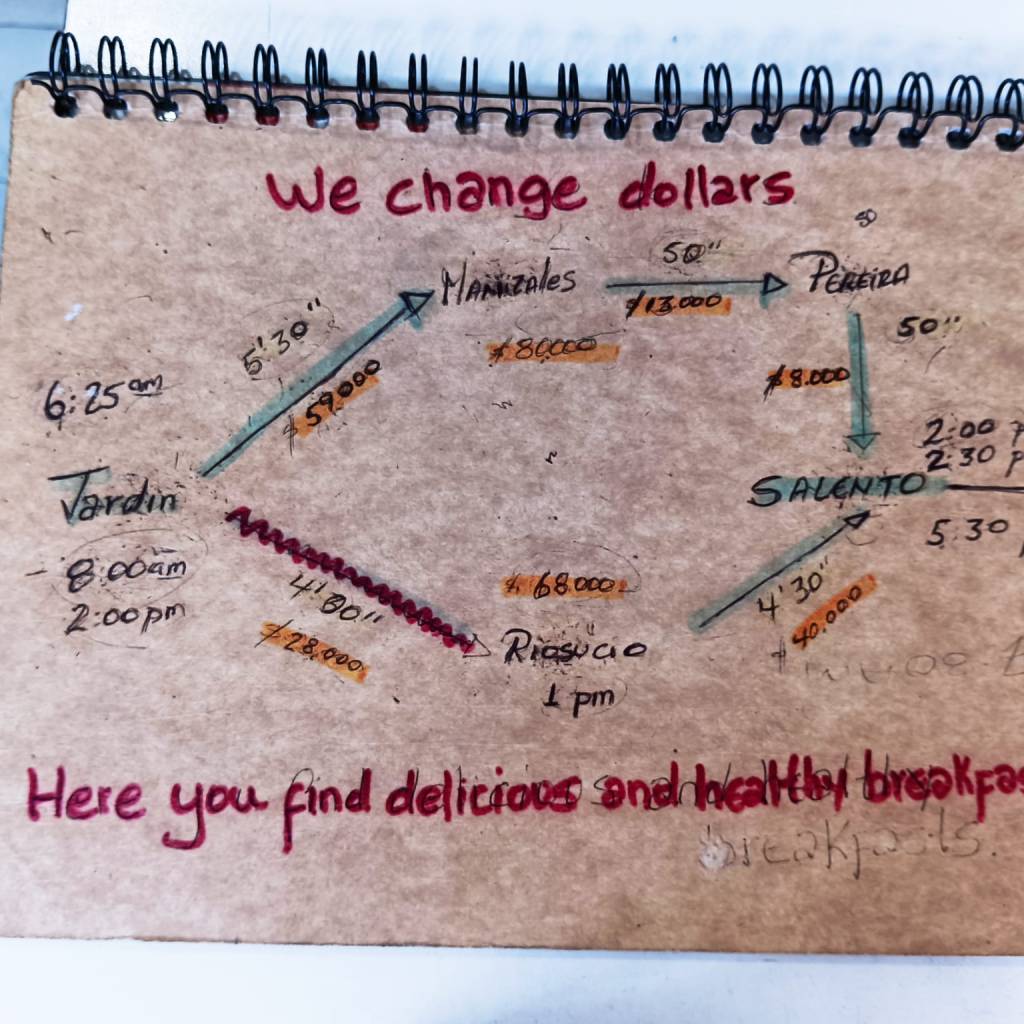
This was the route option laid out by my wonderful friend, including the times we could go and the prices available. The trip from Jardin to Manizales was supposed to take 5 and a half hours.

Carin helped plan and coordinate an adventure for two remote-working ladies. Her organization and practical mindset were the tools that my more spontaneous style needed to make everything work. Having a timeline was key, especially since this would be my last hurrah in Colombia before my flight from Bogota back to the States.

Jardin itself is a verdantly scenic mountain village right on the edge of Coffee Country (official map above). It attracts international tourists year-round, and for good reason. It may not be an official part of the Eje Cafetero, but it’s surrounded by farmland including coffee farms that form a big part of local culture and identity. It’s always a joy to visit. For the sake of proximity, budget, and practicality (plus a bit of nostalgia), we decided to spend 5 days there before going east.
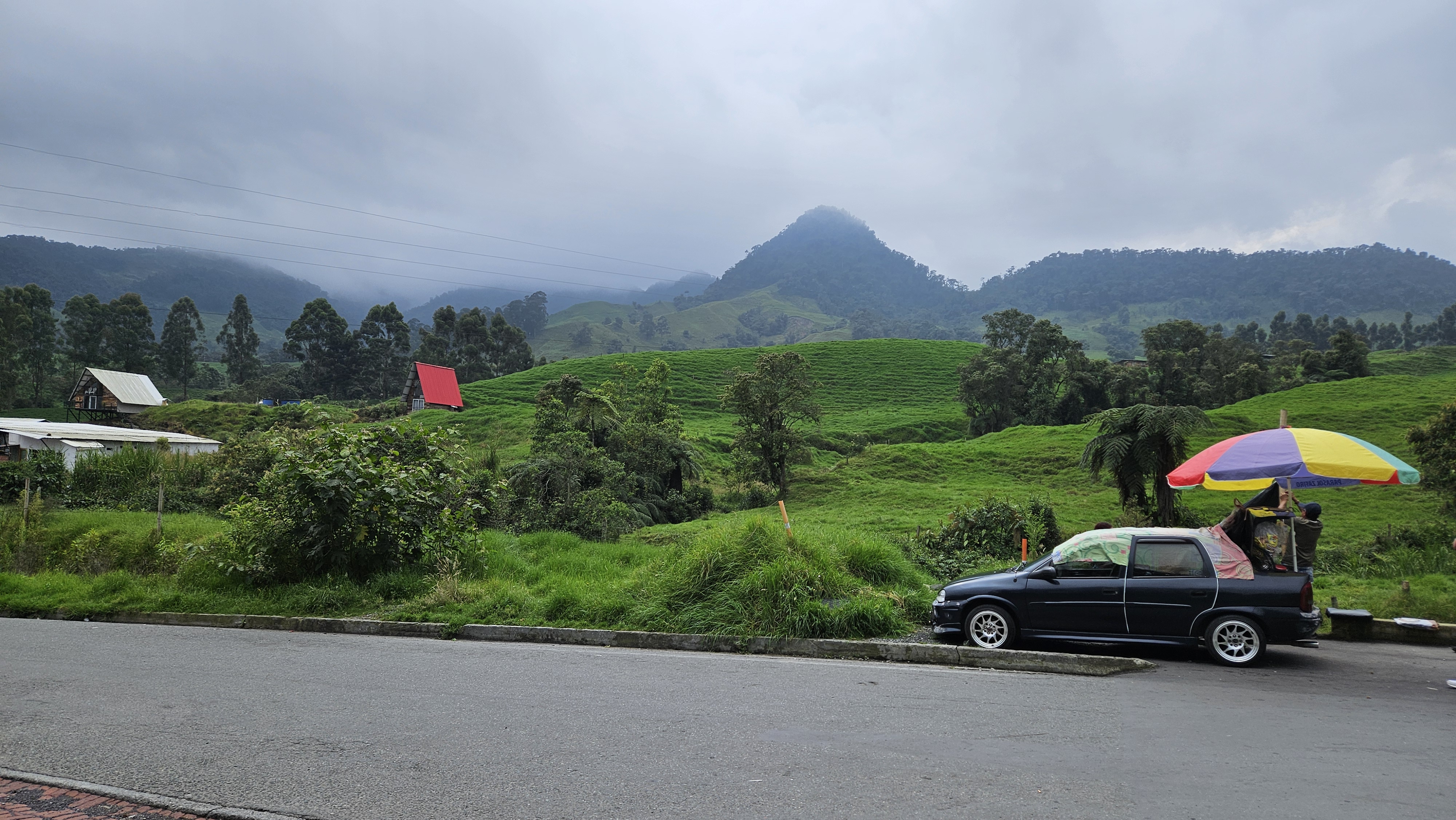
In spite of a week of mostly perfect weather, lightning, thunder and heavy rain kept us up the night before the ride to Manizales. This came as no surprise since one of the consequences of global warming in Colombia has been the rise of long droughts and unpredictable torrential rainfall outside of the usual rainy/dry seasons. The problem is, there are only a couple routes in and out of Jardin. One of those routes is through “trocha” – muddy off-roading. This was the only way Carin had taken before.

When we rolled out of bed by 5 am, there was a feeling of foreboding. We had bought our tickets for the van to Manizales ahead of time. If it went off-road, chances are the road would be closed due to the heavy rain. I was anxious to check that the trip wouldn’t be canceled. So, I charged out, umbrella in hand, to mall walk all of 5 blocks to the tiny terminal area. I saw a bus to Medellin was already pulling away from the Rapido Ochoa garage. Everybody seemed to think I was crazy for worrying (small town people don’t worry, as God always provides). It turned out, we’d be on the other road out of the town. Crisis averted.

The van involved a short but brutal, winding mountain path that actually gave me motion sickness. I’d never puked in a bag before and seriously hope I never will again. But that aside, it was a smooth trip, and we made it to the Manizales terminal in record time.

Manizales Trip Summary

Land transportation from Jardin to Manizales: 80k COP for a shared van (pay in El Portal, on Calle 8, and get lunch or a snack while you’re there!)
We left at 6:30 am and were there by 10:30 am, shaving a full hour and a half off of the expected travel time.
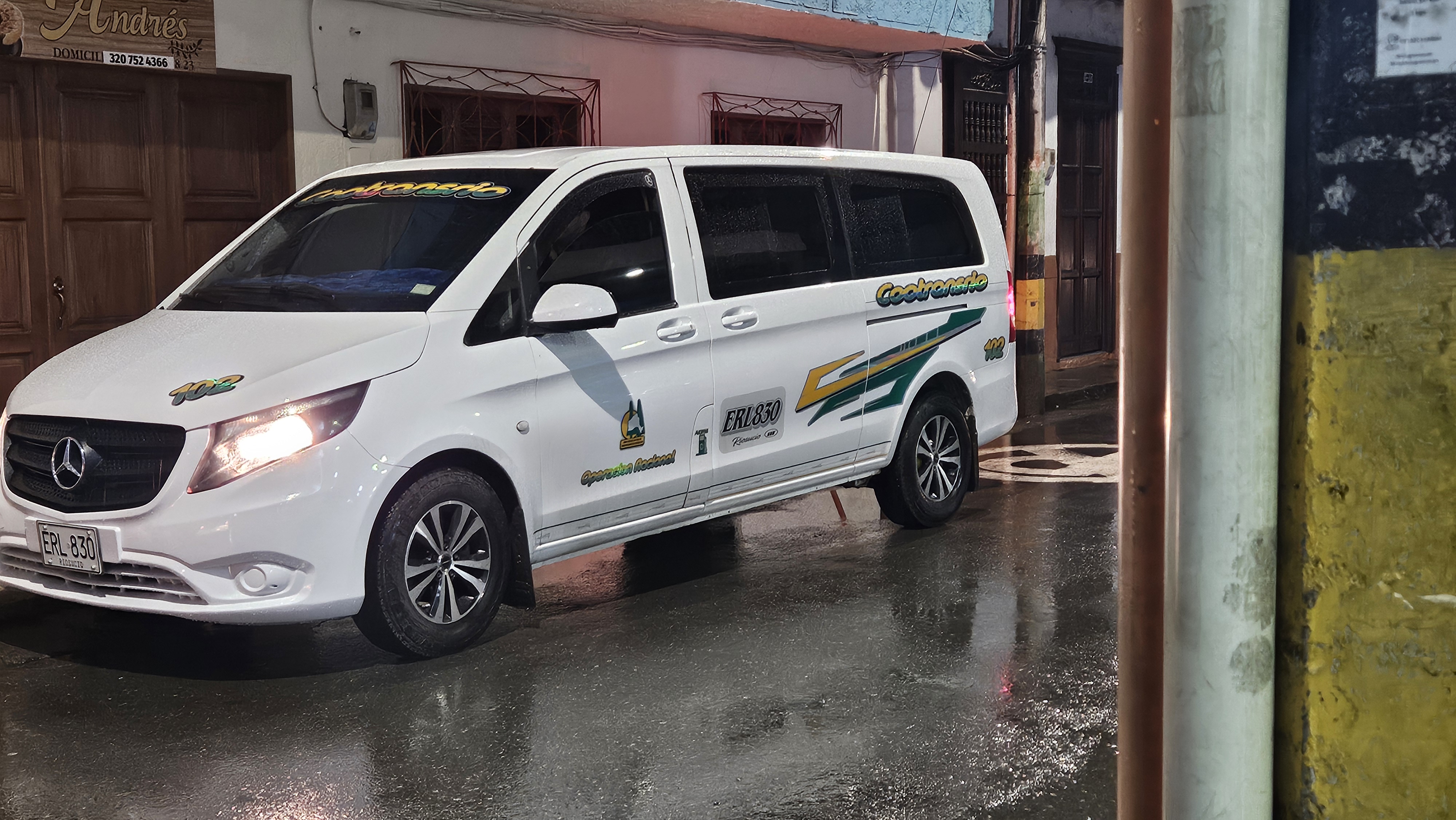
From Manizales Terminal to Santa Rosa del Cabal: 13k COP for a small bus (Empresa Arauca)

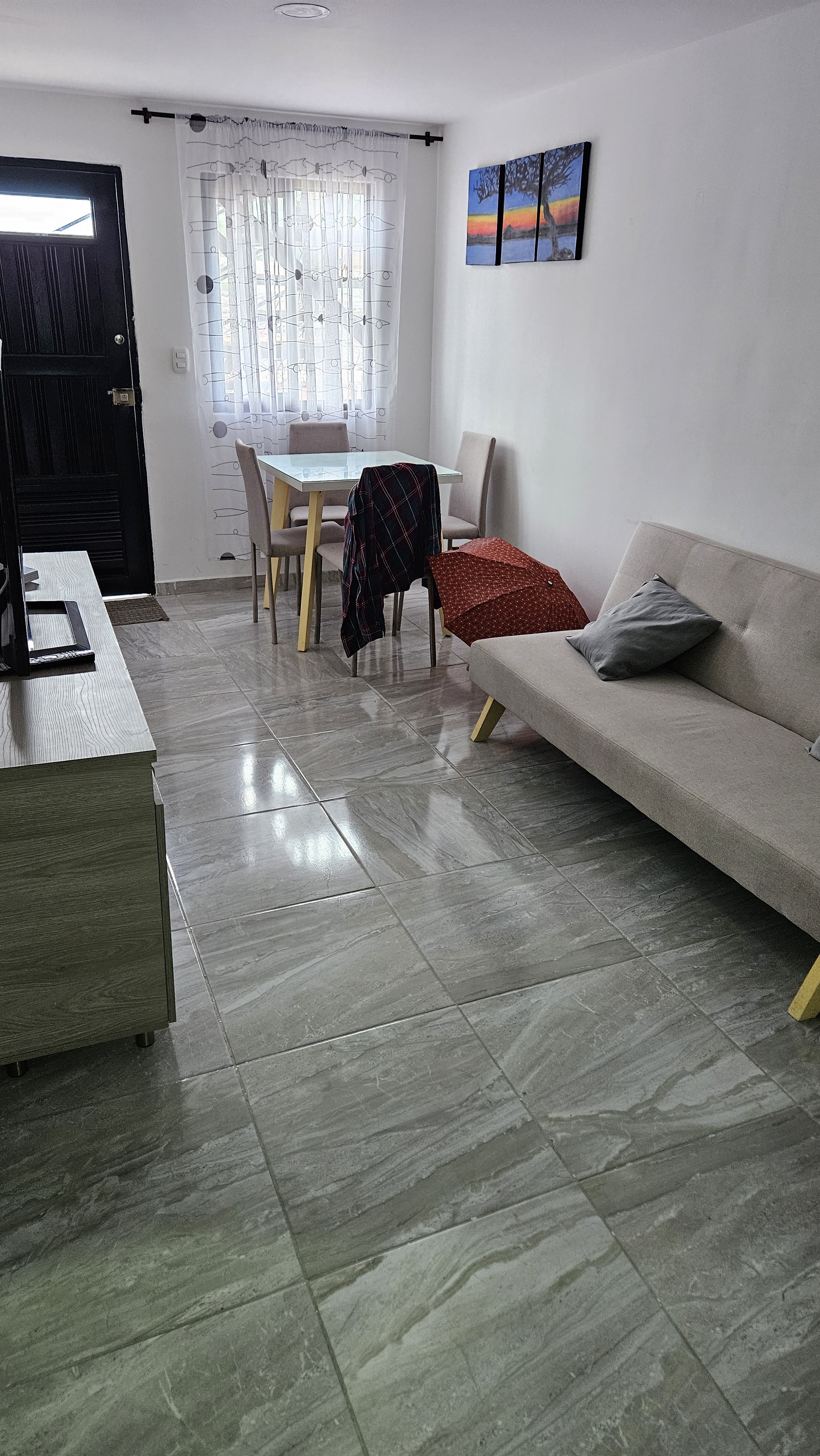
Lodging: 3 bed apartment (Booking) in La Enea neighborhood (ideal for hiking and contact with nature)
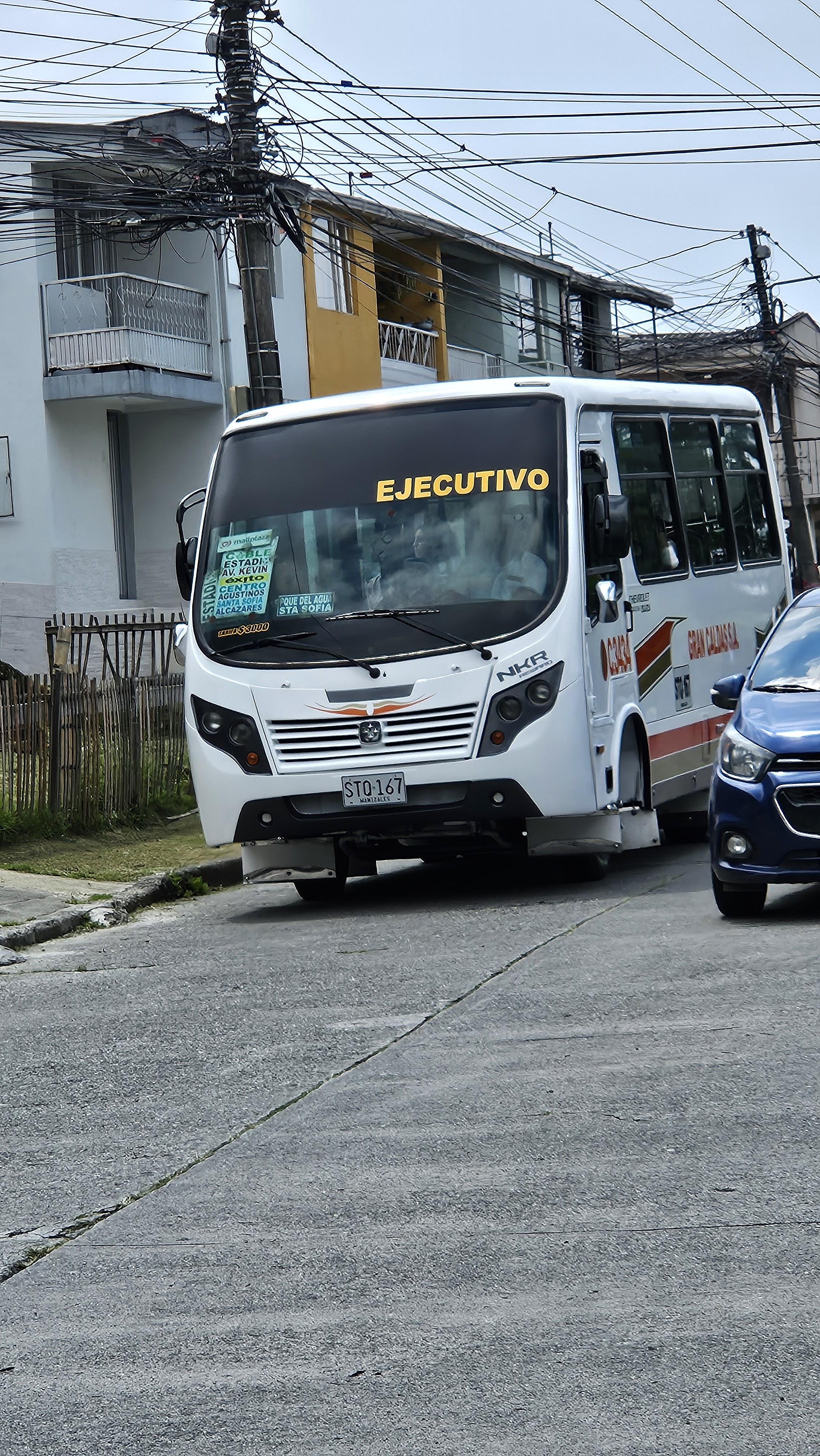
Getting Around in the City: local buses (Gran Caldas) – 3k COP (though you can see the fare written, and some buses cost less)
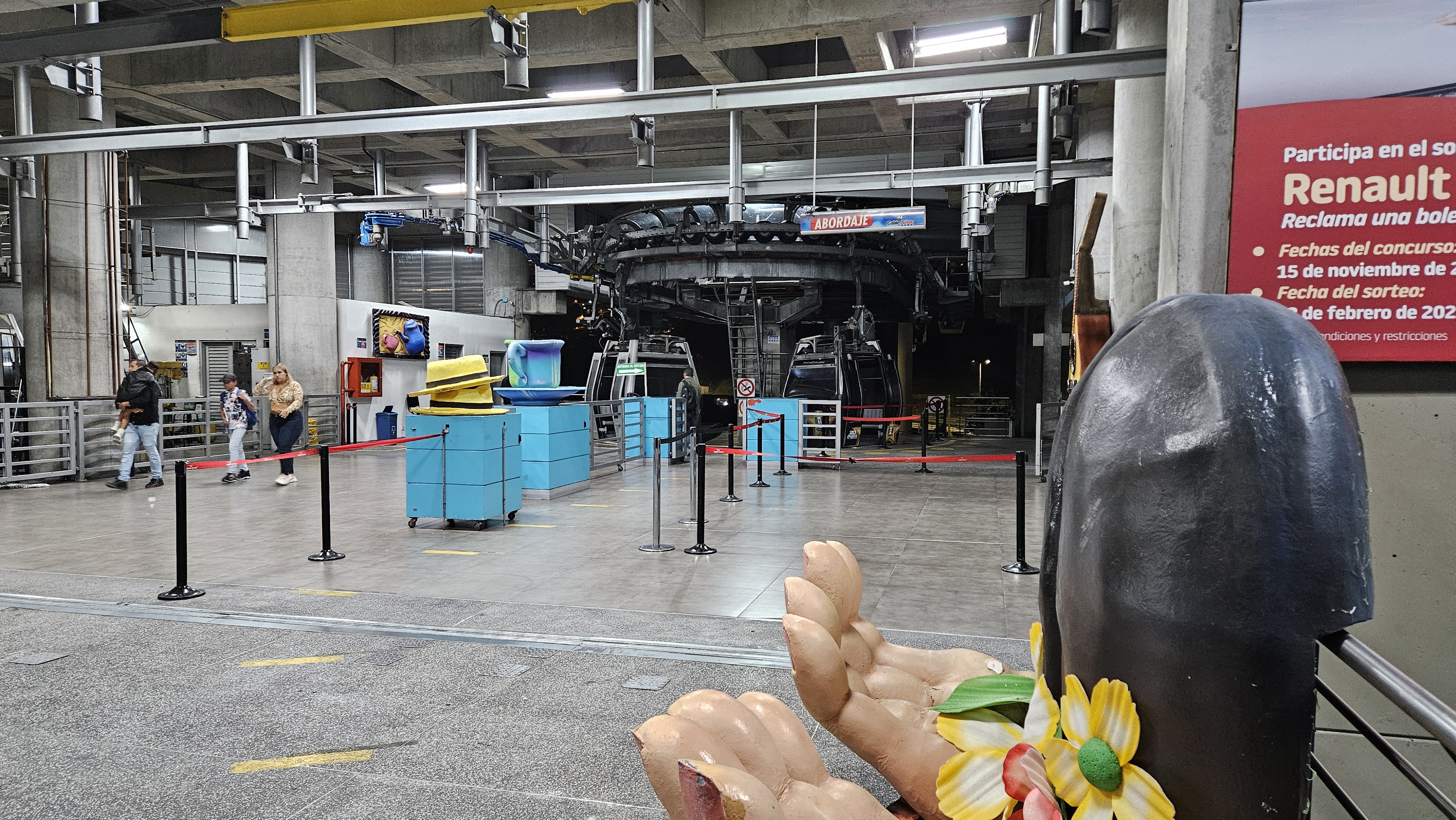
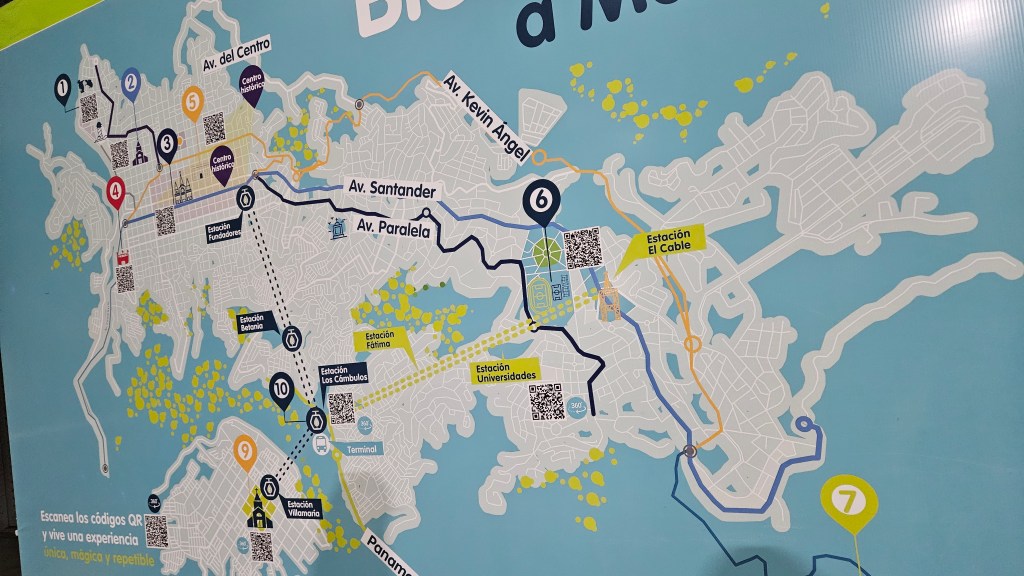
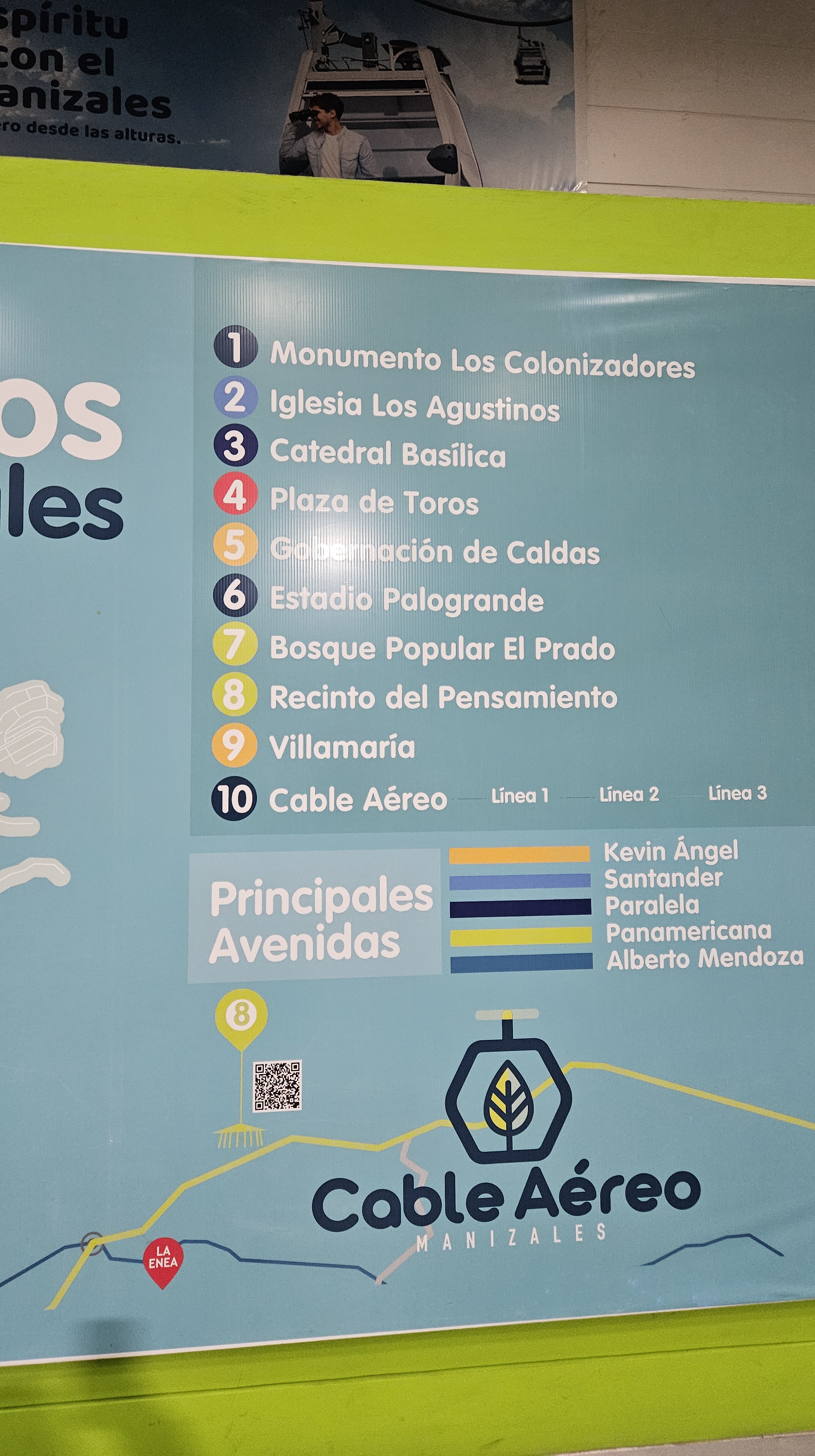
-Teleférico (cable cars): a bit limited, they can take you from one end of the city to the other, through the bus terminal or downtown. It’s great for the highlights of “touristing” – the views and the experience.
-Taxis – we didn’t have to rely too much on them since public transportation in the city passed often and was reliable. Still, they aren’t the most expensive option – we paid 14k to travel 9 km from the Bus station to our apartment.
Highlights: -El Bosque City Park
-Termales del Otoño and Acquaparque (just outside of the city)
-El Centro – the heart of the city
-Chipre – the best view of the city (when it isn’t cloudy)
-El Cable – limited but practical public transportation and a rush to see the city from above
-the architecture and cultural attractions
-the hospitality and politeness of the locals
Where to Stay
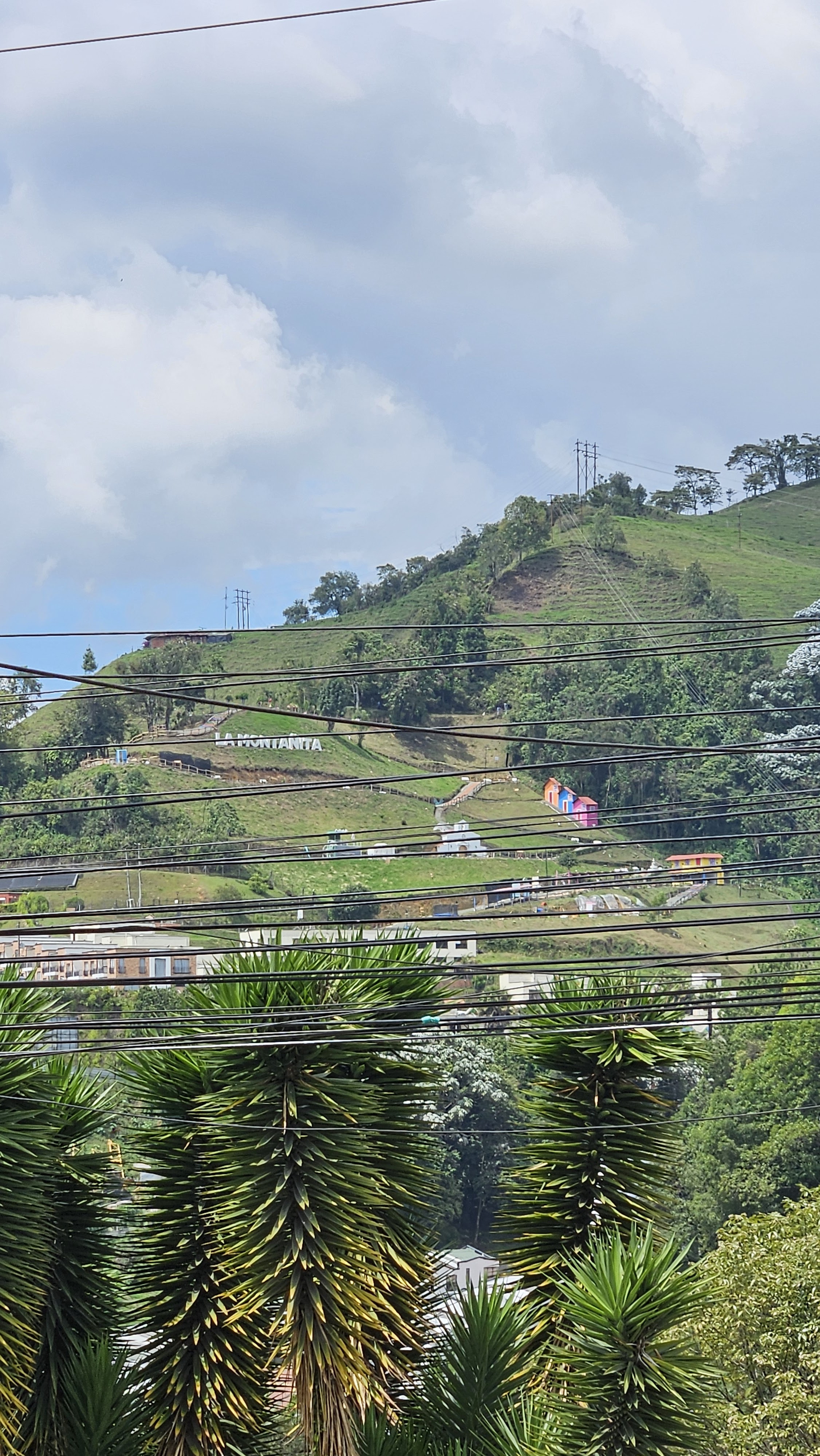
I’ve had the pleasure of staying in Manizales twice now. The first time was during a solo travel adventure in 2019. It was at the tail-end of my Semana Santa week-long vacation, so peace and comfort were my focus. That’s how I ended up staying in Lodge Paraíso Verde. Living up to its name, it was a green paradise surrounded by lush mountain vistas of the city’s northern outskirts.

That was a perfect introduction to this city. I remembered the hospitality of the workers at the lodge. They helped organize an affordable taxi ride to get to the other side of the city and go to Termales del Otoño. The taxi driver was so nice, I kept his contact and called him again when it was time to go back to the bus terminal.

This time, Carin and I knew that we wanted to go to the hot springs. The first time, I wasn’t aware of “termalismo” or hot springs tourism, nor had I ever heard of the termales in Manizales, so the recommendation led to a revelation. Carin and I had been working hard and traveling harder; thus, our objective was to explore, get in touch with nature, and relax at some point while doing it. What better way than hot springs?

Since our goal was clear, when looking at booking options, we picked out something to the south of the city. Little did we know, we were uncovering a gem a casual tourist may not consider. La Enea is a residential neighborhood surrounded by serene trees and mountains. Being that it’s so suburban, we also found the accommodations less expensive. We spent about $76 usd (319,200 cop) to stay 3 nights in a 3-bedroom apartment. We needed good internet and our own spaces to work, which “el acogedor apartamento La Nubia” provided.

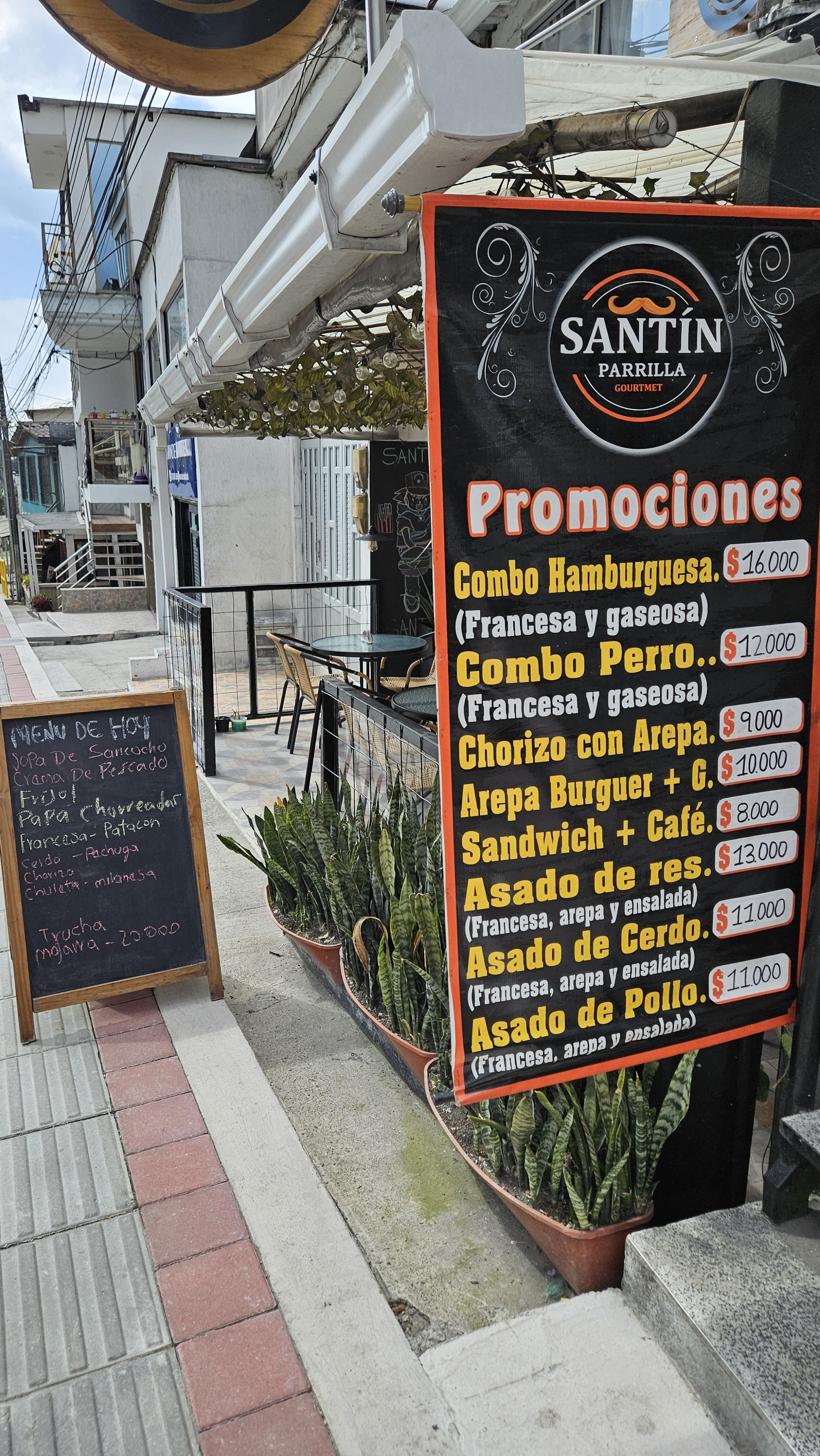
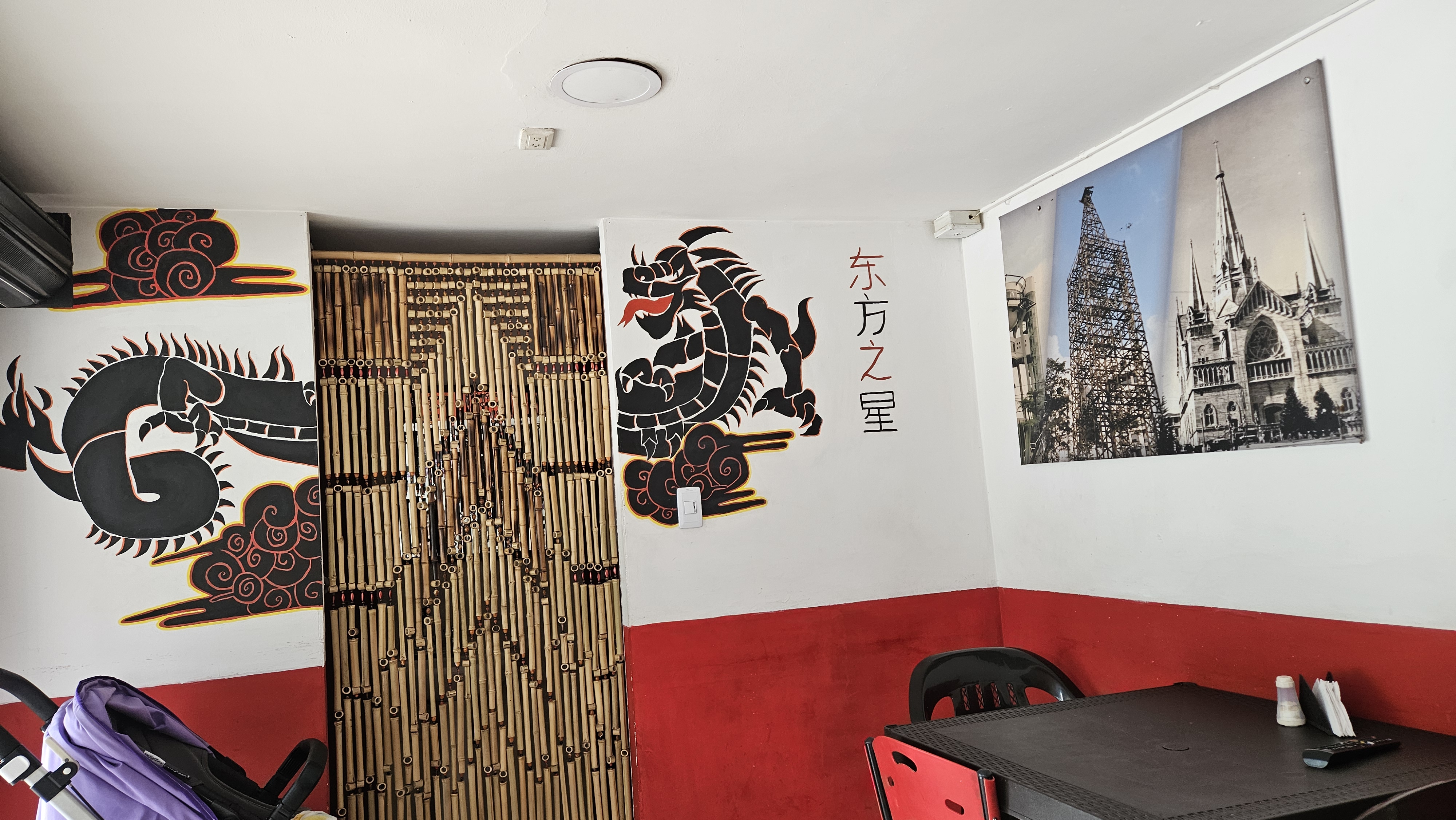
We were walking distance from a plethora of shops and local dining options (mostly standard fare: bakeries, fast food joints, delicious arepa stands, with a few niche options like (Colombian style) Chinese food and a rock bar).
That first day, I needed to work, so Carin set out and explored for the both of us. She discovered that the city was extremely walkable, even reminding her of Germany in the way city crosswalks are set up. While out, she was “adopted” by a local family that offered to take a picture of – and then with – her. Her first impressions: friendly, clean, safe, and organized!

Getting Around

While out and about, the locals were happy to answer our questions or point us in the right direction. The few times we got disoriented, we were directed by a local to look for the Gran Caldas bus. They explained that on the sign posted in the window we would see which direction it was headed – either out of the city towards the springs or towards the cable cars and the city center.

One of the first things we found out was that there was no need to waste money on taxis in Manizales. The local buses, particularly the Gran Caldas, have routes that connect the city from the center outward. That’s how we were able to save money on transport. Traffic also was nowhere near as bad as in crowded cities like Bogota and even Medellin at peak hours. The bus got us around pretty quickly and efficiently.

We could even use it to get across the highway to the forest that caught our eye on the taxi ride to our apartment. Of course, Carin found out firsthand that walking there was not a problem either. In fact, it was just as straightforward as asking a bus driver where to get off. The foot bridge over the highway was easy to reach and cross, and then it was all uphill from there. The Bosque Popular El Prado was the perfect break from a long day of lessons.
We took the bus to get to the Termales del Otoño hotel and after that to go back into town. We only needed to stay on that same bus till we reached the downtown cable station, Fundadores.

There, you can take the cable car for just $2,900 pesos per trip. I’ll be honest: we did this at night and while it was worth the experience, I was petrified. The distance covered by the hanging gondolas is long, the boxes seat about 6 people, and at one point, the line stopped with alarms sounding. Thank God we weren’t suspended in the middle of the cable, but can you imagine? It would have been better if I had done it in daylight like Carin had when she went out alone, but after an amazing 3rd day, I didn’t want to skip it (even if dangling in the sky makes my stomach drop).

Highlights and Attractions: Termalismo

Once I recovered from the ride (the next day), I was ready to explore!

Manizales combines all of the things I love about Colombian Coffee Country: friendly, helpful locals, clean, organized cities surrounded by idyllic towns, lush greenery, perfect temperatures, and natural wonders. Manizales itself is the most peaceful capital city. It’s another world compared to the hot, chaotic coastal cities like Santa Marta, Riohacha, and Cartagena. In my opinion, it’s a city that doesn’t get enough credit – and perhaps that lends to its appeal.

However, we weren’t traveling just to explore the city. Our aim was to enjoy the scenery, take hikes, and then soak in the hot springs. This sort of tourism has a name in Spanish: termalismo. If you look up the different tourist attractions in the area, it even has its own category: Hot springs tourism.

On the Manizales tourism website and app (https://visitmanizales.com/que-hacer-en-manizales/termalismo/), we discovered there were 3 main destinations under the “termalismo” category (not including Termales del Ruiz, located closer to the national park than to the city of Manizales). We also found out that the website – a smart resource, in theory – was not exactly up to date. This post can hopefully shed some light on what to expect if you are looking for hot springs in Manizales.

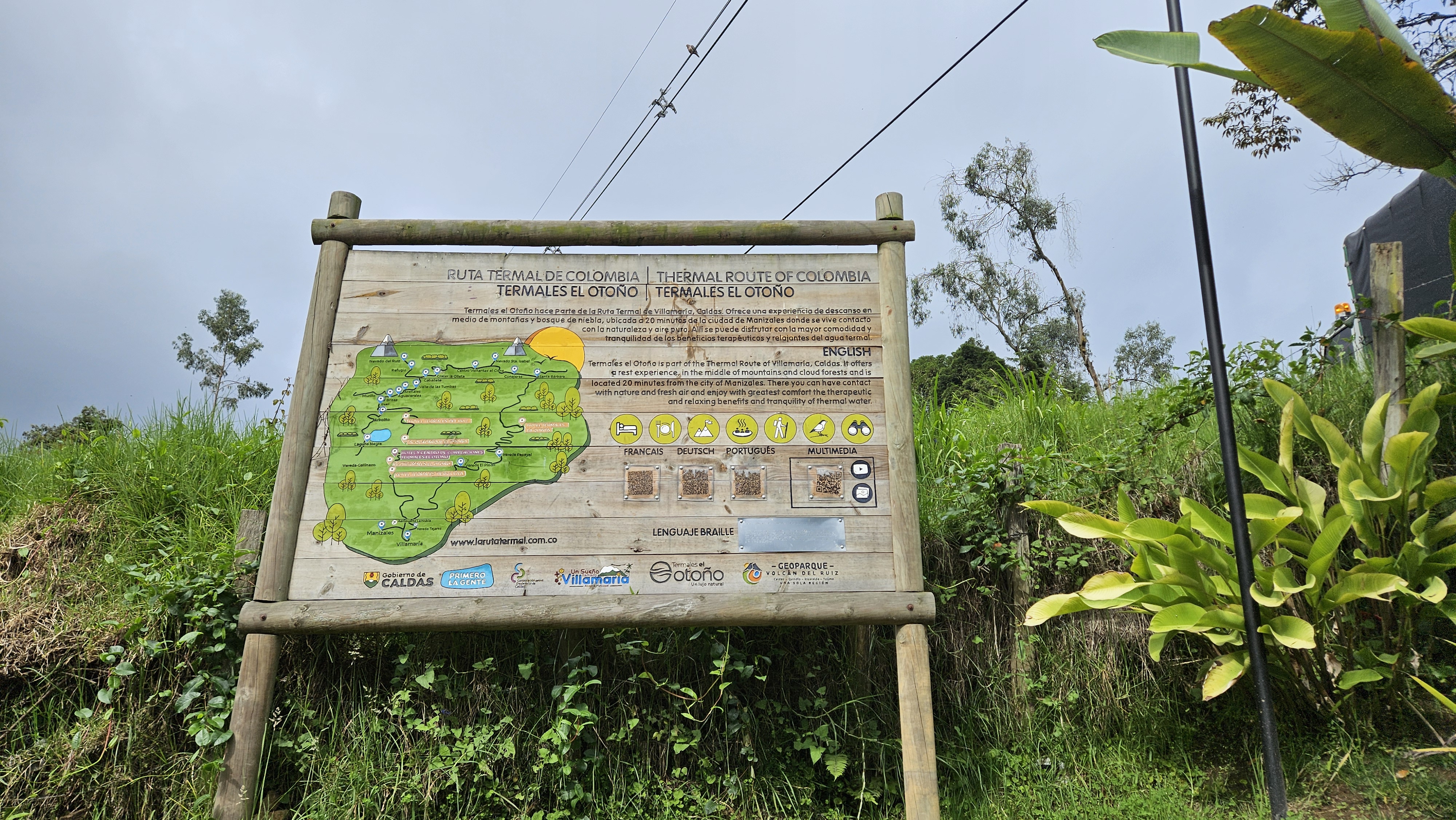
We took the Gran Caldas down the via a Gallinazo. Its last stop left us just outside of the Termales del Otoño hotel. Coincidentally, the hotel and its three pools were closed for a private event that day. That part was the only one I had visited in 2019. The day pass is cheap, but the luxurious hotel is quite pricey. There were still two other options to visit hot springs connected to el Otoño.

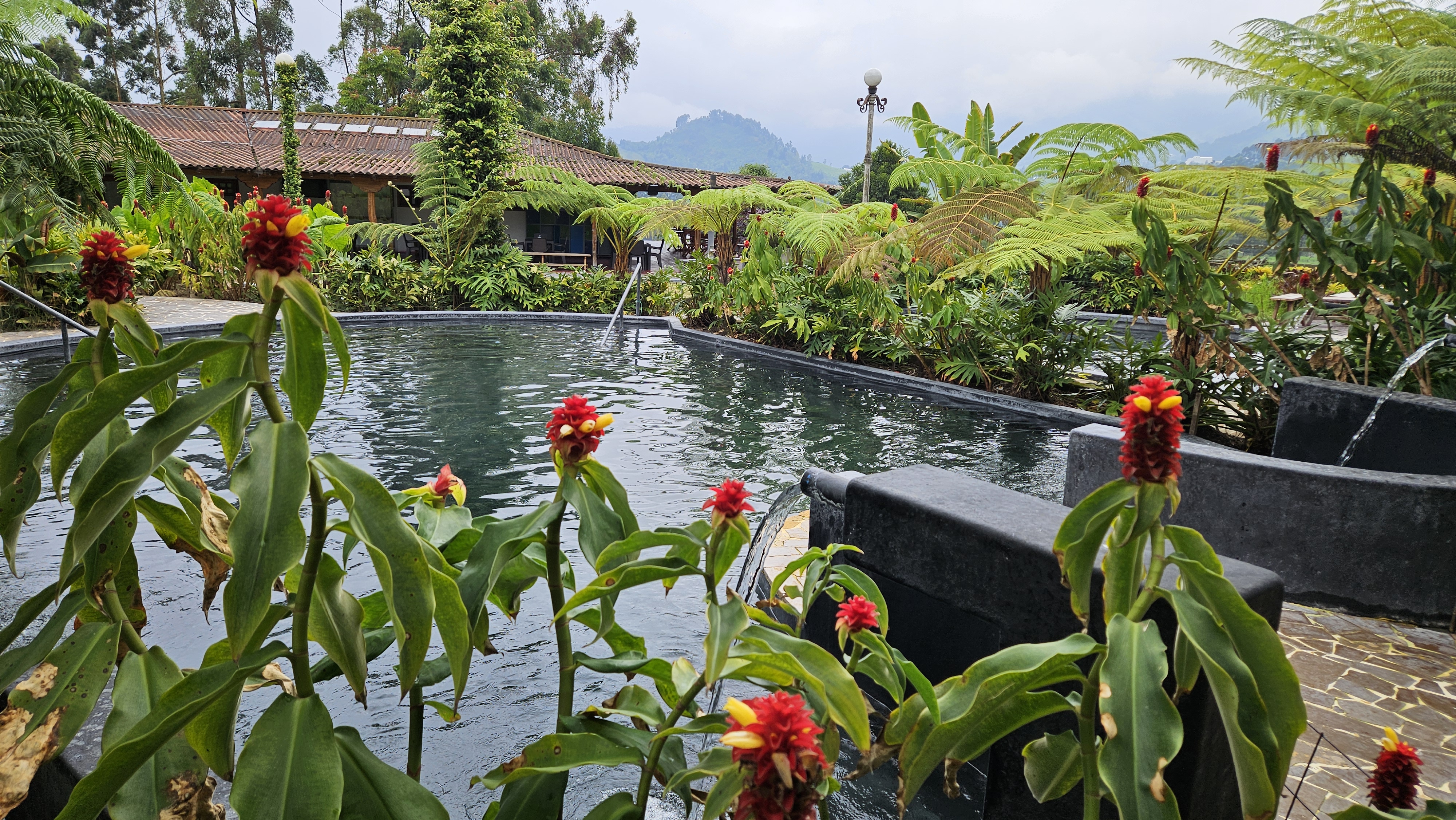
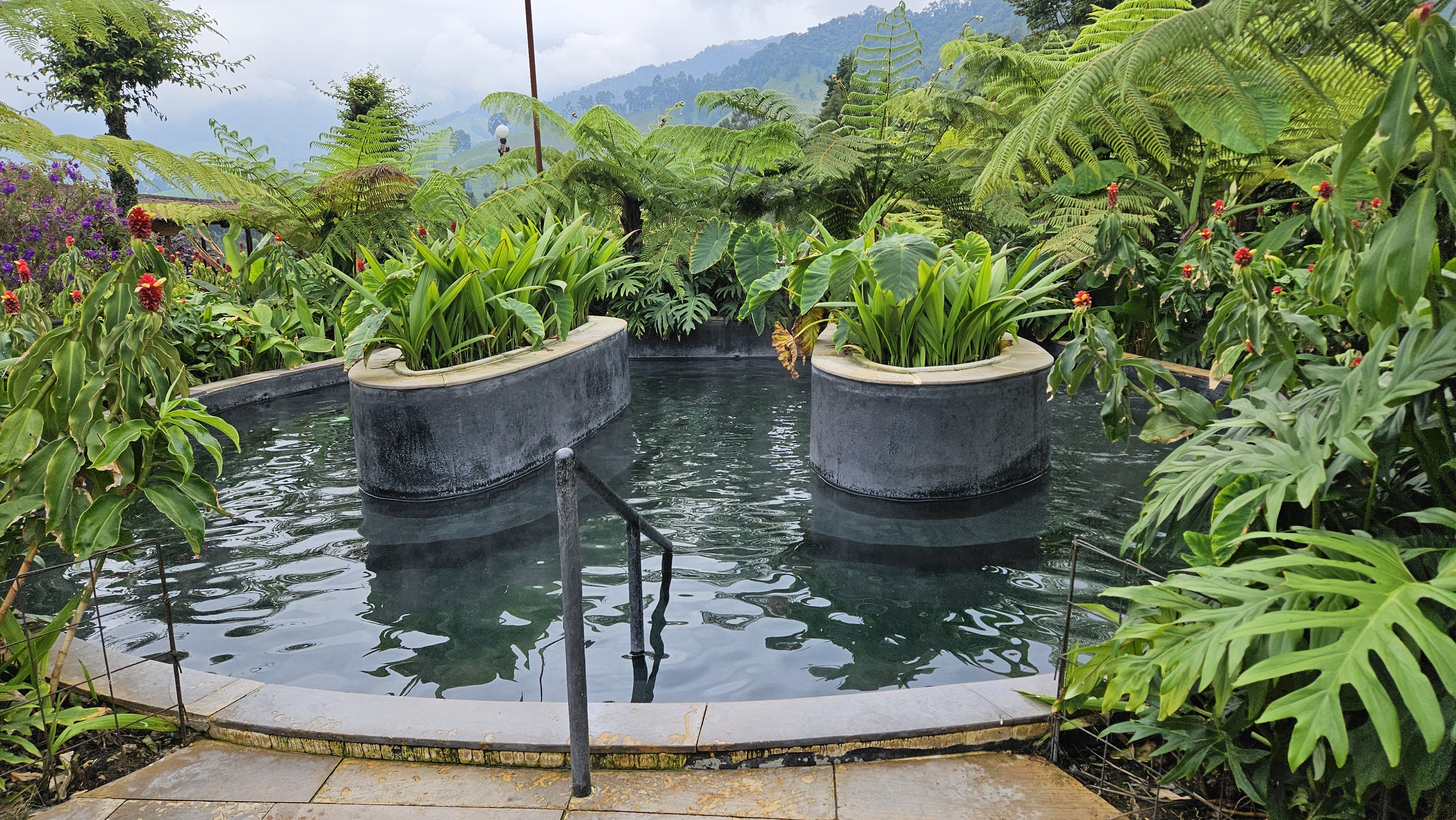
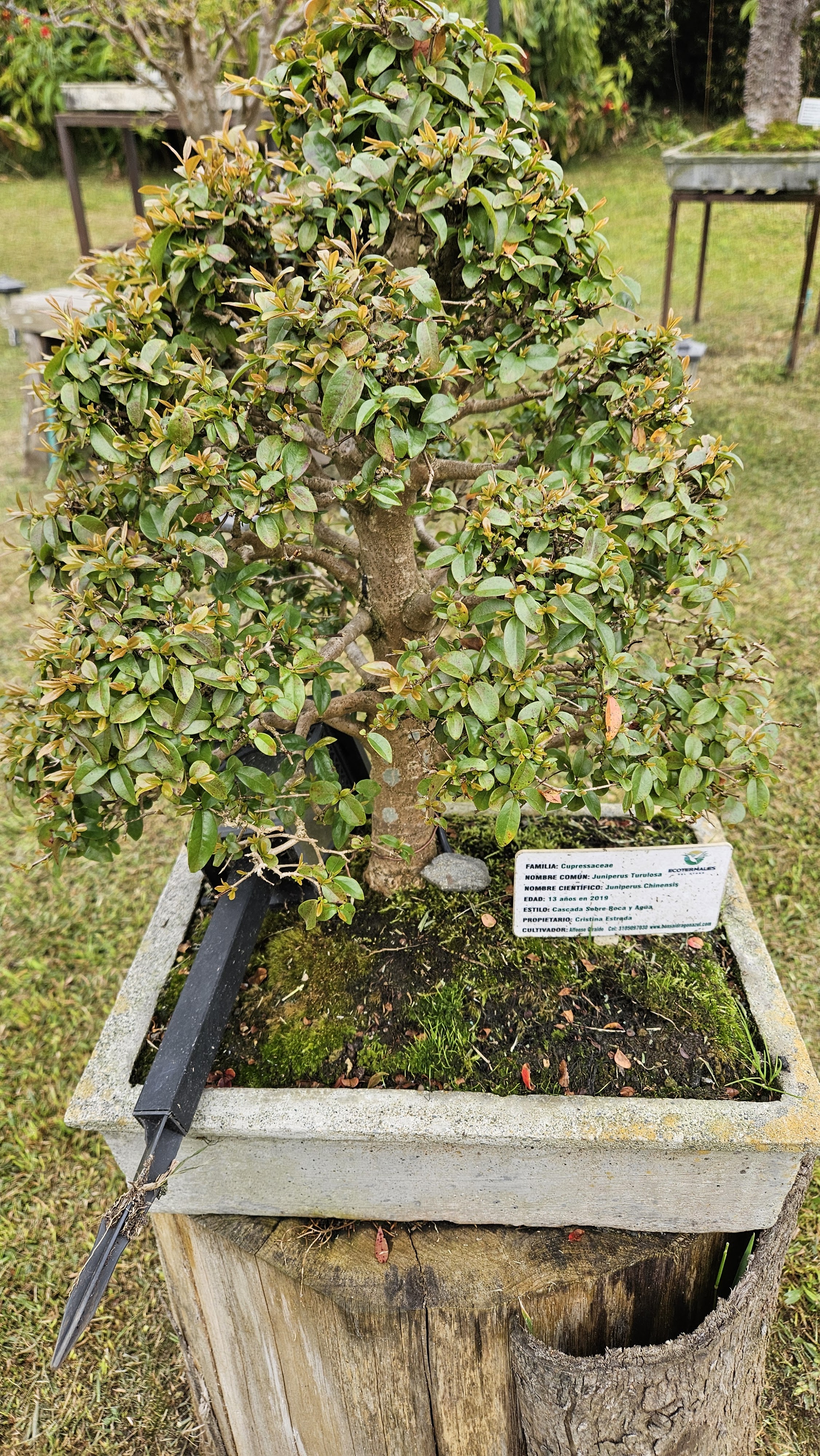
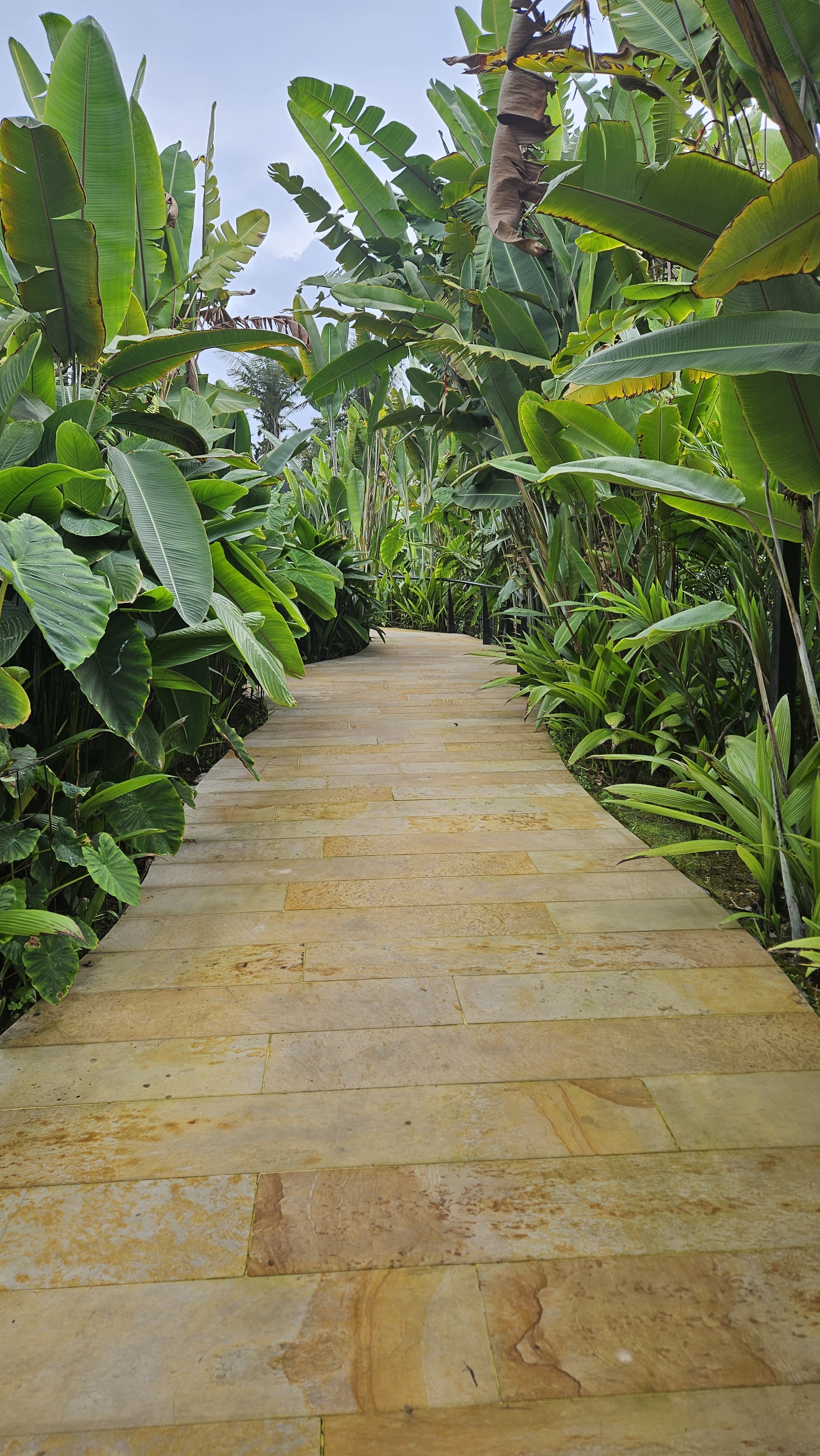
The first was the Ecotermales, a zen garden surrounding relaxing pools. There you can order food at the restaurant or even book a massage with the spa. The garden is teeming with flowers attracting hummingbirds and other colorful feathered friends. Although we were there before the official opening time, the kind attendants allowed us to enter and look around. We took full advantage, snapping pictures of the beautiful pools, the bonsai garden, the decorations. Still, this was all you could do there. There was no hike, contrary to what the website lists. It was better for rest and relaxation, and we wanted a little adventure. We ultimately decided that we would consider coming back after visiting the water park.
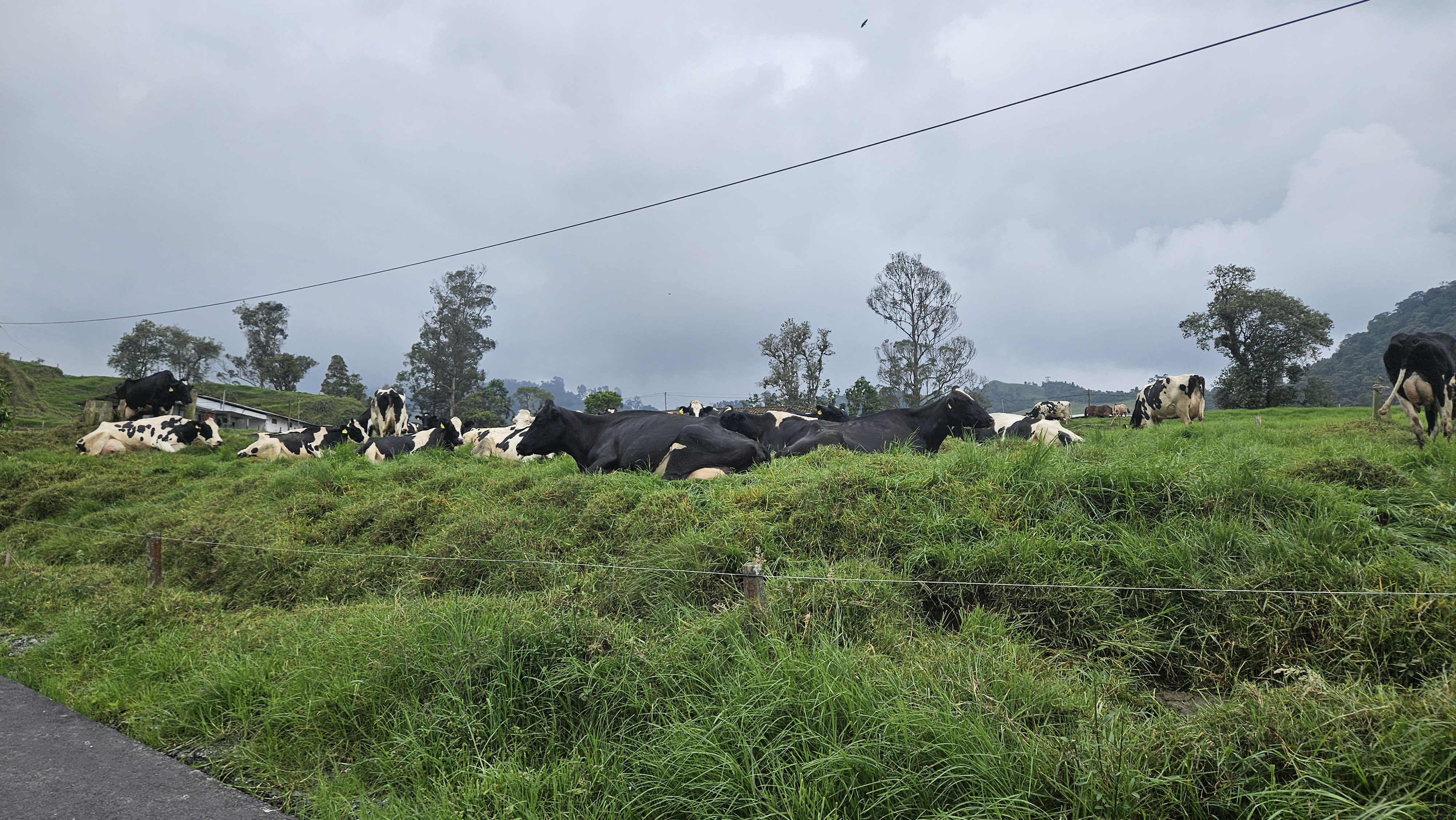
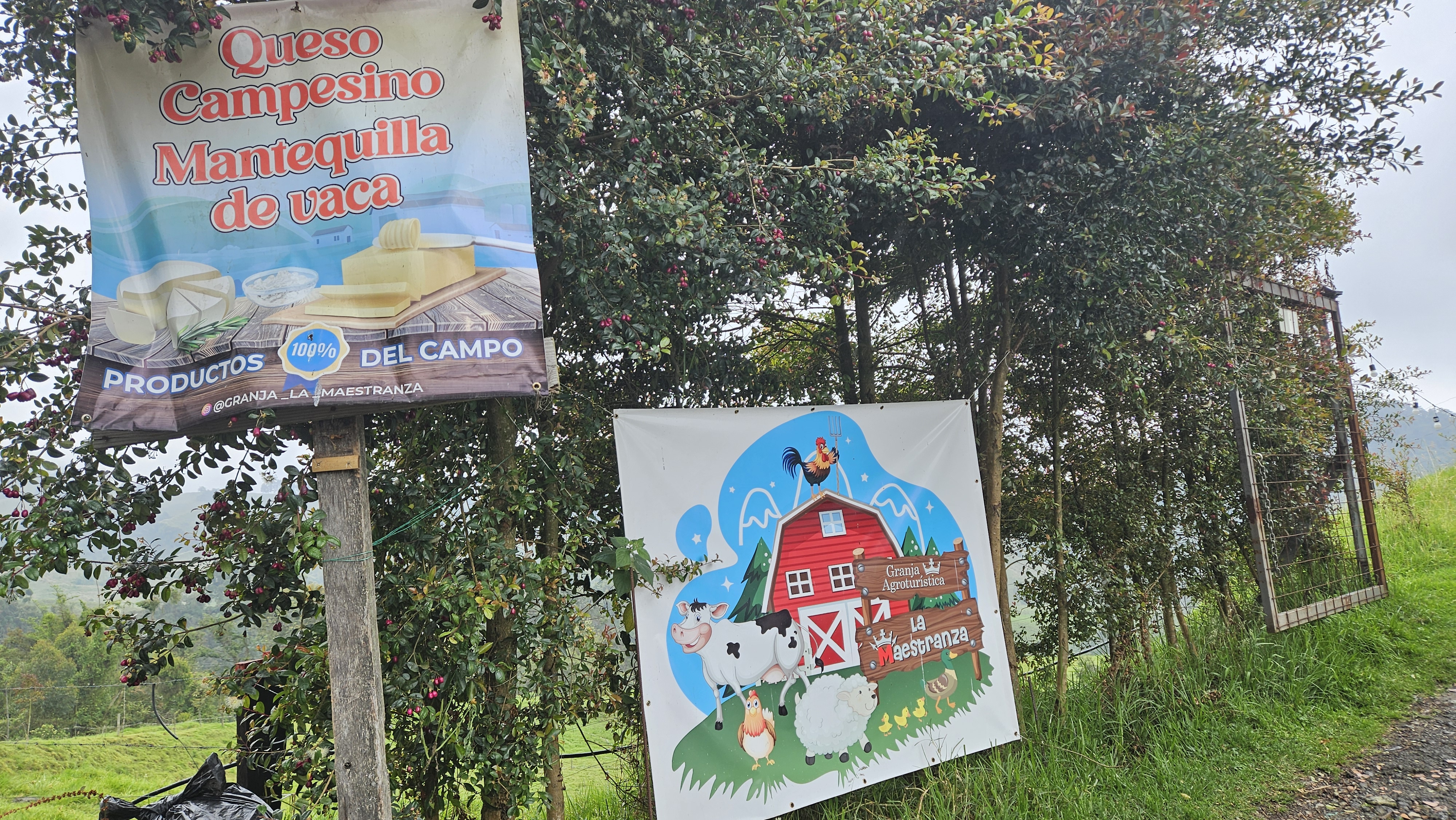
The Ecotermales people told us that we would either need to get a taxi or walk to the Acquaparque. We wanted a hike, so we went for it. The 30-minute hike did not disappoint with its views. We passed Finca Guayabito and felt like we were in Wisconsin, surrounded by dairy cows. On the way back from the park, we given a ride by the shuttle driver working for the hotel. He affirmed the impressive investment needed to have dairy cows in Colombia. The land was rich and owned by someone even richer. Outside of the park, across the road you could buy cheese and butter produced by that investment.
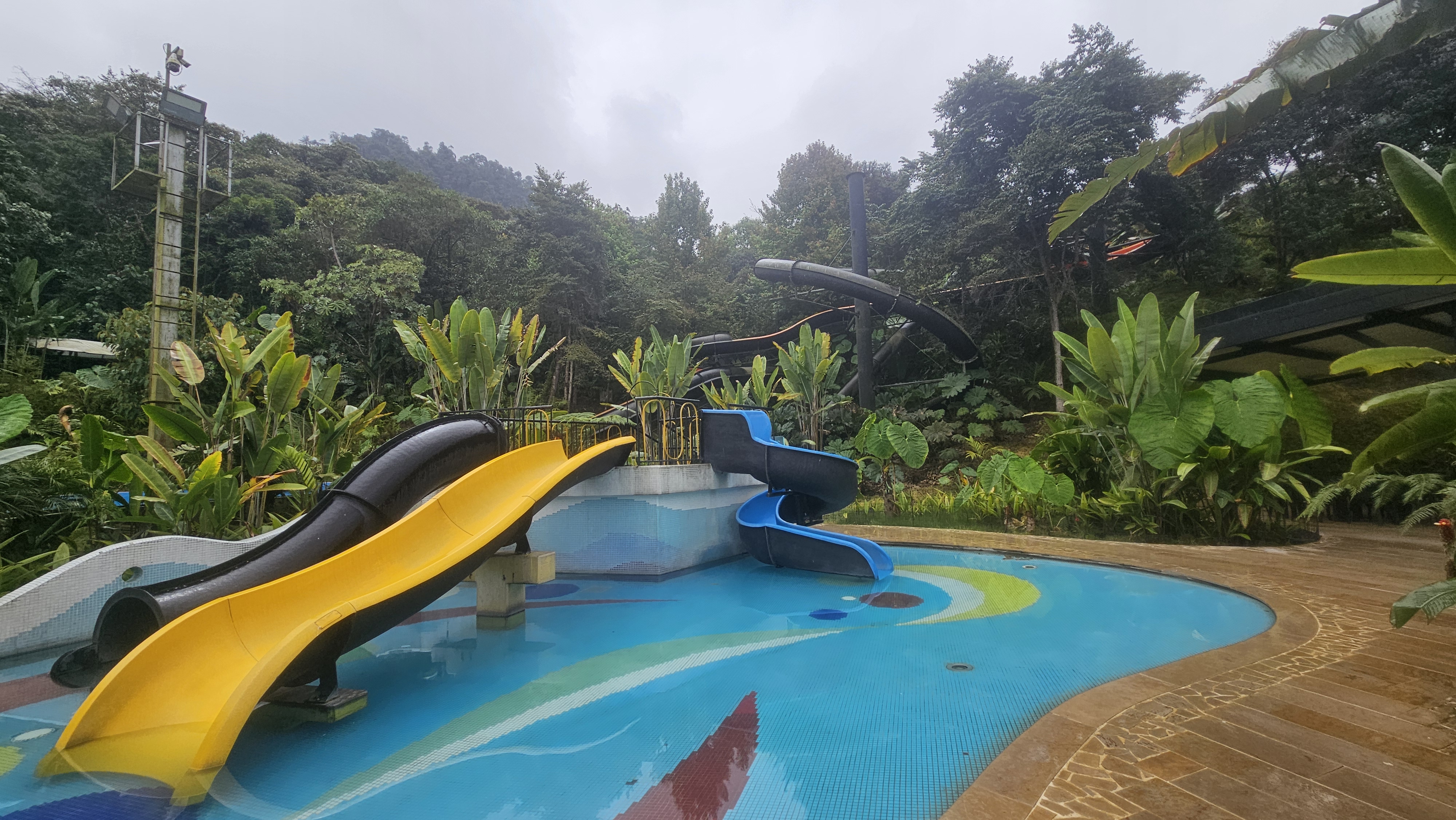
After hiking up some hills (just the workout we were looking for), we found the parking lot near the top. We were greeted by a friendly black and white kitty. Because it was Saturday, we had to pay 10k more than the usual price (60k instead of 50k – still only $14 USD). On the plus side, on the weekends it opens earlier; during the week, doors open at 12 pm. It worked out perfectly.

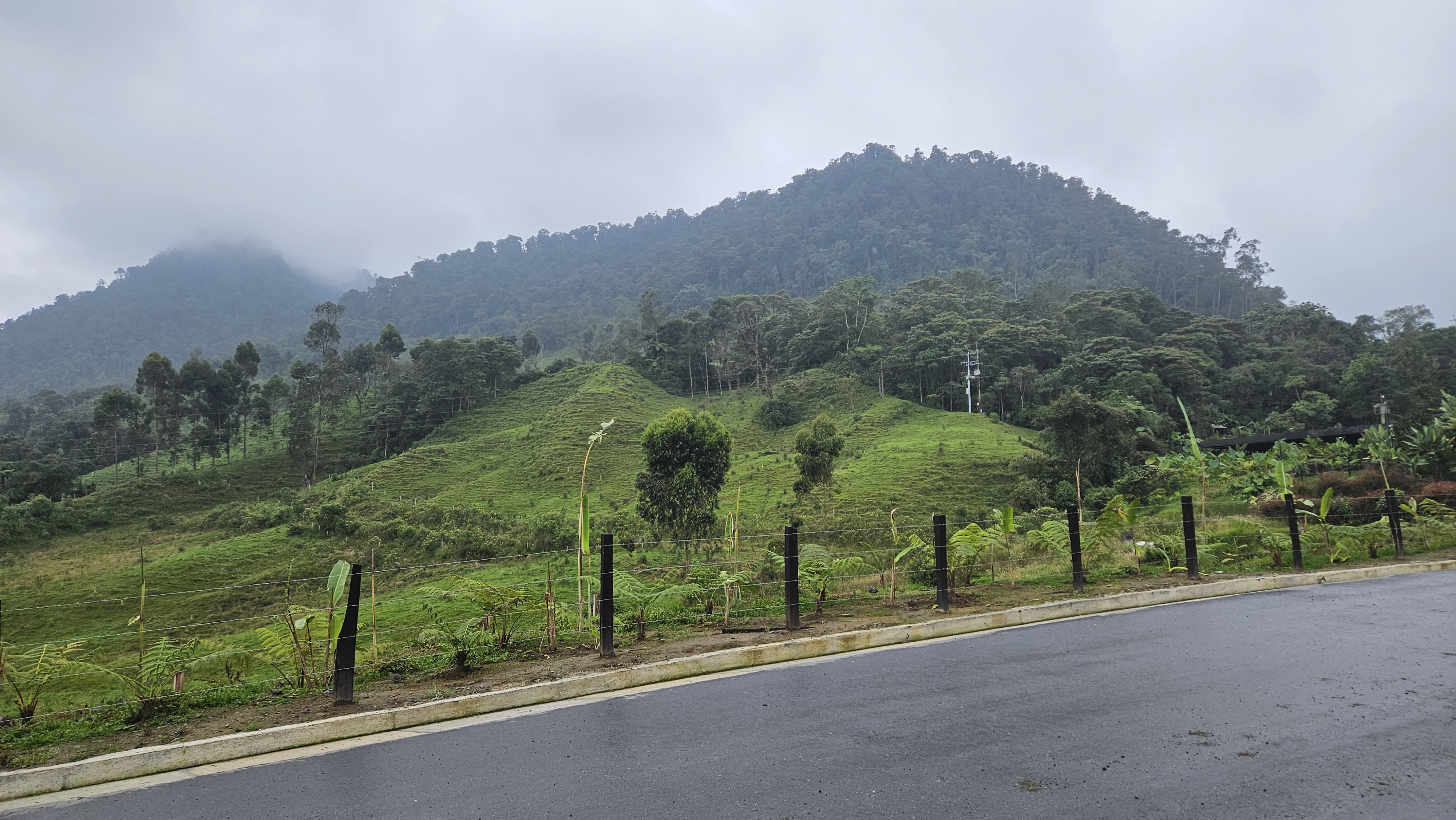
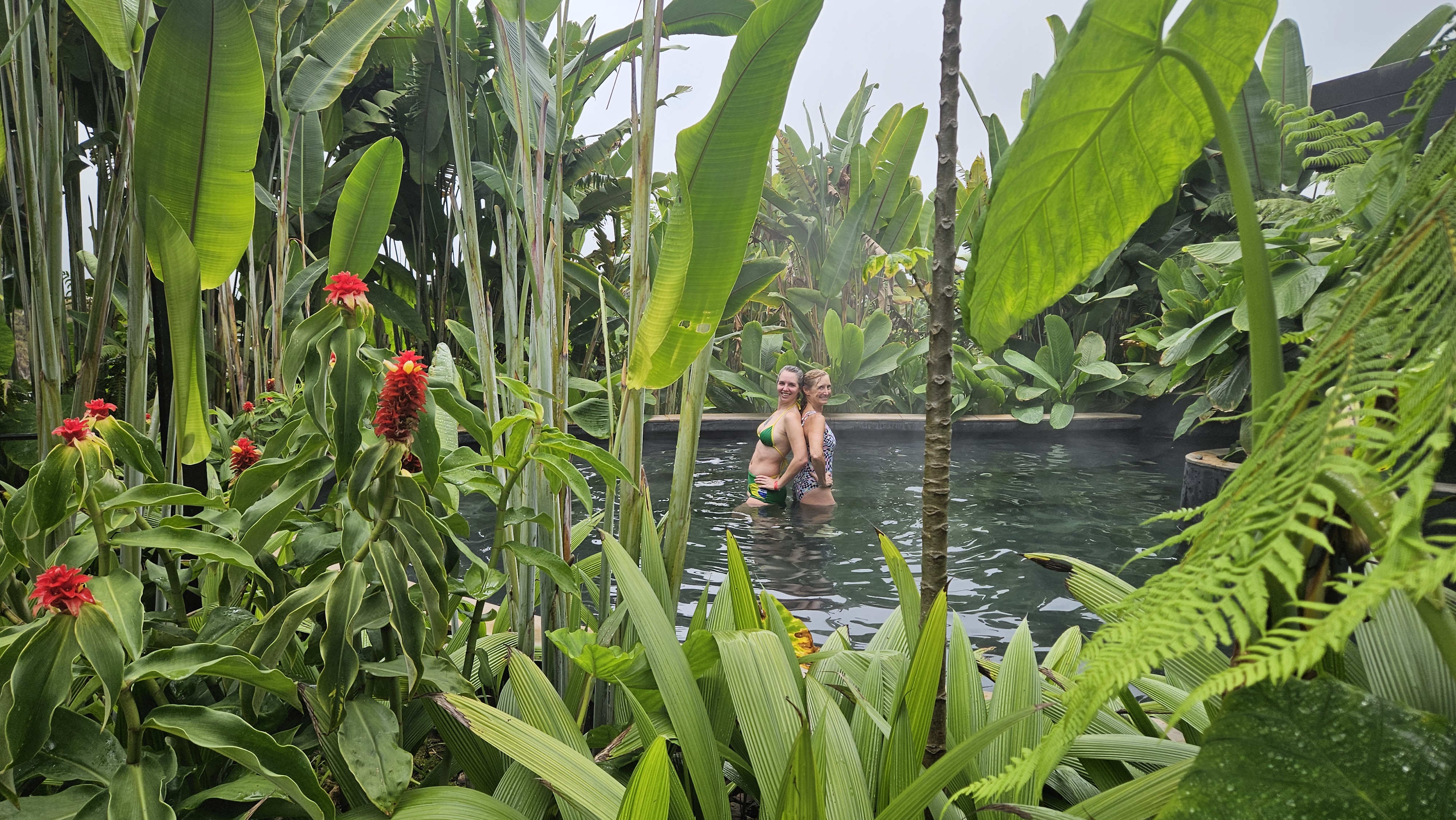
The park is shrouded in mist and overtaken by vivid vegetation. The information on the Manizales website painted a different picture. Clearly outdated, the price listed is about half the actual price. Many years have passed since the post was made showing a bare, open, somehow brighter version of the park. Its current version is better, more exotic, and the awnings are a practical addition considering the frequent rains.

I tried out one of the three slides. It was hard to work up the courage for several reasons: I didn’t have flip flops, for one thing. That made getting up the hill on the mossy walkway difficult. Getting up there was hard enough, but then psyching myself up to get in the icy waters (yes, the slides waters are not from the springs) was another challenge. I got a lot a water up my nose as I rushed down. It was fun, but getting up there to do it two more times was too much to ask.

We were also informed that the eco-trail was closed. Though the hike up the road had been nice, we were disappointed. Apparently the unseasonably heavy rains had done some damage and made it too dangerous for hiking. Oh well, if we ever go back, we will have something left to experience.
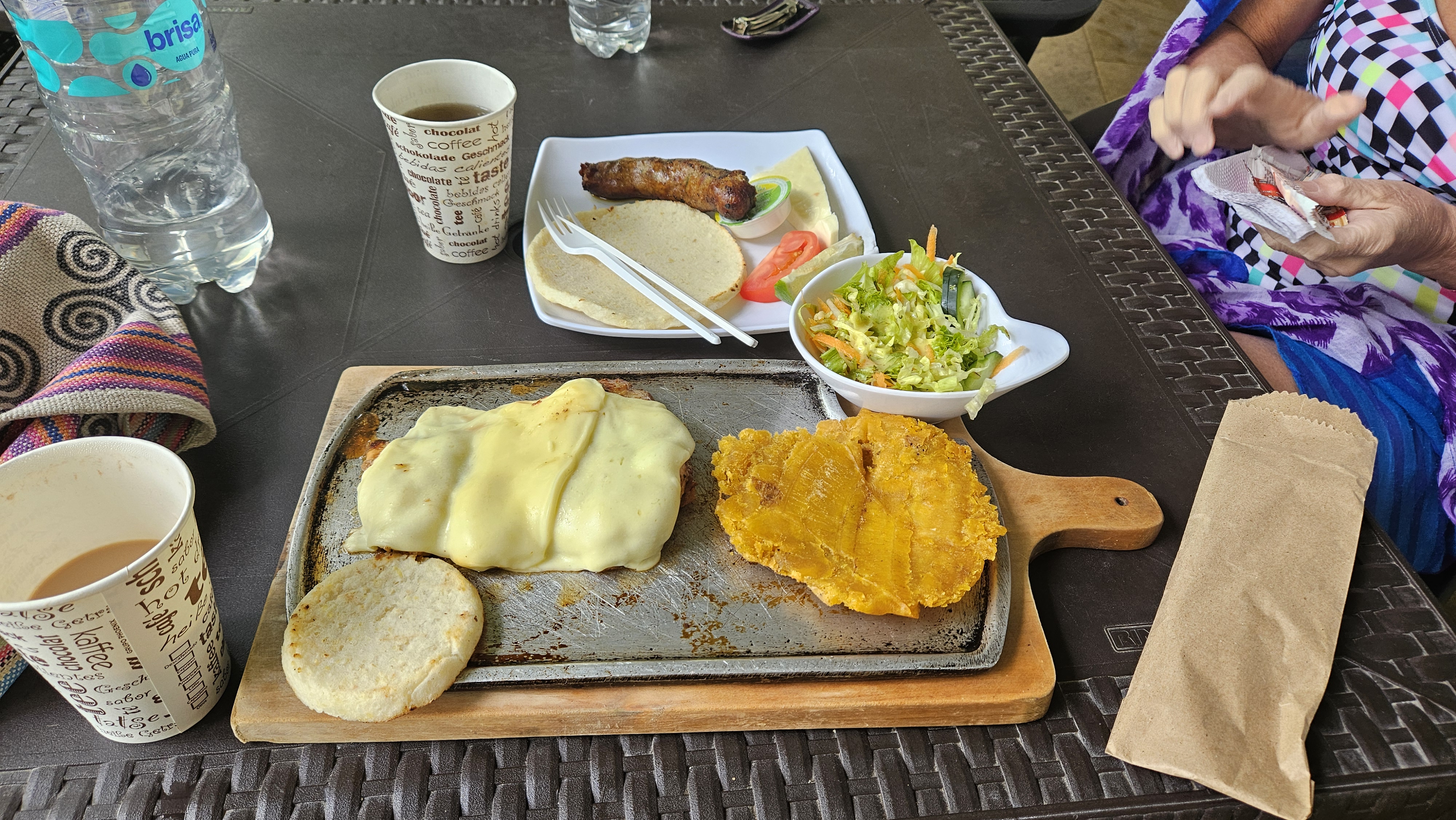
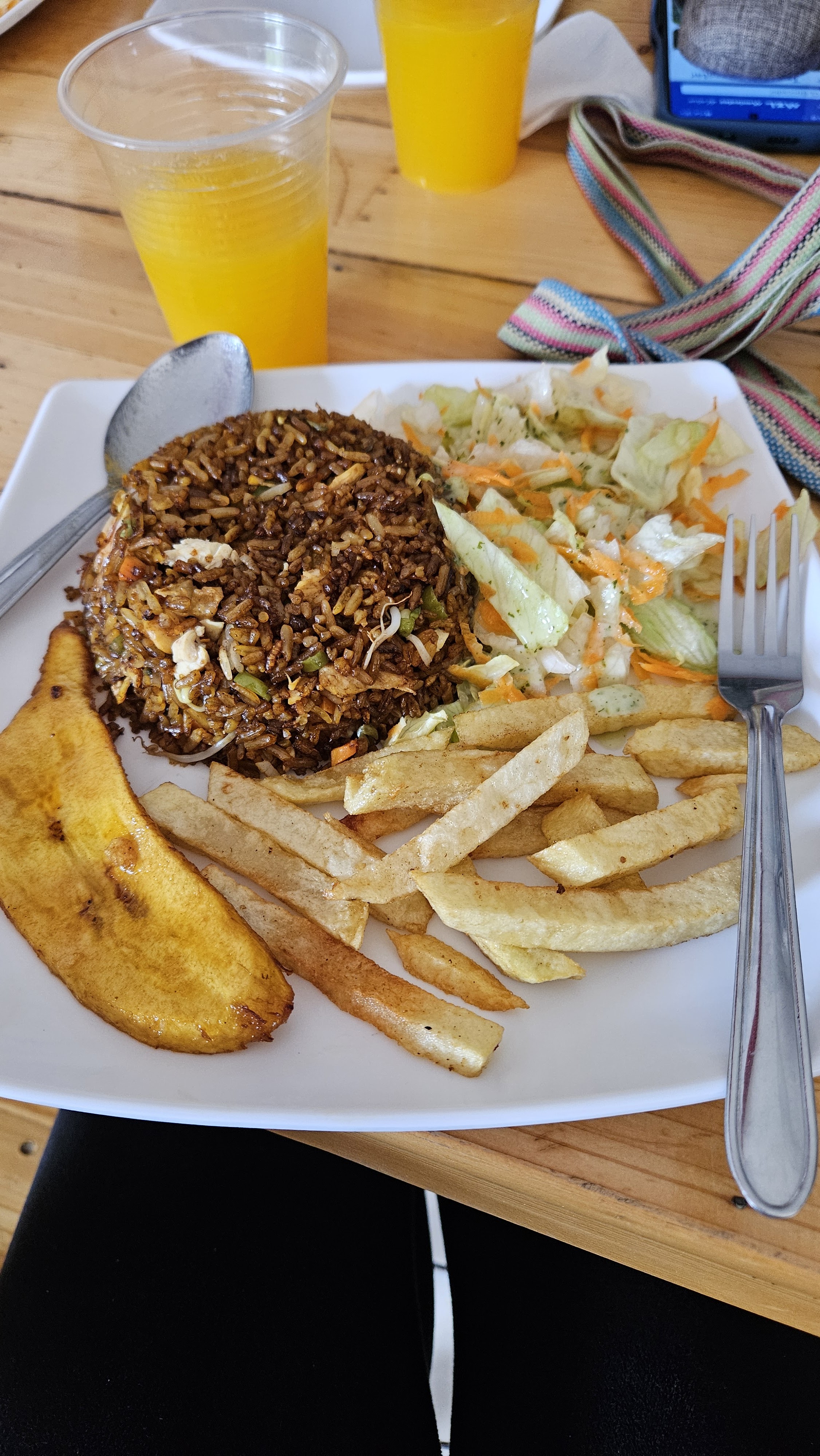
All in all, we had a relaxing day. At lunchtime, the menu had plenty to choose from. Carin went for the traditional agua de panela (brown sugar cane infused water) with an arepa, chorizo, and cheese. I went for something a little pricier, patacon and Neapolitan-style chicken with an arepa and salad and hot chocolate. The drinks helped us warm up. The cold rain had made it hard for us to get out of the pools.

We mostly lounged in the warm waters and made new friends. After our lunch, we got back in to get some tasty cocktails at the wet bar. We floated from pool to pool lazily, enjoying the contrast of cold raindrops and steamy water.

Once the weather had cleared up, we decided it was time to get back to Manizales. We had to make the most of our last full day in the city. Resting in the water had recharged our batteries, so no need to go back to the ecotermales. Our skin and hair felt super soft, our hands pruny from the hours spent in the hot springs. What a refreshing experience! With the shuttle, we got back to the hotel in a few minutes. We jumped straight on the Gran Calda bus headed back into the city to spend the afternoon and evening exploring.

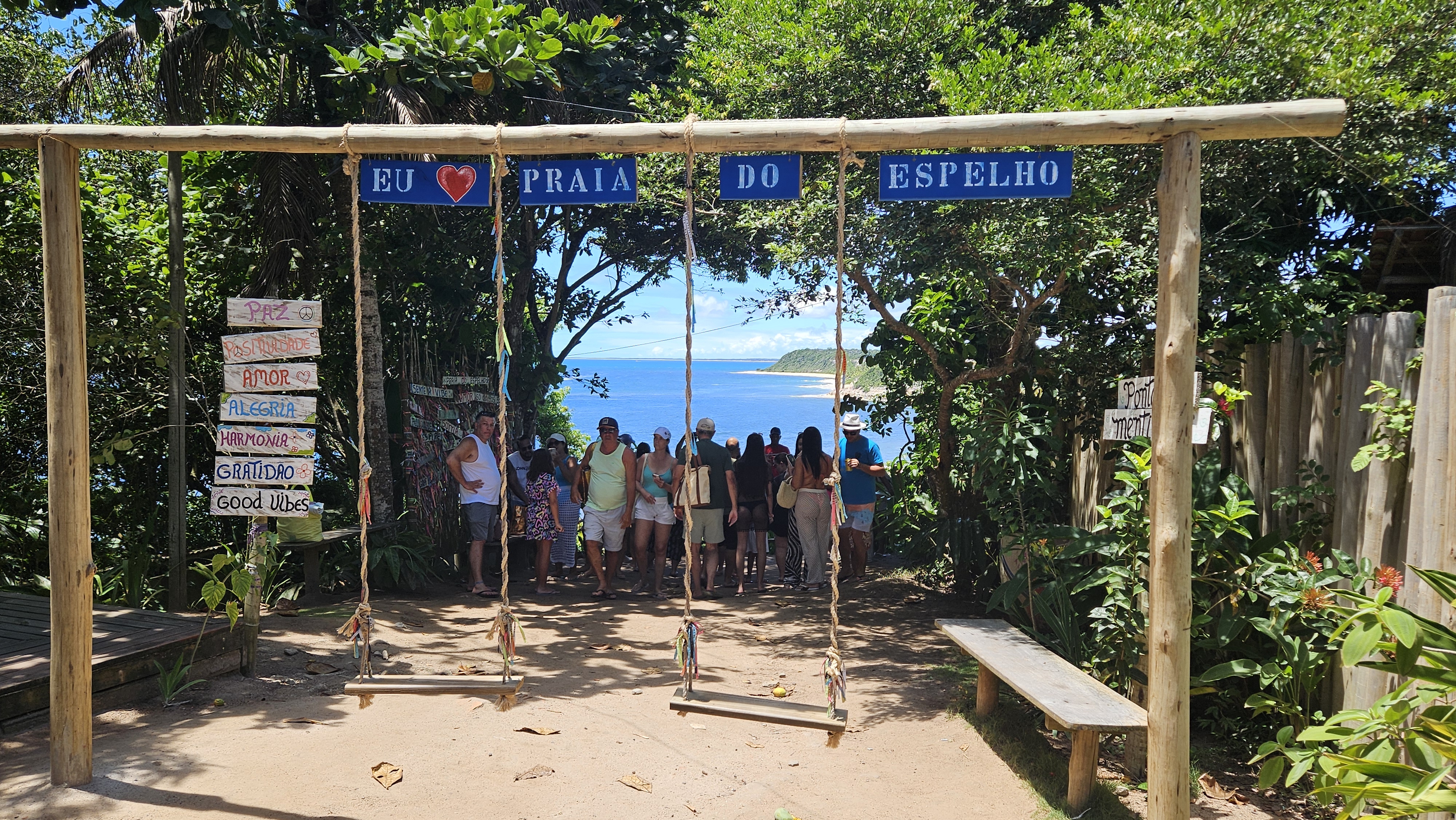
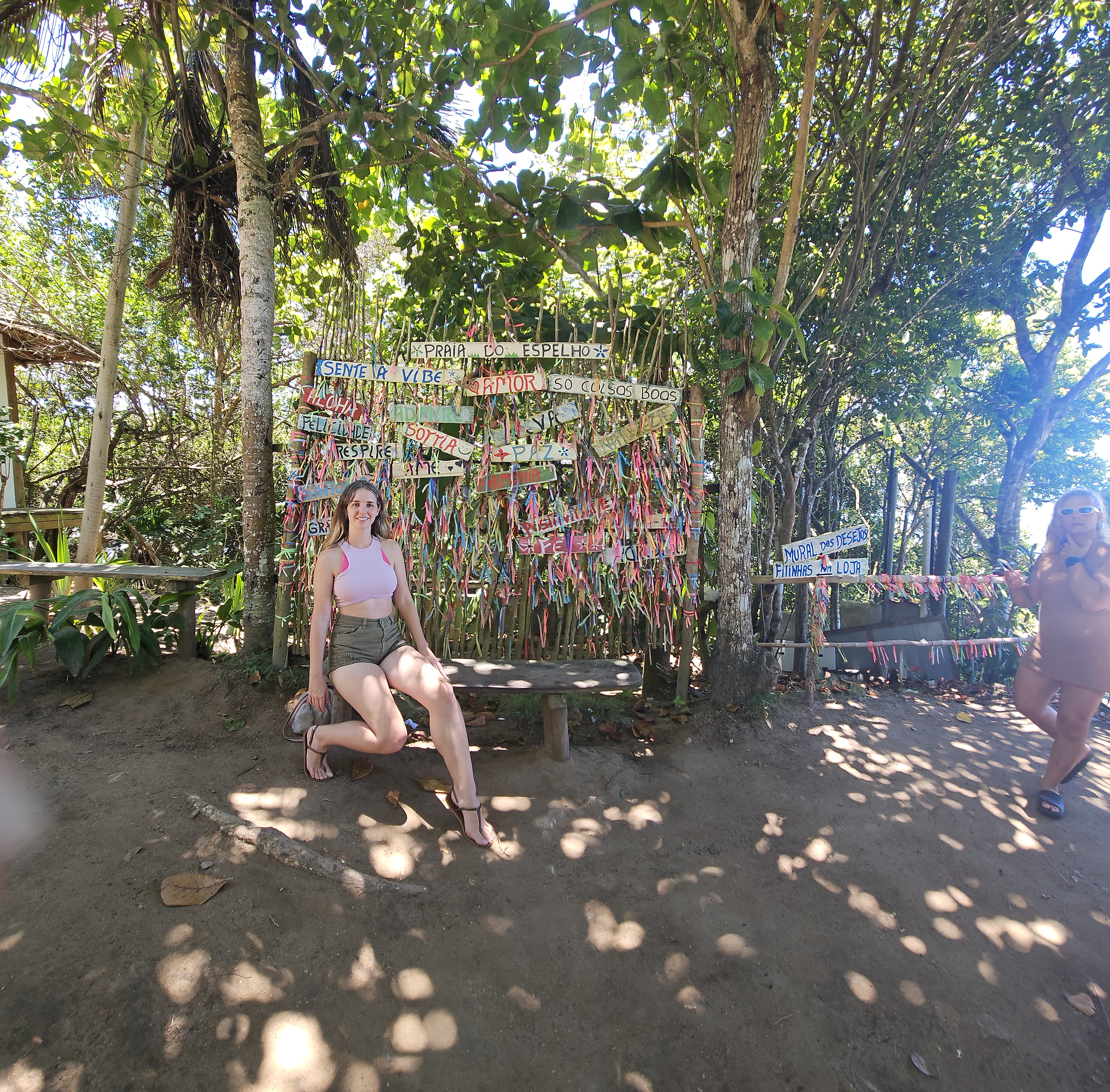
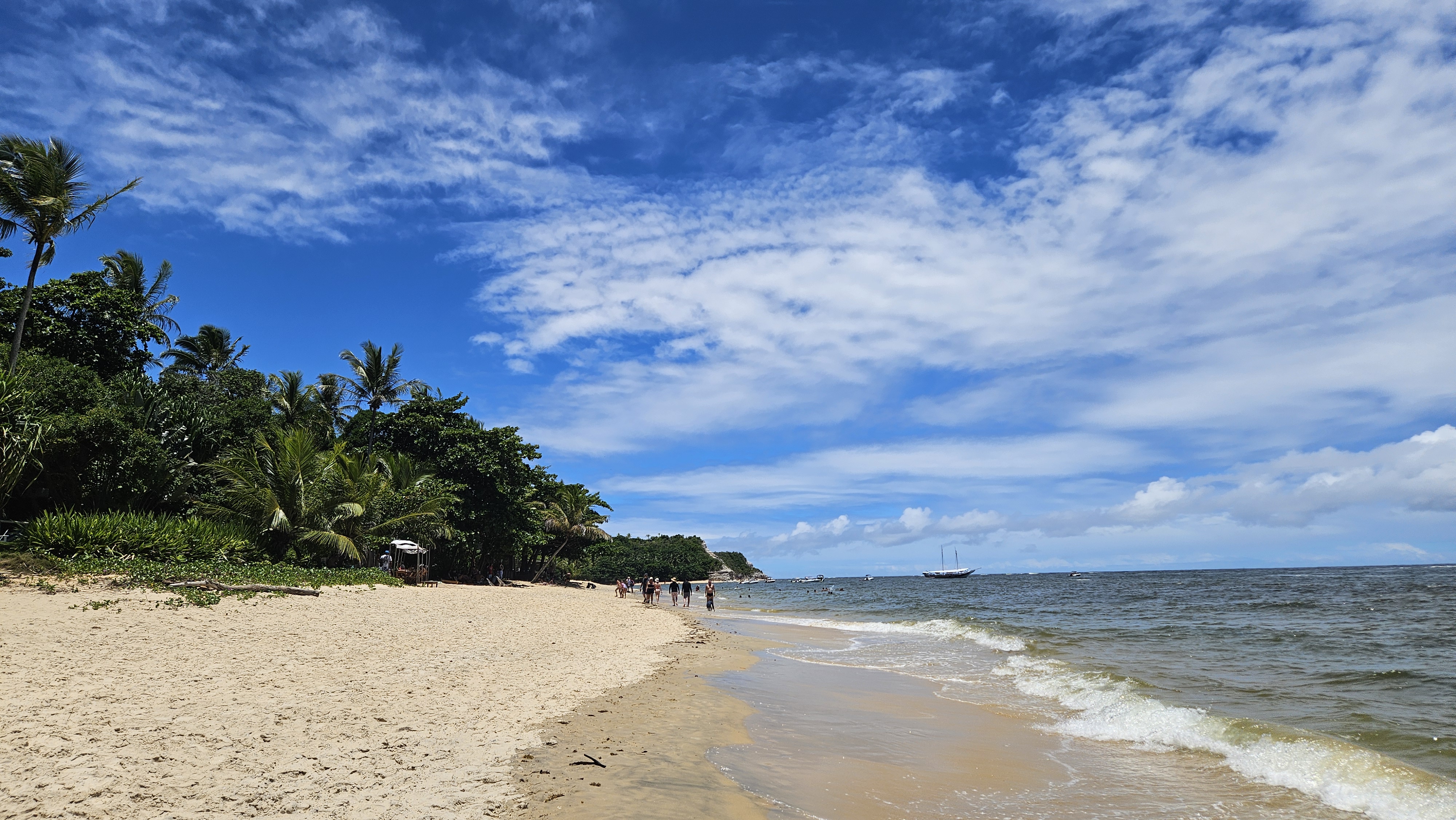
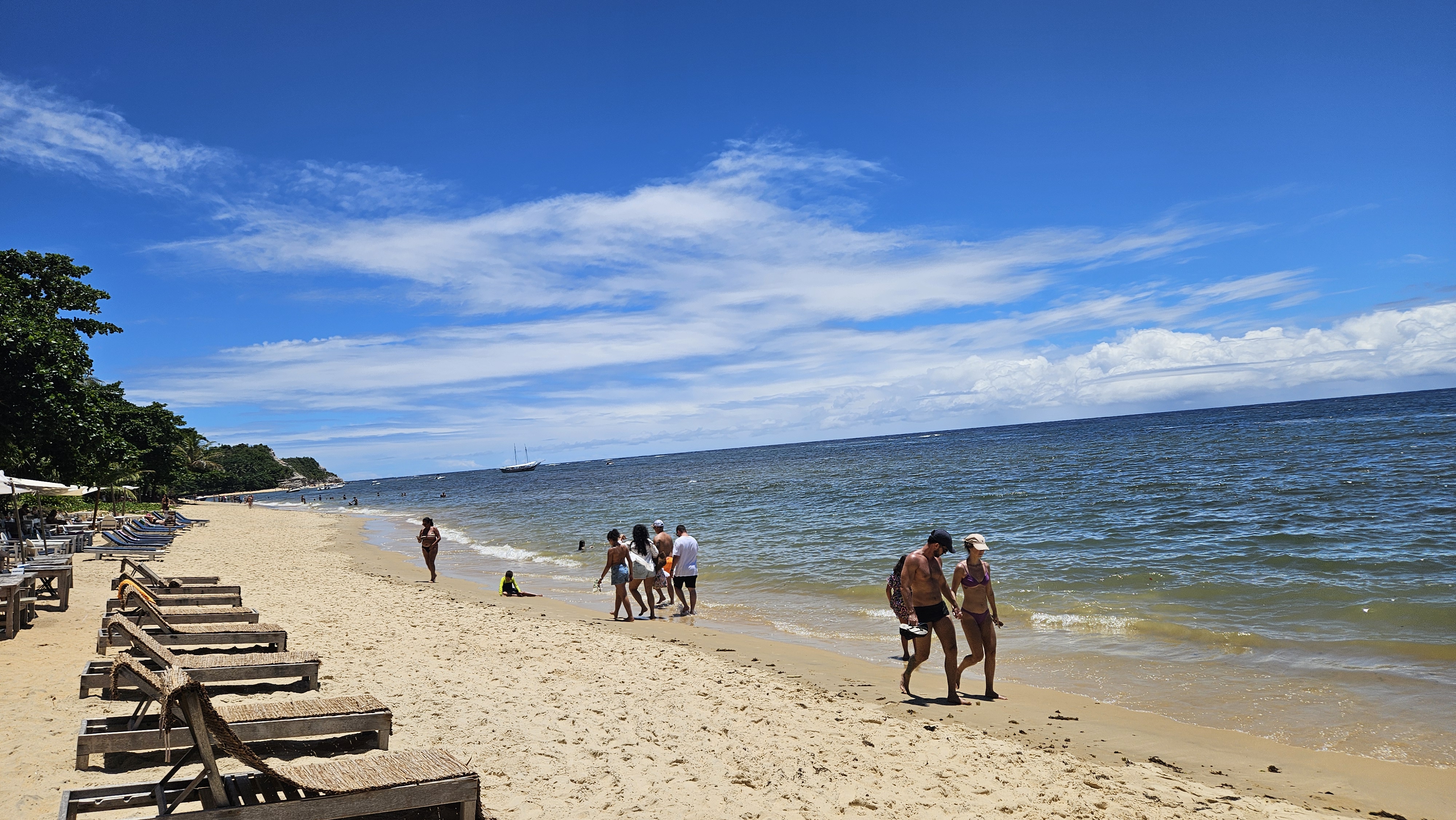
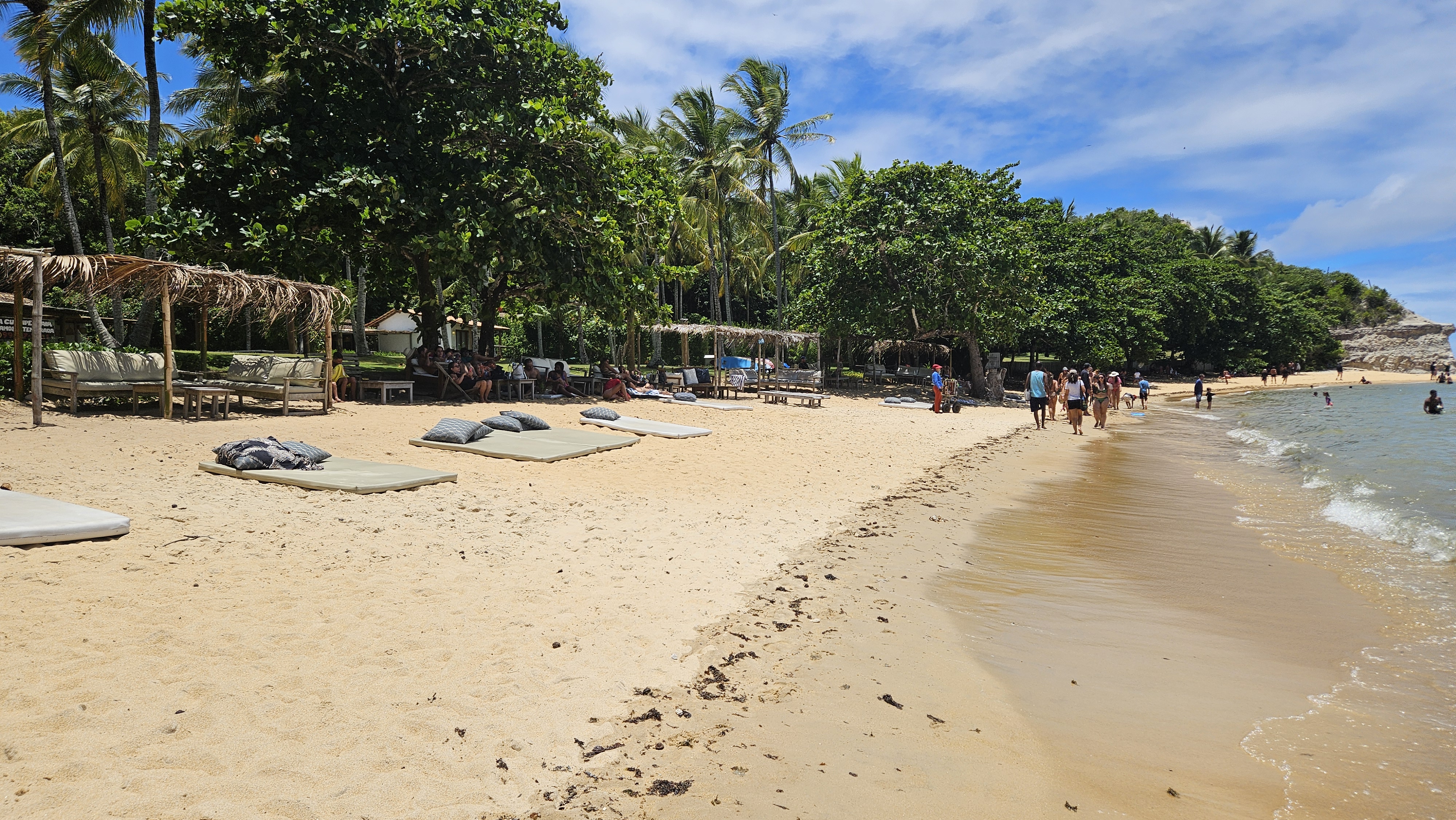
Beach Day in Brazil: Reflections from Praia do Espelho

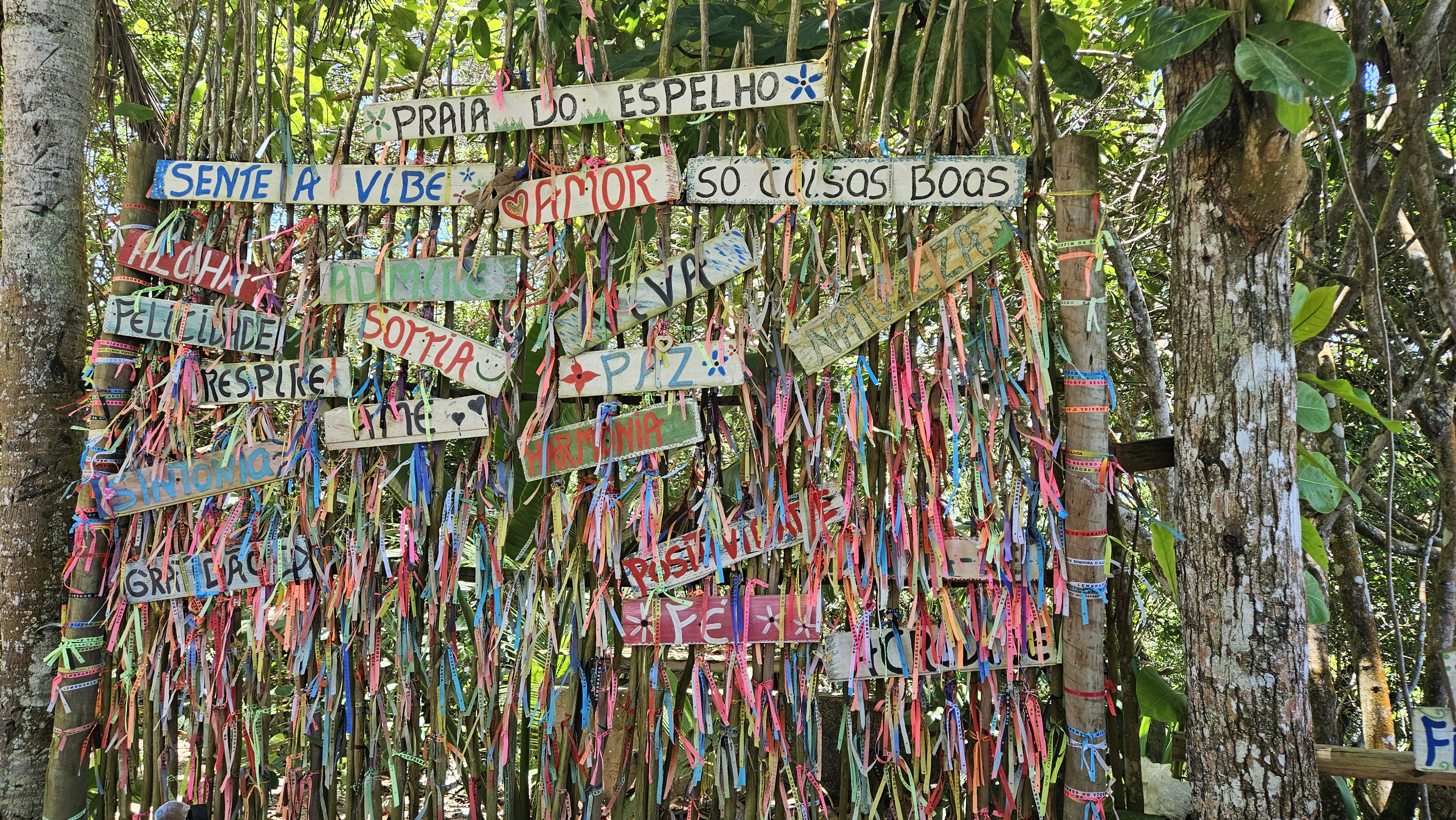
This journal excerpt is taken from week 4 in Brazil, January 25th, 2025. Since I named my blog “adventurer’s diary” I figured, why not post one of my journal entries? Along with some photos taken at this stunning destination.

This entry came 10 days after my time in Salvador. I arrived in Brazil on December 28th after sorting out the over-stay fine with Colombian immigration in Leticia. I took a motocarro to Tabatinga, the Brazilian border town, with my flight ticket bought, ready to go to Manaus. Or so I thought.

My entire time in Brazil, I had issues with GOL Linhas. I would buy a ticket online; they would say it was confirmed. Then I would find out my payment was refunded. With no email notification. Both in Tabatinga and Manaus I ended up having to buy the ticket in the airport. I never did figure out why. Was it due to the security on my credit card (which is supposed to be ideal for travel – come on Aviator Mastercard!)? Or the hold they put on my bigger transactions after a random case of fraud.

Whatever the case, I showed up at the airport thinking I had a flight and found out it was canceled. Lucky for me, there was another flight leaving about an hour after the flight I showed up for. So, it all worked out.

That was to get to Manaus. After attempting and failing to buy my Manaus-Salvador flight ahead of time, I knew what to expect. I made sure to get an airbnb close to the Manaus airport. Then, I went to buy my ticket in person.

This was just a sample of the setbacks I experienced. By making a plan, I finally could have this transcendent day at the beach – Praia do Espehlo, some 2 hours from where I was staying in Porto Seguro.

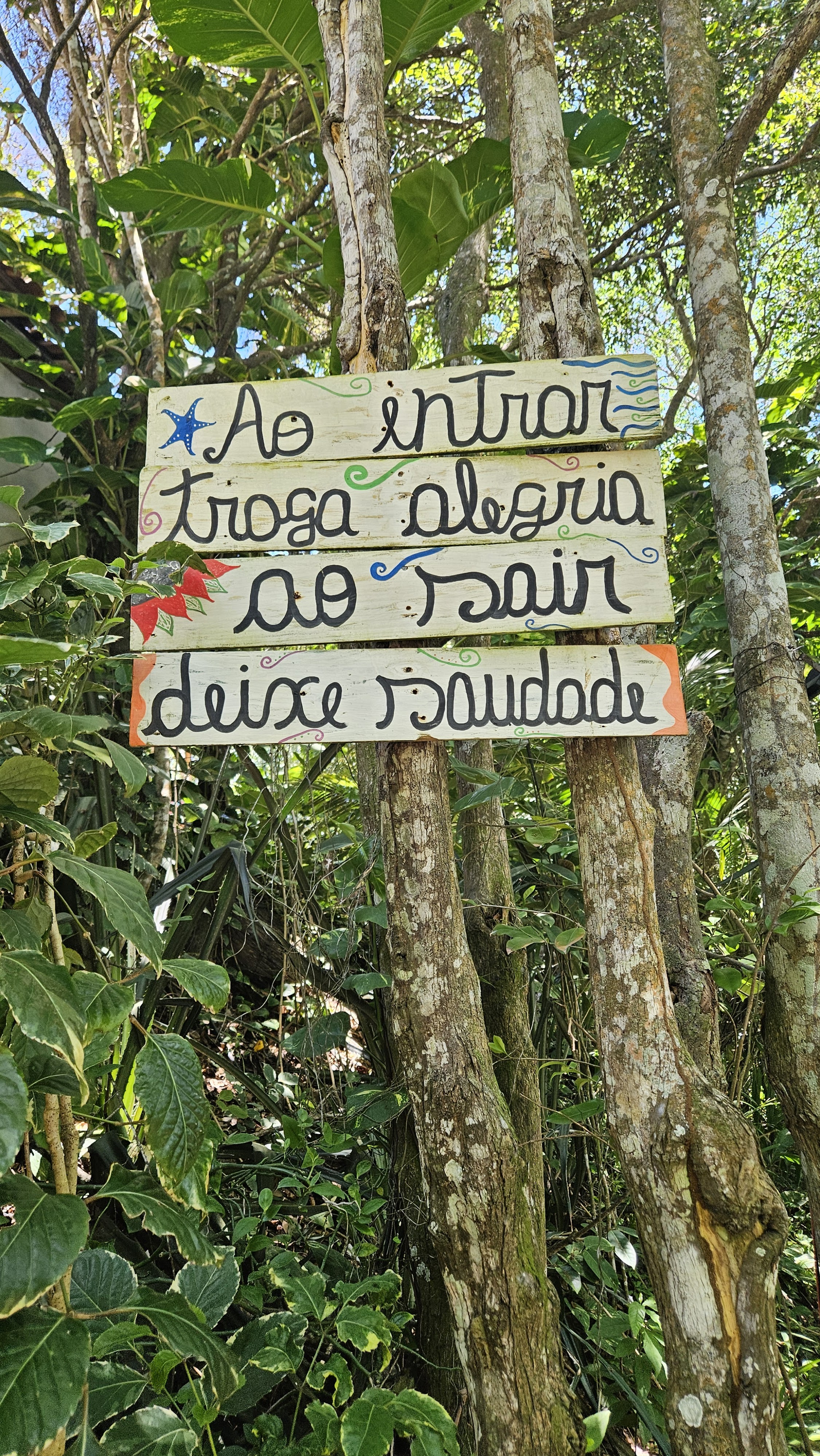
When you enter, bring happiness, when you go, leave yearning.
Here’s a slice of my experience:

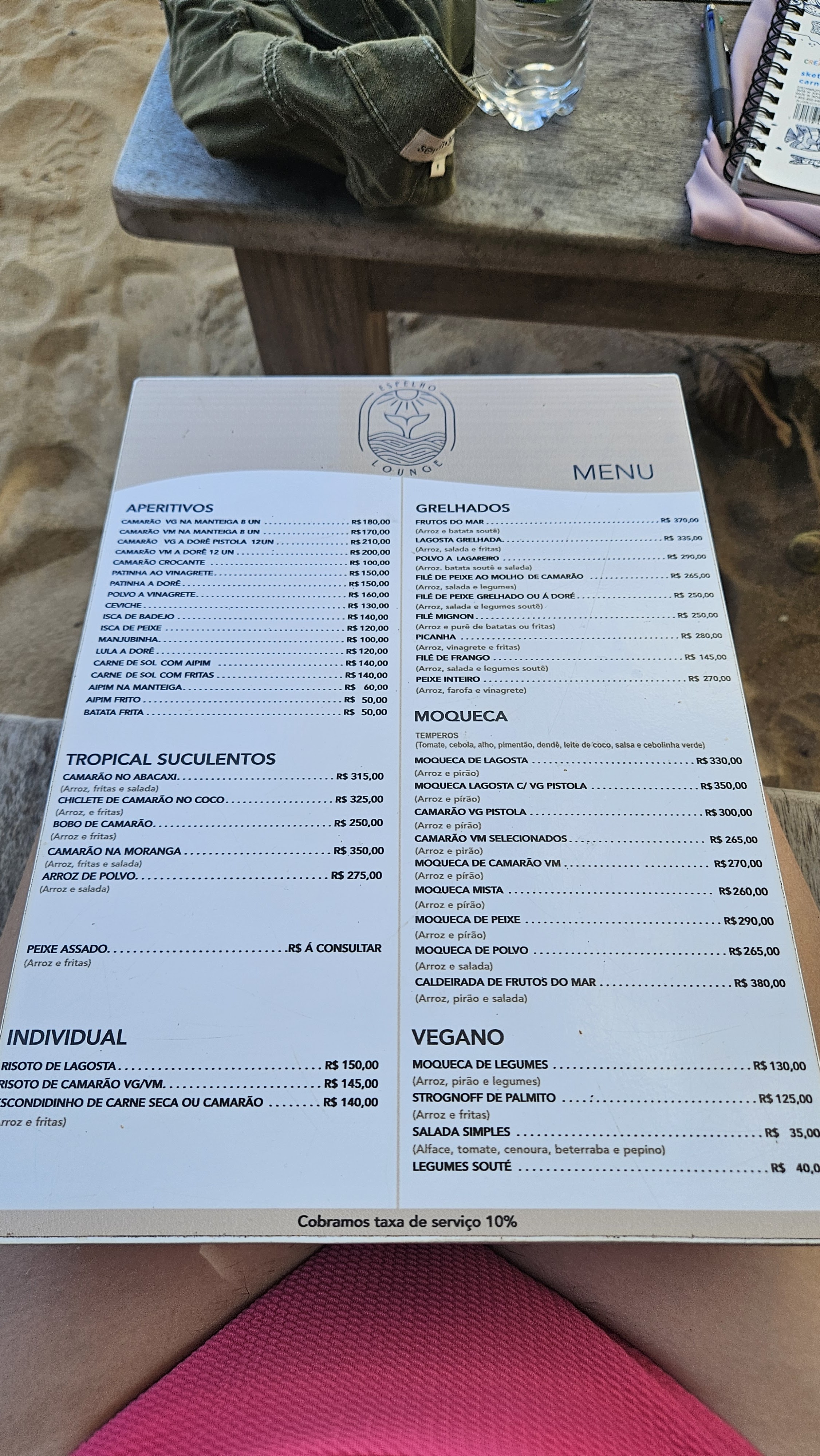
I’m at Praia do Espelho with a tour group. The tour cost 120R$ (~21 USD). The ride here on the tour van was bumpy, but I’ve been so tired, I still fell asleep.

It’s hard to describe vibes and generalize my experience with Brazilian people. On one hand, groups I have been haphazardly integrated into have been hit or miss – sometimes coming off as cold or discordant. I guess in those rare cases where I was invited to join close friends, I felt like there was little room for a third wheel. Or maybe I’m not confident enough in Portuguese to break the ice. I could just as well be misjudging the situation based on the little I can see on the surface.

All the same, Brazilians have been some of the most helpful and patient people I’ve encountered. Even on the street. One of the silly little things that has stood out to me after so much time in Colombia is how people actually respect pedestrian crossing. Even in the States that is insanely rare – you’re at a crosswalk, and the drivers stop to signal you to cross. Even bike riders take heed. The sense of awareness of other people and road rules seems stronger here.
What scares me is the intensity of the men. If they find you cute, they shoot their shot at all costs. I’ve gotten three or more new contacts because of this. You have to set boundaries, but I learned that well in Colombia. Been there, done that, could write a book on it. You can’t take all the flattery too seriously because that is typical modus operandi. A thinly veiled tactic to convince you they’re sincere.

But, on the other hand, it’s been nice not being pegged as gringa right off here. Brazilians come in all shapes and sizes. And they’re aware of that. It helps that I also speak Spanish. Still, I try not to default to speaking it. That has made being spontaneous more challenging. But that’s the idea. I’m mainly asked if I’m “Argentina” because most tourism comes from there. After all, it is summer here in the Southern Hemisphere. It’s high season in beach towns (so not great for my wallet). I imagined that but still didn’t prepare. Sometimes you just have to do things, accepting all consequences of your rash decisions.
Brazilian music is fire. You don’t hear Colombian music much or any music in Spanish. And, why would you, I guess? You rarely hear Brazilian music in Colombia. Brazilian’s have such a rich variety of musical styles and rhythms of all types that unless you happen to be in a community where Hispanic people live (mainly of the Venezuelan diaspora), you aren’t likely to hear Vallenato or merengue, or even reggaeton for that matter.

That means full immersion.

I just explored the beach. We got here around 10 am and leave at 3 pm.

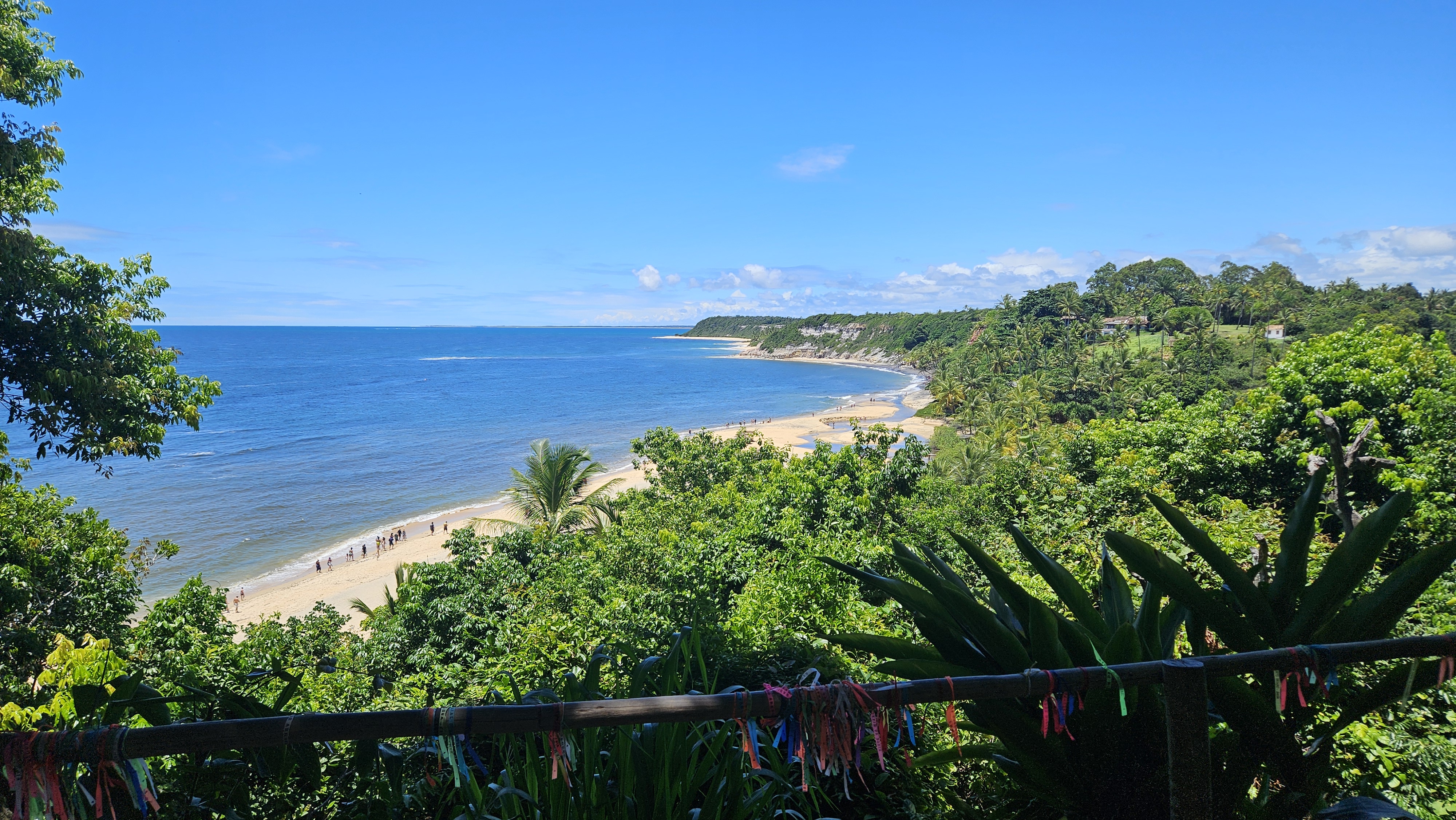
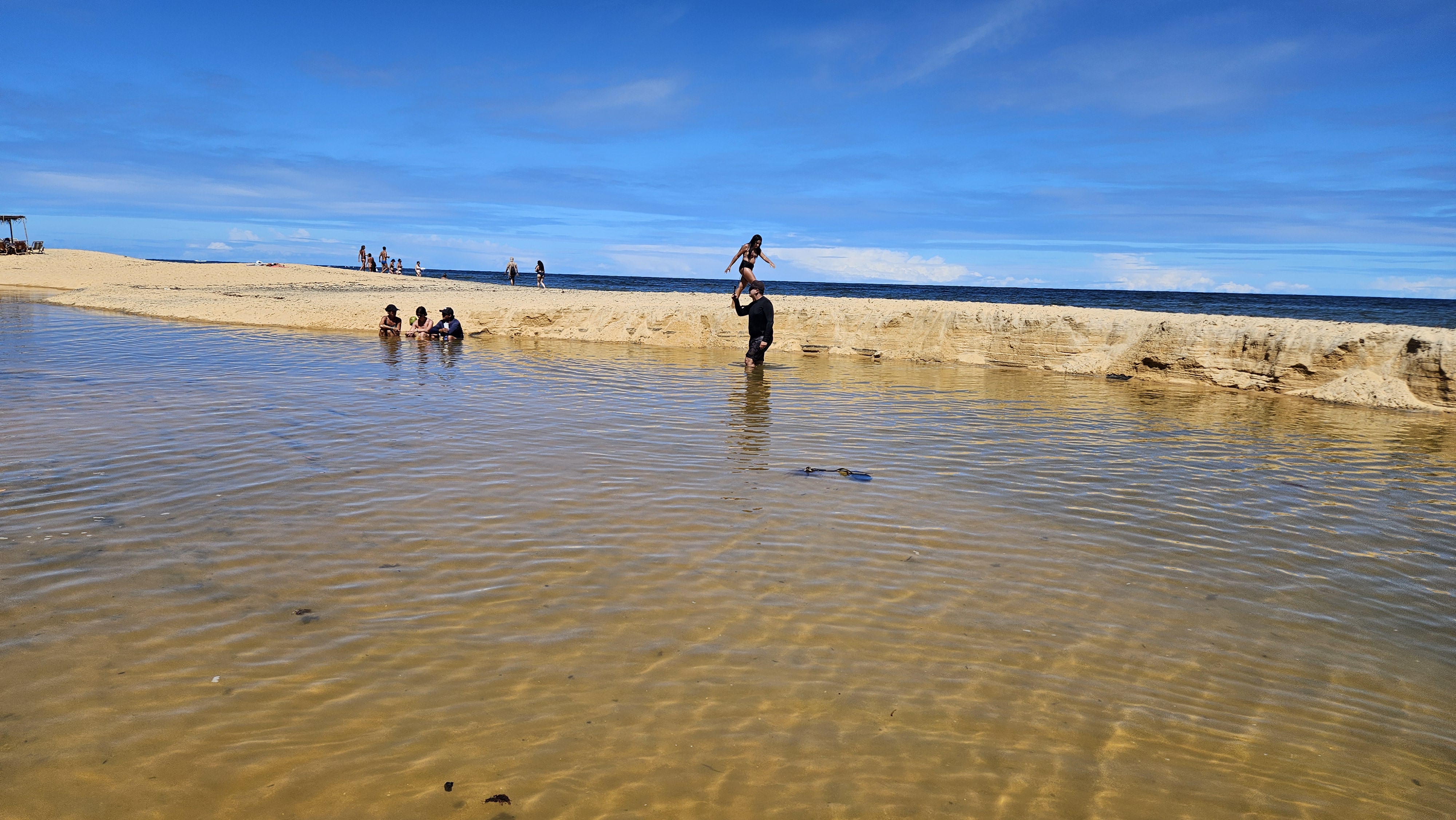
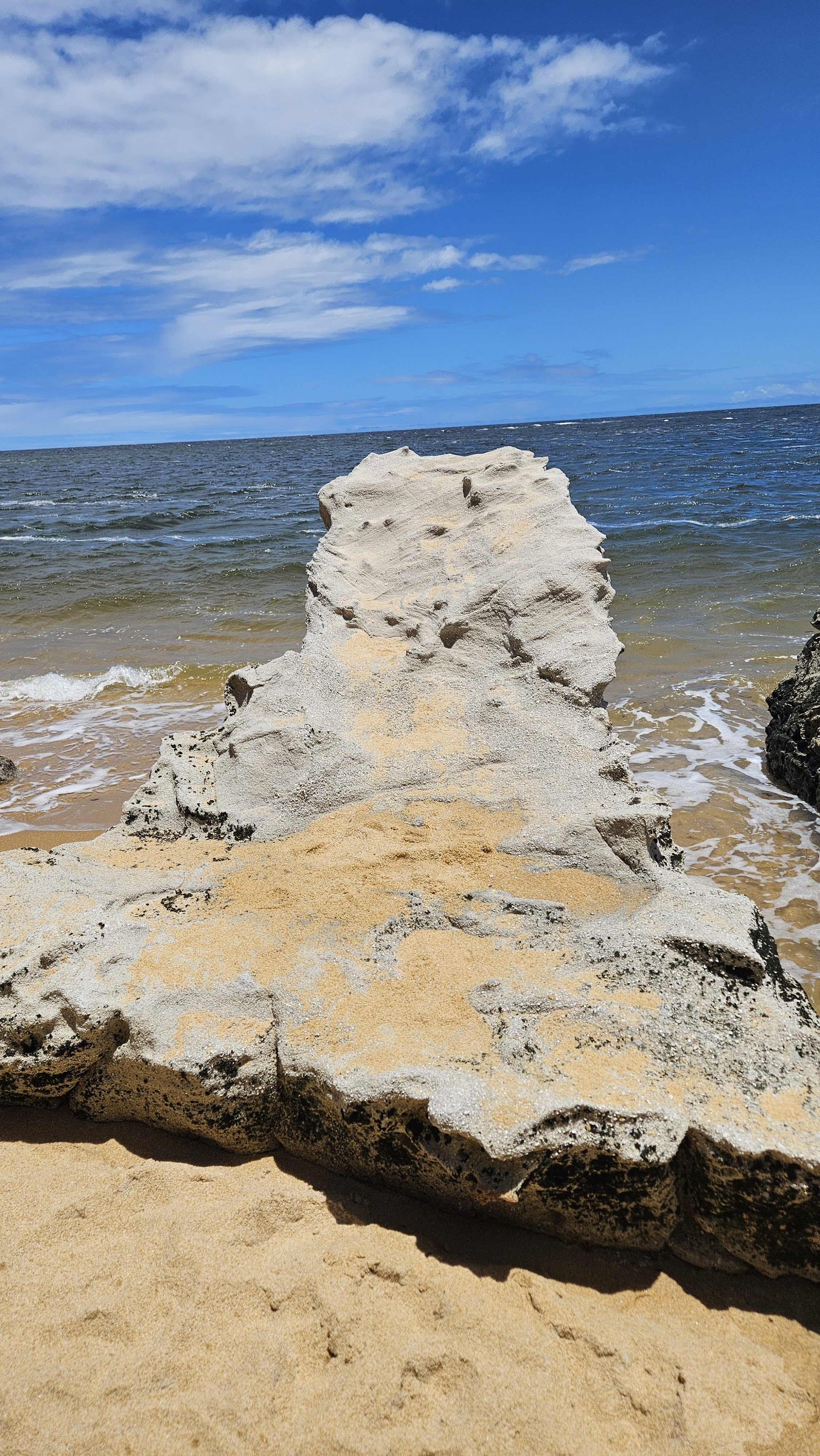
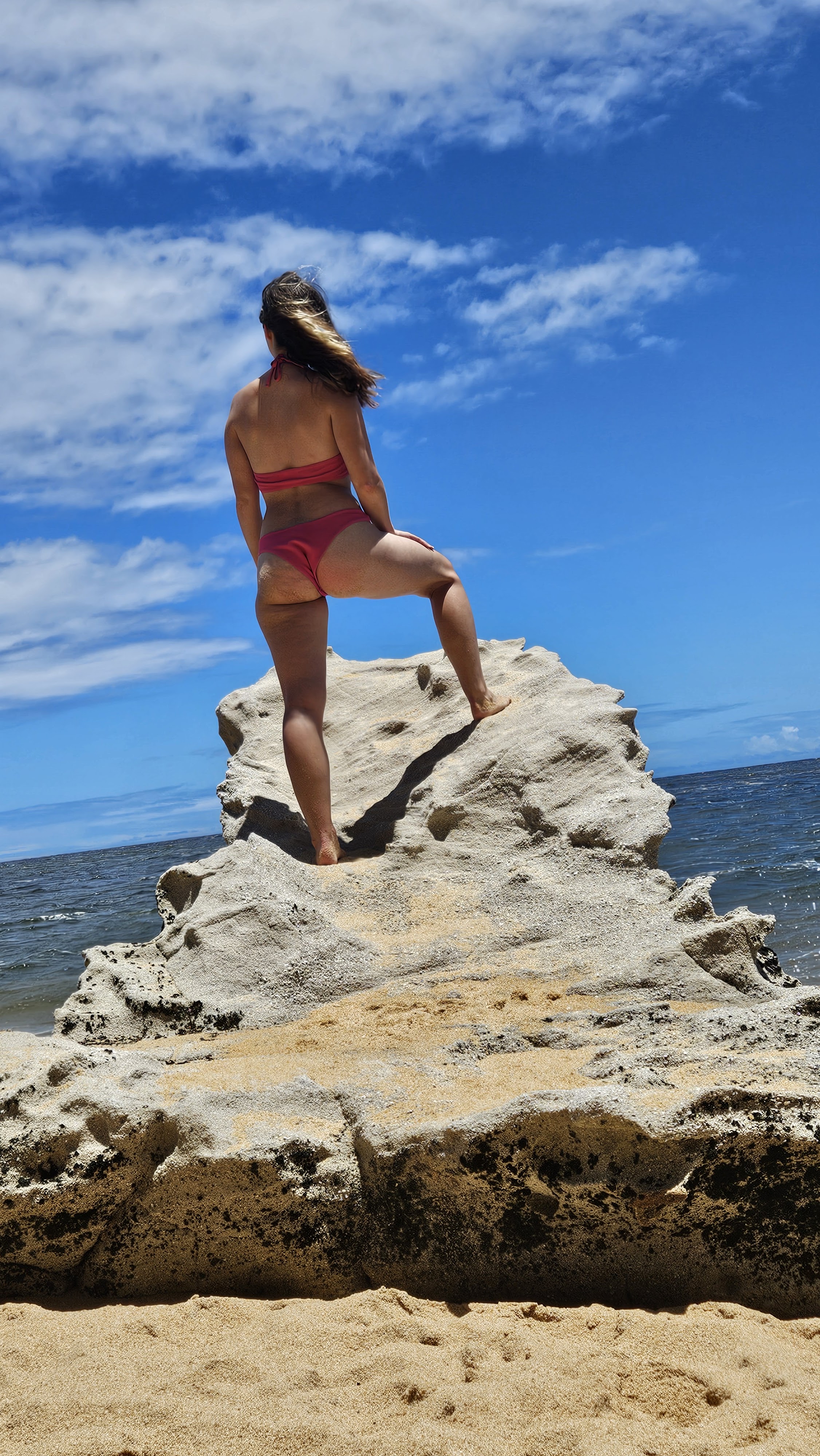
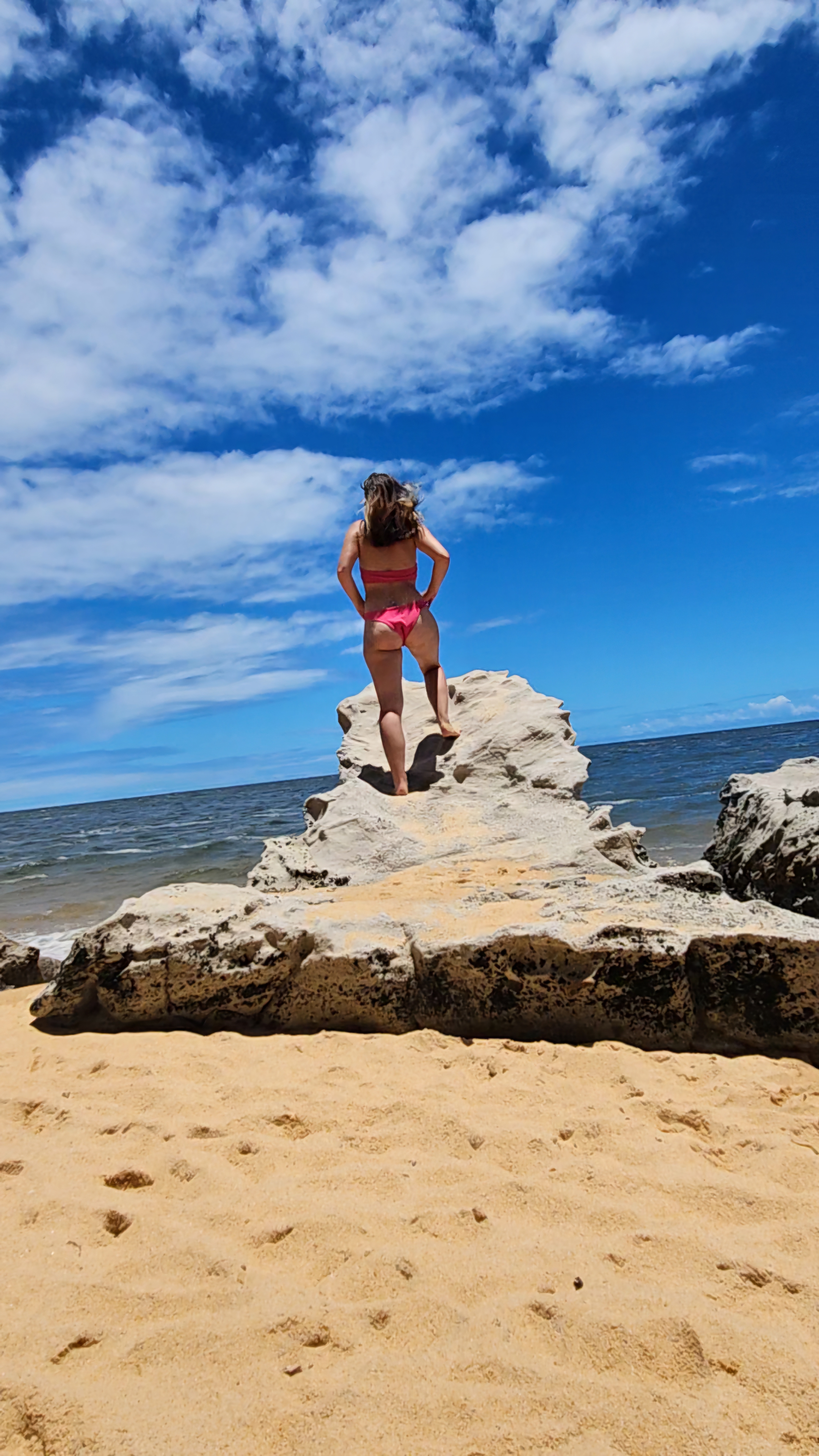
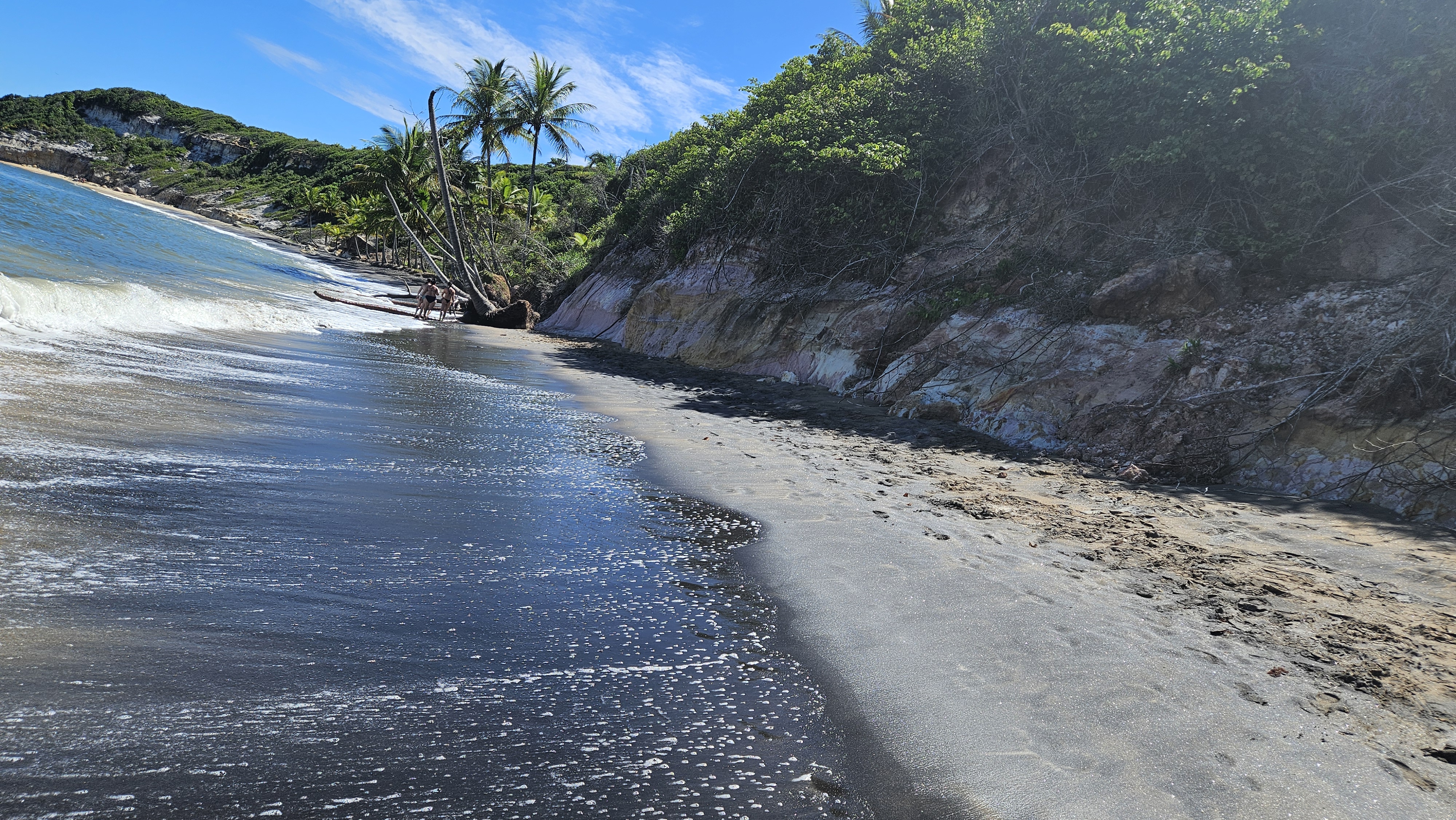
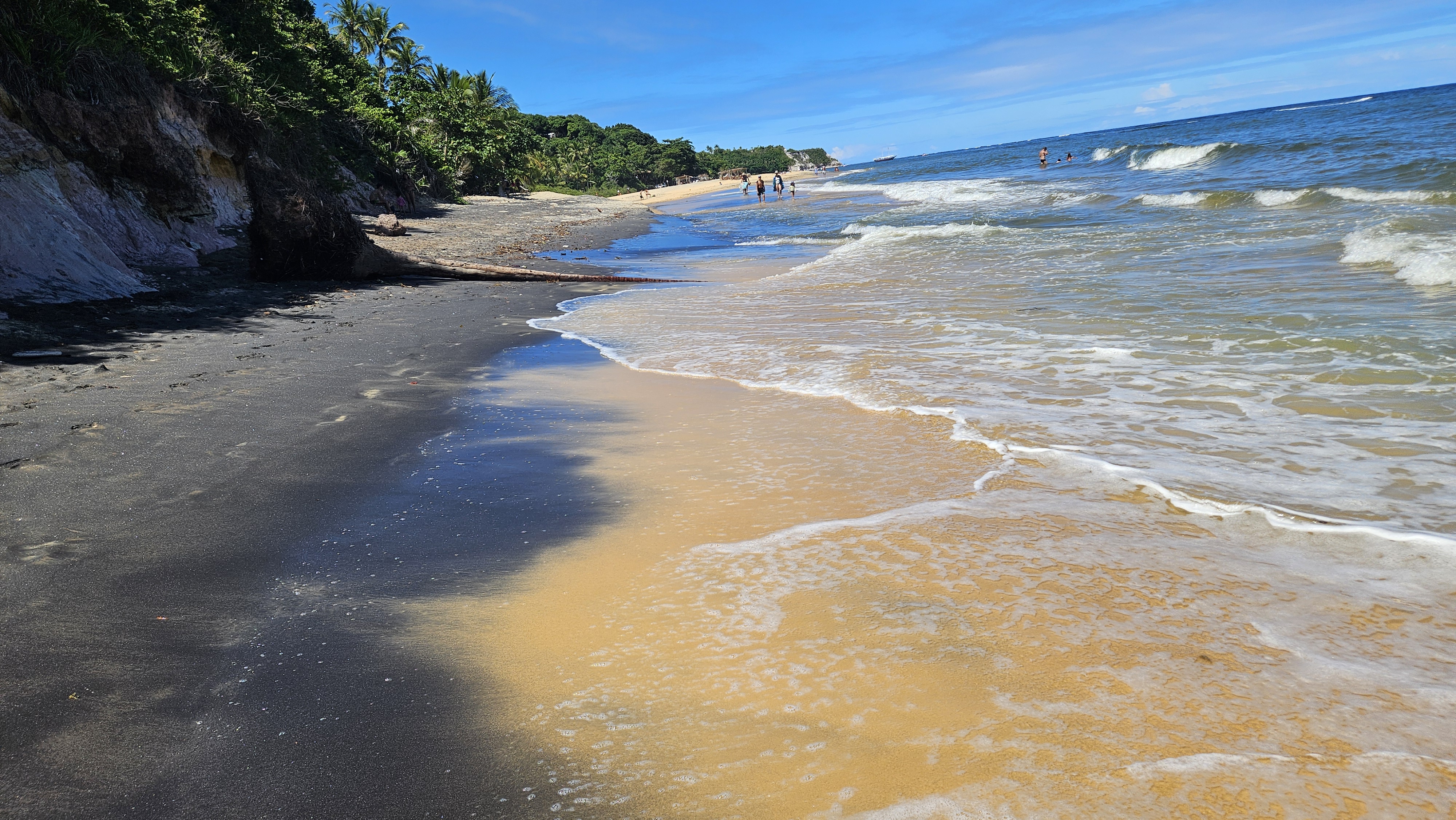
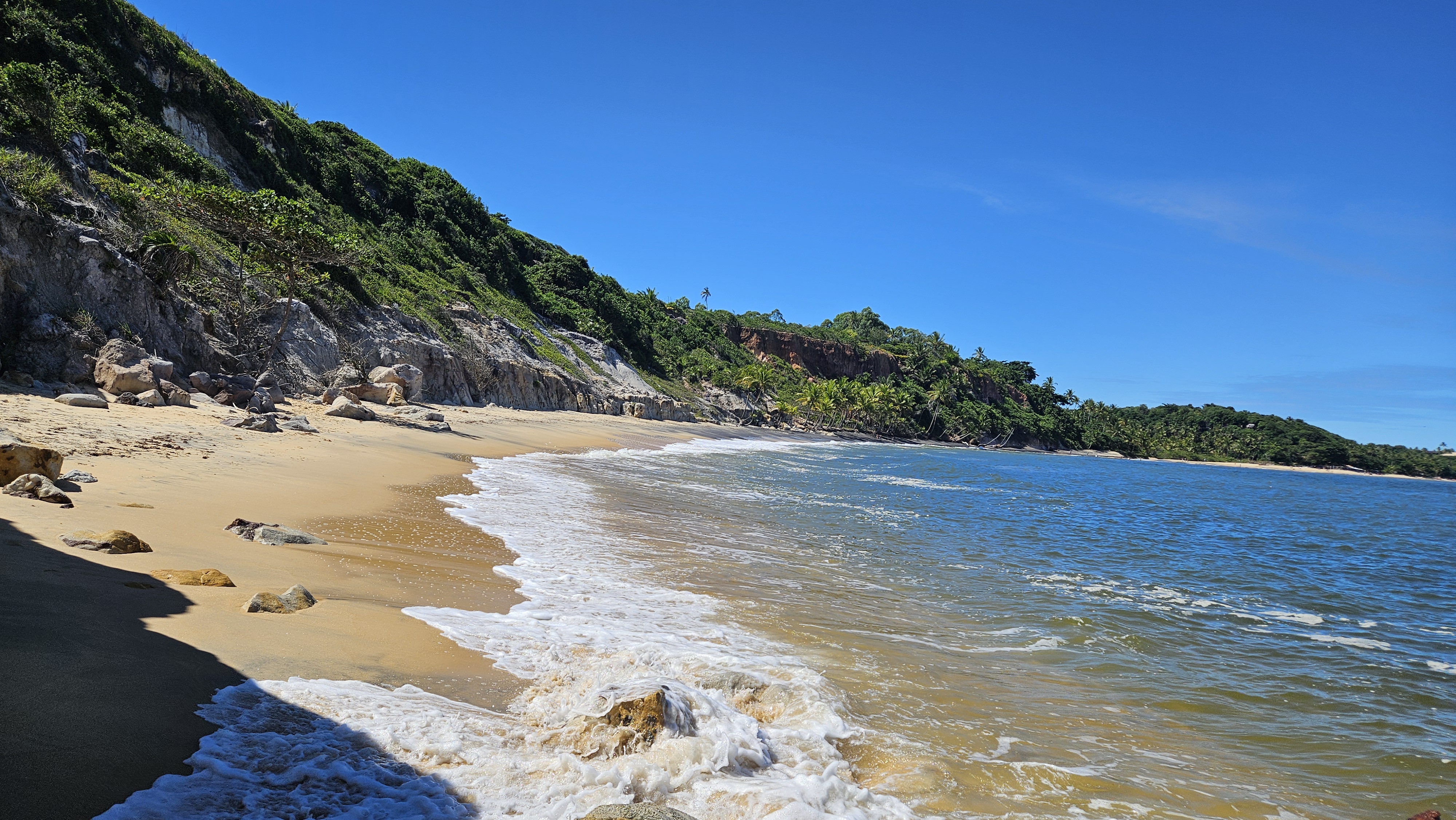
The beaches here are like natural swimming pools: few big waves, soft, fine sand, lukewarm water – cool but not cold enough to shiver. I walked along 4 different small beaches connected to this stretch, sectioned by rocks, cliffs, and reefs. I saw people snorkeling, and I imagined all the colorful fish, coral reefs, and anemones they could see.

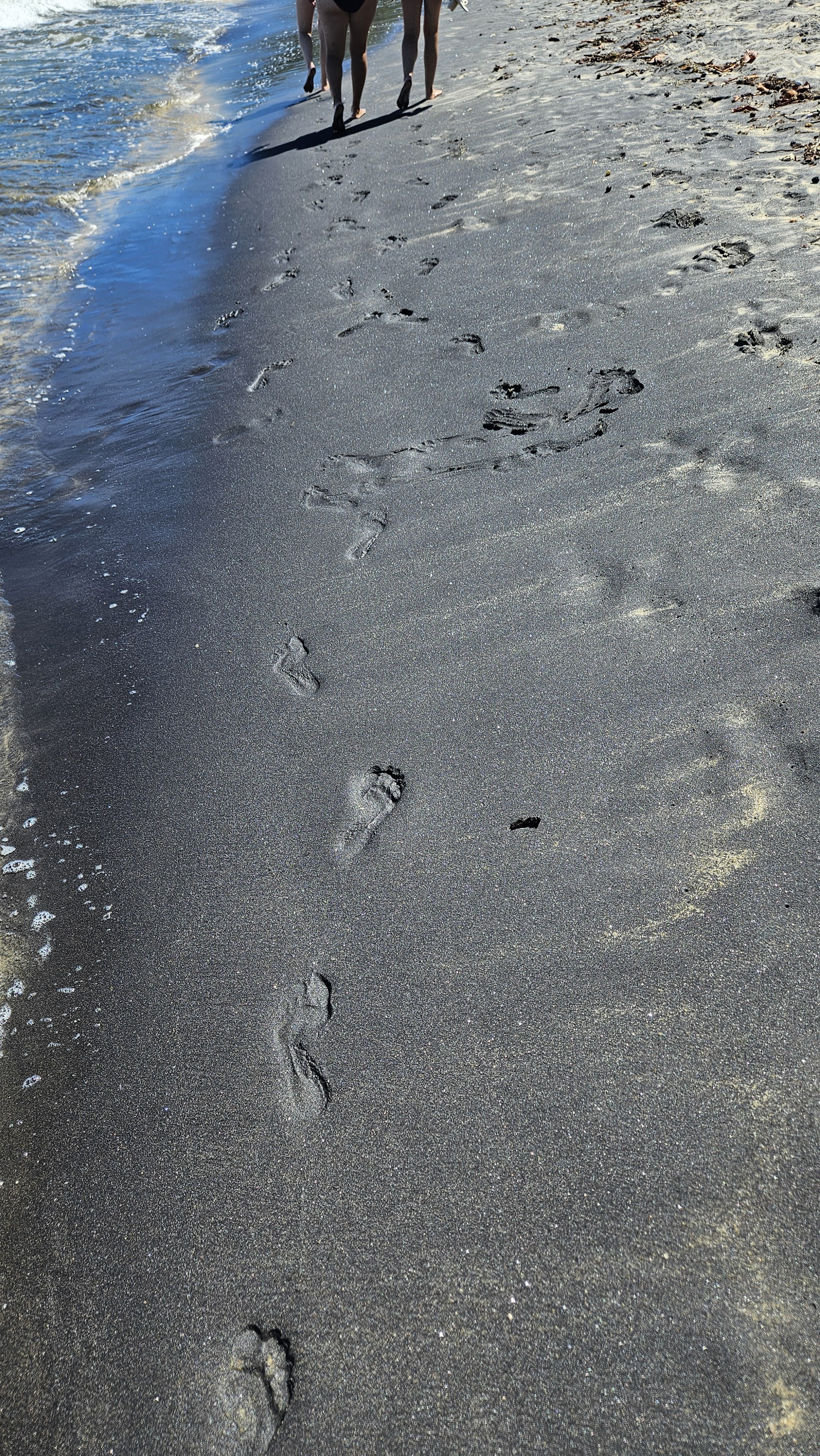
I floated on my back, peacefully rocked by steady waves. No rocks under foot in most of the sections. Some are covered by black sand that ripples when you walk on it, others orange, almost red when mixed with the deep blue water; the sand turns black and seems to pulse like something alive when you step on it. In other parts of the beach stretch the sand looked almost tanned ivory, shining in the sun, lending credence to the name: Mirror beach. All of the sand is smooth, inviting when wet, hot from the Brazilian summer sun, but I followed the shoreline to soak my feet as I went.

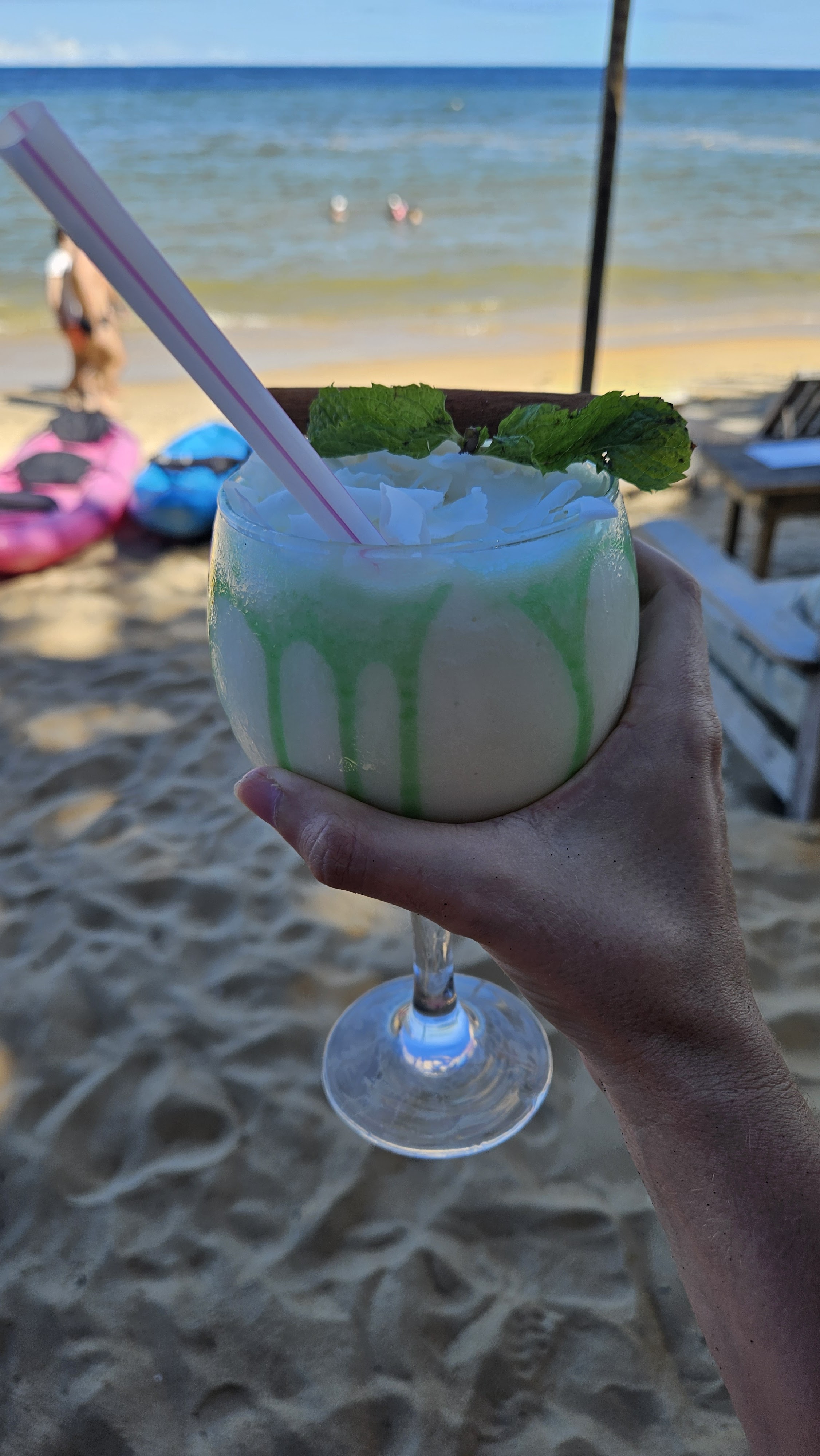
Now I’m listening to a three-man band play what sounds like Brazilian zydeco. They play the same type of accordion popular in Louisiana. There’s a guy playing a triangle, and the accordionist is also the singer. I think I’m in heaven: sipping my obligatory (over-priced) cocktail, a mint-flavored piña colada, taking it all in from my wooden beach chair in front of the ocean under a parasol…

El discurso de la lluvia / Translating Félix Molina Flórez

¨Los cuerpos son definiciones perdidas…¨

Los cuerpos son definiciones perdidas
en los diccionarios
Sin brazos
sin piernas
sin ojos
sin memoria
tratan de recobrar su rumbo

Los cuerpos que transitan este paraíso
han perdido su significado
como una tilde dibujada en el vacío

Somos esas piedras
que lavadas por la creciente
han perdido su piel

My Translation:

Our bodies are lost definitions
in dictionaries
No arms
no legs
no eyes
no memory
trying to recover their path

Our bodies that move through this paradise
have lost their meaning
like an accent drawn in the abyss

We are those stones
washed by the tide
that have lost their skin


This poem speaks to me in a way that transcends words. My own attachment to words and metaphor coalesce with this fascinating image drawn out by Félix. Everything that we are and the language we use over time loses its meaning. There is a sense of inevitable decay, a divorce from the tongues that gave words their meaning. I like how this concept of words losing their meaning, and our own bodies becoming words without meaning, formless anomalies — it is such a powerful visual. I hope I did it some justice.

Translating poetry is unique in that you have to take the music of the words into account, as well as the meaning and metaphor. Translating music takes this to another level. But I like the challenge. Translating a full book would be even harder because you have to live inside those pages and words well enough to capture what the author wanted to convey through a different linguistic lens.

I’ll be continuing with this project and translating the full book of poetry, The Discourse of the Rain, during this week. As always, I’m happy to hear any feedback, especially from my bilingual writers/poets.

From the Archives: Poesía de Resistencia

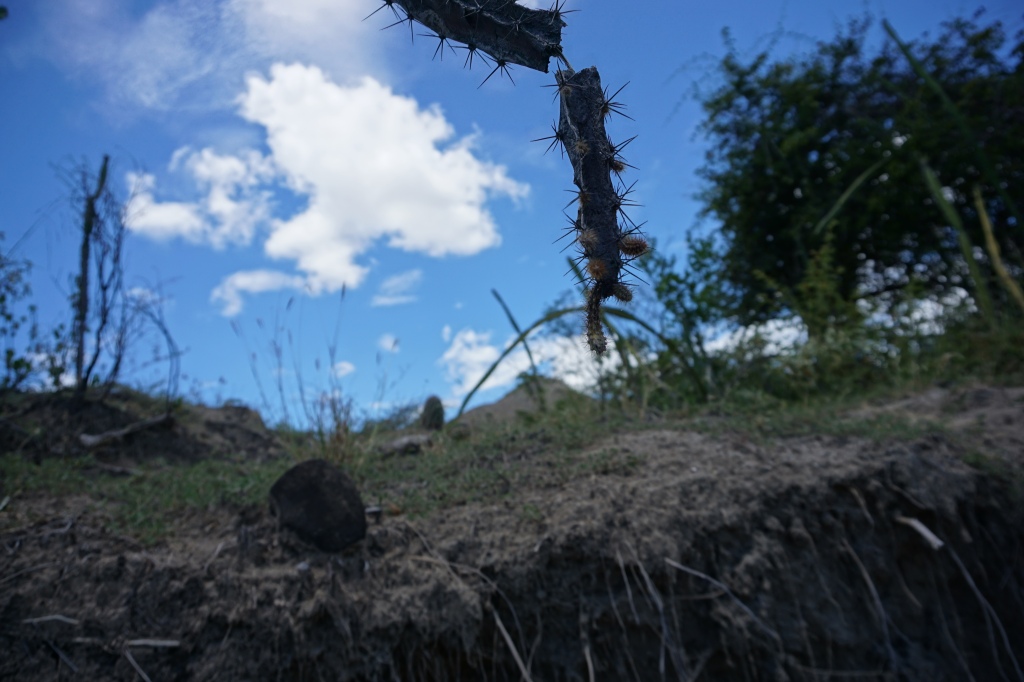
Vida Desértica – El Desierto de la Tatacoa, el Gris

Esperanzas Caídas: la Flor Transplante

Puedo embrujar con mi belleza,
Una mirada coqueta, un vistazo de miel
Y carne y hueso y sangre
Pero eso no me completa
No me define.
Mis venas se convierten en raíces
Buscando tierra fértil en la que
Se puedan sentir en casa
Pero sólo encuentran huecos,
Lugares donde se pueden quedar
Sin angustia, sin molestia, sin pena,
Pero pronto se ponen a morir.
Sus hojas se marchitan y
Se vuelven marrón, gris, negro y
La flor se cae al suelo,
Descuidada, olvidada
En tierra extranjera
Y distante, los recuerdos de 
Su belleza encantadora
Se van olvidando, esfumando
Aunque la transplante pidió lo contrario,
Que la cuidara bien la tierra,
Pero está envenenada en cada rincón
Y no había forma de evitarlo
Ni prevenirlo ni siquiera darse cuenta
Antes de que desaparezca todo
Y no queda nada mas que tierra yerma.

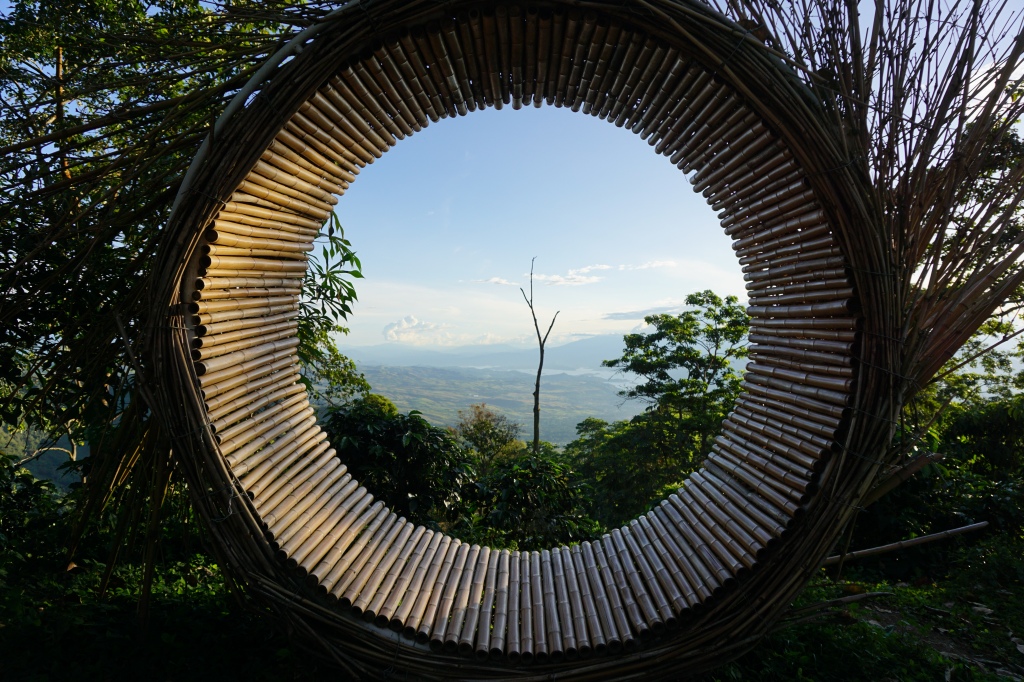
Perfect Circle – Montaña el Gigante, Huila

La Lucha Ajena

We cannot fight injustice
In isolation.
That’s what they want–
Each of us struggling from 
Our own separate little islands,
Fighting like we’re alone.
Only if we band together
As people, as humanity,
Can true change come.
Why do you think so many
Marxist revolutions ended
In dissolution and confusion,
Corrupted by global capitalism
And elitism and the Vanguard–
Fuck the Vanguard.

Only if we come together as one,
Organize, empathize,
Will we end injustice,
End the bloodshed in the streets
And the mindless fury–
The greed of the rich,
The survivalism of the poor,
All hustling for themselves or
A dream deterred;
Langston Hughes knew:
If we can feel
For a poem or feel
Pain for some character
Whose heart never felt,
Who never existed,
Then why not fight
For our fellow flesh-
And-blood.

We’re always saying:
“The struggle is real,”
But what are we struggling
If not the struggle of others:
The women in the sweatshops,
In the brothels of the so-called
Third world, a broken model,
The obrero and the aspiring
Rapper, painter, entrepreneur,
Survivor, whatever you are,
Wherever you come from–
Compton, Harlem, Honduras,
Martinique, Korea, the Congo,
The slums, the suburbs,
‘Cause who are we?
Are we our hoods
And gentrified oases,
Segregated from one another
As if our flesh were
Sliced in pieces and flayed
From our bodies?
Who are we
To struggle at all,
The struggle of others–
But if we aren’t,
Moving, fighting, bleeding,
Breathing the struggle
Then we are dust on the wind
Of history,
We are soon forgotten,
Negatable, silent,
Better off dead–
Nothing.

‘Cause who the fuck am I?
White girl, middle class girl,
Ignoring the fact that middle class
Is code for upper class aspiring,
‘Cause I never wanted the lies
They were selling, like high-
Priced cosmetics, all fluff
That I don’t need anyway–
I’d rather cut my legs off
Fighting someone else’s
Battle than waste a few hours
Deciding if my skin is too white
To care or if the bags under my
Eyes are too offensive to the eye.
‘Cause I believe if it’s hurting you,
It’s hurting me.
We’re all part of the same body,
And if I let them sever you,
Why not sever myself
And give into the depression
Eating me alive without meaning–
Better with meaning,
To scream till my lungs
Explode, to know
What it feels like
To have a reason
To suffer
And in doing so
Lessen the suffering
Of others.

La Ceiba, Gigante – símbolo nacional de la libertad de Colombia

Adaptación

Tengo el don de la adaptación.
El mundo siempre está cambiando y
yo también.

Cambio de piel
Cambio de voz
Cambio de opinión
Cambio de perspectiva
Cambio de tema
Cambio de camino
Pero a la vez

No cambio por nadie–
Y nunca lo haré.

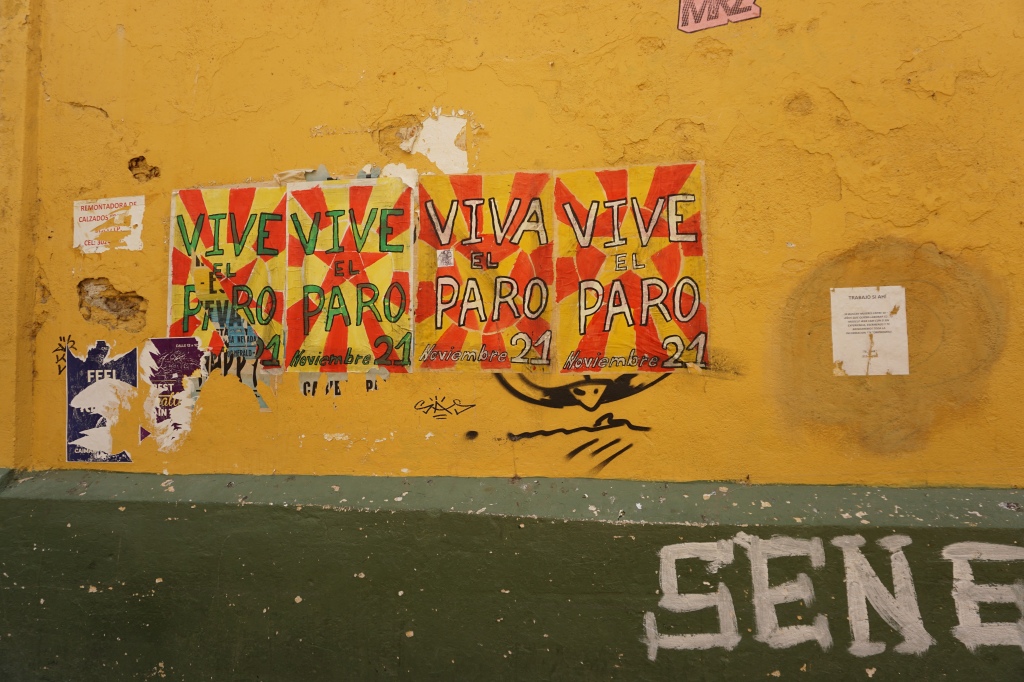
Viva el Paro – Santa Marta, Magdalena

“They’re Killing Us”: Paro Nacional and Witnessing a Human Rights Crisis

Pode ser uma imagem de uma ou mais pessoas e texto que diz "LAWMARTINEZR NOS QUIE REN SACAR LOS OJOS PORQUE SABEN QUE YA LOS ABRIMOS"

The heat has been suffocating in the “City of the Holy Kings.” Since yesterday, we’ve been under a perpetual veil of heavy clouds and humid heat. Last night, I thought for sure that the sky would finally break open and rain would wash the streets clean.

Instead, the heat and dimness continue. The only thing that washed the streets of Valledupar last night was the blood of civilians protesting. The explosion came, but not in the form of rain, thunder, or lightning. The tension caused by the chaos that seized the march and the detention of protestors is palpable and unrelenting.

Social media has given us the gift of reaching people from around the world in a matter of moments. Tears wet my cheeks as I read through and watch video after video of a horror that seems to have happened over night. If only. Imagine, if social media had existed in the 80’s when farms were actively being gassed or during the Segovia massacre of 1988. The past 30 years have been marked by the slaughter of union leaders, farmers, campesinos, indigenous people, sympathizers of certain political parties, and anyone with the gall to demand that their human rights be respected.

As someone that studied Latin American history and politics, I felt stirred by these facts and narratives having only been able to experience them dead on the page. I didn’t imagine that I might actually be in the middle of one of these historical and devastating moments. I didn’t realize just how sadly entrenched they are in the human experience of people living under oppression in communities all over the world.

There have been dozens of videos circulating of people running through the streets, tanks filling the city, teargas shrouding the air, the sound of weapons firing, children screaming as their anguished faces are washed with milk, the cries for justice even as the police deny the right to protest, deny that they themselves are acting with cruel impunity. As they throw teargas bombs into buses full of civilians. As they gather around the people, non-binary, men, women, elderly, children, and grab them, threaten them, punch them, force them into corners, and carry them off on motorcycles.

I’ve always wondered about these ESMAD characters. They’re supposed to be brave defenders of the public. An anti-riot branch of the Colombian police force. They’re supposed to be these pillars of justice that go to protests to dissuade violence and looting. In fact, it’s ironic to see them in their heavy armor carrying their huge weapons as they tower over and surround – unarmed young people that look defenseless by comparison – and incite violence. And we are supposed to believe they are protecting the community from the protestors they mercilessly intimidate?

Everyone I know is against this tax reform and supporting the constitutional rights of Colombians to protest. Except, astonishingly, for the members of the military I’ve met. According to statistics circulating, around 80% of the Colombian population are against the tax overhaul reform that’s supposed to respond to the economic crisis the country is facing. How does it propose to solve the crisis? By taxing and subsidizing. The main issue that people are expressing with this method is that the crisis being faced in Colombia – unemployment, increasing poverty, a poor and slowly executed vaccination process – is not going to be fixed by raising taxes and adding new ones. True, part of the taxing would only apply to the wealthier sectors of society, but it would also include the struggling middle class or middle class-aspiring sector.

And all to be able to provide an 80.000 pesos (that’s only around $22 USD!) monthly subsidy for people living in extreme poverty. What will that do? Oh, so much if you ask the richest sector of Colombian society who perhaps could afford to do just a little bit more. But that would require that money stop being stolen from public works budgets, equally inflated in importance but never producing the promised result.

People are skeptical. People are scared. Who could possibly blame them, when the stakes are this high and everything they’ve experienced from the authorities so far has resulted in lies and more lies.

And now, to top it off, it takes marches for the president to call for a “reworking” of the reform. It takes the documenting of at least 21 murders by the military and the police, 940 cases of police brutality, 672 arbitrary arrests of civilians, and 4 victims of sexual violence (that we know of) for people to take notice of what has been a history soaked in blood. That’s why, in solidarity, as a sign of resistance, Colombians use the flag as their icon, upside down, placing the red blood of the patriots who fought for freedom at the top.

As an expat living in Colombia I’ve learned that even though I may never understand what it’s like to have grown up in extreme poverty, living on $100 or less a month working every day of the year with zero paid vacation time, in a country in civil war where tanks and fully armed soldiers can be seen patrolling the streets for no known reason except to “maintain order” – I stand. I stand with the people that are sick of living in fear.

Just as any US American should. This is just as much our fight. After all, our country funded all of this military equipment. Our country provided the resources to militarize the police force. Our country supported the “paraco hpta” of Uribe as it has countless right-wing military dictators. Our country benefited by keeping so many countries impoverished and suppressed.

And now? We’re finally starting realize that these actions and choices have consequences. Allowing corruption to exist in other places to benefit businesses in “first world” countries is like setting your house on fire to warm your own room during the winter. Now, the countries that have dealt with the brunt of colonization and foreign intervention and neo-liberalism have governments corrupted at every level, and this corruption leads to the same economic crisis happening in Colombia. And with a global pandemic? Full hospitals, under-paid medical workers, non-existent relief packages, non-existent state aid for the nearly 40% of the population living below the poverty line, and a population in which only 1 859 657 out of 51,321,307 people have been vaccinated so far.* And the list goes on and on…

Yet the conversation remains divided along economic lines. Just like in the US, here we have people feebly and some even passionately decrying vandalism and chiding those brave enough to protest. In spite of the fact that the protestors have stopped and even prevented and returned looted goods, there is always a portion of the population which demonizes all protestors as criminals who want the government to “give them everything.”

No, not everything. Just the human right to a life of dignity. Just a transparent government with a clear record on its budgets and military maneuvers. A stand against corruption. The right to demonstrate. The right to a future where children cannot be killed and gassed by the police and face zero consequences.

I know. It’s overwhelming. So much is happening in the world right now. And then there’s this. But these are just the consequences of history. If we don’t learn our history and see how we are all connected by it, we will never escape the domino effect we’ve been locked into. We are all facing one global struggle. If we cannot come together, if we cannot care about our neighbors, then we’re screwing ourselves over just as much.

While all of this is going on, I’m teaching classes online from my apartment in Valledupar. I’m living my dream life, and yet nothing could feel more upsetting and wrong.

To relieve some stress, I order a snack. I walk down the stairs out to meet the delivery man. He’s lost, and for a good reason. My apartment building has gone ghostly silent. All of the corridors are dark. I haven’t been outside today, but if what I’ve been watching online is any indicator, the sense of abandonment and fearfulness is real. Just the other day, Uribe posted on his twitter condoning the use of violence and force to suppress protestors out of “self-defense” against “terrorism.” With leaders like this with all of their shady, violent histories and absent morals, yet somehow untouched by international authorities – it’s easy for me to comprehend this silence. Plus, my apartment is somewhat removed from the heart of the city. But I can imagine that the silence there is just as heavy. Silence like a paperweight, a reminder of what’s happened and what’s to come.

I sense that this is only the calm in the eye of the storm. Many have posted warning against false fliers calling for protestors to meet tonight. They say this is a tactic that is used to round up the protestors and slaughter them all at once. Protesting will resume tomorrow, though, and I plan to be there.

This might not be my fight, but I am here and I will be there in spirit and in body to make sure that I can be some part of the change I have been dreaming about seeing in the world. As so many have said before me, including the current president of the United States: “Our silence is complicity.” And I refuse to choose silence.

Our power is in our voices, our platforms, our identities. Do not underestimate your power and ability to fight injustice.

*Meanwhile, in the US over 105 million people have already been vaccinated; Colombia continues to be in its “2nd phase” in which only medical workers and people between 60-79 years old are eligible to be vaccinated. Global inequality is real.

Pode ser uma imagem de 1 pessoa, em pé e ao ar livre
Credit to: @bryanbeltran_ph (https://instagram.com/bryanbeltran_ph?igshid=cpxlbgzr2ohu)

Some useful sources:

COVID-19 Vaccine Tracker: How Many People Have Been Vaccinated In The U.S.? : Shots – Health News : NPR

covid-19-data/Colombia.csv at master · owid/covid-19-data · GitHub

Vacunación contra la COVID-19 en Colombia – Wikipedia, la enciclopedia libre

Colombian Tax Reform and International Tax Law – Universidad Externado de Colombia (uexternado.edu.co)

Reforma tributaria 2021: esto es lo que deben saber los colombianos – El Espectador – YouTube

In Colombia, 19 Are Killed in Pandemic-Related Protests – The New York Times (nytimes.com)

Petition to involve the UN:

Petición · Que la ONU Intervenga YA para detener el genocidio que promueve el gobierno en Colombia · Change.org