Return to Colombia: The Drama

If you follow my blog, you should know by now that I’m very candid. I don’t just share my travel tips and destinations. I also share my life, my insights, my failures, and my revelations.

3 weeks ago exactly, I came back to Colombia with great expectations. There was a lot to look forward to: a birthday, a baptism, and a wedding. Wow, all that was missing was the irony of a funeral. And, in a metaphorical sense, that’s what I got.

But first, some context. The first week of January this year whilst sitting on a plane minding my own business, I met someone. I fell asleep on him, to be more exact. Snored and drooled on him. And felt completely mortified. Not because I thought anything would happen with this person, but because I would never want someone to invade my space, and there I was, all up in a stranger’s grill. Looking disgusting.

All the same, I was exhausted because that was day following a night sleeping in the Atlanta airport. I had woken up after about 4 hours of sleep and groggily taken my flight to Florida, then got on the next plane to Cartagena with the intention of making up for the sleep I lost.

When I finally came out of it (after the plane landed and abruptly jolted me awake), I realized something bewildering in the state I was in: my earbud had fallen out of my right ear. The same ear that had been leaning against the guy on my right. Now, I didn’t want to cause a scene, so I tried to look around as casually as possible, but when it wasn’t in my seat or by my feet or anywhere around me, I started panicking.

That’s when my neighbor spoke up. He helped me find the earbud, and we started talking organically. That never happens. My first thought was: How can I make sure this conversation doesn’t turn into awkward small talk? And before I knew it, he was telling me about the sabbatical he’d taken for his mental health, and I was sharing the similar experience I had when I decided to leave Colombia.

There was a transparency, an understanding. A spark. As we got off the plane, I started walking slowly to not cut off our conversation. When finally we split up, I couldn’t help but wonder if I should have given him my instagram – and as if he had read my mind, when he got out of the bathroom, he came back to the line (his line was shorter because he didn’t have to go through immigration) and asked me for just that.

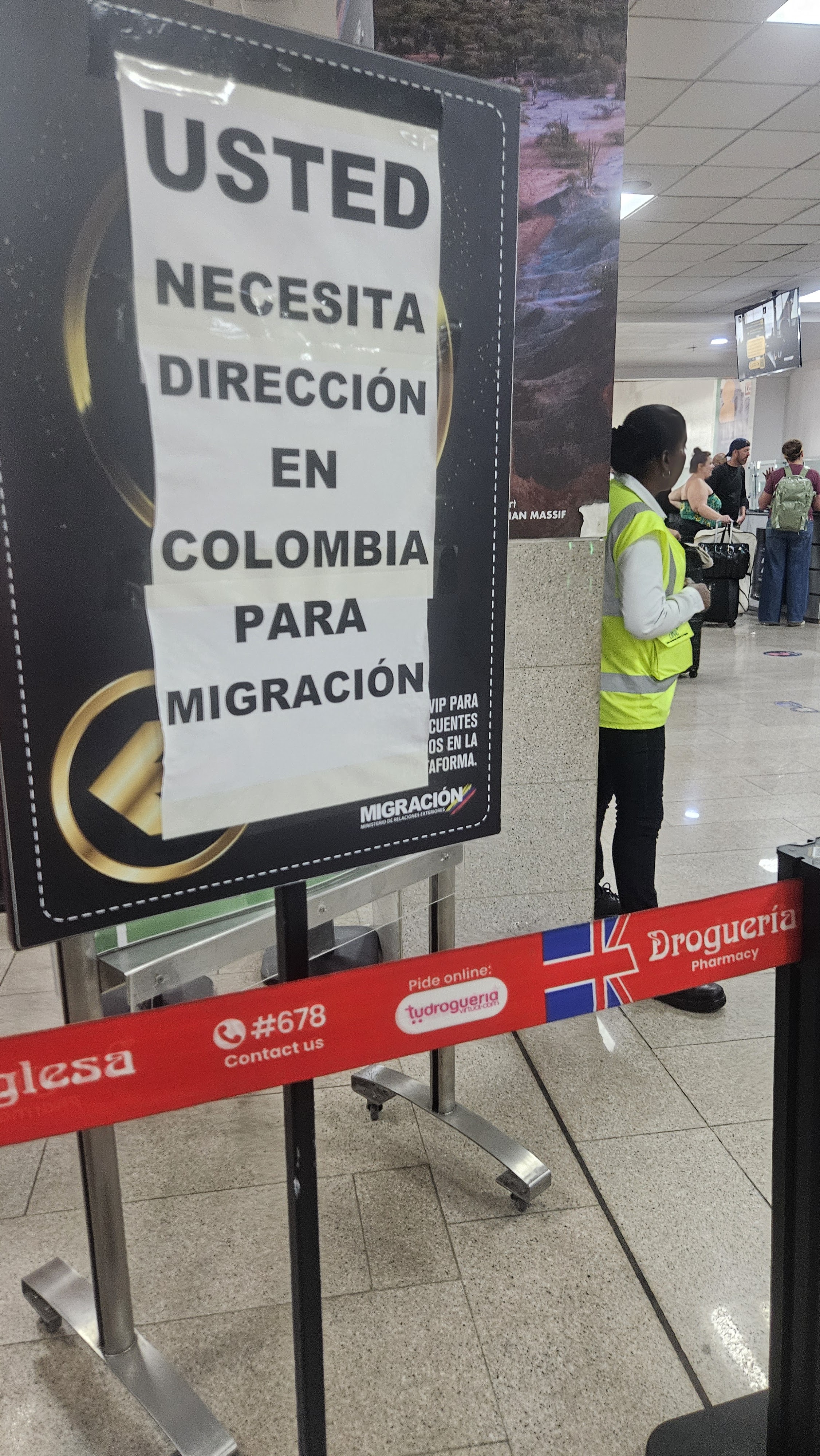
Random point of interest: Colombian immigration now expects you to provide verbal confirmation of where you will be staying while in Colombia.

Of course, my eyes lit up. But I still didn’t expect anything. We added each other, and I scanned his grid. I liked what I saw; he wasn’t someone extravagant and fake. He had few pictures and most were with family or traveling. Shortly after that, he texted me saying he had gotten out already and offering to give me a ride to my hotel. I had told him I was meeting a friend, and she came to meet me. I took him up on the offer.

The look on my friend’s face when I told her some random guy from the plane offered to give us a ride was priceless. But I trusted my instincts. And from that moment, we stayed in contact for 4 straight months. About a week later, he visited Valledupar, we met each other’s friends, and spent a weekend getting to know each other in person, taking it slow. Then 2 weeks later, we arranged to meet again when we were both in Bogota and spend a whole 9 days together.

I guess it’s strange to say we were taking it slow with all the talking we did and all the time we spent together, but that’s really all it was. There was a mutual respect for boundaries that I found refreshing. The second time around, we opened up even more about traumas, expectations, the past, the future… Let’s face it. I’m 34 years old. There’s no way I’m interested in an extended “talking stage.”

But now, I’m left wondering what qualifies as wasting time if you define your desires quickly and things still end shortly after. Well, you don’t waste as much time. The transparency is something I will definitely take with me. But still, my mind can’t separate and detach, even if I’m just getting to know someone. The more I fantasize about the future, the harder it gets. Finding a middle ground is challenging for me.

Long story short, our inside joke when discussing the future was “TBD” – nothing was certain, but we were okay with that. Things happen as they should, and time always tells.

I went back to the States with my plans to return to Colombia already clear for the aforementioned baptism/wedding. As our communication remained consistent, we decided to plan a trip together. We both agreed that you can’t fully know someone from afar, so what better way than traveling together? It’s true and proven by my previous experience travelling with friends and ex-partners that you really do see everything clearly about the other person when you travel with them: the good, the bad, and the ugly.

Spoiler alert, but I really was banking on this experience not ending up in the ugly or bad category. We made a google doc together. He likes clarity, and over the years, I’ve also grown better at planning ahead, budgeting, choosing accommodation, transport, etc. I quickly put together the first leg; that one was crucial because I’d be coming back just in time to celebrate his birthday with him.

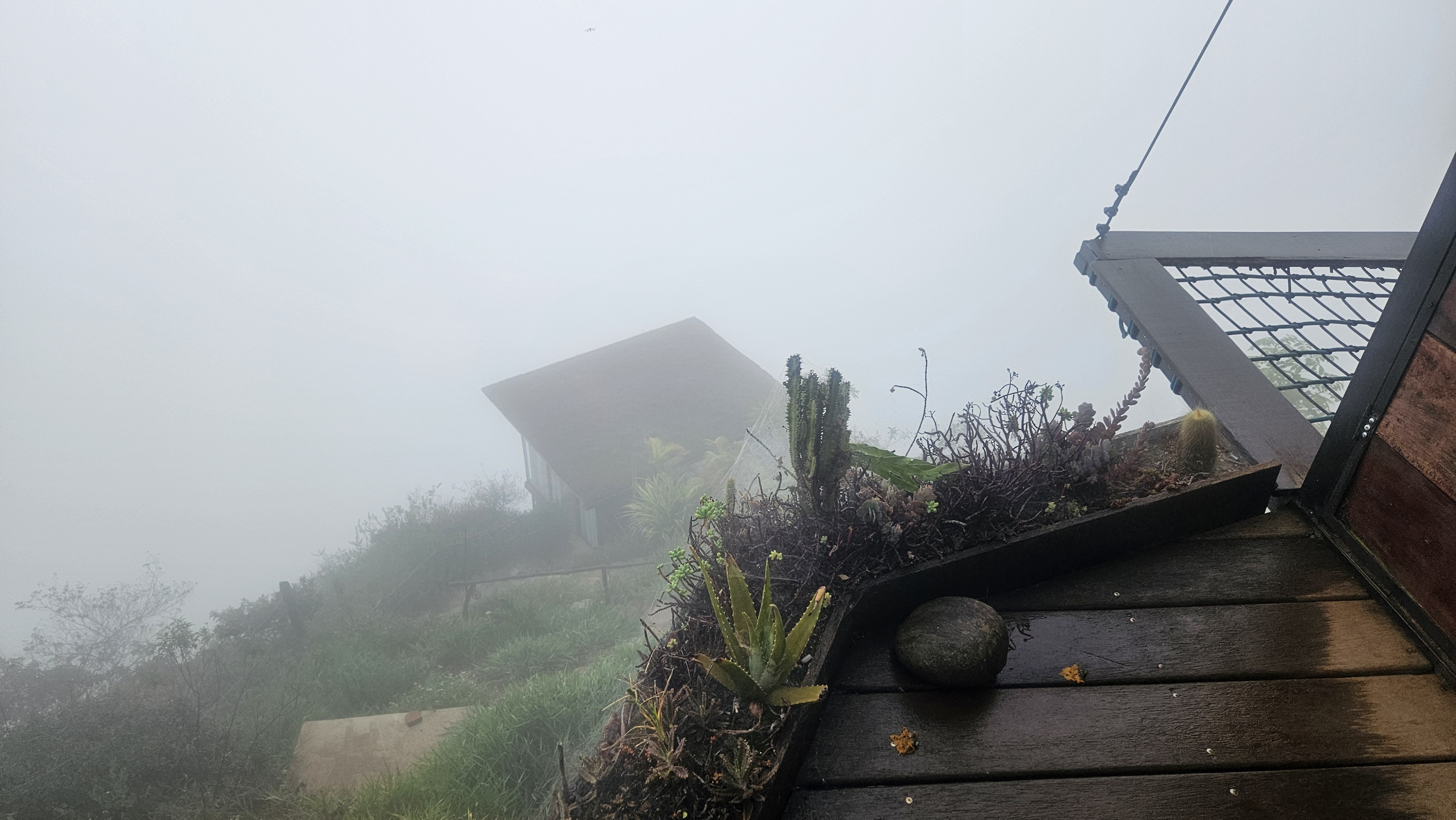
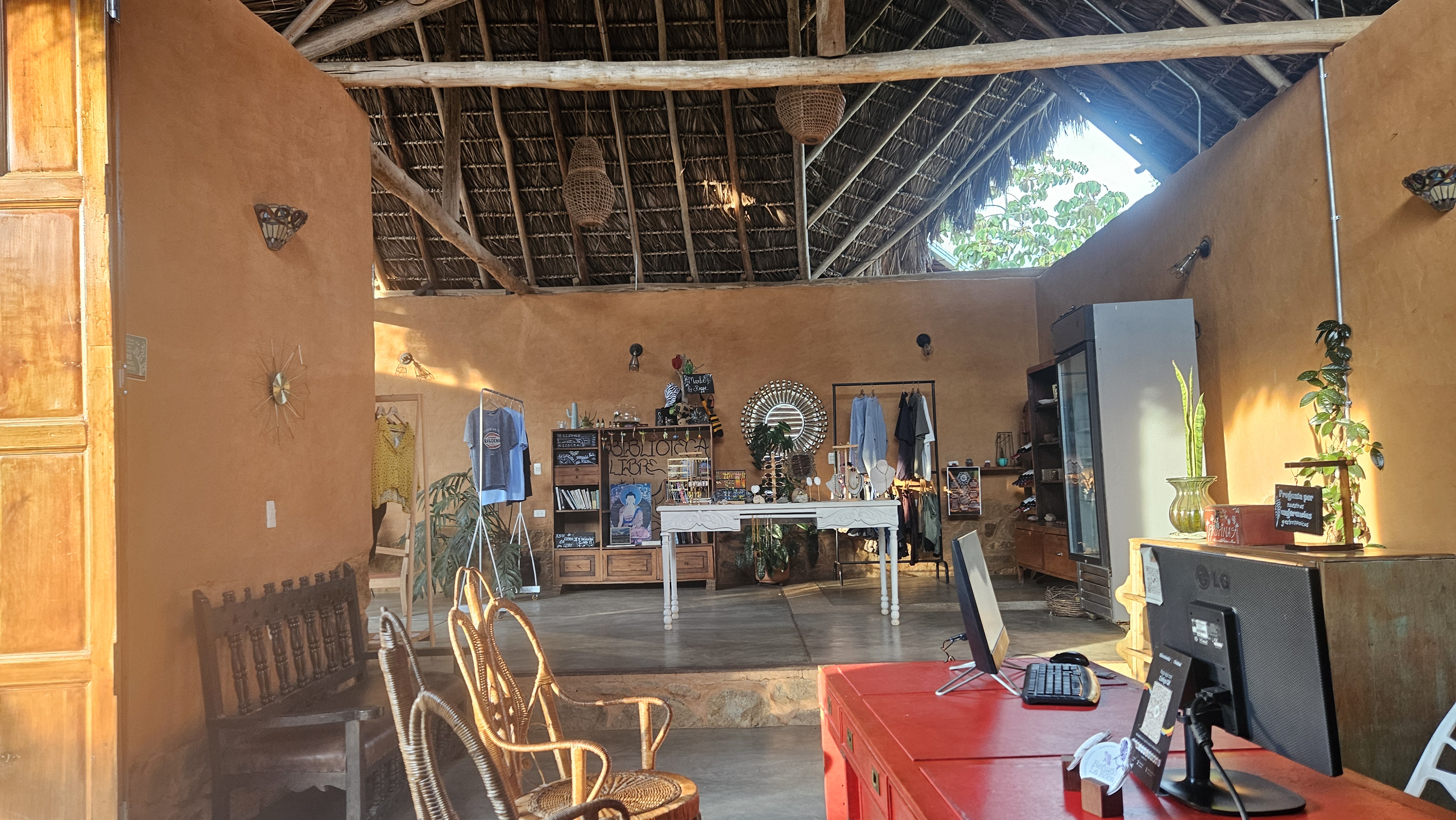
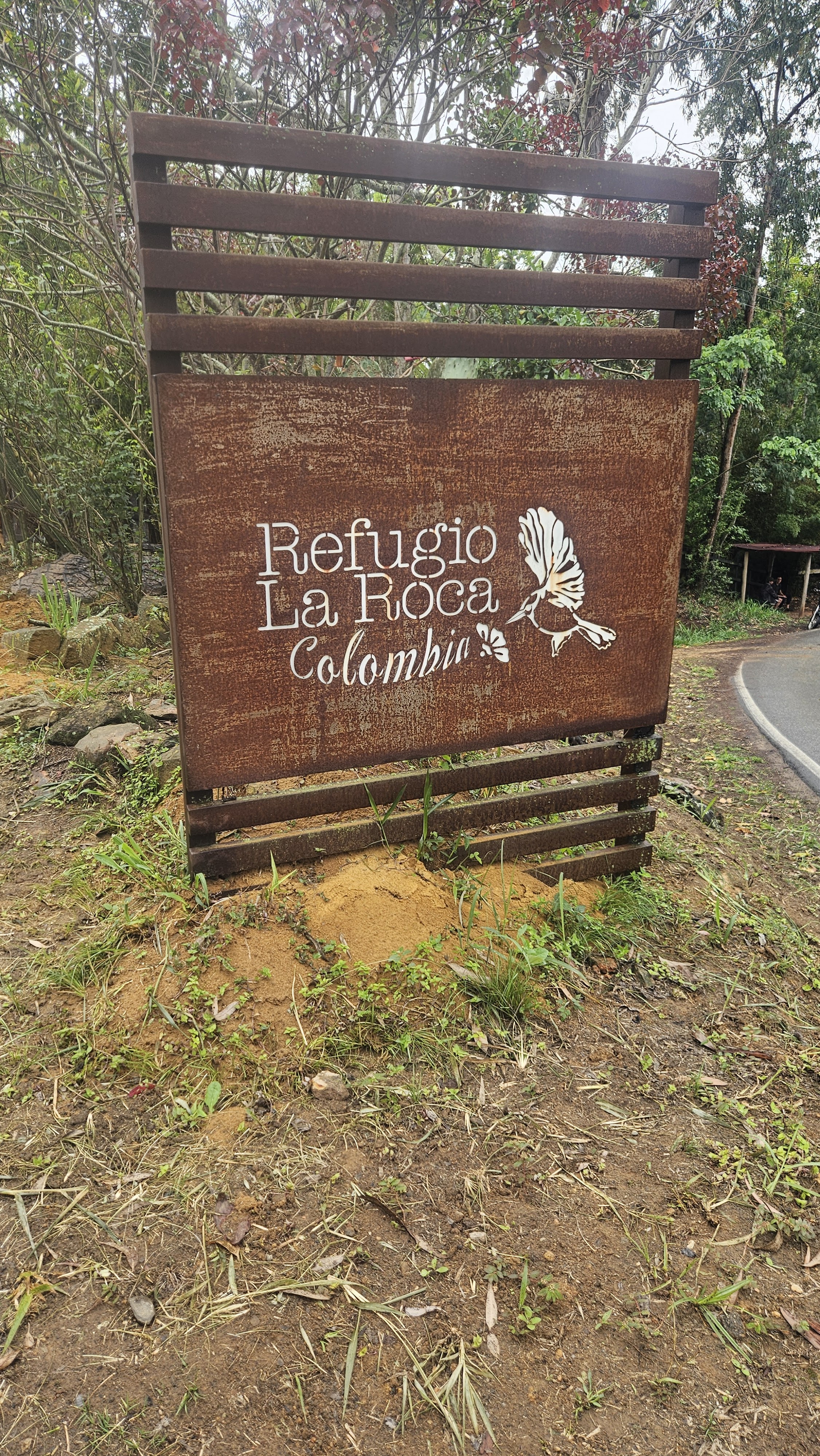
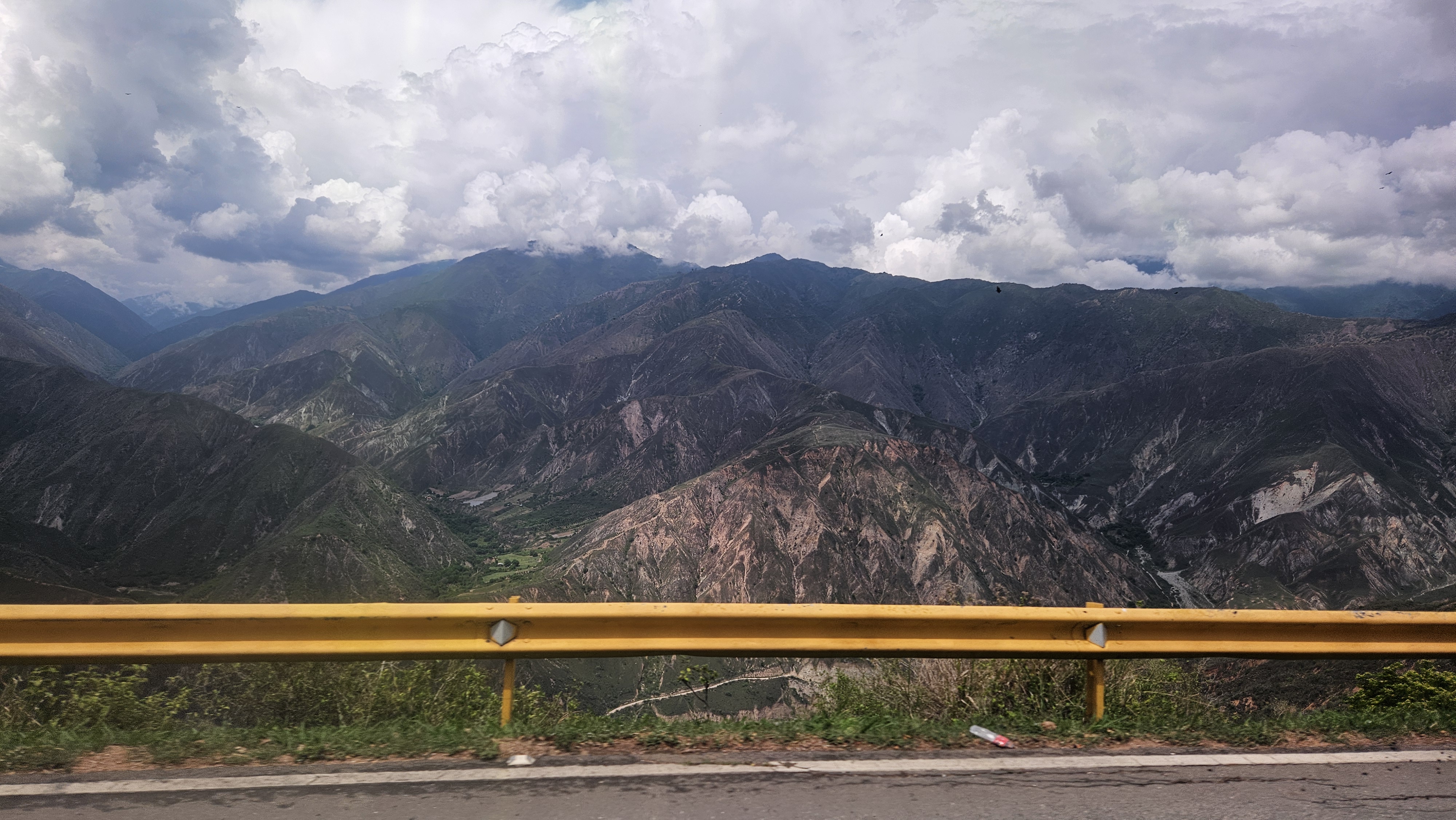
The plan went like this: 5 days in Bucaramanga staying in an apartment, a night at Refugio La Roca at 1 and a half hours from the city surrounded by canyon vistas for his birthday, a week in San Gil, and from there, there were a few options, but we weren’t able to define it all because I didn’t have all the information about the baptism. Still don’t, except that I probably won’t be here for it.

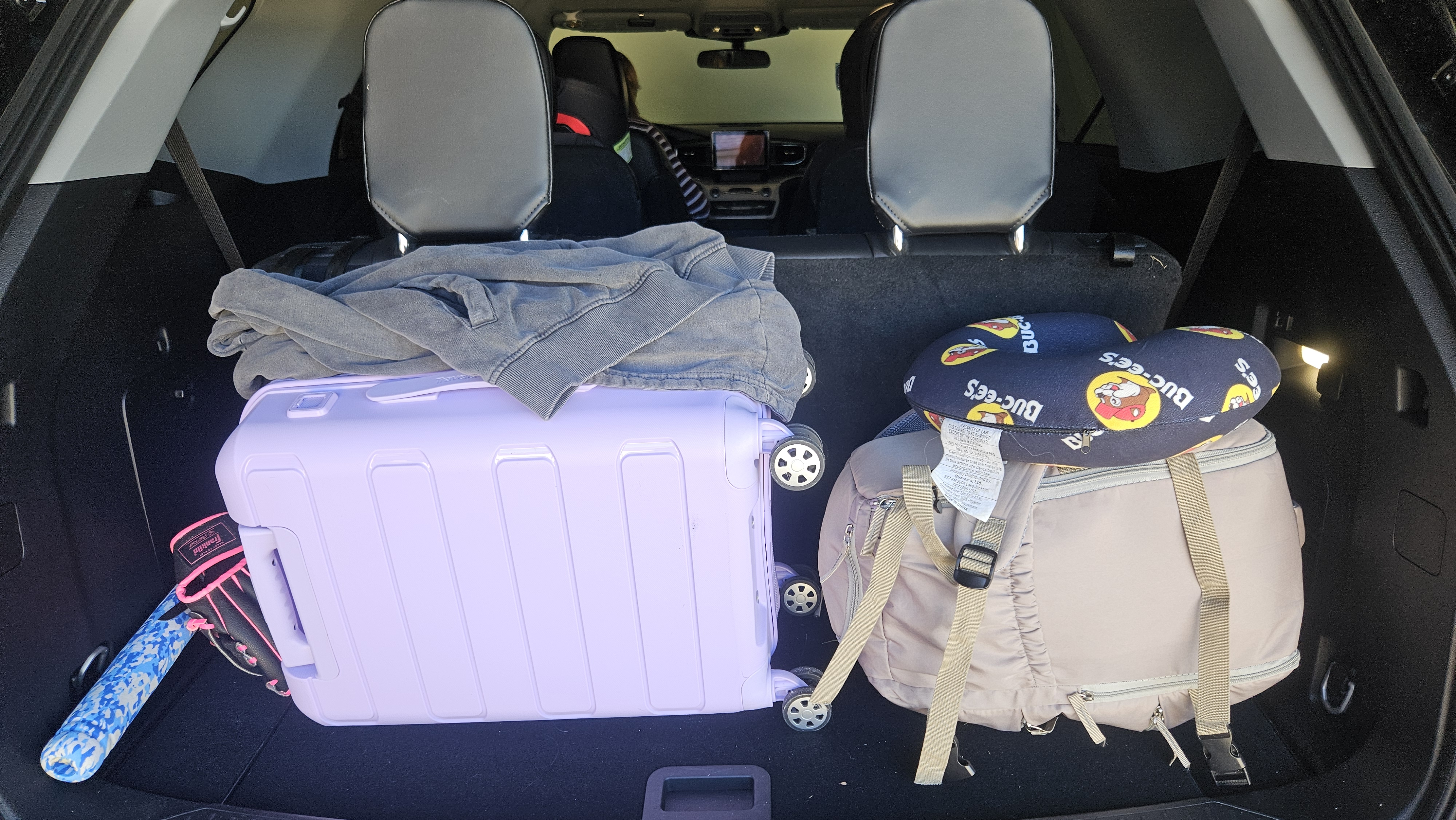
My luggage for a 3 and a half month trip – how’d I do?

A few flights later, lunch, and a taxi, and we’re on a 12 hour bus from Cartagena to Bucaramanga. The next day basically I got sick. I’ve only just really recovered from that icky flu (congestion still hanging on tho). Then, I felt the tell-tale signs of a UTI. Lovely. Just in time for his birthday in the middle of nature. I was weak, in pain, and yet still teaching my lessons and trying to do my part to make the trip go smoothly.

I got a uroanalysis done in San Gil and only got prescribed with antibiotics last week, so it was a long process of pain and discomfort.

The setup is to say, I wasn’t at all at my best. I was messy and feeling pretty unmotivated to establish my routines. I didn’t realize how this might be coming off, but there were moments. Like when I used his towel to avoid getting the floor wet. I do that with my own towel, but if I was in a dirty place, I’d usually dry myself off first. Still, I didn’t do that this time, he noticed, and it bothered him.

Since the end of January, he had already expressed that the way I chew (especially when I’m tearing into something out of hunger or enthusiasm) activated his misophonia. I have misophonia, so I could understand that. But it still kept causing trouble. When he first told me it bothered him A LOT, I’ll admit, my thought was DOOMED because I know it’s an unconscious habit that would take me time to improve, and if it was that distressing for him (I think of how partners that snored or smoked affected me), then even a small thing could be a dealbreaker.

Still, we both were able to discuss it, and after quickly processing the feedback, I turned off my black-and-white thinking that he would never accept me and instead chose to think proactively. We came up with a code for him to remind me when the smacking was obnoxious.

2 months apart, less than 2 weeks together again, and we’re sitting at a table in Gringo Mike’s talking about his conflicting feelings about our future. The past few days had been tense, but it was a slow burn.

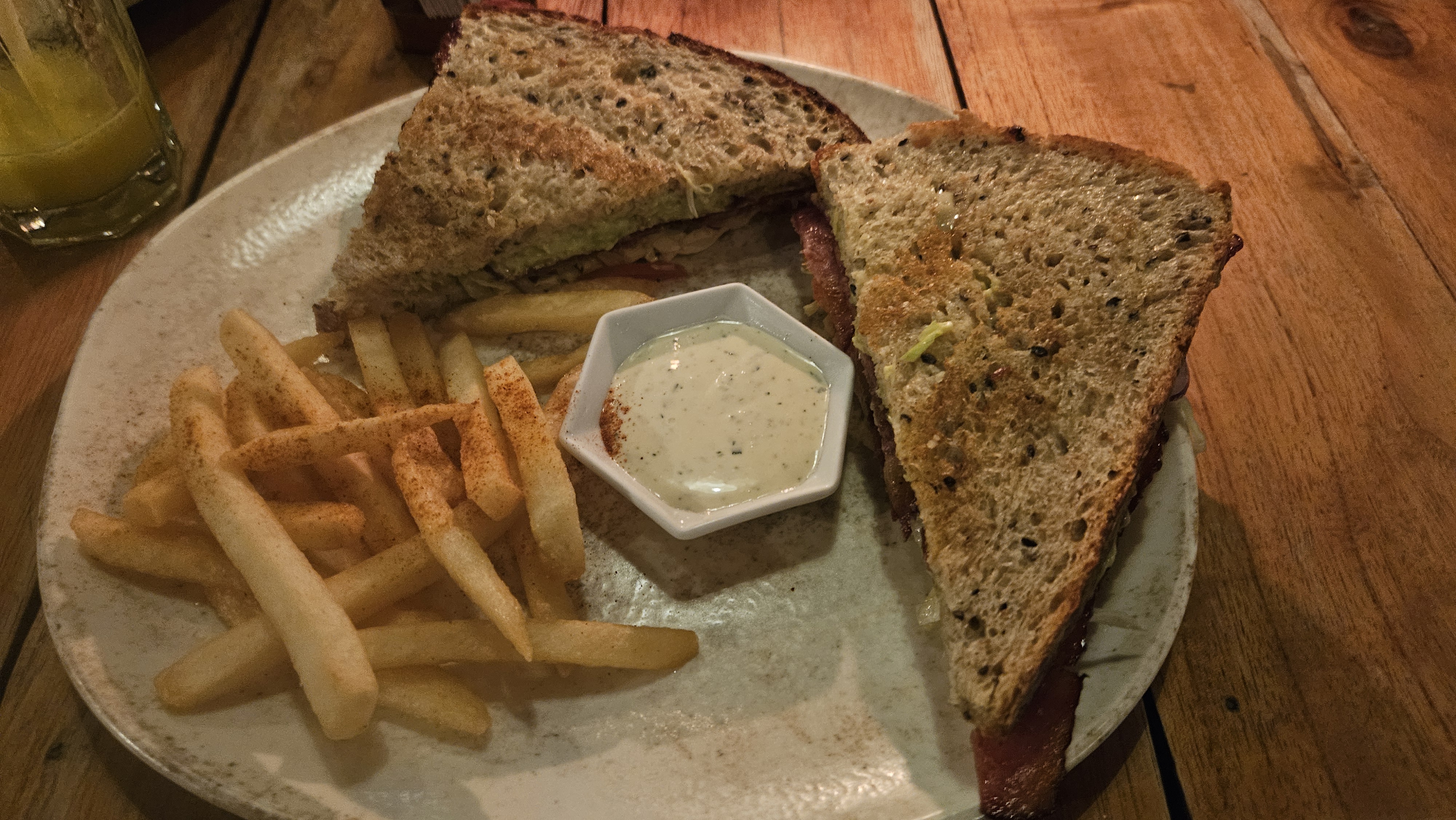
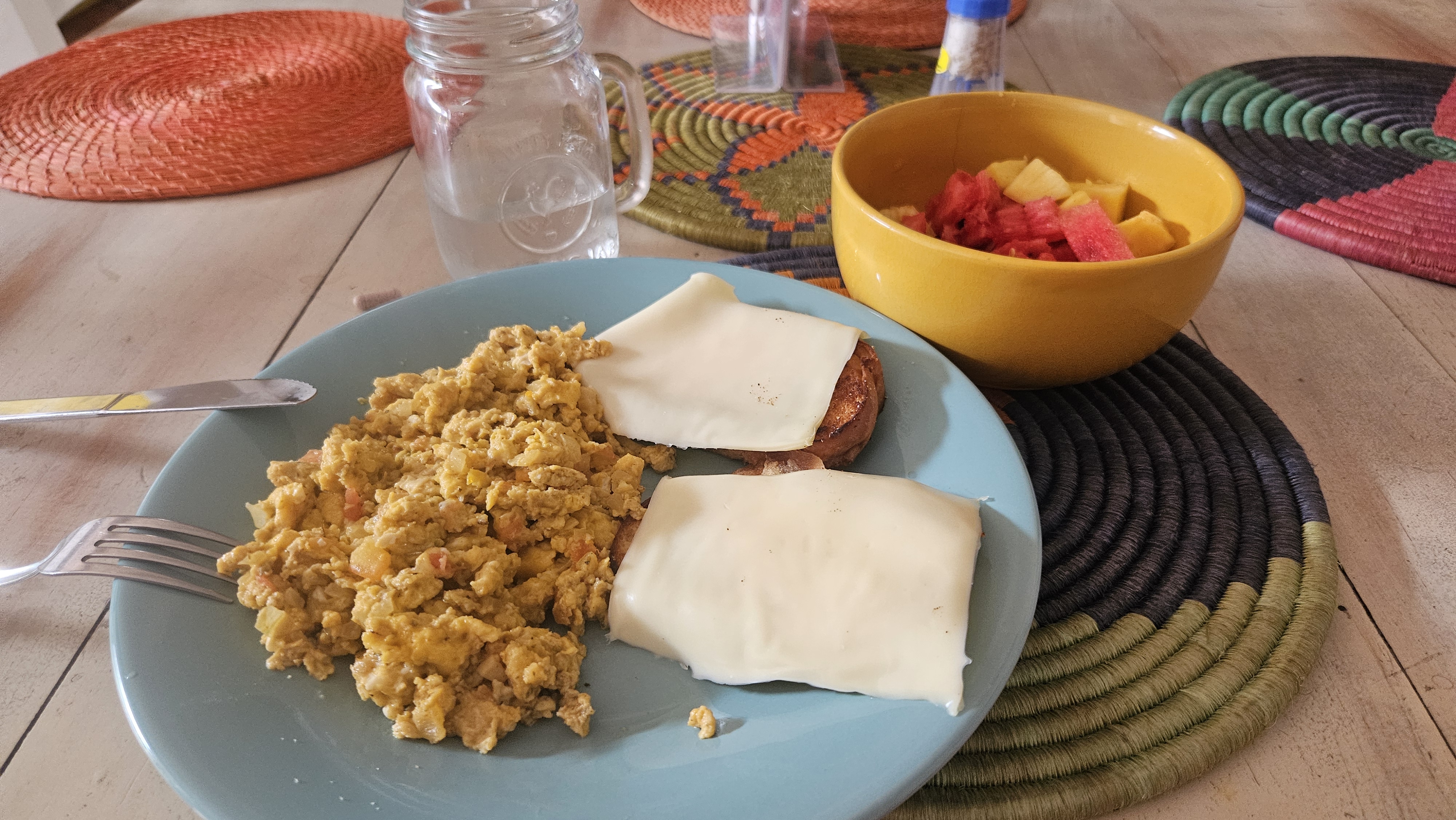
The Last Supper in question

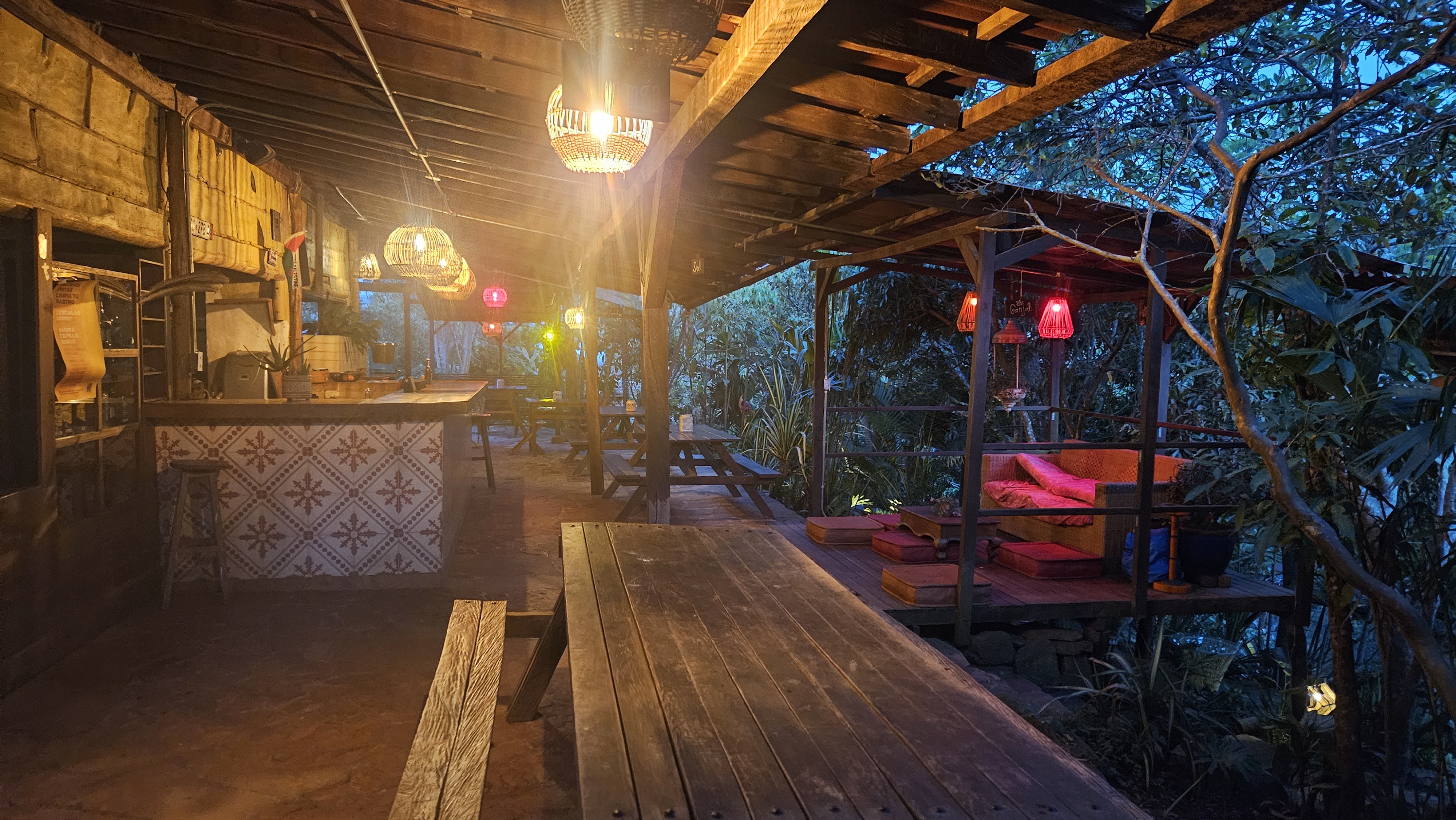
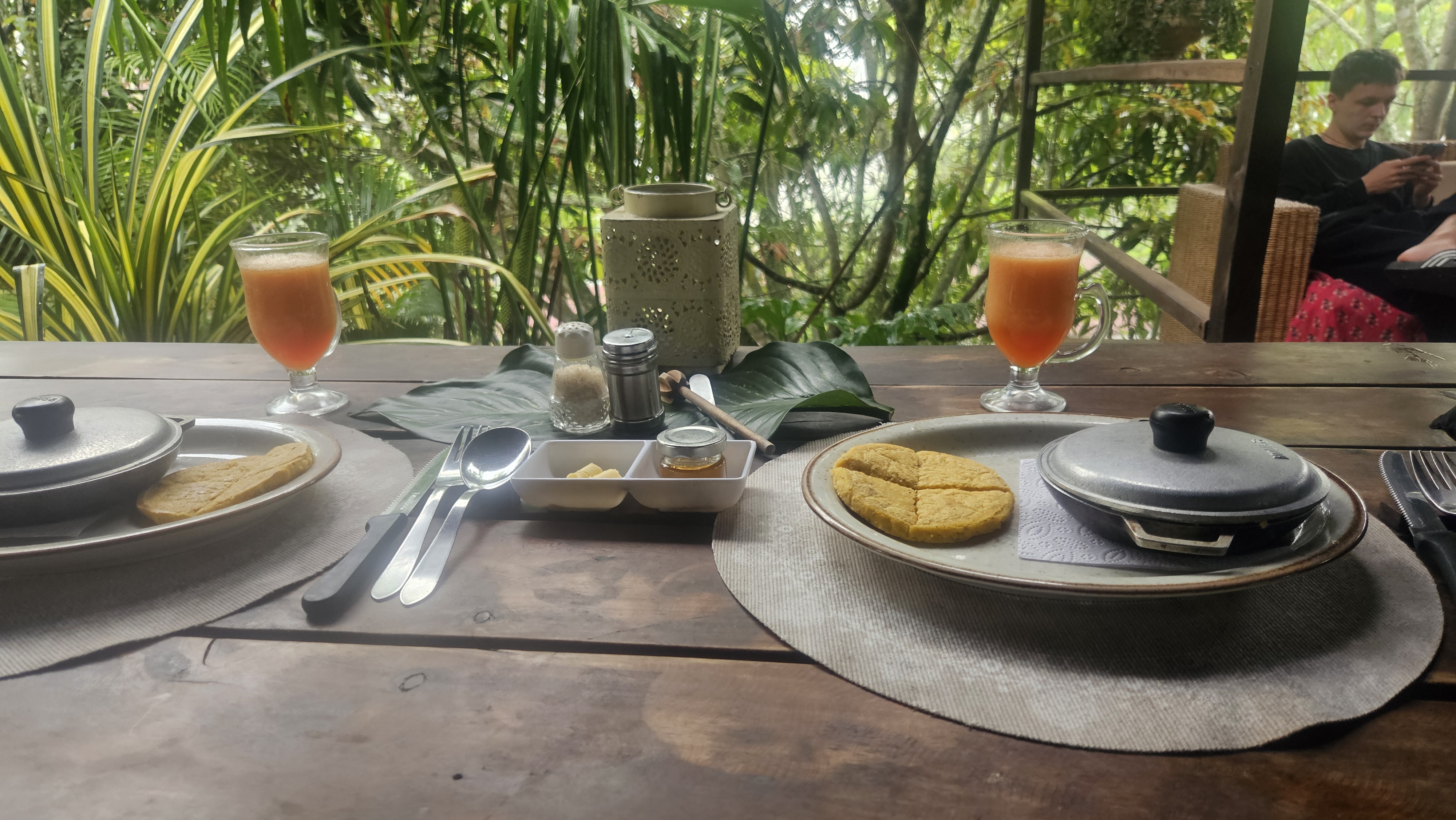
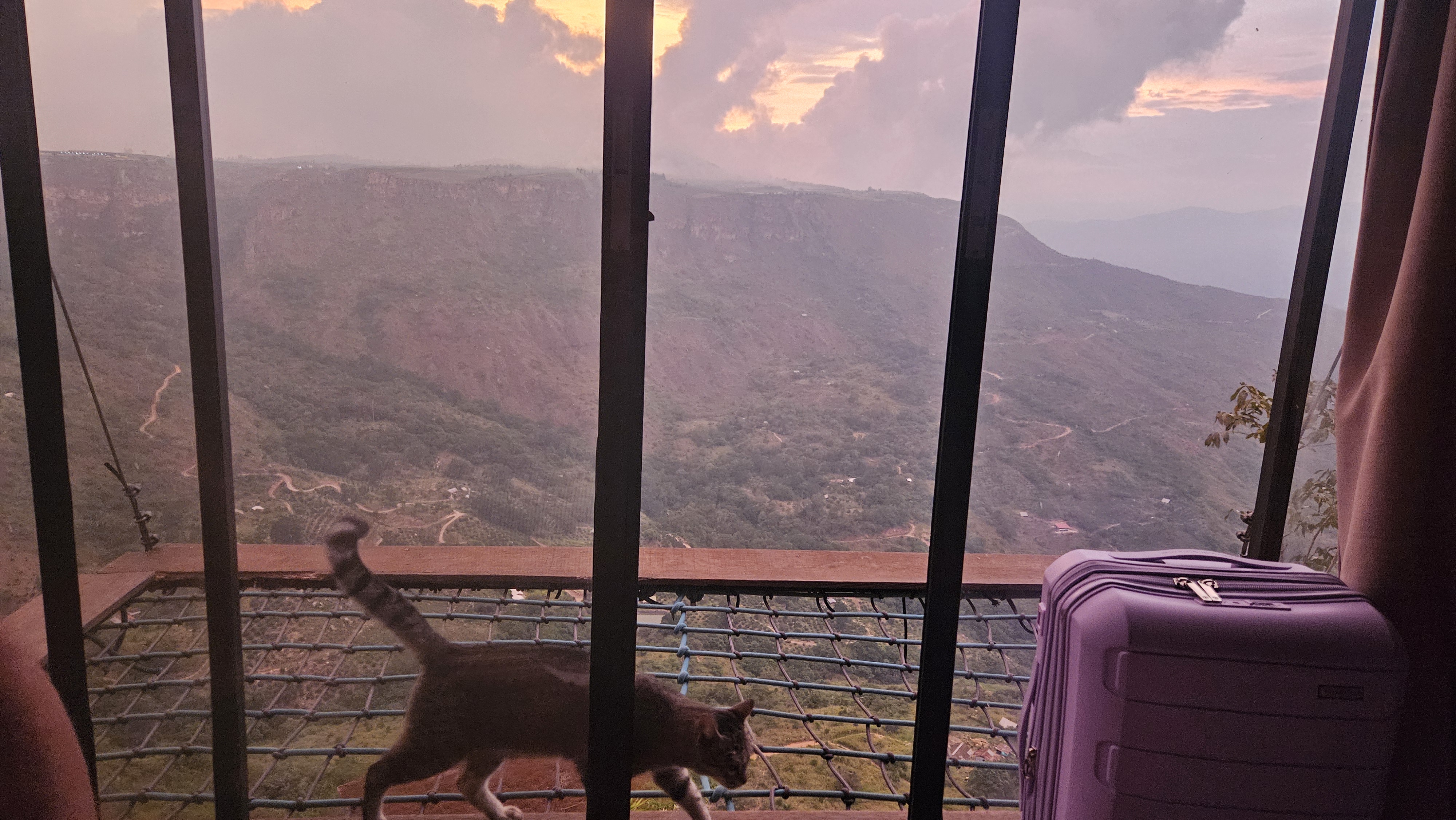
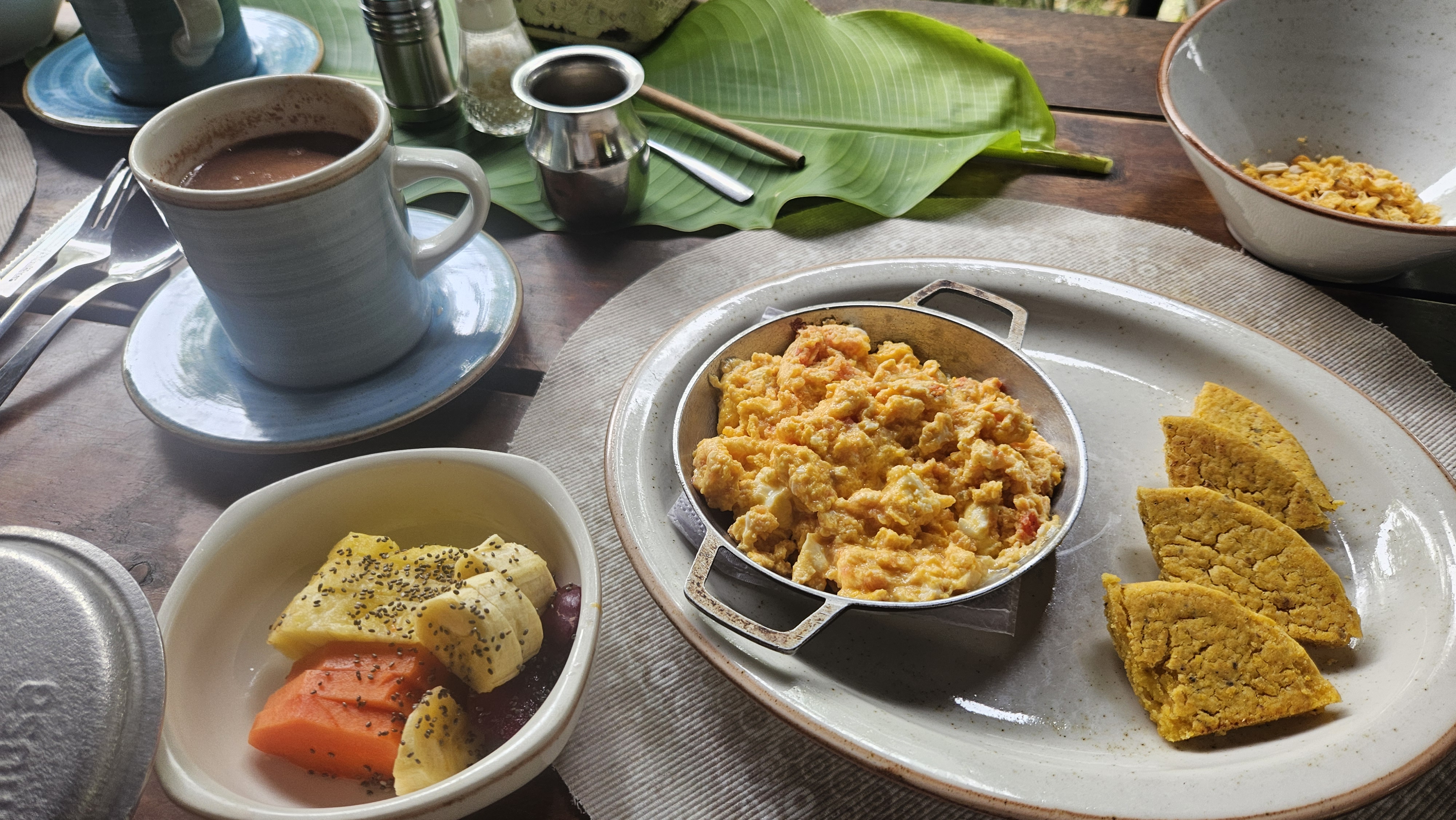
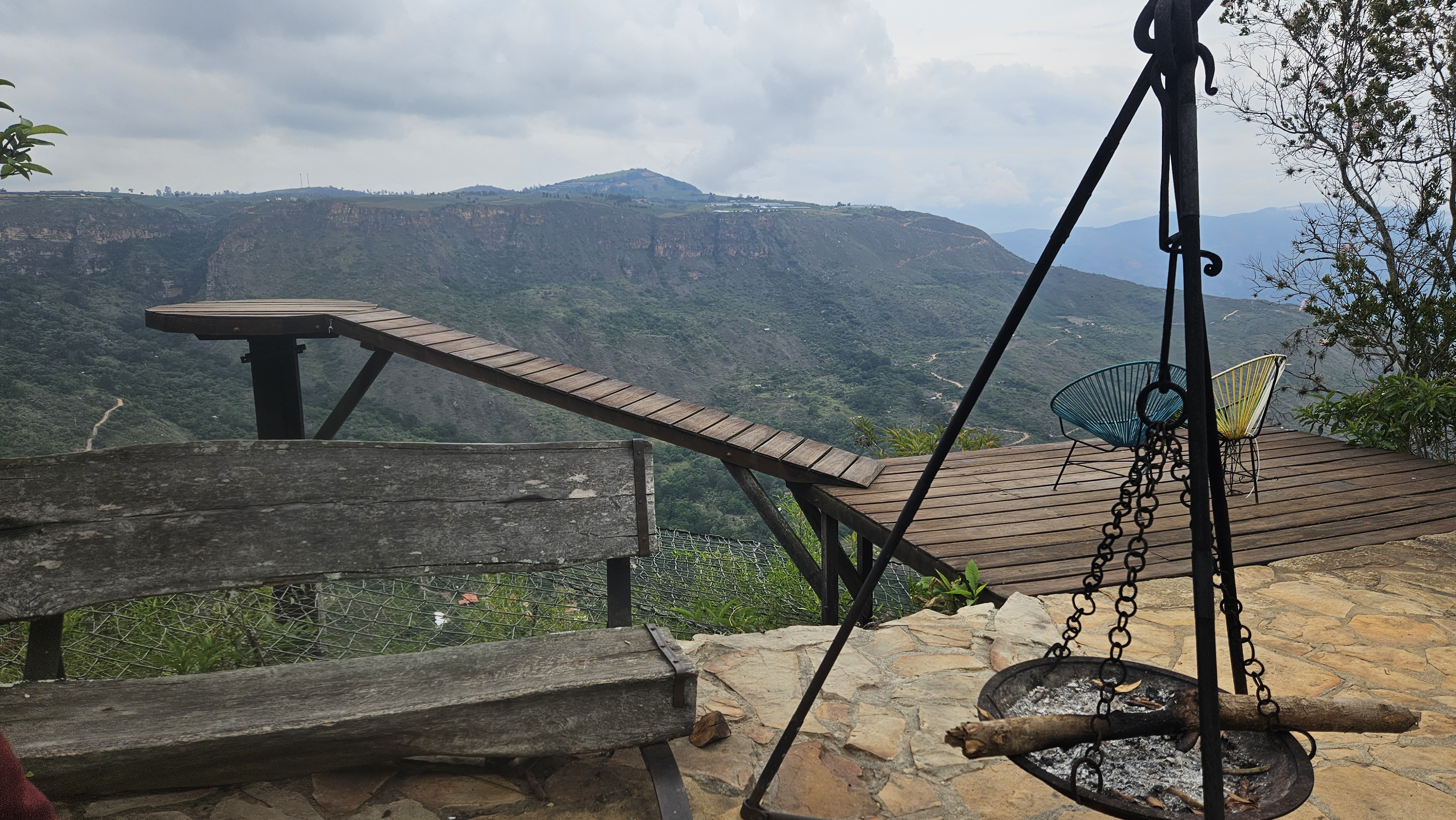
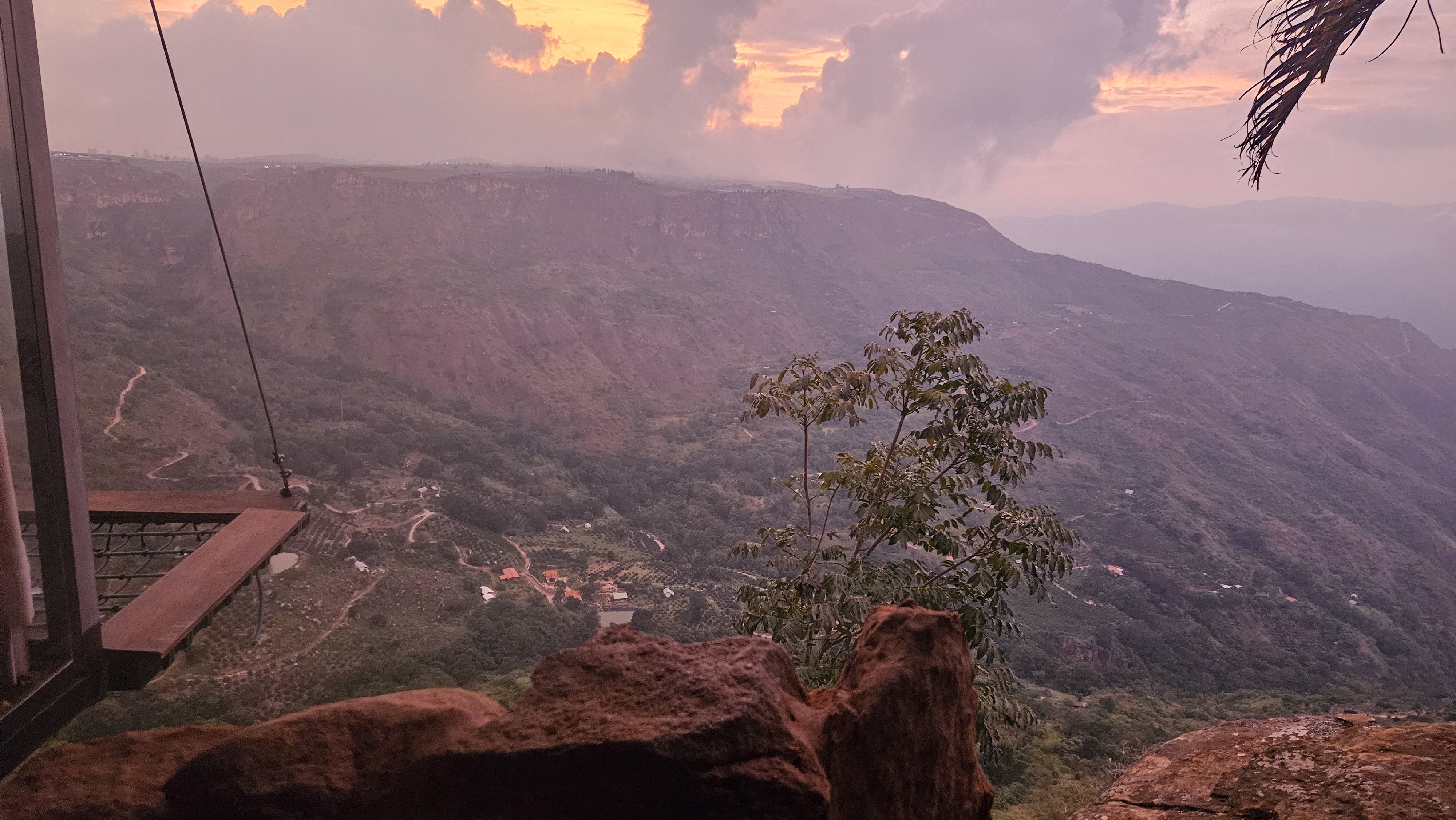
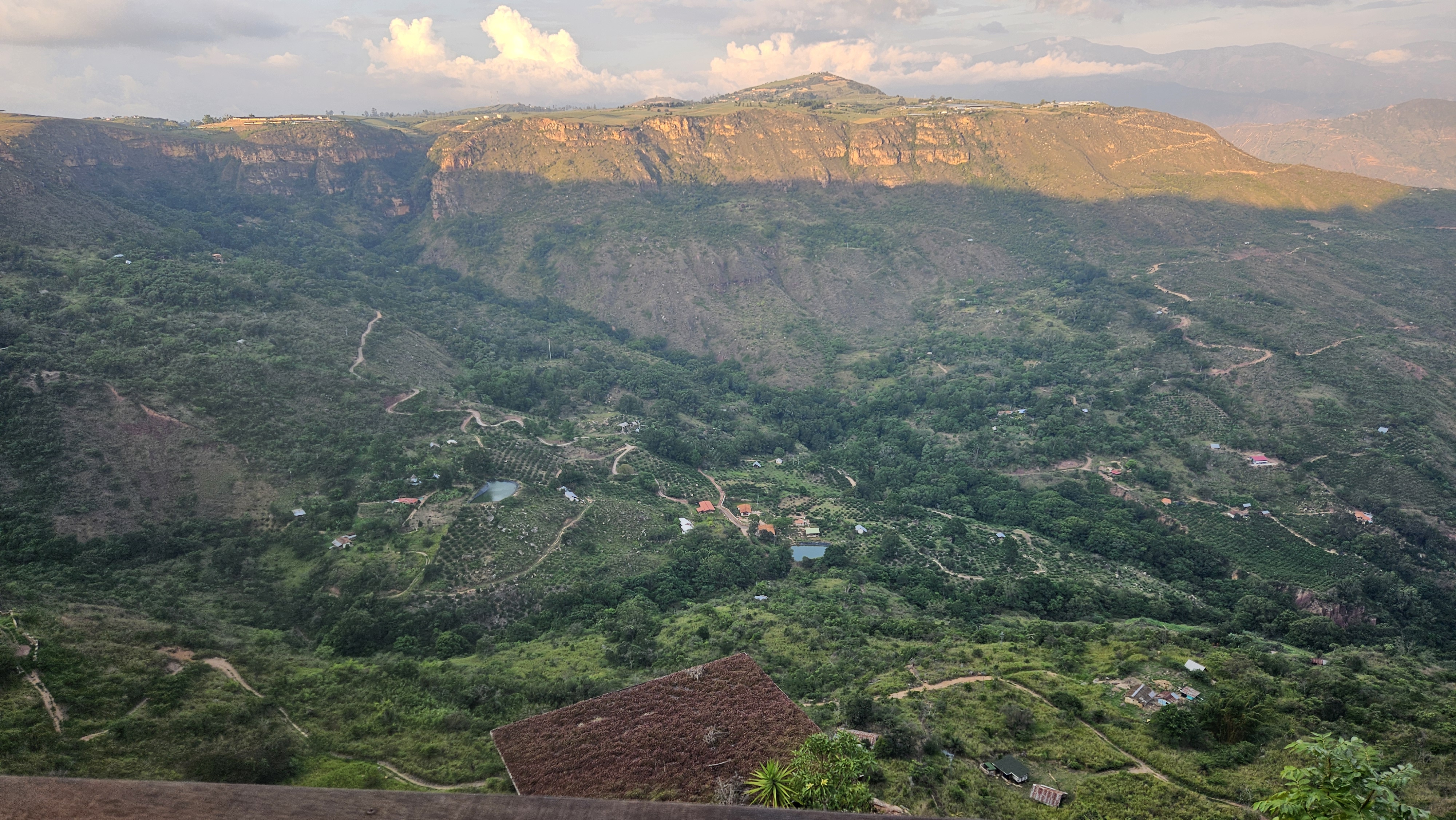
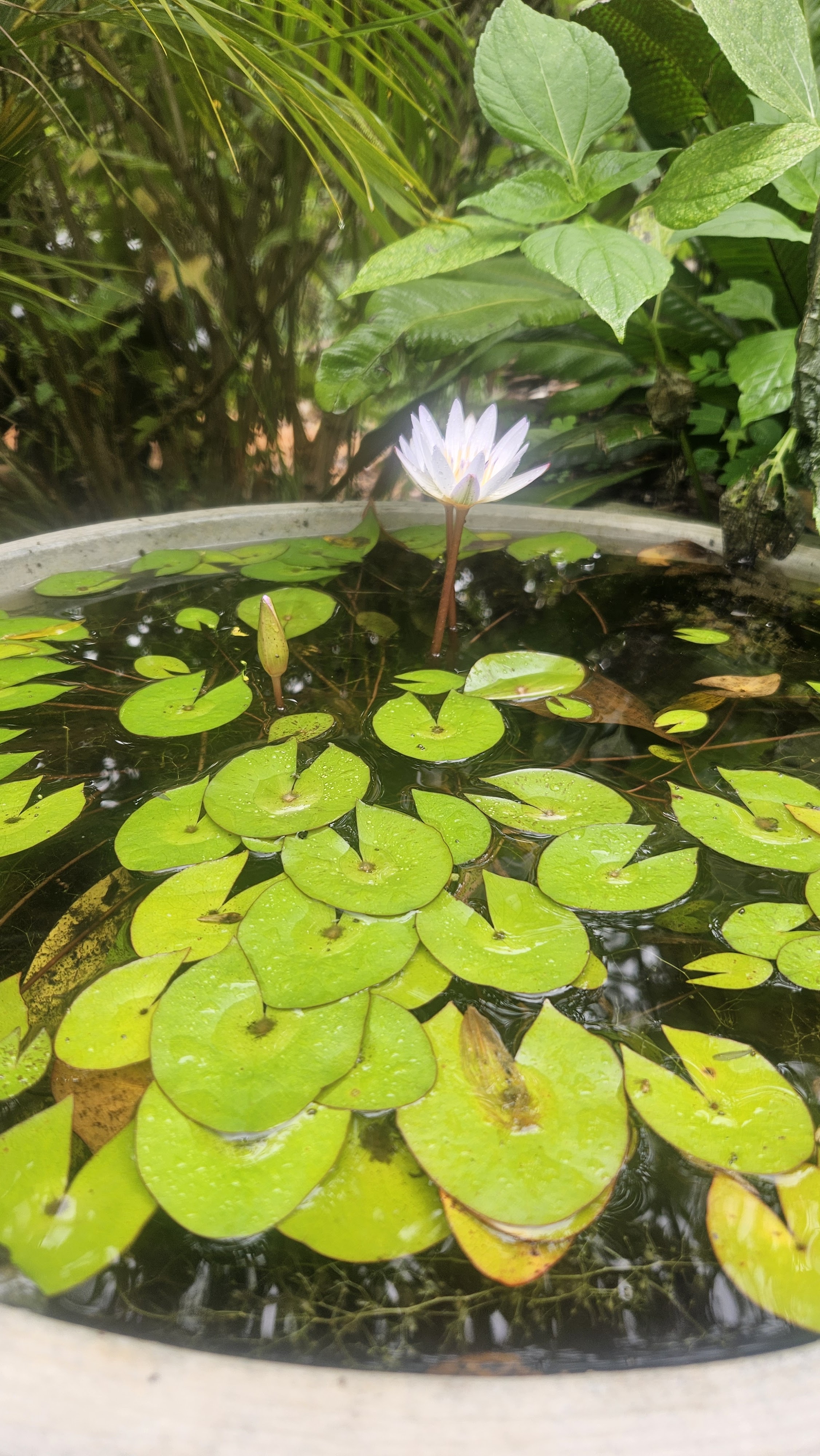
There was a paro (road blockage caused by strike) in Santander, so we ended up spending 3 nights instead of one in Refugio. The staff was lovely to us. They gave a generous discount for the nights we were stuck there that even eliminated the cost of food we had consumed. The place was beautiful and utterly worth it. Cool air, stunning sunrises and calming sunsets. I had the room decorated for his birthday, and they had gone above and beyond, covering the bed and floor with flowers and providing a moist, delicious brownie and a bottle of wine. There was even a cat that came and snuggled with us every day. Plus, the internet was strong enough in the restaurant for me to get all of my work done in relative comfort.

Yes, there were stressful moments. I felt shutdown because my body was in misery. UTI’s and nature do NOT go well together. I woke up at 5 am from the pain and had to just sit on the toilet or stand under the soothing hot waters of an outdoor shower complemented by a colorful landscape view. Yet, I was not okay. I felt lucky that he stepped in and helped make sure we got the discount and communicated proactively with the staff, because I didn’t have the energy to. The situation was frustrating, and I felt like a Colombian would be better received. In the end, everything went well. Crisis averted.

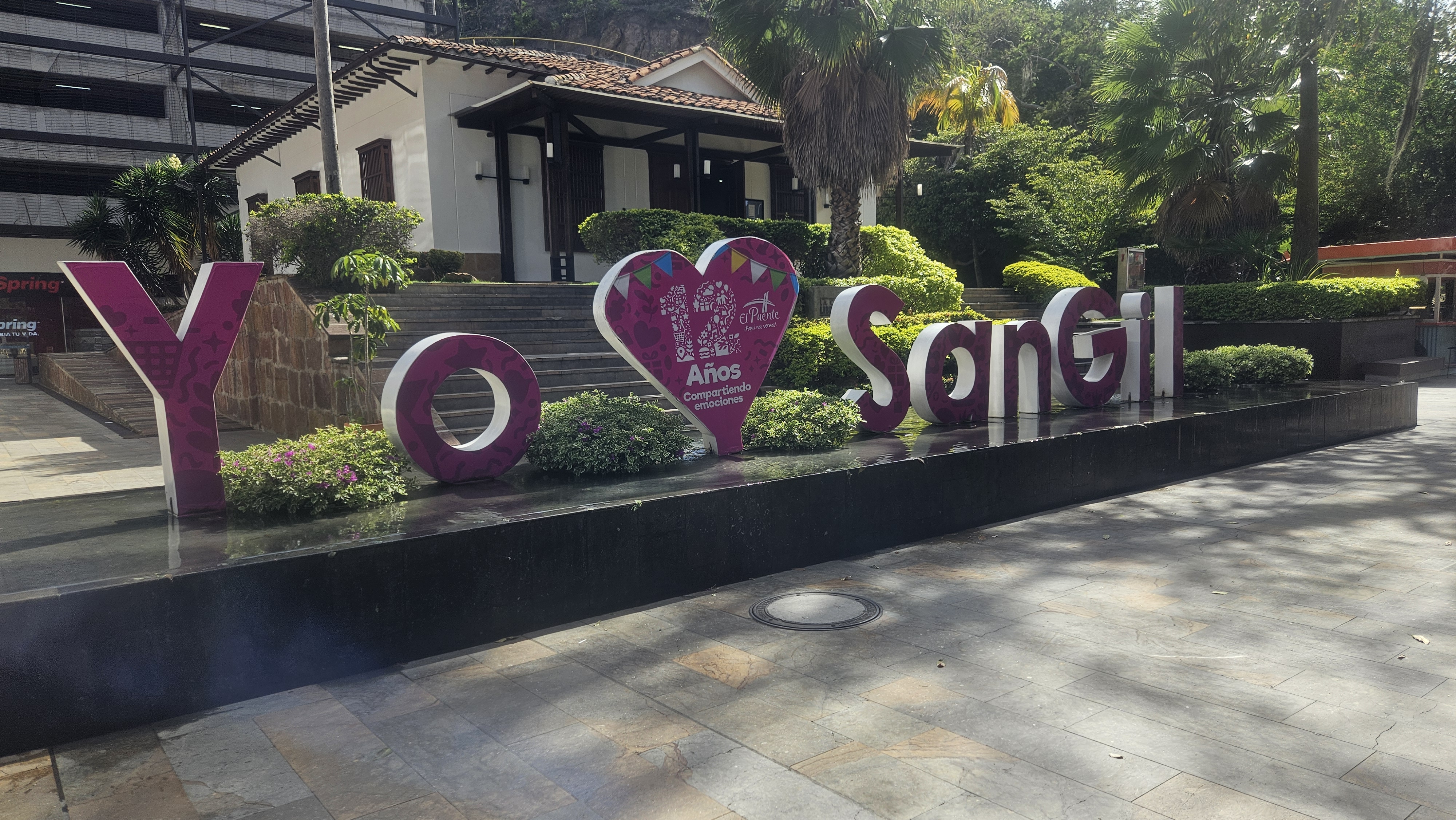
What did we learn? Well, we had a nauseating ride to San Gil. Those curves are BRUTAL. We both felt like shit. He was having trouble hearing. I spoke to him in Spanish, he asked me to repeat myself in English, and I took it the wrong way. I admit, my insecurities with partners using me to practice their English was my main hangup. That escalated quickly, and we were outside of Meraki boutique hostel arguing. I thought he’d called me an asshole (my hearing after that ride was also shit, apparently), everything happened fast.

There it was. The cracks that showed. And then the next night, dinner, he uses our code word in an irritated tone just as I am opening my mouth to answer a question he had asked me – and I snapped. That was the beginning of the end. Hard conversations, irreconcilable differences – to him, that to me had just been motivated by stress and discomfort. No future. That was his conclusion. No use investing more time, energy, and money.

So, now I’m solo traveling, unexpectedly, and dealing with a breakup I equally was not prepared for. I thought that maybe things would go downhill slowly so we could handle it with grace, but it turned out to be a fucking avalanche. I’m still conflicted about his reasons, the way he spoke to me and decided to leave. I honestly believed him when he said he didn’t give up easily. I guess I underestimated just how serious his past trauma and triggers were. Because apparently, I activated all of them. And to him, no amount of time and calm to reconsider was going to change anything.

Takeaways? If you want to get to know a person, you can travel with them. It works. But be prepared for anything. Even ending up alone. Always have a backup plan in mind, an exit plan or an escape door for the other person. I didn’t think he would get tired of me first, and I think the blow that dealt to my ego has been the worst of it, but I’m trying to cope and treat myself with compassion.

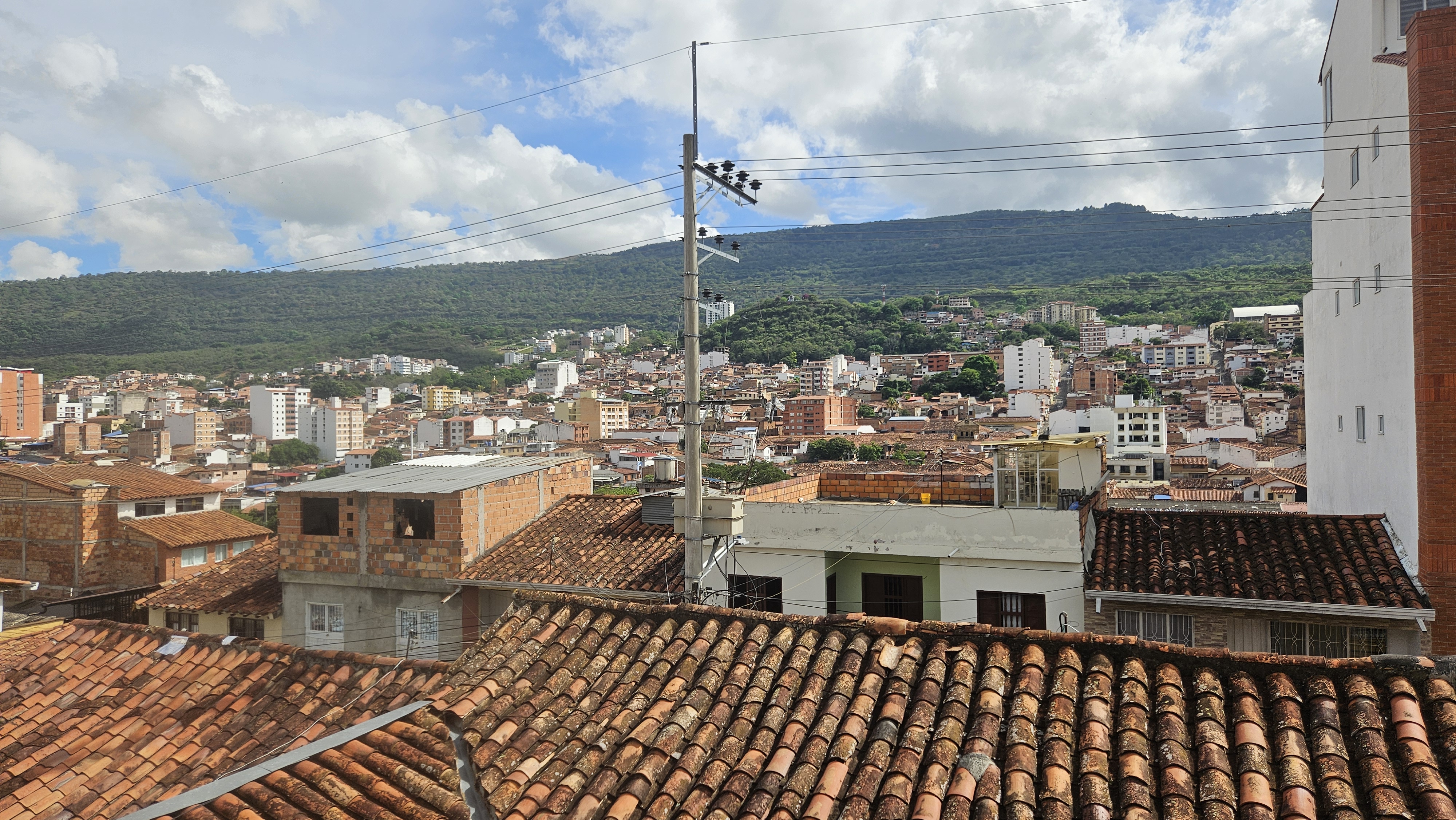
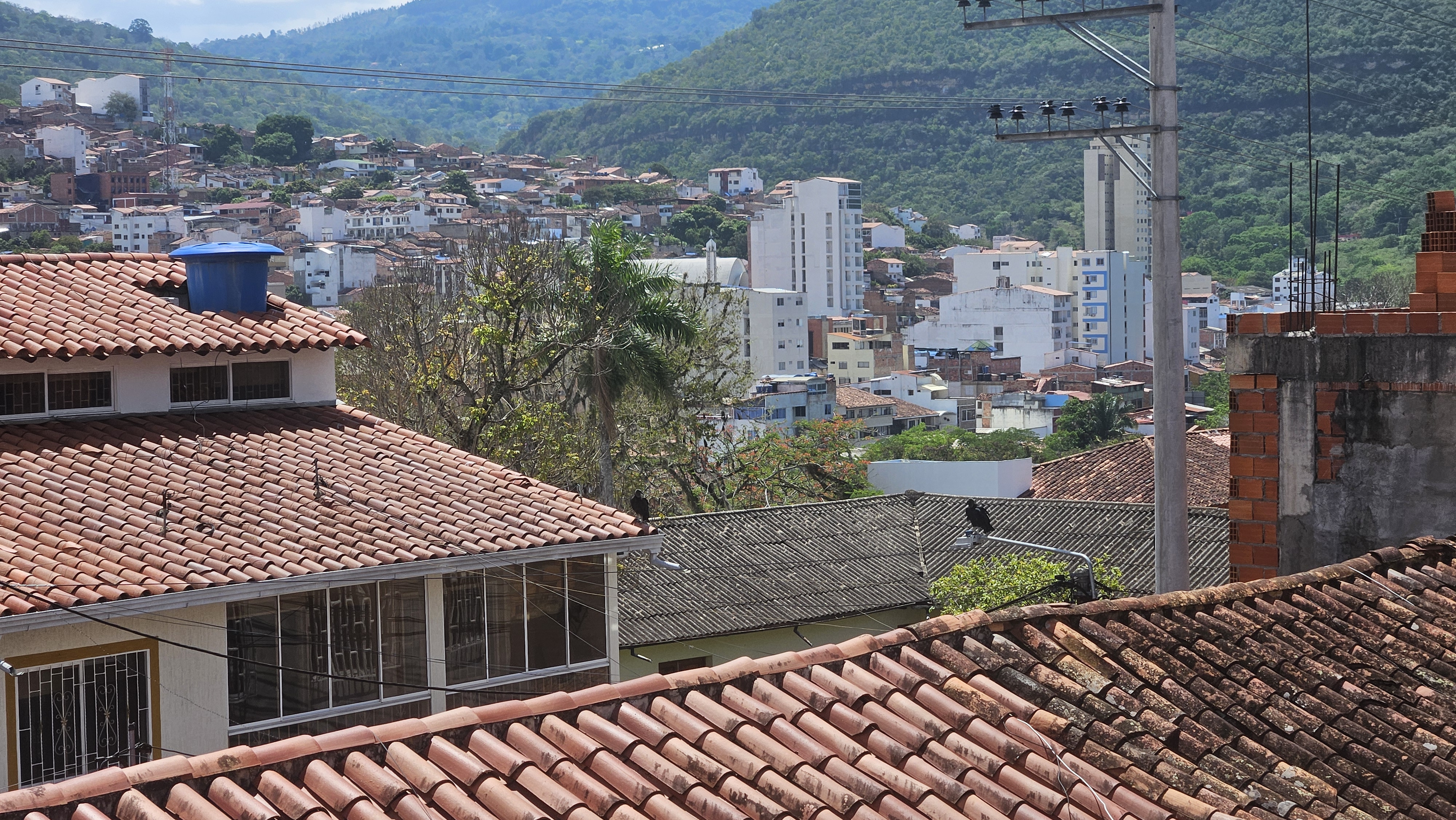
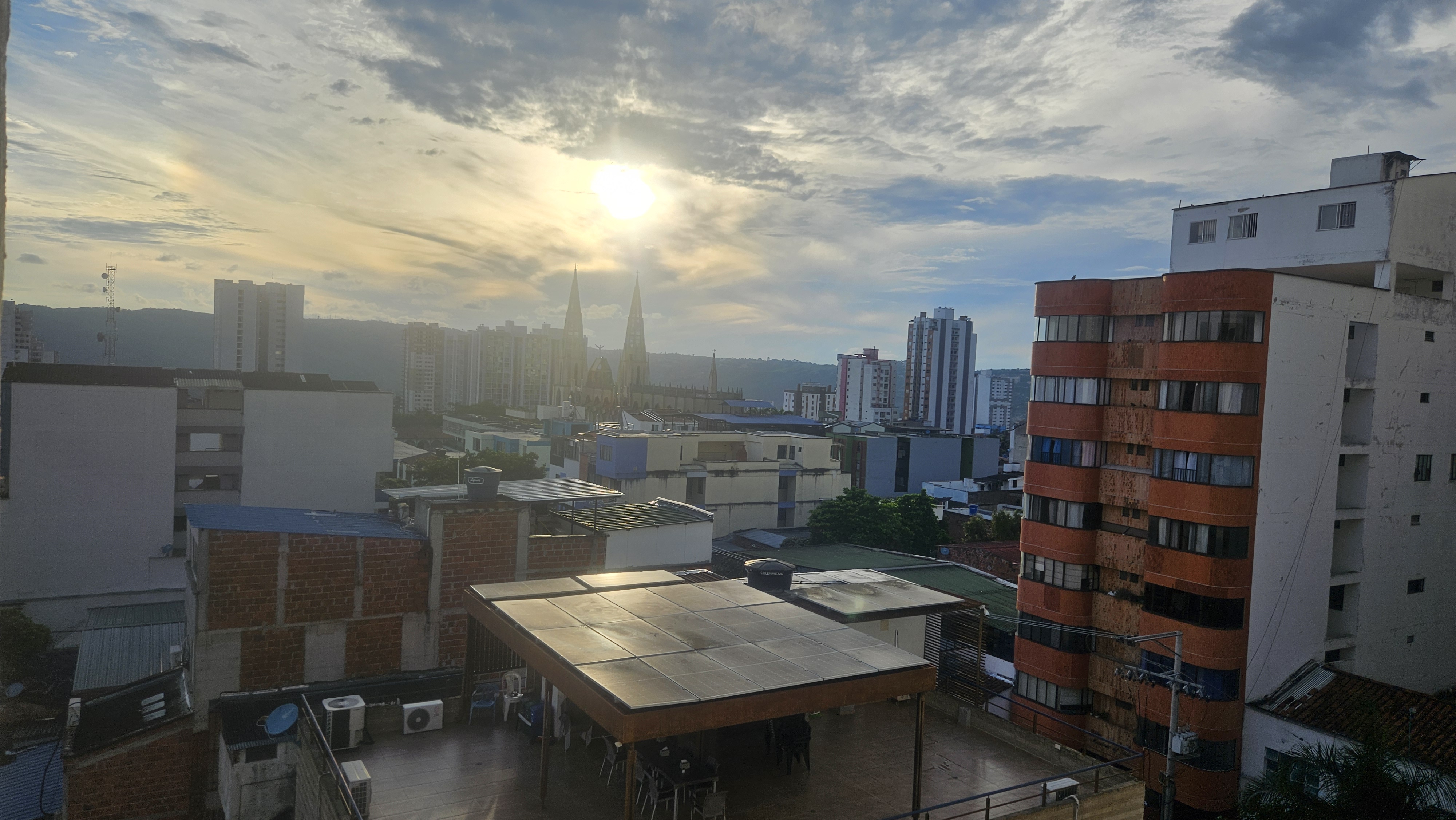
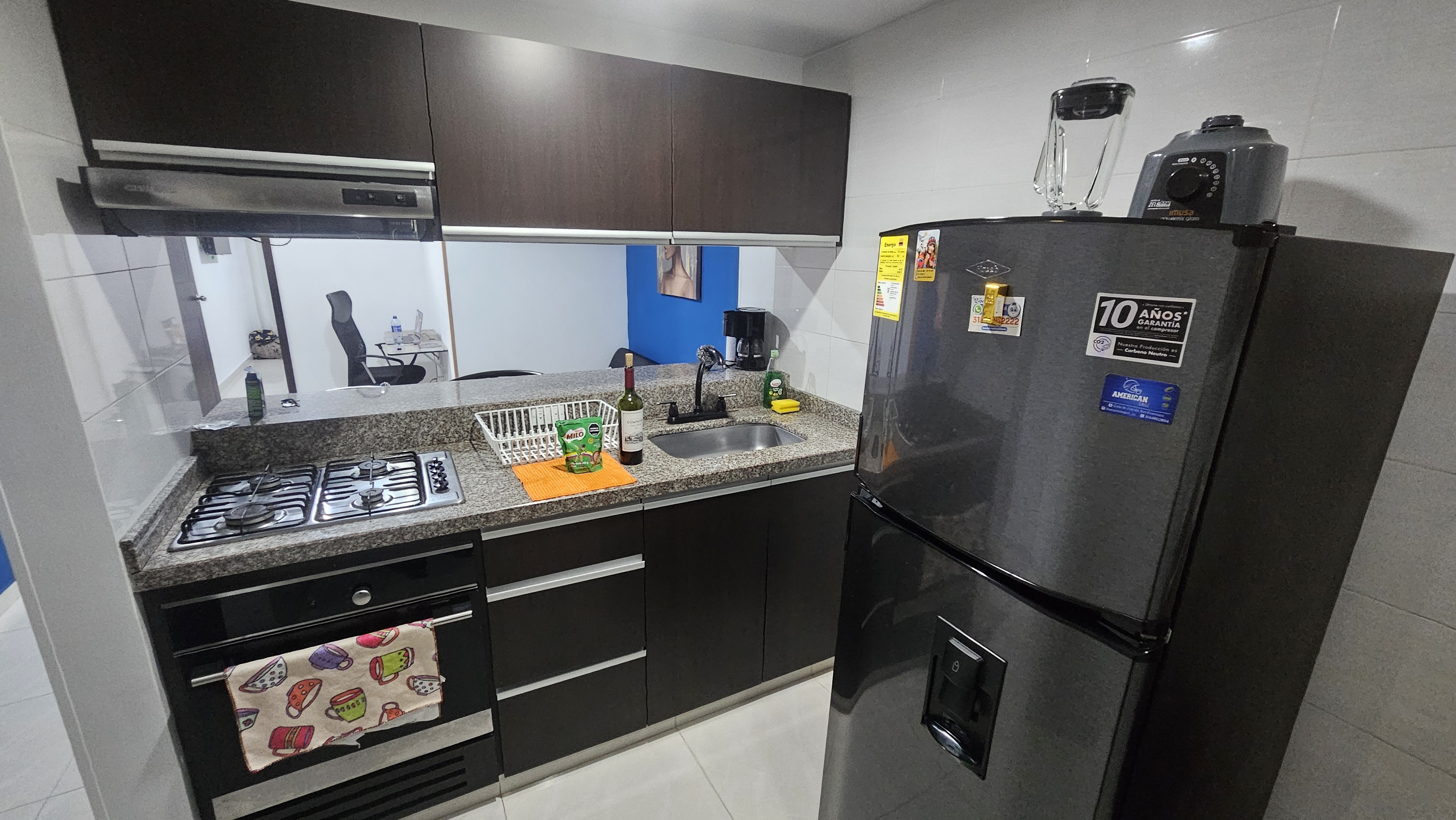
All of this being said, I have been working hard and trying to stay on track with my side projects. I’m almost done editing my next youtube video. My next move was to go back to Bucaramanga and get an apartment with a workspace – and it was my best choice. As much as staying with my friends can be convenient, I’ve realized I really love being alone. I don’t feel like I’m bothering anyone and able to keep things to my liking. I’ll be posting about my accommodations and budget – another reason I came back to Bucaramanga is because food and taxis are CHEAP here, it’s not a sprawling city like Bogota, but it has all of the luxuries, and the weather is practically perfect.

I’ll also be sharing insights and tips as I prepare to go from Colombia to East Asia. Korea, Japan, and Thailand, I’m coming for you! I just need this time to process… And I thank you, compassionate reader, for letting me vent and share my Drama with you on this blog.

P.S. The Drama reference is intentional: I saw the movie on Sunday, and WOW. If you like morally ambiguous, emotionally charged movies that challenge you, where you don’t know whether to laugh or cry, I would highly recommend it.

Your best friend is you: Part 1 (Translation)

Self-demanding, my worst enemy

There’s no better way to start than with the origin of 90% of all of my emotional woes: perfectionism and demanding too much of myself. In other words, my black and white, all-or-nothing thinking, 100 or 0 thinking. The profound conviction that I was never enough. That I always had to do a little more. I was even convinced that I shouldn’t celebrate or be happy about the accomplishments that I had invested so much time and effort into because I was just doing my duty. It’s what I had to do. So, automatically, without time to process what had happened, I had to continue being productive, reaching objectives, chasing goals. For example, if I managed to get good grades on tests, it wasn’t a reason to celebrate. I was just fulfilling my obligation. No matter how much blood, sweat, and tears it cost me to pull it off, I didn’t even feel gratification but rather a sense of spectacular indifference that made me shift my attention to reaching the next goal.

When I try to find the root of all this, I realize that one of my biggest concerns since I was very young has been to not disappoint others. Act the right way. That’s made me had a huge sense of responsibility and an extremely rigid and demanding mindset.

You know those horses that have blinders on both sides of their eyes to give them tunnel vision to keep them from getting distracted so that it’s clear what path they must take? Well, I’ve been exactly like that all my life.

As children, we observe what happens in the adult world, all of the problems and discomfort that comes with it, which is why we don’t want to add more fuel to the fire. Therefore, we force ourselves to be perfect little beings to not cause any trouble for those people that we love and admire so much. Or at least, that’s what happened to me.

Wanting to control everything in a world where nothing is predictable produces a tremendous amount of anxiety. It’s living and constantly trying to keep a multitude of factors and circumstances that escape us under control.

I’ve always believed that there was a sort of drill sergeant in my head that spent all day ordering me around, disregarding how I felt completely. “Don’t stop! You have to be skinny to be beautiful! You have to tell everyone yes so that no one gets disappointed. You have to be popular, be the best friend that everyone would wish to have. Be the best daughter, the best student, the best girlfriend. You must study to have a degree that makes other people proud. Give your 100% in everything, be super clear about everything, show self-composure.”

All my life spent repeating these mantras to myself, beating myself up, and talking to myself as if I were my worst enemy. My worst teacher or my worst boss. Little by little, this took its toll on me and, of course, on my mental health. Sometimes when I look back, I would like to hug that girl and tell her not to be so hard on herself. To not be so afraid. To not put so much pressure on herself. That it’s not worth it and isn’t going to be good for her. But I guess that everything that happened has also turned me into the person I am today. It’s something that I had to go through to grow and learn.

Allowing myself even the smallest margin of error was the same as failing. I had to always be the best in everything I did. I remember perfectly that when I started going to therapy years later, one of the first things that my therapist said was: “Cris, you have to choose what you truly value and prioritize it to try to invest the most attention and time you can. You have to be an 8 or a 9. But there are other things where you might be a 5 or a 6. And that’s okay. If you try to be a 10 in everything, you’ll end up nosediving to 0. Because there is no way that your mind and your body can take that level of pressure. Assume that you can’t be a 10 in all aspects of your life.” Her words managed to open my eyes. It seemed very simple, but it wasn’t. Because for as long as I could remember my thought process had always been rigid and closed off.

Sometimes we have to hit rock bottom to realize that the level of pressure that we are putting on ourselves is completely unsustainable. And that’s exactly what happened to me. The result of demanding so much of myself ended up snowballing into a stubborn anxiety. But I’m getting ahead of myself. I’ll go into more detail about this later on.

What I have learned for sure is that we are not perfect machines. Even if we sometimes feel that the world’s pace demands that of us, we are not. In the end, as my mother says, we are nothing more than little bags of chemicals, people full of feelings and emotions, not robots. We can’t always get to everything, we can’t be liked by everyone, we can’t always be in the best mood. We can’t expect ourselves to never make a mistake ever. It’s impossible. When you internalize that and accept it, you feel an enormous freedom, even if it’s hard at first. You’re human, and therefore, vulnerable.

And that’s not a bad thing. It’s an innate part of our condition. We have no reason to run from that vulnerability. That only hurts us. And the best thing of all is that the world will not end if we are a little imperfect.

Now I know that people will not stop loving me. I’m not going to stop pursuing my goals, and I’m not going to die either. Quite the contrary. Now that I recognize that vulnerability, I stop putting so much pressure on myself. I let myself flow more, resulting in being more myself and happier.

The next time you think about demanding so much of yourself and berating yourself in some way, ask yourself if you would talk that way to a good friend that is doing the best she knows how, that’s giving her all, that’s making an effort every day to live life however she can. You wouldn’t, right? Well, don’t do it to yourself either. Because ultimately you are your own best friend.

Dear friend, invest your time and attention in the things that you value. Accept that you can’t be liked by everyone. Talk to yourself as you would talk to your best friend. After all, you’re going to be on this journey with yourself until the last day of your life.

We cannot expect perfection from ourselves, much less demand it. This chapter could have been written by me. I’ve often felt when I travel alone that there is the perfect representation of life. The novelty. The stress. The growth. And while on a trip alone you always find friends or kind strangers along the way, the takeaway stays the same. You go to sleep each night with yourself. You wake up and begin again and plan with yourself in mind.

We have to take care of ourselves. To be that friend, that parent, that partner, that support person that does not waver. Through thick and thin. Only then are we able to pick people that treat us the way we truly deserve to be treated. Only then can our self-demands stop turning into self-sabotage. We can be present and whole, prioritizing what we value. Showing up for ourselves. Appreciating our successes and learning from our failures.

Be your own best friend (Tu Mejor Amiga Eres Tú)

How I learned to accept and love myself and stop suffering (Cómo aprendí a aceptarme, quererme y dejar de sufrir)

I found this audiobook on Spotify. It’s extremely relatable for any person, especially femme, that has felt too much, sacrificed their own authenticity, and surrendered their power to others. Who has listened to a drill Sargent (as the author Cris Blanco aptly calls it) in their head yelling at them Elsa style: “Conceal, don’t feel! Don’t let them know!”

This has been my journey since 2023. Forming a cocoon around myself, trying to emerge, struggling to accept what I perceive. I’m learning the message that any therapist helps you see: You need to be your own best friend. The person that believes in you the most has to be you. It is vital if you want to move forward and overcome doubts, about the self, the future.

So, instead of summarizing her words, I’ve decided to translate them for this blog today. I’m sure an English translation already exists online, but I am intentionally combining this with a daily practice. I started translating while listening in the past month since deciding I will test for my ATA translator’s certificate.

Let me showcase the resounding wisdom this author shares in her book. Let me know in the comments if you can relate to this subject as much as me! And if you want more. 🙂

Part 1: Feeling like you aren’t enough

You think that your perfectionism is your worst enemy. That you’re a failure for having anxiety and intrusive thoughts. For only knowing how to relate to others in a toxic way. Or obsessing over your body and your self-image. For feeling like you don’t fit in with the people around you. For not knowing what to do with your life. Sound familiar? If the answer is yes, then this book is for you.

I’ve always had the feeling that the things that I thought or felt only happened to me, and this caused me a lot of suffering. Life can be a real rollercoaster, full of twists and surprises, ups and downs, and strong emotions that we often don’t know how to handle. No one teaches us how to, either. And ultimately, all of that ends up blowing up in our faces.

For years, I’ve done everything possible to be the perfect girl. For example, I would try to conform to all the unattainable standards. I had a huge fear of disappointing others. Without realizing it, I kept putting more and more pressure on myself – pressure that was gradually taking me over from the inside and ended up destroying me emotionally.

Additionally, in my short life I’ve had the opportunity to experience different types of relationships from romantic to platonic, that while painful, have allowed me to understand that my way of interacting with others perhaps was not the best. In these relationships, my insecurities were reflected through many behaviors that could be considered toxic, although at the time, I was incapable of seeing them that way. Jealousy, dependency, and control are the worst enemies of a relationship. And I had to learn that the hard way. I guess that being a highly sensitive person also did not help when it came to regulating my emotions.

I always considered being sensitive a flaw, or rather, a synonym for weakness. And for years I have felt it is one of my greatest insecurities. I’m still in the process of understanding and accepting my sensitivity. Trying to start seeing it as another personality trait. That while it makes me feel everything, both good and bad, with more intensity, at the same time it allows me to appreciate the little things in life. To be more creative and to connect better with others.

This load of self-imposed requirements, perfectionism, limiting beliefs, and toxic relationships took the form of long-standing anxiety. I believe that I always had it. It was just silenced until these situations became too much for me and I couldn’t control it anymore. I could say that what seemed like the worst thing that had ever happened to me was in fact a new door opening for me. Both my body and my mind were telling me: “I can’t do this anymore. This has to change.” And as the saying goes: Once you hit rock-bottom, the only way to go is up. And that’s what I did.

It took me a lot of time, therapy, tears to start dismantling those limiting beliefs that I held about myself, the world around me, and to recognize that I’m still in this process. In fact, I think I will always be in the process. There is still plenty of things for me to understand and experience. But in the meantime, learning to accept what I think, feel, and am has given me the freedom I never thought I would achieve.

How can something that sounds so simple radically change your present and your future? In effect, it seems easy, but it isn’t because throughout our entire lives we force ourselves to repress our emotions. We try to control our thoughts. In short, we train ourselves to be living robots – bodies without souls that go around doing what they must, trying to satisfy the desires of everyone except themselves. How are we not going to explode at any given moment?

For me, accepting this vulnerability that makes us human was an authentic wake up call. A call to stop rejecting who I really was. And above all else to understand that although I couldn’t control my thoughts or my emotions, it was in my hands to decide how I would respond to them. Who would have thought that recognizing my vulnerability would be precisely what would make me successful? Understanding my success as the joy of being able to dedicate myself to what I’m passionate about. Fulfilling many of my dreams. Knowing that with it, I am making a positive impact on hundreds of people and real connections with them as well.

Aware of the road ahead of me, everything left to live, and all of the lessons that I still have to learn, I find it therapeutic to express myself and speak my truth. That’s why today I’m writing what I hope are the words that will stay with you like a heart-to-heart between friends.

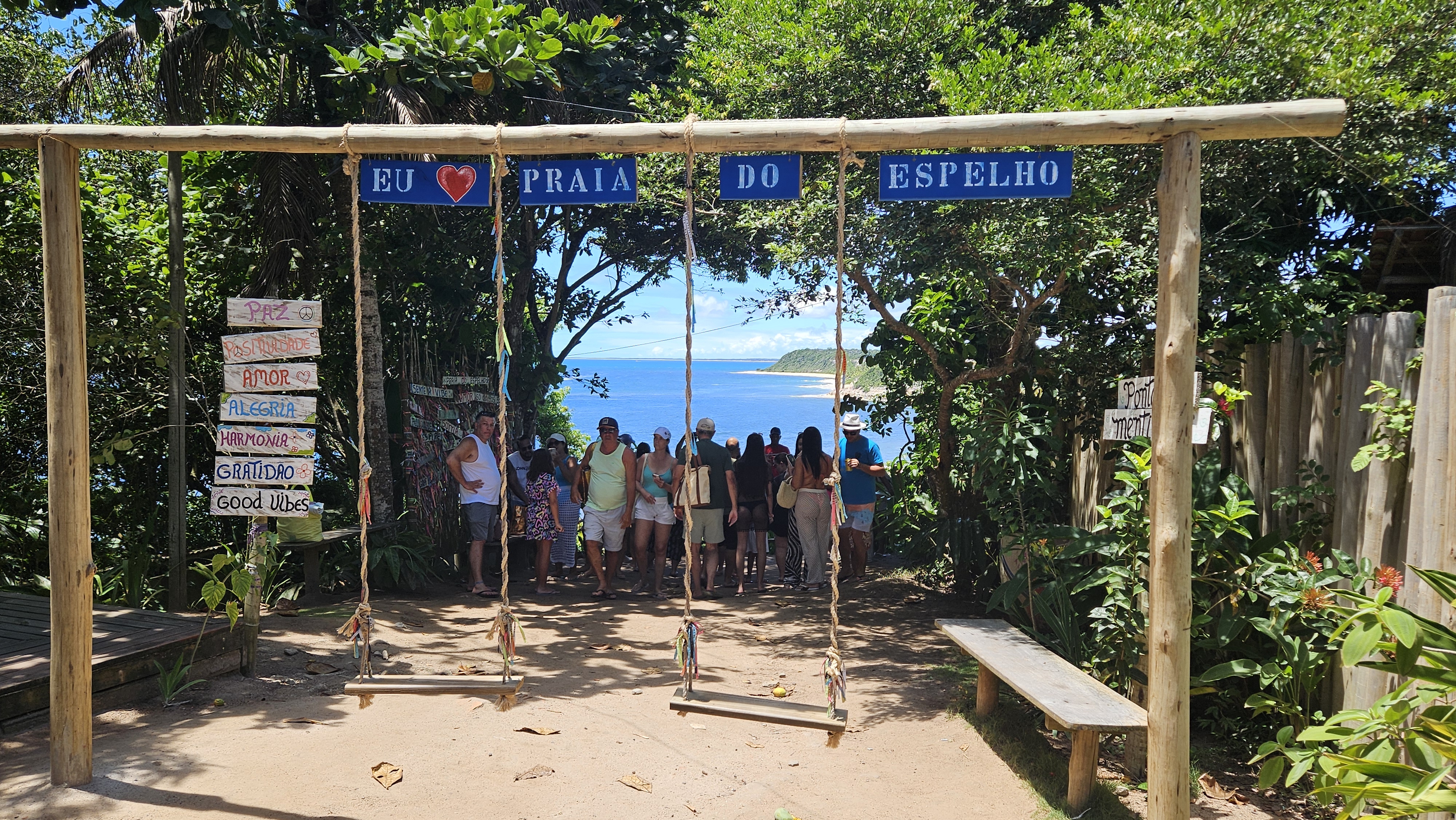
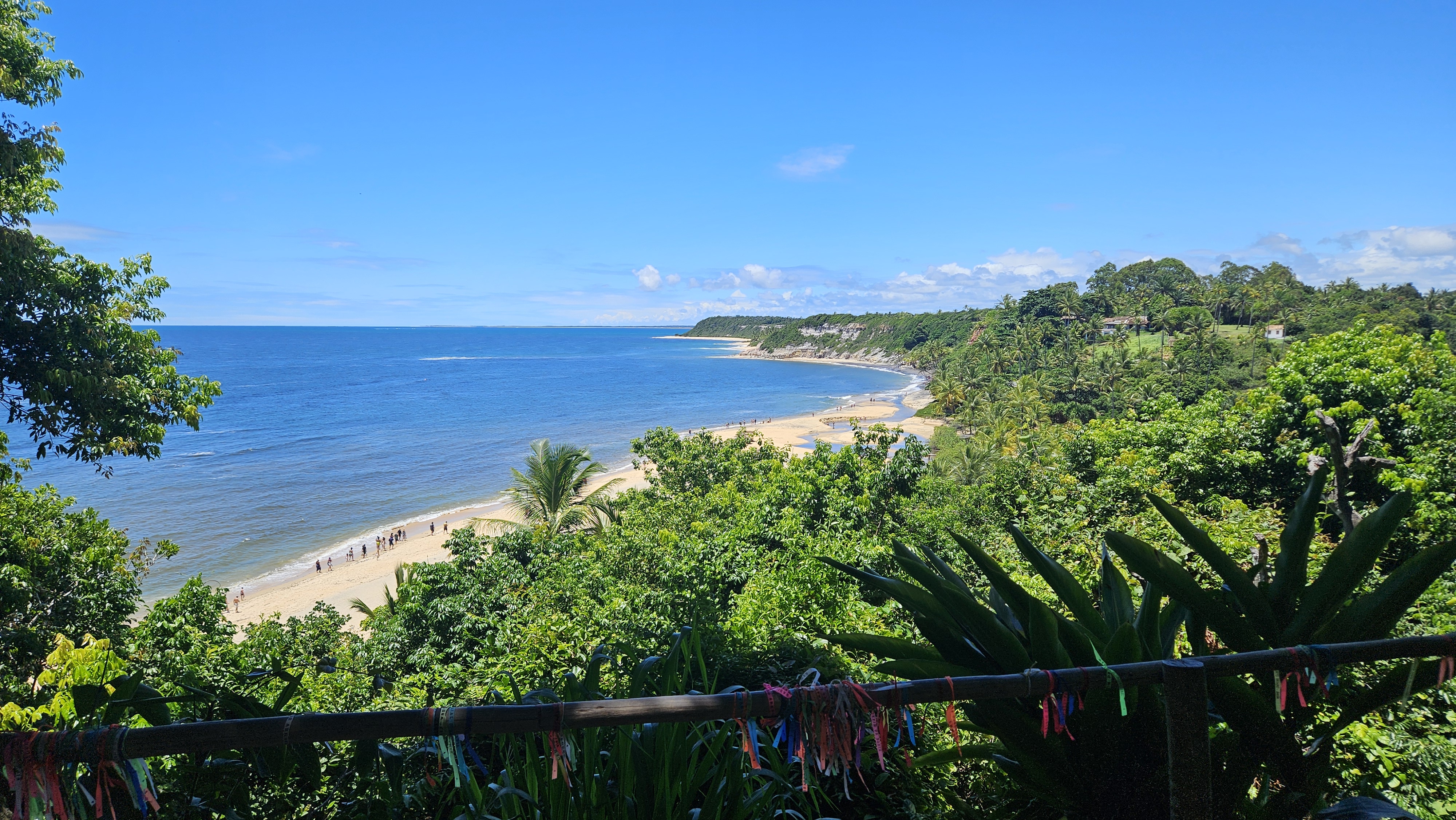
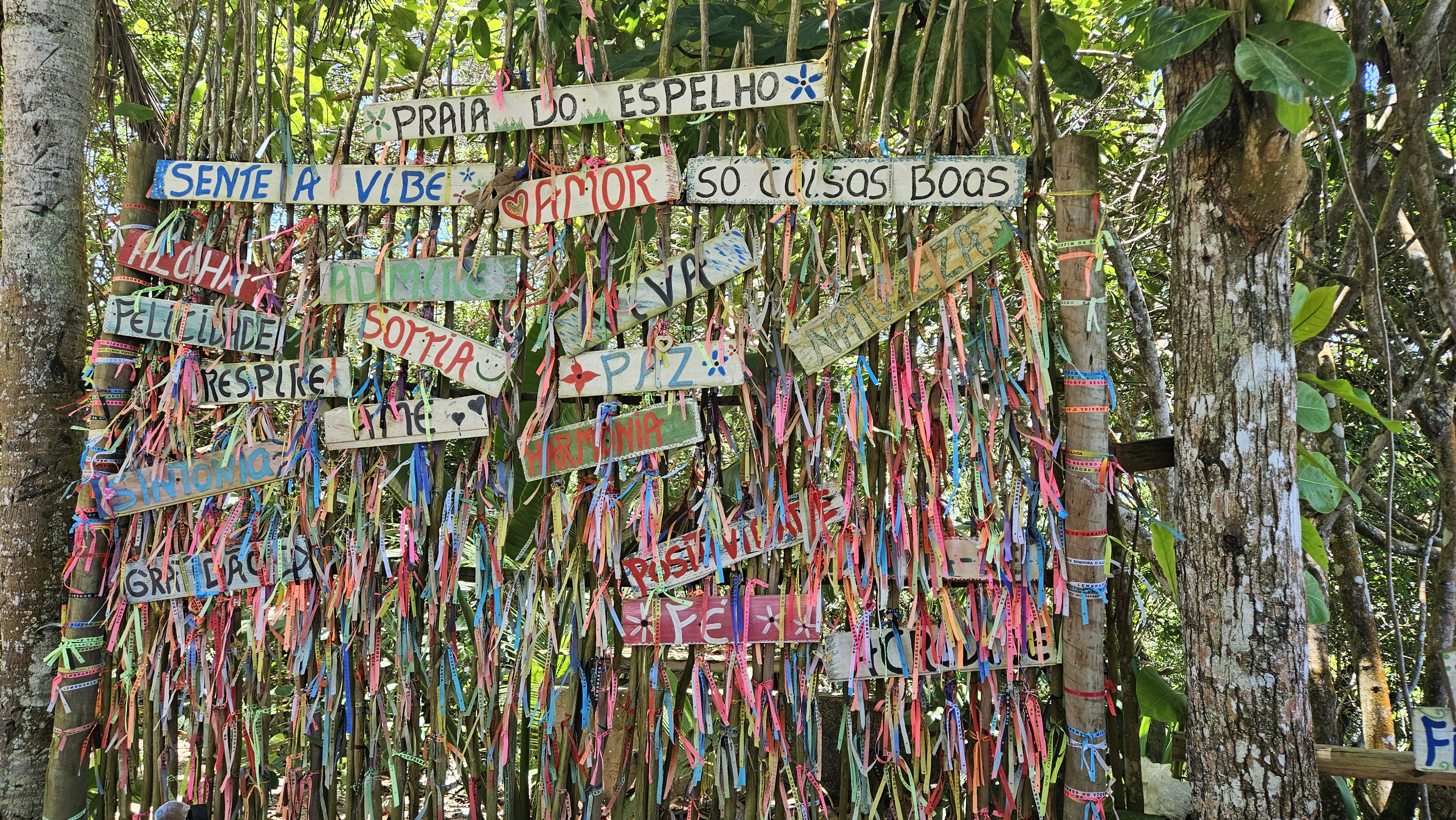
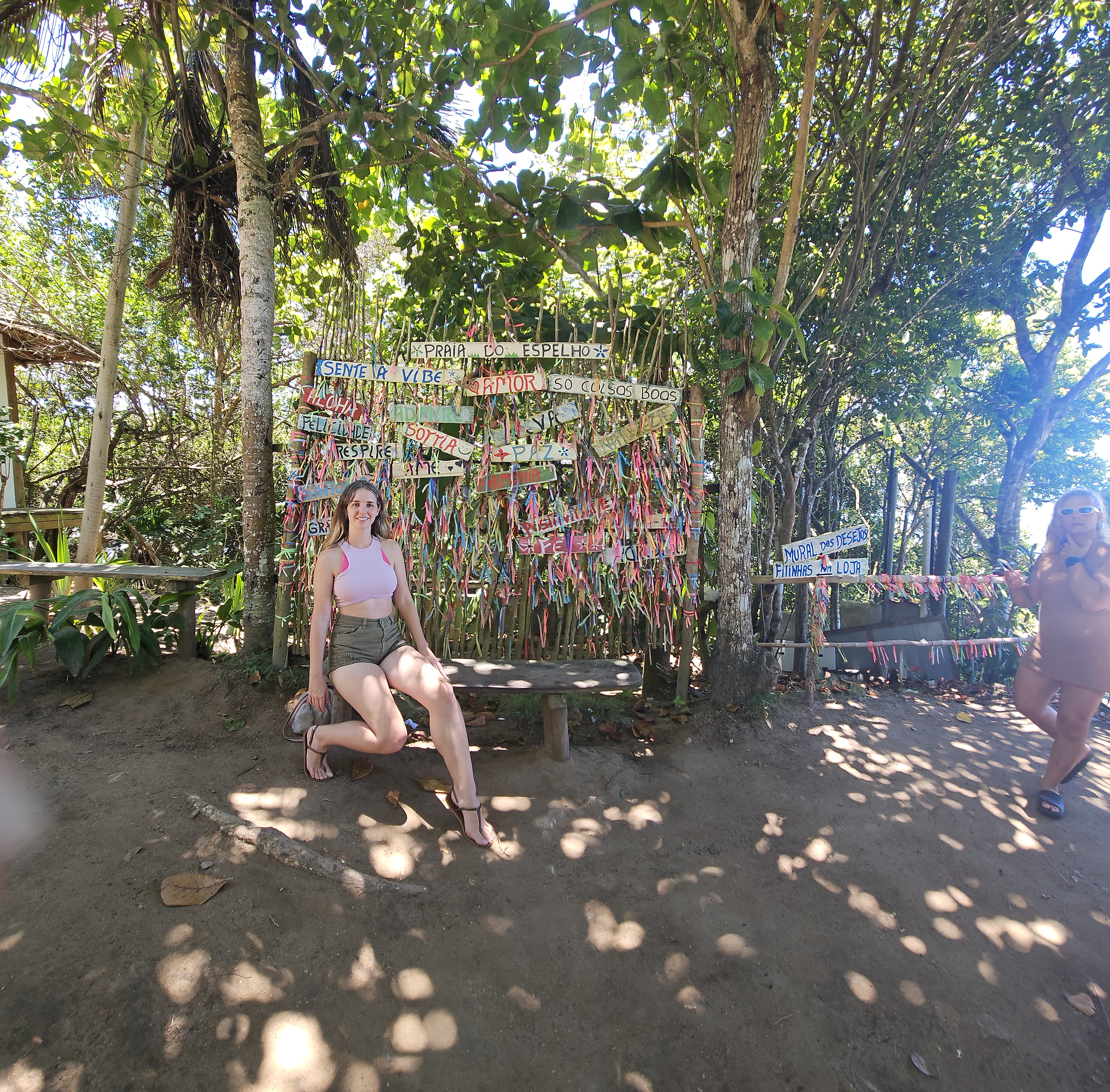
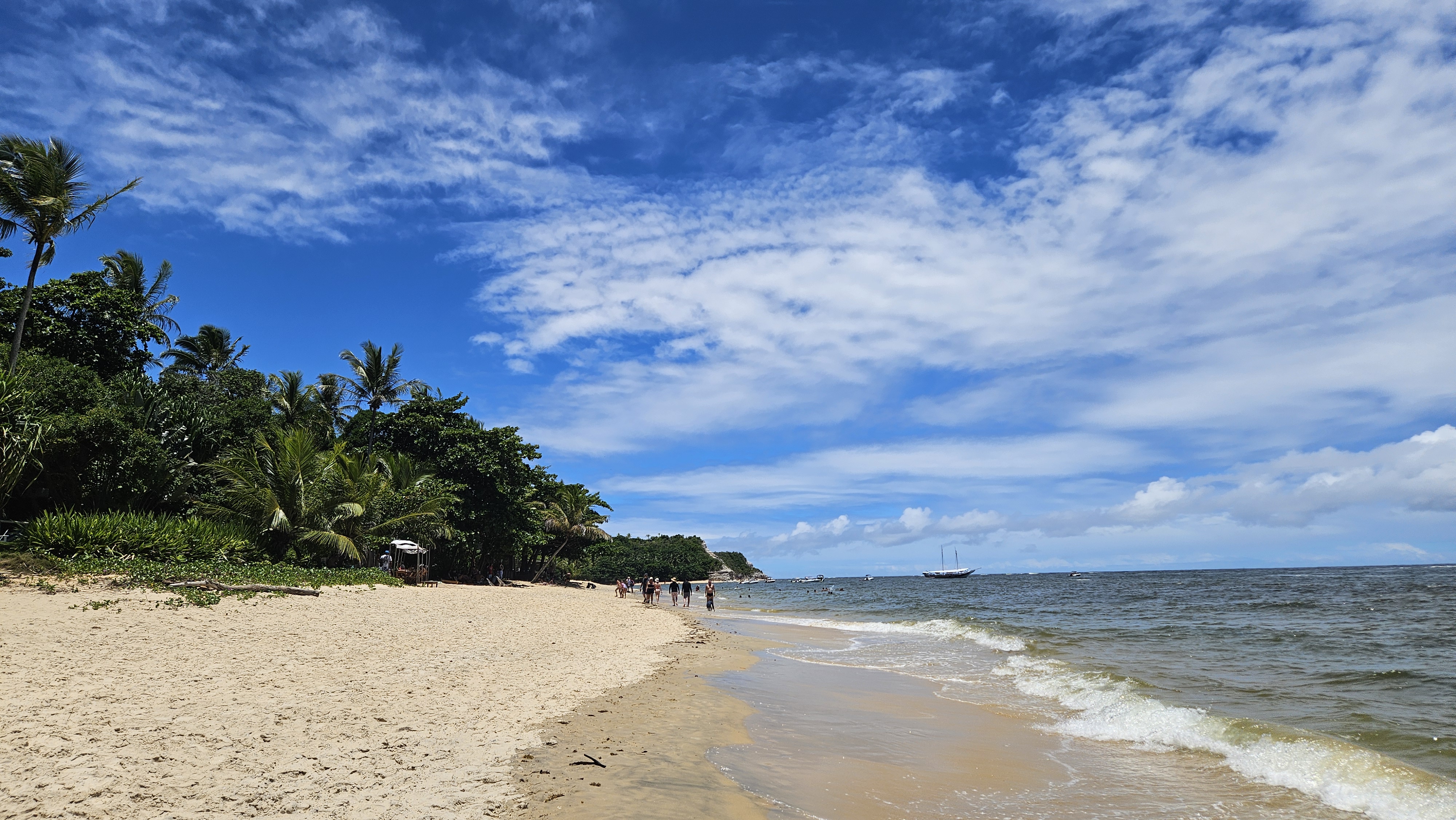
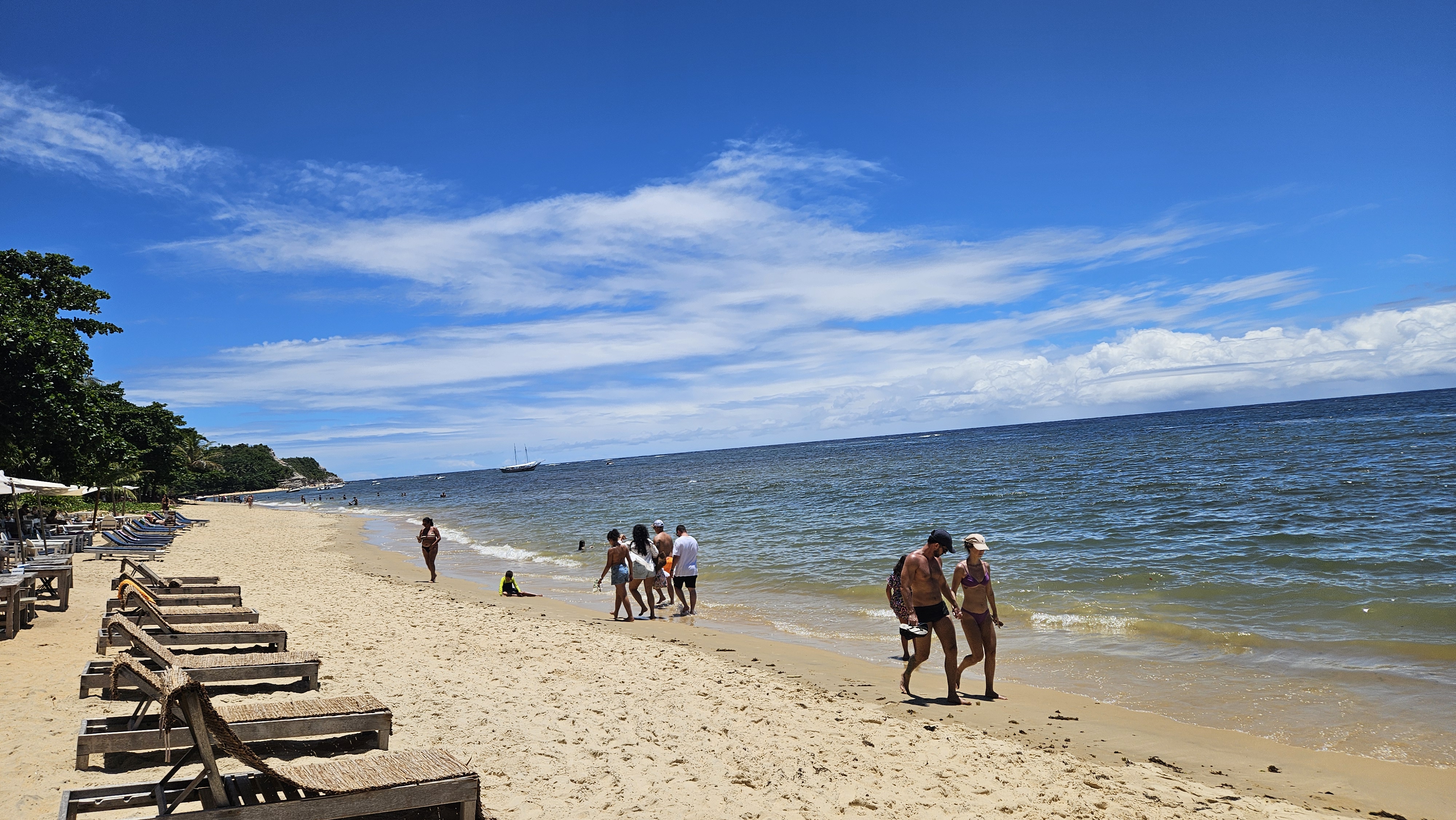
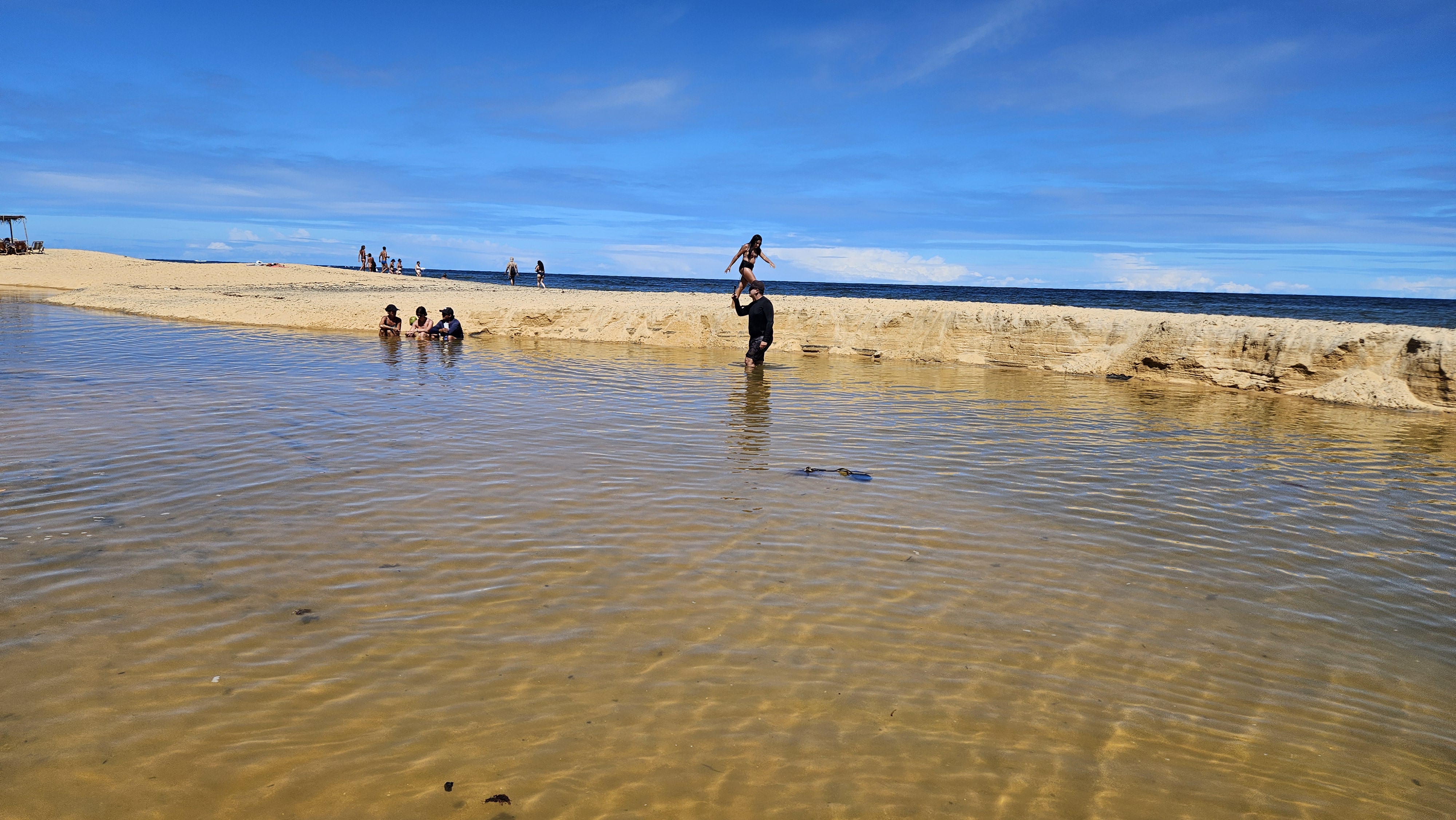
Beach Day in Brazil: Reflections from Praia do Espelho

This journal excerpt is taken from week 4 in Brazil, January 25th, 2025. Since I named my blog “adventurer’s diary” I figured, why not post one of my journal entries? Along with some photos taken at this stunning destination.

This entry came 10 days after my time in Salvador. I arrived in Brazil on December 28th after sorting out the over-stay fine with Colombian immigration in Leticia. I took a motocarro to Tabatinga, the Brazilian border town, with my flight ticket bought, ready to go to Manaus. Or so I thought.

My entire time in Brazil, I had issues with GOL Linhas. I would buy a ticket online; they would say it was confirmed. Then I would find out my payment was refunded. With no email notification. Both in Tabatinga and Manaus I ended up having to buy the ticket in the airport. I never did figure out why. Was it due to the security on my credit card (which is supposed to be ideal for travel – come on Aviator Mastercard!)? Or the hold they put on my bigger transactions after a random case of fraud.

Whatever the case, I showed up at the airport thinking I had a flight and found out it was canceled. Lucky for me, there was another flight leaving about an hour after the flight I showed up for. So, it all worked out.

That was to get to Manaus. After attempting and failing to buy my Manaus-Salvador flight ahead of time, I knew what to expect. I made sure to get an airbnb close to the Manaus airport. Then, I went to buy my ticket in person.

This was just a sample of the setbacks I experienced. By making a plan, I finally could have this transcendent day at the beach – Praia do Espehlo, some 2 hours from where I was staying in Porto Seguro.

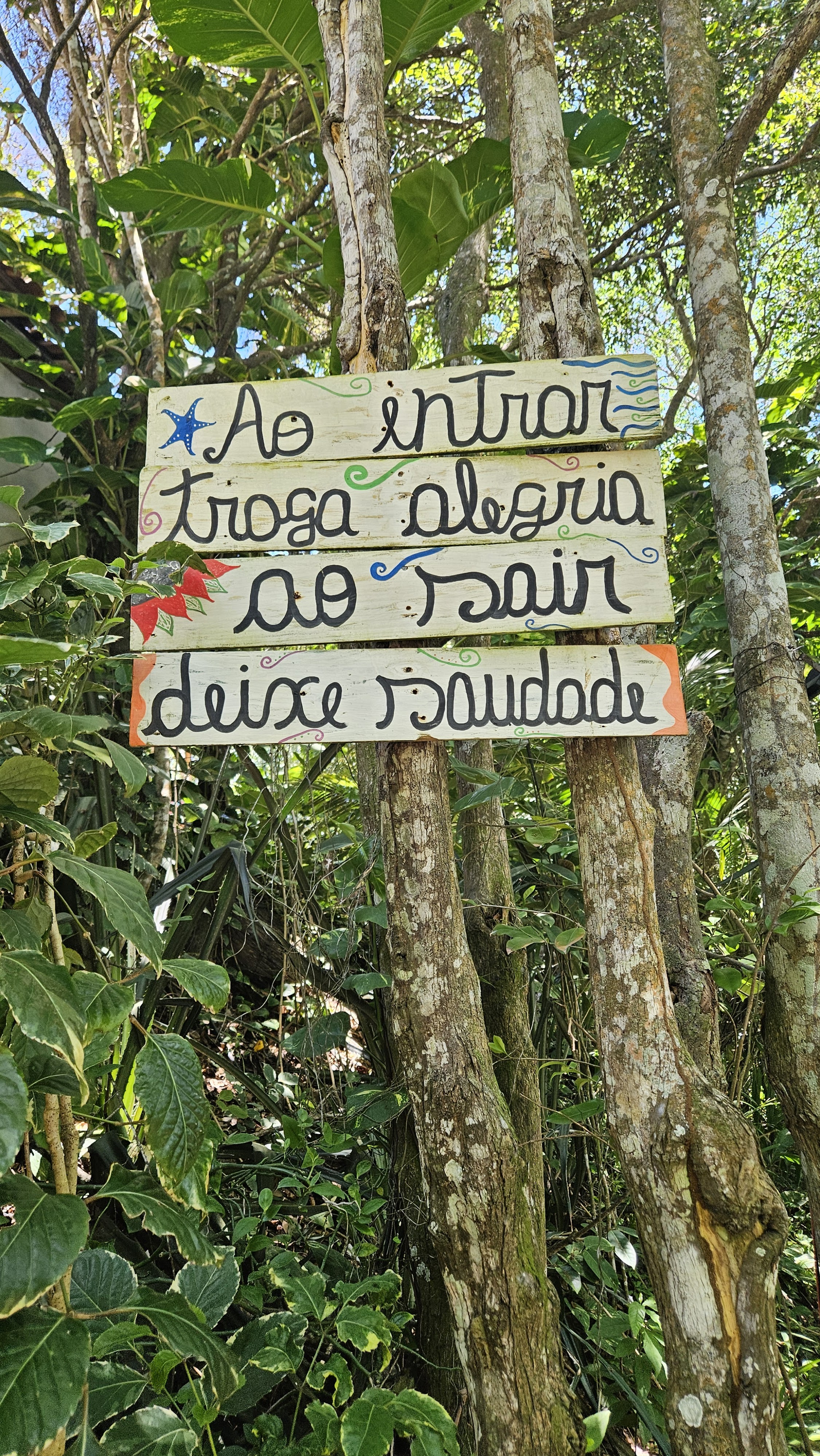
When you enter, bring happiness, when you go, leave yearning.

Here’s a slice of my experience:

I’m at Praia do Espelho with a tour group. The tour cost 120R$ (~21 USD). The ride here on the tour van was bumpy, but I’ve been so tired, I still fell asleep.

It’s hard to describe vibes and generalize my experience with Brazilian people. On one hand, groups I have been haphazardly integrated into have been hit or miss – sometimes coming off as cold or discordant. I guess in those rare cases where I was invited to join close friends, I felt like there was little room for a third wheel. Or maybe I’m not confident enough in Portuguese to break the ice. I could just as well be misjudging the situation based on the little I can see on the surface.

All the same, Brazilians have been some of the most helpful and patient people I’ve encountered. Even on the street. One of the silly little things that has stood out to me after so much time in Colombia is how people actually respect pedestrian crossing. Even in the States that is insanely rare – you’re at a crosswalk, and the drivers stop to signal you to cross. Even bike riders take heed. The sense of awareness of other people and road rules seems stronger here.

What scares me is the intensity of the men. If they find you cute, they shoot their shot at all costs. I’ve gotten three or more new contacts because of this. You have to set boundaries, but I learned that well in Colombia. Been there, done that, could write a book on it. You can’t take all the flattery too seriously because that is typical modus operandi. A thinly veiled tactic to convince you they’re sincere.

But, on the other hand, it’s been nice not being pegged as gringa right off here. Brazilians come in all shapes and sizes. And they’re aware of that. It helps that I also speak Spanish. Still, I try not to default to speaking it. That has made being spontaneous more challenging. But that’s the idea. I’m mainly asked if I’m “Argentina” because most tourism comes from there. After all, it is summer here in the Southern Hemisphere. It’s high season in beach towns (so not great for my wallet). I imagined that but still didn’t prepare. Sometimes you just have to do things, accepting all consequences of your rash decisions.

Brazilian music is fire. You don’t hear Colombian music much or any music in Spanish. And, why would you, I guess? You rarely hear Brazilian music in Colombia. Brazilian’s have such a rich variety of musical styles and rhythms of all types that unless you happen to be in a community where Hispanic people live (mainly of the Venezuelan diaspora), you aren’t likely to hear Vallenato or merengue, or even reggaeton for that matter.

That means full immersion.

I just explored the beach. We got here around 10 am and leave at 3 pm.

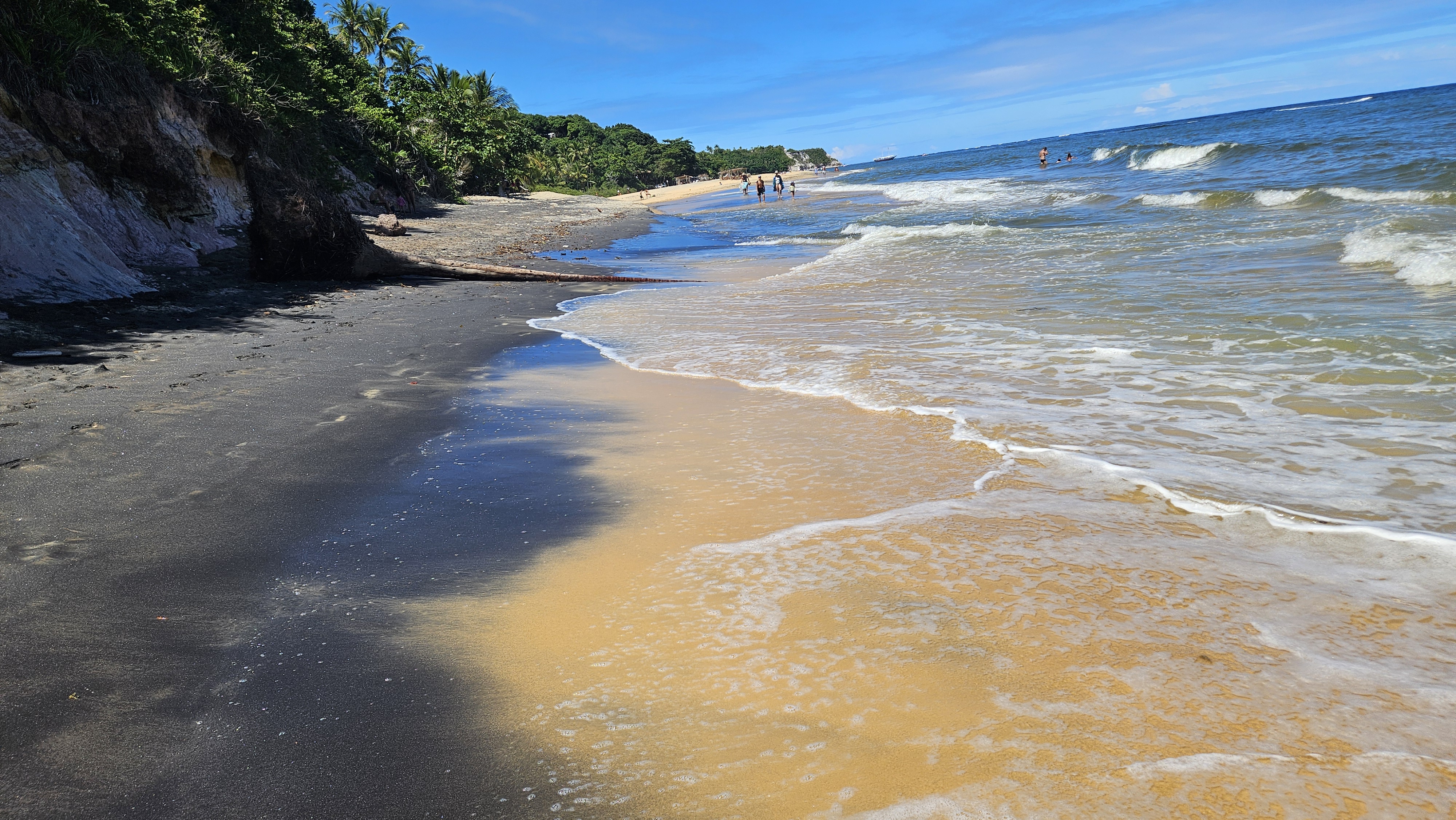
The beaches here are like natural swimming pools: few big waves, soft, fine sand, lukewarm water – cool but not cold enough to shiver. I walked along 4 different small beaches connected to this stretch, sectioned by rocks, cliffs, and reefs. I saw people snorkeling, and I imagined all the colorful fish, coral reefs, and anemones they could see.

I floated on my back, peacefully rocked by steady waves. No rocks under foot in most of the sections. Some are covered by black sand that ripples when you walk on it, others orange, almost red when mixed with the deep blue water; the sand turns black and seems to pulse like something alive when you step on it. In other parts of the beach stretch the sand looked almost tanned ivory, shining in the sun, lending credence to the name: Mirror beach. All of the sand is smooth, inviting when wet, hot from the Brazilian summer sun, but I followed the shoreline to soak my feet as I went.

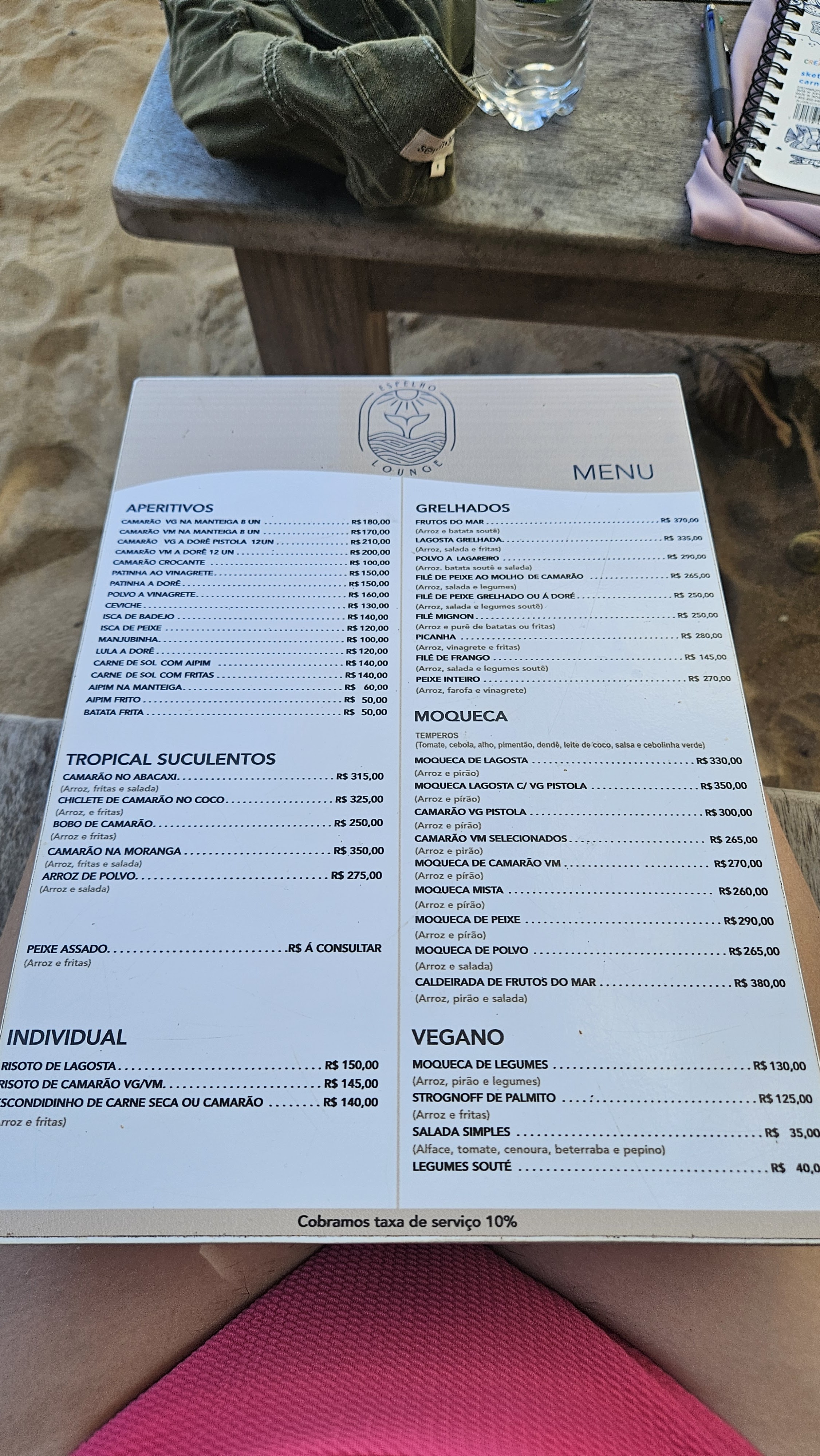
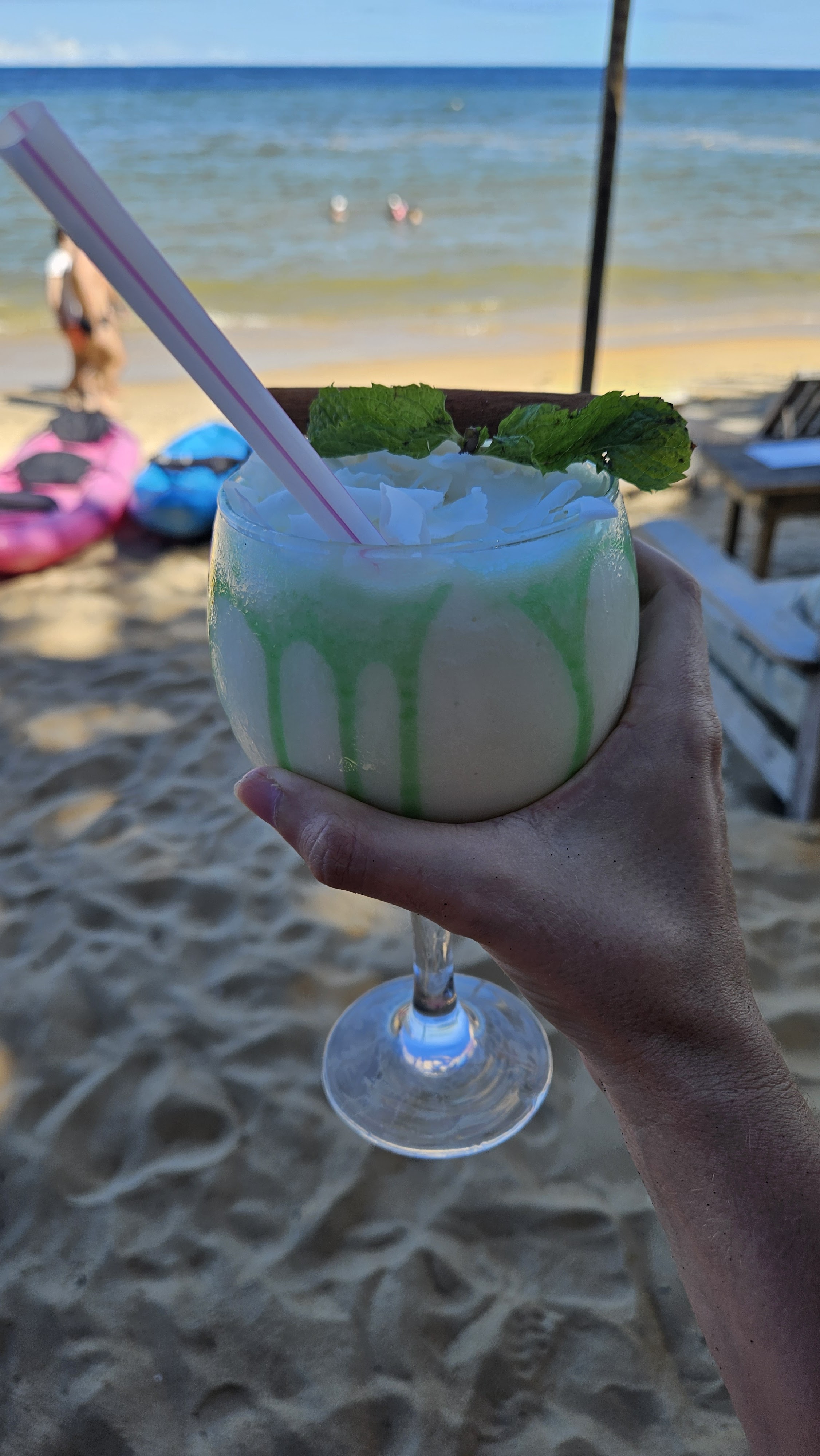
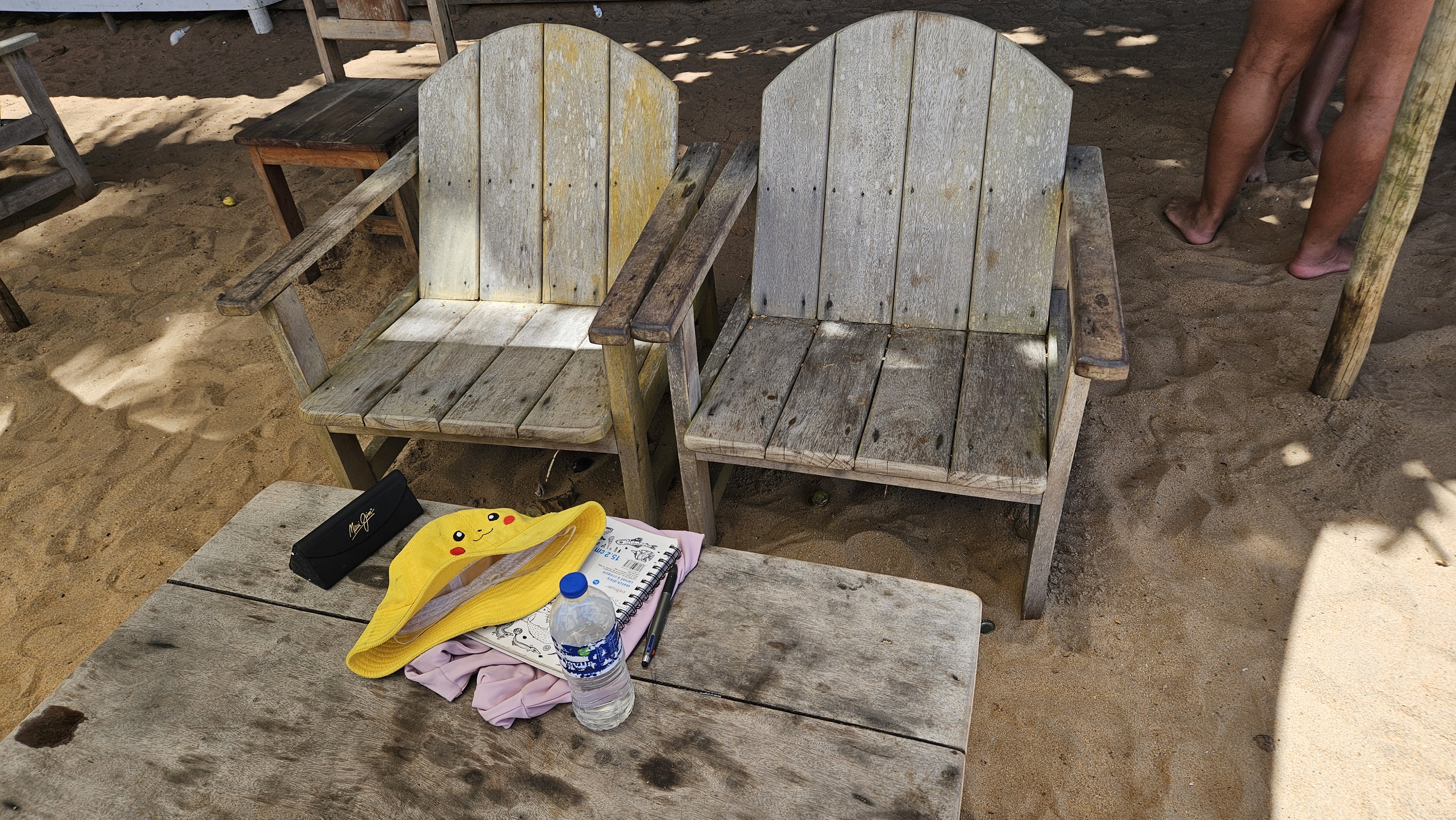
Now I’m listening to a three-man band play what sounds like Brazilian zydeco. They play the same type of accordion popular in Louisiana. There’s a guy playing a triangle, and the accordionist is also the singer. I think I’m in heaven: sipping my obligatory (over-priced) cocktail, a mint-flavored piña colada, taking it all in from my wooden beach chair in front of the ocean under a parasol…

Survival Mode and Learning to Slow Down to Thrive

I wrote this on October 15th, almost a year ago when I was over two months into working at a jungle hostel. The transition from living in a city working at a private school and working and living in the middle of the jungle, in the middle of nature, in the hospitality industry, was not an easy one, as much as I wanted to be there and felt blessed by circumstance. There, I reflected and wrote about my internal struggle with living in survival mode and how hard it is to truly thrive in that state.

I went to walk down the closest stream today with the intention of simply observing and being present – meditating. All day I have been in fawn mode. Our body’s response to being in danger can come in many forms, but we are most familiar with fight or flight. We forget about fawn and freeze. Fawning is when we think we can placate the cause of our extra-alert state and by doing so, be safe from danger (the reason our nervous system is dysregulated). Freezing obviously is when we shut down completely (playing dead) when we can no longer fawn or fight or run away.

In this role I feel constantly stuck between the 4. I have been living in survival mode for so long, my nervous system doesn’t even know how to regulate itself – or rather, the processes it would go through need to be heavily strengthened because as it stands, I am in a state of hypervigilance that doesn’t allow me to function properly. This affects mood and bodily functions, and everything in between.

But the biggest thing I’m finding that it affects is the ability to be present. Without being present, you cannot observe and take in anything around you. An animal being chased by a predator does not stop to notice the ripples in the river or the color of the plants around it or even the scents left by other animals. It compromises this ability to stay alive, and to survive, it only needs to run as quickly as possible without feeling its own exhaustion.

That’s flight, but the same is true when we fight and black out. We might not even remember what set us off or who threw the first punch – this is why we so often misremember events after going through something dramatic or traumatic. We act on instinct, and that instinct could be to hit back.

It might equally be to fawn. No one is threatening my livelihood, but I fear being hated by my bosses and coworkers, making a bad impression on customers, and so on, and since these things rely on my disposition and the way other people perceive me. So, in this state the urge is to perform behaviors that will keep the perceived threatening party happy. The worst thing for me about being stuck here is that I can vacillate to fight because I am aware that this job is not a big deal. I am so grateful for the experience, which can lead to me being fearful of doing something wrong and losing it, but in reality, I am free, and my livelihood is not relying whatsoever on me working here. And I know that.

Sometimes though, we just freeze. For me it feels like my head is full of cement. It’s trying to move and form thoughts, phrases, actions, but it’s like pushing a boulder through pudding. Sometimes nothing makes sense to me. I can’t even breathe, think, take a moment to connect with my body and my surroundings.

That’s when it hit me. The water in that stream is full of ripples, forming little waves. Those ripples are caused by the movement of tons of tiny, small fish and insects and living things living in the stream, pushing against the waters. And that is every person and circumstance, moving through a stream we cannot control, hitting obstacles, running into other people and their feelings and their consciousness and not being able to see what causes those ripples. We can only see it if we slow down. We can only see the cause of the movements around us if we are present, observing, noticing. This has been coming up in my meditations a lot, the reason being still can be so essential to meditation. The need to connect.

The need to acknowledge other forms of consciousness and life. Living matter all must have some level of conscious awareness, even if it is not able to manifest itself. The living matter is full of energy that changes forms without being destroyed.

I would not notice this if I didn’t choose to slow down, stop, observe. I cannot notice anything in survival mode.

This thought led to another of my theories. Our bodies and our biology have a reason and a purpose molded by all of the thousands of years of evolution and changes we’ve faced as living things on this Earth. At one time, our survival depended as much on observing as it did on fighting or any of the other instinctual behaviors. Well, observing can be instinctual as well. It has also served us to thrive as living beings. And with our lives today, our threats have been misplaced to mundane situations related to our source of livelihood: money, jobs. For that reason, we cannot tell the difference between a true threat and something that simply feels uncomfortable.

Furthermore, we spend so much of our day passively engaging with technology. I realized that the energy in my body must be channeled in an active way. Otherwise, it could only be fueling my anxiety – the cortisol levels are not divorced from eons of evolution. We feel stress because we were wired to some extent to move. To use our consciousness to think, analyze, and observe. To use our bodies to walk, run, be useful, be active. And yet so much of our time is dedicated to sitting and staring at a screen and reacting to other people’s actions and thoughts and possibly expressing our own but in limited and formulaic ways. This can’t be serving the purpose we human beings have, our needs as complex beings to move both mentally and physically and act.

These reflections came to me sitting on a mossy rock in the middle of the jungle, watching the stream, observing mushrooms growing on a log. Something this mundane is still crucial for us to reach our full potential as living things. A leaf has as much purpose as we do – it grows to feed its tree; it dies to feed other living things and to nourish the soil. And the cycle continues. 

Thinking about life in this way is hugely comforting to me. It reminds me I can find the motivation I need to fulfill my own purpose as a living being, no matter how small and insignificant it may seem. But I must use all the tools available to me as a human: my mind connected to my body and the environment that surrounds me.

Of Aging

Every wrinkle, like a scar, is part of my story,
It’s part of my journey,
It’s deeper than the tattoos on my skin,
Written into my DNA
Like the generational trauma,
Passed down like family heirlooms
Through the years.

It is what I make it,
Like my story of–
pain, beauty, humanity,
witnessing.
I can erase my wrinkles,
But they would remain
All the same–
the wisdom, the hard fought
hard won wars with myself–
the stress and anxiety–
the fear of abandon.

Is beauty youth or grace?
Does “aging gracefully” mean
Showing grace, self-possession
And self-acceptance,
or is it dyeing my hair and getting botox?
Is that all a lie, manufactured confidence?
Is aging gracefully winning the genetic lottery?
Does it mean having no scars?

I’m 32,
and society already
has me labeled as
irrelevant, no matter
the creases on my forehead,
the greys in my hair.
Or at least that’s how it feels,
How it once was and for many
Still is.

Yet I choose to love who I am now,
Who I’m becoming and un-
Becoming–
Age-willing, time-abiding
Chronos-Prothimos,
I’m not done changing yet,
And to change is to live
And be alive.

El discurso de la lluvia / Translating Félix Molina Flórez

¨Los cuerpos son definiciones perdidas…¨

Los cuerpos son definiciones perdidas
en los diccionarios
Sin brazos
sin piernas
sin ojos
sin memoria
tratan de recobrar su rumbo

Los cuerpos que transitan este paraíso
han perdido su significado
como una tilde dibujada en el vacío

Somos esas piedras
que lavadas por la creciente
han perdido su piel

My Translation:

Our bodies are lost definitions
in dictionaries
No arms
no legs
no eyes
no memory
trying to recover their path

Our bodies that move through this paradise
have lost their meaning
like an accent drawn in the abyss

We are those stones
washed by the tide
that have lost their skin


This poem speaks to me in a way that transcends words. My own attachment to words and metaphor coalesce with this fascinating image drawn out by Félix. Everything that we are and the language we use over time loses its meaning. There is a sense of inevitable decay, a divorce from the tongues that gave words their meaning. I like how this concept of words losing their meaning, and our own bodies becoming words without meaning, formless anomalies — it is such a powerful visual. I hope I did it some justice.

Translating poetry is unique in that you have to take the music of the words into account, as well as the meaning and metaphor. Translating music takes this to another level. But I like the challenge. Translating a full book would be even harder because you have to live inside those pages and words well enough to capture what the author wanted to convey through a different linguistic lens.

I’ll be continuing with this project and translating the full book of poetry, The Discourse of the Rain, during this week. As always, I’m happy to hear any feedback, especially from my bilingual writers/poets.

Entre Comillas: Chapter 2, Dreamer’s Disease

Millennial naivety. Dreamer’s disease.

I never was set up for low expectations. With my marketing degree and my 4 years working at Kohl’s, I was sure setting up shop would be easy. The real struggle would be establishing myself.

Since I was young, I fancied myself a writer. An artist. All that was missing from my wave of whimsy was the “starving” epithet in front of the “artist.” 

Some might call me aimless. I would just say young and stupid. But regardless, I felt myself stagnate with every passing day in Fayetteville. The heat of summer passed and the mild cold of winter would turn to frosted leaves. I wanted the eternal sun of the West. I wanted to live in someone else’s skin – someone smarter and happier and better. And isn’t that the dream most people seek?

El camión olía a tierra y perspiración. Una sensación de estar inundado en un pantano me bañaba como mi propio sudor. Trataba de no mirar hacia nada, ni al hombre medio parado frente a mí contra la otra pared del camión, ni a la niña y su madre enganchadas a la mano derecha. La vista se me hizo borrosa a los periferales. El ojo se enfocaba en el centro, en el corazón. Pensaba en nada más que mi propia respiración, centrándome en las horas que pasaba con mi celular, escuchando y viendo a medias los videos de meditación y yoga. Yo tenía (y siempre he tenido) un deseo insaciable de ser invencible, de encontrarme en un mundo más allá de la realidad. Y nunca antes alcancé esta meta hasta aquel día en el camión. Y las noches después, también bañadas en sudor, que se me hacían eternas. Y creo que jamás viviré tal delirio nuevamente. O, al menos, eso espero.

Of course, for all my semi-privilege, I couldn’t just pick up and move to the City of Angels. I had a savings account that had barely made it past the $1,000 marker. I had blown most of my money on art kits and dance classes and improvised trips. Oh, and college, which I had not gotten a free ride to afford. Much to the chagrin of my working class parents, I was neither talented enough to earn some sort of fancy art’s scholarship or sport’s scholarship – god forbid – and not bright enough to get a full ride on my academic merits either. I was just good enough to cover the bare minimum.

Regardless, I had never been the sort of person to listen to reason or bar myself. I knew how to work the retail world, sure, I was not the most social of people (although I could lie and say the experience overall changed my essence, I would say it was more of a necessity to adapt that changed me). Retail is relevant everywhere though. 

I started by looking at my budget. Where could I live with just enough scraped together to pay a security deposit and rent and still be able to buy a few groceries?

Craig’s List became my best friend. Some ads were sketchier than others. Some seemed normal until you looked at them hard enough and began to ask yourself “Where is the lie?” My budget was pencil slim – no more than $500 a month until I became established. I sent out so many job applications on monster and indeed and, yes, Craig’s List, too, that I thought for sure I would be in a bind once all of the calls started rolling in.

The phone was unnervingly silent. I waited as long as I could before resigning. I had nothing, nowhere to start.

So I began to look for alternatives. Some Craigslist ads advertised what to my naive 22 year old mind was unthinkable – a strange sex trade for free living situation. I stumbled upon a few links that unambiguously read “Free Housing for Live-in Companion.” Companion, I thought, scrunching my brow and biting my lip as if that euphemism was not painfully clear enough. A smile cracked my lips in spite of my disgust as I read on. “Looking for a lovely young lady to share a queen sized bed with me. I will treat you like a queen. Open-mindedness a must.” My lips folded back in a cringe. Pass. As tempting as paying nothing for rent was, my dignity was worth so much more. Although, with each passing day, I could feel myself becoming restless, and with restlessness came the inevitable shifting of my moral compass, what I felt was absolutely oh-hell-no and negotiable – the two formerly isolated concepts were beginning to blur and merge.

One day, a friend reminded me casually of the possibility of couchsurfing. “Why don’t you try it, Claire?” she asked as she sipped her pumpkin spice latte. “I mean, what do you have to lose? You keep saying you can’t spend more than $400 upfront, what could be better than free? You get on your feet, you might get asked on some weird dates or proposed some awkward cuddle sessions, but hey, why not?”

I knew she was being sarcastic, and I shrugged and shook my head. “How even does that work?” As she sipped, I played with my long dark hair. For some reason, splitting my own ends where they were most damaged was calming to me. Also, I loathe pumpkin spice lattes.

My friend, Amber (yes, the most typical of all white girl names), took an extra long sip of her latte. “Well,” she said, “it’s simple. You stay with someone and exchange company for free room and board.”

“Ugh, lame!” I cried, thinking of the unsavory mix of craigslist ads I had waded through for the past week. “When does the actual, um, couch-surfing thing happen?”

“Chill, it’s not, like, prostitution or anything, girly. It’s perfectly legit, the hosts have profiles and everything. I mean, yeah, I’ve had a few hookups on there, but you know, it was like totally unplanned and not awkward at all!”

I felt like my eyes rolled so far back in my head I had found the gap within the space-time continuum.

“Okay, let me back up and reexplain.” She knew the face I was making all too well. She took one last noisy sip of her decimated drink, her lips slurping hard with a desperation that ignored how annoying most people found slurping to be. “Don’t jump to conclusions. Basically, the host can offer you a place on their couch. Sometimes they have spare beds. Sometimes people make agreements to sleep in the same bed. But that’s, like, totally up to the individual.”

Sometimes I wondered how Amber and I had managed to be friends for so long. I thought of myself as being so deep, and sometimes I saw her depth as barely reaching my ankles. I pursed my lips, trying to hide a grin that would inevitably turn into a sneer.

Amber paused, tilting her head at me before bursting out into an uncomfortable cackle. The laugh shook her whole body, and she pushed her dyed red hair back behind an ear so as to avoid it covering her perfectly symmetrical face. “So, you check it out. I mean, it’s free. And really what you trade is just like, cooking and stuff. Going out on hikes. Watching movies. It’s fun. I’ve done it loads of time when I’ve went traveling. Trust me.” Her eyes pleaded with me to take her seriously, but her habitually humorous tone gave her away as insincere.

“Alright, alright,” I said finally. “I’ll take a look tonight and see what I think. Anything to avoid homelessness!”

We had a running joke about me ending up on skid row. It wasn’t the pleasantest or most PC of our jokes, but lately it was looking more and more likely.

After a bit of perusing, I realized that Couch surfing wasn’t the harlotry I had taken it for. The people seemed cool. It was just a matter of finding shared interests and going from there. I sifted for hours through pages that ranged from brief but succinct bullet lists of the person’s interests to a fully detailed novelesque description of their hobbies, goals, and various experiences with couchsurfing. Some claimed to be free spirits that always were hoping to learn something new. The majority were sociable and had likewise expectations of fully getting to know their guest. I figured that could only be expected, to avoid awkwardness. After all, this was not an airbnb you-paid-for-it experience. This was a social experiment, putting two people from different parts of the world into the same living space and seeing what would happen, what they could learn, what they could share…

In the end I was convinced, in spite of Amber’s horrible and somewhat facetious explanation. She never was good for that sort of serious stuff. Now the only issue was finding a host I might be “compatible” with, comfortable with sharing new things and exploring my new home, and yes, kind of freeloading until I got a job.

The more I thought of it in this light, the more I was reminded of my brief but impactful stints on okcupid and tinder. More so on okcupid. There was very little to gain from an app that based your preferences on impulse based on physical appearance alone. I couldn’t be bothered. But the bullet lists and walls of text were very reminiscent to okcupid’s profiles. The only difference was, okcupid didn’t come with warning labels in the form of reviews. So that aspect was much appreciated.

I became mildly obsessed. After getting home from Kohl’s, after waking up, I would begin scanning. I bookmarked different profiles. I mainly gravitated towards the film and book nerds, the ones I knew I would not be stuck grasping at straws for conversation. I tried to avoid the male profiles because my mind inevitably wandered to the idea of some form of relationship. Perhaps it was Amber’s influence, or the fact that I was still trying to move on completely from my last relationship, but I naively dreamed that perhaps my host could become something more. Without the awkward creepiness implied in those craigslist ads. But I suppose on some level I should give credit where credit is due — at least those ads were upfront.

Many conversations began the same way. “Hello! I’m a 23 year old Southern girl looking to get out of Arkansas and move to a land of sunshine and opportunities. Unfortunately, money is an issue at this time. Would you be willing to host me until I get a job (possibly indefinitely)? I swear I make a mean cup of coffee!” Most of these basic messages went through the same revision process repeatedly. Take out a word here, add a smiley face there, swear to myself I did not sound as desperate as I felt. 

Everyday the cold dark of winter pushed closer and closer over the horizon. Time was ticking. I promised myself to be gone by the winter so I could hibernate the way the Monarch butterflies do, in search of a warmer climate to live…and die. I still had a lot of life to live, though, so the death part would need to wait. Which was part of why I insisted on avoiding craigslist like the plague. All that I needed was for someone to bite. Until then, I had to keep on dreaming.

En realidad el sueño americano no era para mí tan grandioso. Fue necesidad que me empujó, la adaptación a unas circunstancias imposibles.

Ya no tuve a quien más para apoyarme o para yo apoyar. Mi abue se murió hace 5 años. Mi familia fue dividida por líneas rayadas por el dinero. Había primos y tíos pero no quisieran que yo me vendiera así, y al saberlo, algunos se pusieron distantes. Sí, lo de la familia fue complicado, un empujón, pero tanto para cumplir como para salir de la situación en sí. Y a la vez, había tantas dudas.

Ya no era un niño. Cuando me veía en el espejo, lo primero que me llamaba la atención eran mis ojeras. No dañaron la vista de mis ojos verde-cafés, pero me hicieron sentir mucho más viejo.

En el camino, sabía que crecían cada vez más, cada vez mis ojeras se ponían más oscuras. Era un viaje corto pero se sintía como una eternidad. Como el paso del tiempo en una nave espacial.

Cruzar la frontera no es lo más emocionante. Es lo que te espera allá. Y en algún momento ya tenía claro que me iba a bajar y nadar y encontrarme en una tierra que no conocía. Oaxaca se volvería un recuerdo colorido y otro punto en el mapa. 

Se escuchan las toses retenidas de los otros pasajeros. La soledad. A pesar de que sus cuerpos quedan cerca, yo me siento lejos. Me imagino caminando por esas calles doradas y me pierdo otra vez, otra vez el conocimiento me invade y se va…


One of the things that makes writing these sorts of passages enjoyable is the sense of melding the self with a person very distinctive and separate from oneself and creating narratives that are both familiar and distant from my own lived experiences. I started writing based on this concept after a conversation with my younger brother about points of view and what could make a love story like this more than a cliché. But I peppered tons of cliches into my character’s thoughts and perceptions of the world, mainly to provoke a sense of realism as well as one of hyperbole and satire.

I don’t know if this story is worth pursuing and writing more. But it was fun rereading something I wrote years ago. As a writer, exercises in point of view shifts really interest me, especially when incorporating the use of different languages.

I’ve been blocked in some ways from writing, although I have been honing my discipline in other areas. So that’s why I’m back here on wordpress, hoping to make posting a habit again.

Murakami’s “What I talk about when I talk about running” has been my inspiration. I swear, I’ve had this book for the past 5 years, and that’s how slowly I have been reading it. There are moments when I don’t appreciate Murakami’s voice, his understating and candid way of casually discussing his successes. It makes me think, “If only it were that easy!” But I think it just might be, and he might have a point. Because in no way is he really implying that writing award-winning novels is “easy” but rather that it doesn’t just come out of some happy accident, some inborn, innate skill. It takes discipline. We in the West give too much credit to “talent.” So as time goes on, I’m starting to read his words differently and see the wisdom suddenly mixed in in his self-deprecating style.

Also, sidebar, I’m reading the version translated into Spanish. The title is De Qué Hablo Cuando Hablo de Escribir and — wow. I didn’t even realize the original title was way better and less redundant until googling the English title just now. For writers, I would highly recommend this book.

To honing our bodies, to sharpening our minds.

Teaching with Compassion

Being a mentor is not always easy. As an English teacher of students across a broad spectrum of ages, levels, and interests, I have been tested consistently and found that being patient is sometimes easier said than done. I would like to share some of the keys that I’ve uncovered during my last 6+ years of teaching and tutoring to maintaining my composure and making authentic connections with my students (that I hope could last for a lifetime).

Compassion. If we are compassionate with others, we become more compassionate with ourselves — and vice versa. Throughout my life, I have struggled to find and cultivate self-compassion. This difficulty comes from being a perfectionist, a busy-body of sorts, always wanting things to go smoothly. Always wanting to be right. Always wanting to feel competent.

As my good friend and mentor Uncle Iroh once said, “Pride is not the opposite of shame, but its source.” When you are compassionate with yourself, you forgive your own mistakes and short-comings. You are more patient and ultimately, more humble. And if we cultivate a strong compassion with ourselves, it is not so hard to transfer that compassion to our relationships with others.

Empathy. Being able to see things not only from your own perspective, but contradicting perspectives, and recognizing which of those perspectives applies to the person you are interacting with. As a teacher, empathy cannot be stressed enough. Like humility, if we lack empathy, we easily can become a caricature, the angry, exacting professor sneering down at their students without a drop of remorse or interest in the perspective of those they are teaching.

Empathy can only be built from humility, by understanding that we all make mistakes. There was a time when we were learning. Ideally, we are still learning everyday. And how do we like it when encountering someone supposed to be mentoring us who talks down to us and makes us feel dumb every time we have a question or make a mistake?

We don’t. We shut down. Shame leads to anxiety which can ultimately affect the functioning of our brains and memories. This is why it is so hard for someone that has been abused as a child to recall information and be present in other realms of their lives.

Be an example. As a teacher, we are in a special position. We are learning, just as our students are learning. However, our students oftentimes act as a mirror, holding up our own best and worst traits. (This is also true for parenting, but since I’m not a parent, I realize I can’t really speak to that relationship directly)

When you want to teach something, you must talk the talk and walk the walk.

I know I’m not saying anything that hasn’t been said before, but I’d like to use my own successes–and failures–to illustrate what I mean.

When I started out teaching fulltime in Colombia, I felt an immense pressure to establish myself as an authority figure in the classroom. As a younger woman (I was 24 when I started out), many assumed that I must be trampled by my students.

All my life, I’ve had a terribly great tendency of taking these sorts of assumptions personally and using my disgust at them to fuel my success. You know, to be the best to prove others wrong. Spite, however, led to feelings of anger, defensiveness, and isolation…and that’s what happened to my professional relationships at the outset of this journey. I never wanted to be wrong or be confronted about being wrong. I didn’t like for my authority to be questioned. Because I focused more on what I didn’t want to be instead of the sort of teacher I would admire and choose to be.

Laugh at yourself. The more I let go and got taken off guard, the more I learned that the best solution to any tension or mistake is to laugh at oneself. If a student does or says something shocking (and trust me, they will) sometimes instead of letting yourself fall into the role of vindictive hell-bent teacher to prove a point — imagine how you would handle this situation if you were an actor or person you admired or felt inspired by (in my case, Uncle Iroh obviously ranks high on my personal list). Putting yourself into another role and viewing things as humorously and impersonally as possible keeps the classroom fun and also hides the buttons that your less-than-nice students might try to prod at any given opportunity. Also, it helps maintain that whole humility thing.

Don’t jump to conclusions. Assumptions are the enemy in any human interaction. Students will often speak impulsively — and parents as well — especially when they are under stress. The best thing is to shut up and listen. Don’t assume you know what’s going to come out of their mouth. I’ve realized I prevent fires that could have easily sparked out of a simple misunderstanding. As teachers, we have to be slow to process and react to things. In other words, get all of the information and then respond.

Take responsibility. This goes back to being a good example to your students. When you take responsibility without assigning blame or excusing your own mistakes, your students pick up on how genuine you are and how strong your character is. Hypocrisy is a double-edged sword — it hurts the bearer and those in its path. Being a hypocritical teacher is insidiously easy, but it will not gain the respect of your students, and worse, their behavior will reflect your worst moments.

When I was in the hot-headed phase of hating my job and holding onto my power and control by the skin of my teeth, I let my emotions get the better of me. At times, I would preach about treating each other with respect and following the rules while simultaneously humiliating a student in the middle of class to teach a lesson. Little by little, bullying became a problem among that group of students. And some part of me, unfortunately, realized with great dread that it was my fault. I had taught the wrong lessons, and it was my actions, not my words which the students had picked up on.

Luckily, each year and group of students, while bringing its own challenges, offers new solutions and opportunities for growth and self-examination.

During the past year, I have been working with students to promote a growth mindset. The moment I realized that I myself had lacked this important principle and quality was not a blow to my ego — it was a wake-up call. I often felt as though in order to be an authority figure, I had to be direct and firm, brooking no nonsense. But acting that way was as rigid as outlawing fun in the classroom — and I’m a fun person. But under pressure, I felt less and less like myself and more and more fragile. And I didn’t forgive myself enough to realize how much I was growing and changing everyday.

Change doesn’t happen the way lightning strikes — it’s gradual like the tide, ebbing and flowing, sometimes pleasant and rewarding, sometimes painful and unsettling. But it happens, whether we are aware of it or not.

While teaching online, I’ve gotten the chance to step away and reevaluate Ms. Amanda the Teacher. I’ve recognized how my posturing in the classroom often did not create the environment I wanted to see — but I did have some important breakthroughs along the way. I forgave myself. I celebrated how much I had grown and changed. I celebrated the growth of my students. That’s how a relationship is formed. No one is perfect.

When working abroad in particular, it’s so easy to blame every little thing we don’t like on the culture. We romanticize our home countries, thinking that this level of disorganization would never happen there. Everything flows more smoothly through the rose-colored lens of our memories. I’ve spent hours venting and ranting with other English teachers who are frustrated with their jobs, hate their students, disdain their students’ parents, and reminisce on how much easier things were or had been or would be in their own countries.

After talking to teachers in other places and honestly reflecting on my past experience teaching as a paraeducator in the states, I realized that these idealizations simply aren’t true. The difference between myself in the States starting out and Ms. Amanda the Serious Teacher was that I used to have far more compassion. I used to have more perspective, because I often was not in the spotlight. I was a supporting cast member helping to allow things to go smoothly. Yes, things seldom went smoothly. There was administrative pressure, just like I experience now as a homeroom and primary teacher. But with a fresher perspective, I enjoyed teaching more. And as I adapted to the culture shock of living in another country and region with stigmas and stereotypes and ways of communicating, some part of myself became more closed and less excited to absorb everything, to take in new information. To grow.

So that’s what this experience has taught me. I’m far from a perfect teacher (much less a perfect person), but I have been feeling satisfied with the results as I have fine-tuned my online class experiences. The importance of a plan, working with the end result in mind, while being spontaneous and unafraid to improvise and roll with class discussions and fun, has finally imprinted itself on my sporadic, easily-disillusioned mind.

And I’m enjoying teaching. In spite of the new challenges and hiccups, the exhausting days and the never-ending flow of planning and paperwork. I’ve found within this profession a way to evaluate and assess without judgment and to accept criticism and laugh without being too self-defacing and awkward. I’m growing. Reminding myself always to teach with compassion.

What about you? Have you been challenged as a teacher or a mentor? Have you lived abroad? What have you learned?

P.S.: It seems appropriate that this blog go full circle since it’s officially been 4 years since I started it — 4 years of teaching in Colombia.

Writing Project: Entre Comillas

I’ve been stumbling upon and rereading some writing projects that are (yes) mostly unfinished, but I’d like to take the time to share some of them and see if getting some feedback might motivate me to finish.

I feel like prefacing this project might be a good idea so that you get what I was going for.

A couple of years ago, my brother and I were talking about love stories and clichés. He gave me a unique challenge that I began to build upon and have added to here and there whenever I stumble across this piece of writing. It’s interesting, because I am a classic example of a writer that takes their own experiences and morphs them to try to tell a story of something (I hope) someone else might have experienced but that, naturally, does not 100% align with my own thoughts or experiences. It offers me a bit of perspective on my own experiences, while making my own writing feel more concrete without simply and narcissistically copy/pasting experiences from my own life — I have other mediums for that (*glares pointedly at Part 2 of my roadtrip post sitting in my draft folder*).

This project I decided would be bilingual. A love story of a different kind. The idea of two people meeting, not being able to understand each other, yet falling in love anyway. This hasn’t actually happened to me, but it has happened to a family member of mine, and I found the whole idea rather fascinating. I mean, how does one fall in love without understanding the other person? Seems like a pretty big stretch to me.

And so, naturally, writing about it would be the perfect avenue for exploring this concept which people apparently experience, but I have not.

However, as I said, this sort of project does borrow influences and experiences from my own life, allusions that people who know me well might recognize.

And it’s bilingual. I realized that it would cause an interesting marketing issue if I ever wrote a full book — because yes, there are a lot of bilingual readers out there (especially people that can read Spanish and English – yes, huge market win?) — but I would want people that don’t speak or read Spanish or English to find it accessible somehow as well (aside from reading the translations with mere context). (still not sure how I would accomplish this) But the whole idea is that, just as these two people could not fully understand one another, the pieces that they shared would be enough to craft this bigger picture. Yay, literary elements and whatnot.

While I catch up with other projects, I’m going to upload what I’ve written of this story in installments, since I’ve already completed around 4 chapters of the story. If it receives any response, maybe I’ll continue? Or if I get useful feedback, that could serve a source of inspiration.

I’m just curious, and I want to start sharing more of my fiction pursuits for peer review. Looking forward to seeing the response (if any!).


Cuando se acabó la gran noche, solo me quedé pensando. ¿Qué tal que fuera toda una gran casualidad? ¿Que tal que me quedara con ella? ¿Tendríamos una familia ahora en aquel apartamento tan moderno en aquella ciudad tan fría? 

“Stay,” me dijo. Como de costumbre, me quedé mirándole los labios. Tan finos, hasta pintados de rojo. Pensé que al fin le entendía.

“Ya no. No se pudo,” le repliqué, y sus ojos no dejaban de mirarme a los míos.

Me prometía todo, sí, como no. Se dice que solo sabes lo que tienes cuando te toca perderlo. En mi caso, podría decir que eso es sólo la mitad del cuento. Y qué cuento más largo. Pero al final, la cama vacía habló por sí misma. Primero la suya. Después la mía.

Me marché.

Pero ¿cómo fue que empezó todo? ¿qué momentos tan pequeños se convirtieron en los que sé que me marcarán para el resto de mi vida?

Just like that, he was gone. I knew I would have to adjust again, to the quiet spaces in between. To the haunted melodies of the sad songs for lonely lovers we used to enjoy together. You see, I didn’t realize how much one could understand in spite of a language barrier. So much of what we communicate we do not say in words alone.

I never really knew what I wanted – to be. I could be one thing one day and a thousand things another. I wanted to be a writer. An actress. A politician. A teacher. A chef. Whatever it was in the moment, regardless of what the profession or fancy might be, I at least knew that I wanted to be great, by whatever definition of greatness I was willing to apply.

I knew I wanted to leave Arkansas. The endless fields of agriculture and livestock had nothing for me. I don’t even have a green thumb. Naturally, there was no better option for a young, indecisive dreamer than to pick up and move to Los Angeles and live a cliche like so many before me. Behind me, there were the winding country roads and broad plains, a life I was sure I would never miss.

Yo siempre me he sentido como una persona decidida, cuando no había camino, me lo abría, o sí o sí. Igual, nunca me imaginé que me iba a marchar de mi familia, de mi comunidad. Aún no supero el eco de su llanto, y los suplicos de mi niña: no se vaya, no se vaya, con Dios todo se puede.

Pero al final, me dejaron ir. Soltaron la correa. Porque su bien también depende del mio, y si uno no tiene milpa y no tiene palanca, conexiones para que uno salga adelante, pues se estanca. El peso de mis pasos fue como si me amarraran hierro a los zapatos. Pero seguía hacia adelante, hacia esa ciudad rodeada de montañas y la esperanza de una estatua verde, una mujer que abraza a cualquiera que aguante hambre, frío, desolación… El sueño americano.

Now you might think because I was raised in Fayetteville, Arkansas–big for a southern city with the same small town feel that seems ubiquitous in the Southern USA–that I had never seen things that could make any normal person’s skin crawl. That I wasn’t ready for skid row. 

In reality, Arkansas is far from a idyllic paradise. For me it was more like a swamp hidden among old town charm. Kissing cousins were actual cases of incest and child molestation. A man resembling Pennywise the Clown sans makeup actually lived on my block and had a known reputation for watching and perhaps even trading child porn on the Dark Net. A known sex offender, he had the most uncanny way of looking through any person he met with his unworldly steel gaze. Most people were repelled, but nobody could deny a morbid curiosity. Nobody had ever tried to bust him, in spite of this common townsfolk knowledge of the things he must do in the dark confines of his brick prison. Whenever his sickly grey gaze landed on me as I waited for the school bus in the morning, I felt a convulsive shiver pass through me. I began to feel my heartbeat in my feet, and I suddenly forgot the layers of clothing I would wear on cold mornings as my limbs began to tremble. Still, he was also the little league coach’s assistant, and most people would never talk bad about him to his face.

Then there were the Mason’s. They had changed the face of Fayetteville. All of the small mom and pop shops they owned by the end of the first decade of the 2000’s. They stunk of old money and racism, slavery and lynchings. Few would admit it, but Mr. John Frederick Mason Jr. had been known to don the white hood and go out on night prowls. Again, everyone kept quiet, especially when he gave big donations at all of the ten or more main Christian churches in the town, each claiming to be the first or the closest to God. In reality, I was fairly certain God had shifted his gaze away from Fayetteville long ago.

And yet, you would think when I announced that I was moving to Los Angeles that I had just said I was going to have public orgies with a group of demonic familiars – while getting high and overdosing no less. Most would never dare to leave, for fear of what could be worse. But still, I have to admit that they were right to be skeptical about my rushed decision to take off. I was a lost sheep, free to wander until I got myself eaten by the first wolf I encountered. Sheep’s clothing not required.

Me lo propuse en un día de calor ardiente y persistente. Miraba por las tierras que ya no eran mías, que ya se adueñó de ellas el cartel, mientras plantaba la mano en la frente. Tanto sudor, todo para que me llegaran y me quitaran mi hogar. La frustración se sentía en cada rincón, susurros de qué pasaría con el nuevo presidente de Gringolandia, hechizos de las brujas y los brujos de la comunidad, que se colocaban siempre en la orilla de toda maldad.

Y me decidí. A pesar de todo, no me quedaba de otra.

I could keep living there, I admit. I had my college degree from the University of Arkansas, conveniently located in my hometown. I had a little bit of sway in the community, but not Mason level sway. Still, there was some hope for upward mobility, what with both of my parents being productive members of society. My mom worked in one of the local high schools and even had a position in the school board. My father, though not as noteworthy as he would like, had a financial firm and one of the most easily hated professions on earth. They both set the bar for a life of potential security, if not the old school power play of more influential families.

All the same, the day I left was an act of pure rebellion from a young woman that had never stopped being an adolescent. I felt a sort of pit in my stomach as I threw the majority of what I needed in the one big suitcase I had had for years and had never used. I left at midnight, thinking idealistically that if I drove all night, I might just see my first California sunrise peak over the mountains the next day. What I didn’t realize was that the road from Fayetteville to Los Angeles is over two days long, and the sun rises in the East and sets in the West. I had enough savings to sleep in my car that night and regret every decision I had made up to that point. Still, I convinced myself, rationalizing and reasoning all in one contradictory step, I was living the adventure of my dreams. Nobody could stop me. I was going home, where I belonged.