A marathon, not a sprint

I got into Bucaramanga at 5 am. Even though I slept on the bus and even had a row of two seats to myself in the front to lay across and try to become comfortable, I still felt exhausted. (I still feel exhausted)

All I could think about was the hotel room waiting for me. I knew it was too early to check in — I booked the room for Monday night. I didn’t care. I couldn’t think.

I listened to Kafka on the Shore on the bus ride until I fell asleep 5 chapters in and had to replace it with relaxing music to avoid missing anything and having to relisten to the same chapters. Kafka is the self-given pseudonym of the protagonist, a 15 year old male runaway. Like most Murakami stories I’ve encountered, his solitude is interrupted by a chance (what they call “karmic”) meeting with a girl called Sakura. They had each fallen asleep on the bus around the time that I did the same. They woke up just as sore and exhausted as I did. Somehow that seems appropriate.

I got to my hotel quickly enough, 8 pesos, and I was promptly informed that there was nowhere for me to sleep until checkin at 3 pm. Let’s just say, I’m less than impressed with Ayenda hotels. Still, the receptionist, Maria Fernanda, was accommodating and helped me get a room in another hotel. Just $25 mil pesos more for a private room upgraded with AC. The only downside is its proximity to reception — right by a noisy downtown street with noisy workmen and guests. But beggars can’t be choosers. I was just happy to have somewhere to sleep. I underestimated how tired I was.

I slept from 6 am until noon. I had three missions today: get a SIM card, print, sign, and email a contract, and find a place to eat and work at. I somehow accomplished it all. I’m sitting outside of Crepes & Waffles right now, getting ready to give an English class. I’ve been here since 4 pm. It’s located in Parque Pio, a very central location that’s had people in and out since I’ve been here.

Many recommended I do different things today. I liked the idea, but my exhaustion overrode everything. Tomorrow I’ll be staying at a hostel in San Gil. I’ll go to Canyon Chicamocha and hike. Adventure is around the corner. But today was evidence that my body needed rest above and beyond all else.

Travel like you’re running a marathon, not a sprint. That’s something life has taught me. Listen to your body. You don’t want to be miserable rushing around doing things just because you feel that’s what you’re supposed to do.

Semana Santa diaries: Anxiety

Somehow even with 3 days of preparation, I still have this gnawing fear of forgetting something. Leaving something undone. Packing too much or too little. Miscalculating.

This is travel anxiety. An old friend I know too well. Almost like an ex I can’t seem to shake off. We just keep on getting back together, no matter how toxic our relationship is clear to be.

Well, it’s my first time solo traveling in a year and a half. I experience this anxiety pretty much everytime I do. I’m always on edge. But I’ve come to see it as a sort of excitement and expectation of the adventure to come. Before the plunge into the unknown.

I have a love-hate relationship with risk-taking. The last time I visited one of the towns on my ever-growing list of destinations, I tried paragliding for the first time. That was in October of 2019. I was somewhere between fear, excitement, and denial. I have this little fear of falling from high places. Not a general fear of heights, but a phobia caused by the vulnerability of looking down and feeling you could die. That’s vertigo, right? It was a thrill. I’m not planning on doing it again though, and definitely not while solo traveling.

This semana Santa, I’m focusing on places I’ve heard about often but still haven’t seen. Tonight I’m heading to Bucaramanga. My bus leaves at 9 and will get there around…6? 5? Something like that. Depends on the number of stops. It goes fast at night.

I’ll be exploring some places that I’ve already been to, like San Gil, with many I new towns like Páramo and Villa de Leyva.

I have all of my destinations mapped out pretty much, but with my personal brand of ADHD, trying to plan each day’s activities is beyond me. It’s so overwhelming my jaw clenched just thinking about it. I have an idea of what each spot has to offer, but I’ve decided to take things slow and not stress over doing every single activity. I just want to soak each place in, come away with a feel of what I liked and what I found jarring or strange. That’s part of the fun of immersive travel.

And I have not 1 but 2 weeks to do this thanks to Covid. We’ll be virtual for 2 whole extra weeks. So I’ll be working while traveling, a foreign concept but a welcomed challenge. That means for next week, I’m looking for private rooms at the best price I can find.

I spent the day sussing through different locations and properties on booking, deciding which would give me the most bang for my buck. I almost wanted to say “f it” and go extravagant and expensive, but then I remembered that 2 weeks of travel require a bargain hunting mentality to avoid financial stress later. So I used what I could find about different destinations and the best deals in the nicest hostels and hotels I could find to guide me on this journey. I’m going to start cheap and slowly work my way up, as will be required while I’m teaching virtually.

I’m also going to look like the biggest tourist ever as I’m going to be carrying not one but TWO backpacks — my big mochilero bag and my laptop backpack. I think it’ll be more comfortable than having a purse or shoulder bag in the long run. Plus I want to keep my laptop on me at all times when I’m not checked in somewhere.

So that’s the plan. In an hour and a half I’ll be at the terminal. I cleaned my apartment (3 loads of laundry — and I still have dirty clothes — dishes washed, trash taken out, floors swept), I’ve rested and showered to mentally and physically prepare for the bus ride. Now I’m contemplating popping an Antianxiety pill or two and meditating.

I always anticipate the adventure. But that doesn’t mean I stop grappling with the negative and positive sides of anxiety. And that’s okay. Confronting the things that give us anxiety and finding the good in them is how we grow.

Culture Shock: Safety and Violence

Imagine.

You and your significant other have just arrived to a new city. A small city. Practically a town. Safe. Inviting.

So you were told.

The city is surrounded by countryside, farmland, the Sierra Nevada mountain range marking the beautiful view to the North, greenery and small towns to the South going towards other departments. Sure, the border of Venezuela is not so far away, along with an endless stream of refugees, the young and the old, the tired and the desperate. They fill out the city streets and contribute to the population growth, but the unrest of Venezuela is not the issue here, and much less its people. None of this came with the brochure anyway.

You walk down the river, the small city’s main attraction. Around you the shouts and squeals of children and their families fill the air. On the corner just several meters away is the police station. You feel light as the breeze that pushes you towards the river’s waters, your hand cradled by that of your significant other.

An illusion. Shattered when your partner suddenly freezes. You feel the grip tighten on your hand then release as they turn. There’s something there, something you can’t see as you look back at them. You can’t see past the flash of shock on their face. You scream.

There’s a knife at their back. A lanky local looks at you both, your partner a tall foreigner that would stand out anywhere in this town (you hadn’t been told that was a problem though). The look on the assailant’s gaunt face grinds into your brain. He looks hungry–

He demands you both give him your cellphone, whatever you have. At first, you scream for help. You want to refuse. You want to fight back. Where are the police?

But nobody looks at you. You scream for the police, and you know you saw them in their green costumes and badges, but none of them appear now. The families, the children, everything around you keeps moving while the three of you are frozen in time and space.

You hand over your phone. Your partner does as well. There’s no use giving in. The risks are too high, and now it’s clear that nobody is interested in helping you. The thief stalks back to his motorcycle and disappears, never to be known or confronted, at least not here.

This is a reality all too common in Valledupar, Cesar, Colombia. This exact story was told to me by my coworker. She isn’t even a foreigner, but a Colombian that was born and raised in Bogota, the capital of Colombia. She now feels safest avoiding the streets, avoiding being exposed, double checking taxi license plates – and nobody would blame her.

She had never been warned about Valledupar’s high crime rates – especially this particular scenario where petty criminals will assault you on the street. She – and even I personally – would have never expected to be robbed in broad daylight. With witnesses and the police nearby.

When she went with her boyfriend to file the report, the attitude was glibly indifferent. She tried to tell them about the attacker, get them on the case as soon as possible – she was given the wrong address to a different station to file her report. She learned very quickly that the law here was corrupted, present but flimsy and crooked.

I’ve seen it myself. Of course, I wasn’t robbed in a situation where you would never expect to be assaulted in a million lifetimes or universes. I’ve been assaulted twice in my 3 years living in Valledupar. Both times, I remember feeling angry and humiliated, more than anything else. More than fear even. Both times were nocturnal: the first I was with an ex, and it was like a Series of Unfortunate Events. I just happened to have left my key inside. The elderly woman I lived with was taking lightyears to come down the stairs, it was midnight on a Friday, and the house I was living at the time had no fence (I’ve learned how practical those are in pretty much all neighborhoods here). Being so close to safety, I wanted to fight back, but there were two, my ex was between me and them, and they acted like they were armed (I had my doubts), and later I found out a third guy was somewhere near by. So he gave up his phone. I gave up my purse which luckily didn’t have much, just my id, a little money, a debit card (I quickly canceled), and the purse itself which was a gift (and I hated parting with it). But I had been instructed to throw it over, the old lady nearly had a heart attack coming down to open the door, and that was all we could do. The attackers fled once they had what they wanted.

The second time was equally infuriating for me. I was alone, taking a route I had walked so many times when going home from the gym. I always walked even though my gym was several blocks away in a nearby neighborhood. I happened to be going down a dimly lit, narrow street (stereotypical, you can see it coming) and motorcycle came up along side asking for directions. He was asking for a nearby park which I thought was strange – must not be from here – I thought but kept walking. When I thought he had turned to go, he quickly turned his moto around and grabbed my purse strap from behind.

I learned a very important lesson in both experiences: don’t go out with a purse (at the very least, not a noticeable one) and be careful not to be in a dark or lonely place for too long at night. Common sense, but I’d done this so many times, my guard was dropped. I wasn’t alone the first time, but that didn’t matter – it was still late, I still had my purse, there wasn’t much we could do, only the old lady witnessed it.

Getting robbed in this city is like a rite of passage. They even have an annoying expression in Colombia: no des papaya (don’t give…papaya? like don’t give it away?). Basically it’s a victim blaming phrase saying you shouldn’t make it easy for people to steal from you. Always keep your guard up. Don’t leave things unattended. Don’t walk around at night with a purse. Basic things if you’re Vallenato or Colombian – but especially if you’re from this part of Colombia. As I’ve stated and restated, Colombia is such a diverse country.

Security is not as big of an issue everywhere. In fact, many parts of Colombia are far less corrupt than the Northern part where I live – it depends on the local power because even though this is a central country, and while laws are stable, how much they are enforced is NOT. Plus, as I mentioned with the influx of refugees (who are often scapegoated and blamed for these safety problems), there is a lot of disorganization. No institutions really settle how these fluxes should be handled. The police are definitely visible, but I’ve never felt helped or protected by them.

My second time being robbed, I took off knowing that I was close to a park. I shouted to a man what happened – he didn’t react. Typical. But once I got to the park I found some police patrolling. I knew they would be, or at least a vigilante (neighborhood watch security guard). I told them what happened, spirits high, attempting to describe as best I could. Reports were made on walkie talkies, an officer was sent out to look, but ultimately no followup was given. I gave my number to an officer for the report, and all I got in response were flirtatious text messages where he was attempting to engage me in English.

Utter. Bullshit.

But you need to be prepared if you’re planning to work in Latin America. Talk to people that work where you are planning to go ahead of time. Do some research – but avoid the touristy aspects. This is the part schools seem to love to play up. After all, in more isolated places, they are just trying to get a teacher to be interested and sign on. They need it, but they don’t think about their future employees needs and concerns about safety.

Police brutality and negligence is an issue I’d like to explore further in future posts, as it’s also related to the Paro Nacional (national protests/strike) which was particularly strong in November and December. I’ll go into that in a future post, but suffice it to say, as an American, it’s not as shocking to see police corruption and opportunism.

What’s shocking is the lack of information, the lack of preparation. You learn to keep your wits about you. I’m not afraid to walk alone at night, but I know better than to do so with my cellphone on me or a purse, particularly on a dark or quiet street. In pretty much any location my spidey sense starts to tingle in those places and I get out immediately, even if it means doing some light jogging. I guess I can thank 3 years in Colombia for my street smarts, along with living alone in LA for almost a year. Comes with the territory.

So I implore any reader not to be afraid to go to another country – and certainly not alone – it’s always worth it. But know what you’re up against. Do your research. Follow your instincts and be prepared to think ahead, even if you’ve been guaranteed safety, and especially if it sounds too good to be true.

Image result for dando papaya

Epic Semana Santa: Cali y el Eje Cafetero

April was a busy month for me. It was full of my greatest aspiration: traveling! I made lots of new memories and travel friends along the way. I also made a lot of mistakes and I learned a lot of lessons, which I will be sharing with you guys, free of charge, today! After all, as you may recall, another one of my great aspirations for this blog is sharing information and experience gathered while traveling, as well as my general experiences teaching and living abroad.

This year, Holy Week (or Semana Santa), a Catholic holiday which marks the “Spring Break” of Colombian schools, fell between April 14th and 21st. Most people take this time to travel and detach from work as much as possible. During this week I was able to visit 5 different cities and many places in between. So where did I begin my week-long excursion? Cartagena de las Indias, the capital of the department of Bolivar. Where was I supposed to begin my trip? Barranquilla, Atlantico.

This slideshow requires JavaScript.

The first leg of the journey^

Cartagena: Misadventures and ProTips

How did that happen? Because I didn’t pay attention to my itinerary and got mixed up with my flight to San Andres out of Cartagena (a trip I took 2 weeks later). I ended up going to Cartagena instead of Barranquilla. Oops.

Sometimes mistakes end up being big wins. I can’t complain because I got to spend a day with two of my best friends. We went to the closest (if far from the best) beach, Bocagrande, located conveniently in downtown Cartagena.

I stayed the night at Folatún hostel, a hostel right next to San Felipe Castle in a neighborhood called Mango. This area is pretty touristy. During that weekend they charged only 21.000 pesos for a bunk in a shared room – a great price when lodging costs usually go up during Semana Santa. They have good ratings because of their low prices compared to other options in Cartagena, but I wasn’t too impressed with the space. It’s a pretty small hostel, located on the floor above a salsa restaurant called La Colonia in a bright green colonial house-style building. The view looking out on the city isn’t that great either considering there’s construction going on in the area. But, true, for the price – and the delicious breakfast it included – it got the job done.

Bear in mind, the historic part of Cartagena is super touristy in general. If you go, even just for a layover, and you want to go out, expect to spend. One of the two friends I met up with had lived there teaching English for several years so he was able to keep the price reasonable with the taxis, but as a rule of thumb, be wary of taxis in Cartagena. The drivers are not the friendly, serviceable type. In every city I stayed in I could tell you volumes just by how the taxi drivers treated me and how much money they tried to get out of me – not to mention their methods for doing so. The taxi I took from the Cartegena terminal drove around in circles groaning about not knowing where my hostel is based on the address. Of course he wouldn’t hear that I couldn’t do much more as I’d only been to Cartagena briefly twice before…and yet I had to be the one to suggest that we stop at a nearby hotel and ask for directions to get to the hostel. Then he tried to overcharge me. Note: make sure you confirm a price you’re okay with before getting in the cab. That’s what saved me.

As an aside, if you plan on taking a taxi in ANY city in Colombia, I 100% recommend you download the In-Driver app. While it may seem sketch, it’s just as legit as the uber app in my opinion, but the major difference is you set the price. I didn’t pay more than 10 mil for any taxi I took during my whole trip thanks to it, even in routes where the taxi drivers naturally up the price (airports, long treks downtown, terminals, etc.). It’s yet to steer me wrong.

During my visit to the beach with my friends we had lunch (McDonald’s – I know, so Colombian, but it had literally been almost a year since the last time I had McDonald’s) and had to head back in time for me to get a taxi to the bus terminal and take off to my actual departure point, the airport in Barranquilla. Luckily Barranquilla is only 2 hours (3 max with traffic) from Cartagena, so I left in the afternoon and had just enough time to make it to fly at 8:30 pm.

This slideshow requires JavaScript.

Cali

I loved Cali. If I could go back and stay even a month, I would (and I’ve met people traveling for months in Colombia that ultimately go back and stay in Cali indefinitely). I would even be so bold as to state that it is my favorite Colombian city that I have visited so far, Medellin notwithstanding.

That being said, I suffered a relatively drastic misfortune during the beginning of my stay there. I arrived late Monday night only to realize the bag I had checked wasn’t my bag. I thought, “Surely this must be Avianca’s fault!” But no, it’s more bizarre than that.

I was riding on a bus in a rush to get to the airport, because, you know, I went to the wrong city to begin with. When I got off the bus, it was dark, we were stopped in the middle of the highway, and the bus guy literally threw a bag that in the dark bore a strong resemblance to my grey backpacker’s bag (it was even mostly the same color). The only clue I had at the time was that it felt…heavier. But I was in a rush and had to call a cab right away and basically threw it in without stopping to study it closely. When I got to the airport, I had to run to check the bag and run back to withdrawal money and pay the taxista. Throughout all the running, I never realized I had someone else’s bag.

It took me getting bombarded by likes, messages, and a friend request from a girl that had been on the same bus for me to realize what had happened. I had left her bag with Avianca, assuming the mix-up had happened post check-in. And that was the story I was sticking to so that Avianca would play a major role in switching our bags back.

After lots of calls and stress (and wearing the same clothing I had traveled in for almost 2 days straight, the real nightmare), I finally had my bag sent to me (no easy feat and not cheap as the other girl basically used the argument that she had no money to send me my bag and refused to take equal share of the blame). All of the stress and having to return to the airport was worth it to get my clothes back, though.

The moral of the story? Be careful on those smaller colectivo-style buses in Latin America. Most of the big buses will tag your bag. This bus did not, and ultimately cost me some stress, time, AND money.

In spite of all this background stress, I went on an excellent Street Food walking tour organized by a tour company called Callejeros (wearing the same clothes I had arrived in the day before and sweating my ass off in jeans and a black shirt, no less). Cali is pretty ideal for walking tours as it may get hot around midday but is pretty mild in general and quite cool in the morning and at night, especially when it rains.

The Street Food Walking tour was guided by a Cartagenero, so we got to discuss some differences between Cali and the coast. Turns out Caleños favor ¨cachaco¨ slang like chimba even though they are practically on the coast too – albeit the Atlantic coast. The Caribbean coast is just special I guess. The tour guide and I both agreed that costeño Spanish was a million times more vulgar (backed by lots of evidence which deserves its own post), and we had a good laugh which other tourists probably found hard to understand.

We made our way to the big market, Galeria Alameda, stopping along the way to try ceviche and local mini empanadas, all the while discussing Cali identity, safety, salsa culture, and art found around the city. Once we got to Galeria Alameda, we started by sampling lots of fruit. I loved it. Some I was familiar with but new for a lot of the Europeans and gringos on the tour (like lulo) and others were totally new to me or avoided because it looks weird but actually really good. We also had samples of dishes like sancocho (a typical stew also eaten in the coast), ceviche,  and samples of morcilla (blood sausage), yuca, catfish, and a Colombian-style corn meal tamale called “bollo.” We also stopped and tried juices like borojo which I had tried before but not love nearly as much as I did in Cali. Last but not least we had some delicious coffee and gelato on the way back to the hostel.

Now as far as Colombian cuisine goes, most foreigners I know find it bland. I like it, but I also have a low tolerance for spice due to my dear friend Acid Reflux. Colombian spices tend to revolve around cumin and salt. But Cali people seem to enjoy a good deal of peppers (called aji in Colombian Spanish) and spices. Most of the us on the tour were quite impressed, even me after living so long in Colombia. The tour costs 30.000 (aprx. 10 dollars) which when you consider all the food you try and the places the guide shows you and the great information, it’s totally worth it. I could go on more about this tour but it practically deserves it’s own post.

Thanks to the tour, I made some cool friends from South Africa. We got together from the beginning when we were both waiting to go on the same tour. We grabbed a cab together and started talking about what travelers usually talk about – where we had come from, why we were there, and where we were going. They were two girls, both in their early twenties, who had done so much that I honestly was not expecting to be so much older than them. I love meeting people while traveling. They told me about how safe and serene it is to travel in Africa, at least in non-conflict zones and all they had seen. They were coming from Boulder, Colorado and just barely learning the basics in Spanish so I was happy to give them some mini lessons and translate when needed.

That night, they invited me to go out and even gave me a change of clothes. I had decided to do another walking tour to learn about the history of Cali and see some of its major landmarks, so I was feeling really tired. Once I laid down, I knocked out fast. Oasis hostel is nice because it’s in a calm part of the city but still not that far from the center. It has a slight party hostel edge – a nice patio, a jacuzzi which never got used while I was there, and space for travelers to congregate and swap stories – yet noise winds down at a reasonable hour. The girl working the majority of the time I was there was also from the Caribbean coast and was super helpful in all things, especially when it came to retrieving my bag and avoiding getting over charged by taxis.

The next day, I struck out on my own to explore. I went to the famous Parque de los Gatos, a path lined with fantastical painted cat sculptures – a real cat fanatic’s attraction. I meandered around downtown and had lunch before deciding to grab a taxi up to the famous Cristo Rey, a 26 meter tall Jesus monument overlooking the sprawling city of Cali. The air was cool, and leading up to the statue there was a cute park and a marketplace full of religious and Cristo Rey paraphernalia and dulce cortado, a treat Cali is famous for. The panorama view made the 15 mil I ended up paying the taxista more than worth it – and that was a big bargain considering he also waited for me and took me all the way up.

The same taxista was kind enough to make some recommendations for what to see from there. He told me about Caliwood, a museum honoring Cali and Colombia’s cinematic history. This was a treat, and more so because the owner happened to be there. We started talking as soon as I walked in. It so happened that he had visited New Orleans and was a well-known director in his own right. The tour started with an explanation and showing of 6 original short films and included an audio walk-through (via headphones) of the history of cinematography in Colombia and in general.

Afterwards, the owner gave me his card and tipped me off on where to go next in my journey. I told him I wanted to go to Valle de Cocora but wasn’t sure where to go after that. He suggested Manizales and its hot springs. He also told me about the other museums I went to see once I left. This was another one of those moments that have taught me in recent years that it’s better to take a chance and talk to strangers than keep to yourself when traveling. That’s how you can get the most out of your journey!

From there, I walked to the closest museums he pointed out for me on my tourist map and got to explore La Tertulia. La Tertulia Museum of Modern Art impressed me because in every room, there was an art expert or historian available to explain each piece displayed. Sometimes art is not just about interpretation – talking to the experts, I was able to realize that even a plain dirty canvas had volumes to say about the social and historical climate of Colombia. If you enjoy art and history, it’s worth the visit.

Now, I’m sure at this point thinking: Hang on, you said you were in Cali, right? So what about the salsa? Well that night, thanks to my Couch Surfing App, I was able to experience Cali night life and squeeze in some salsa dancing before heading out to my next destination. I had taken a free salsa class at the hostel in the evening once I got back from my tours and was ready to try my new moves! I messaged a few people before finding someone that was free and willing to go out and show a foreigner the ropes. We went to his favorite salsa club (can’t remember the name right now, but it was not the one everyone always goes to – that one had an endless line out front). We, on the other hand, enjoyed live salsa music and danced a few songs. Seems like I’m not half-bad at salsa, but don’t take my word for it!

This slideshow requires JavaScript.

Salento

As I said, Cali was a real catch. Like all Colombian cities, it was easy to get to the terminal de transporte and take off the next morning on one of the earliest buses and begin the next leg of my adventure. (*only downside: Cali’s terminal is one of the few I’ve been in with no source of wifi)

Many towns were recommended to me, but if you want to be close to the mystical Valle de Cocora, Salento is the one. The downsides: it was full of tourists. Semana Santa is high tourist season for pretty much any attraction in Colombia. The colorful colonial streets were full, I found myself wandering through elbow-to-elbow with people.

The weather was chilly and the atmosphere quaint. In the end, I was happy to have picked one of the last available hostels in the town – Coffee Plantation Hostel. Just as the name suggests, the hostel is connected to a coffee farm in the outskirts of the city where most people go to see how coffee is grown and produced. At my hostel, coffee is harvested regularly and sold to guests who can then roast it themselves. I watched the process but didn’t partake as it was already late at that point and there was no coffee left to buy.

The highlights of Salento were the beautiful colonial architecture and a charming, majestic lookout point on the extreme end of the city opposite where my hostel was. The walk up the winding staircase was steep, and as I mentioned, crawling with people. But the view at the top was worth it – the only bad thing? My phone was dead. Just like it was in La Tertulia. Sadness. But the image captured in my mind of the rolling green, a river and tons of palms off in the distance, past the mountains, marking Cocora Valley will not soon be erased. I learned from a local (creep – but I won’t get into that here) that the palms and trees are unique to the region, and there are several different species which produce woods and cocos. The area has been incredibly preserved, unlike other parts of Colombia. That along with its cool and temperate climate make this region the most comfortable and beautiful part of Colombia, on a practically objective level.

I spent a night bundled up in the cabin-like room of the Coffee Plantation Hostel, going to bed early in spite of the distant drumming of the Holy Week celebration. That was Good Friday, the night when they commemorate Jesus’ death on the cross. I didn’t feel like walking far in the cold to watch because the next day I had to wake up early to go back uphill into town to find a Landrover that would take me to the Valle de Cocora.

This slideshow requires JavaScript.

Valle de Cocora

This had been at the top of my to-visit list. I had seen pictures and one night, I even dreamed about visiting the misty, enchanting Valle de Cocora. It’s a valley full of the some of the tallest palm trees in the world. I took a horseback riding tour, a typical tourist trap (40 mil or so to enter – it was way more if I wanted to do an entire runthrough “recorrido”), but I have to admit, it was fun and I got some excellent information about the palm season.

One drawback to keep in mind: April and the middle part of the year are rainy season months. I knew this going into it, so I was smart and took the earliest 4×4 Jeep to get there (thanks, Liz, for the heads up!), but many wait and get caught in the rain. Clouds started to push their way in around midday, and 1. I was out of there and out of the town by 2, just when it was starting to pour, and I regret nothing. Since I got to the park around 8 am, I had a solid 4 hours to walk around, hike up and down the path, and take loads of pictures of the otherworldly landscape.

So, protip: Go early to avoid the heavy fog that would ruin your photos and rain that would cause you to get stranded in the tourist-heavy area. Ask a local or the hostel people if you aren’t sure what season it is.

4×4 travel was super cheap, 6 mil or around that (I might need to go back and check). I was able to catch a ride in the first Jeep I saw on its way out, no hassle. It left me at the entrance of the city, so all I needed to do was walk back to the hostel, grab my things, check out, and head to the little bus station. As fate would have it, a bus was just heading out of the town. Most of these local buses and colectivos have a super low cost, anywhere between 4 and 8 mil depending on the distance. This one was heading for Armenia, which I had been advised to go to in order to catch a bus more easily to my next destination: Manizales, Caldas.

This slideshow requires JavaScript.

Manizales

I booked a hotel once I had decided the route I was going to take in Cali. The Eco-friendly hotel is tucked away in the mountains, a bit far from the bus terminal, but the view is absolutely breath-taking. It was the priciest of my accommodations because it was an actual single-room hotel, but that was what I was aiming for. I decided after so much hiking, I would need a space to relax before making the 14+ hour bus ride back to Valledupar.

The 80 mil that I paid (only ~$35 USD so still VERY cheap) did not include the meals I ate there, but the additional cost was low, $10 mil a meal. I practically had the open-air hotel to myself, so I was able to enjoy the tranquil sounds of birds chirping and rain falling. It rained a few times while I was there, adding to the soothing atmosphere. The ladies that worked there made me feel at home and readily provided me with details when I asked about the hot springs, my biggest motivation for stopping in Manizales to begin with. They hooked me up with a taxi driver they knew and trusted (taxista de confianza) that gave me a ride there and back and also to the airport the following day.

I was charmed by how polite the people I encountered in this part of Colombia were. Nobody was trying too hard to get every last penny out of me (a regular thing living in the cost), people were calm while also eager to help out. Even the conversations I had with the taxi driver and hotel staff were pleasant. I truly felt a sense of hometown hospitality.

I didn’t get to see much of Manizales. Most of what I saw was from the taxi window on the 45 minute ride to the hot spring. In spite of how long of a distance it was, I was able to arrange with the driver a pretty reasonable fair – $30 mil roundtrip. He picked me up at the time I said and even pointed me towards the spring with the best deal: Termales de otoño. The entrance fee was only 25 mil. I also reserved a meal and had a delicious canelazo while enjoying the three levels of pools that were included. Once paid for, I could stay as long as I wanted, so I decided since I arrived at 6 to stay until 9.

This was the perfect plan to relax and contemplate everything I had done and seen in only 5 days. Colombia is truly an amazing country with a diversity of landscapes and activities. The best part is traveling is so accessible, and if you travel like I do, avoiding pricey things you can get cheaper, you are able to enjoy some luxuries here and there. My stay in Manizales was my luxury, my peace and quiet, my retreat before the long trek back to Valledupar. The warm, steaming pools were the ideal contrast to the chill of the region and the remedy I was hoping for to sooth my aching feet after all of the uphill walks in Cali and Salento.

The next morning, it was back to the terminal – which YES, does have wifi. Unlike the two buses I had to take to get back to Valledupar which did not. The return was my least favorite part, naturally, because neither one of the buses I took was spacious or nice, and the trip was long. Long. There was construction on the highway from Manizales to Medellin, causing a regularly 5 hour trip to take almost 7 hours due to lots of stops along the way. Then, I had to take a bus from the Southern terminal to the Northern terminal in Medellin – yes, that’s how big of a city it is. From there, it was a full night on the bus to get back to Valledupar. That usually has a length of 14 hours. I got lucky in that it was an hour or so less, but man was it a relief to be back.

Seeing the Eje Cafetero gave me a different view of a Colombia, a green, scenic, peaceful side I would not mind spending more time exploring in the future. I will definitely be going back in 2020!


Familiar Spaces: Festival de la Quinta, Ed. 3

It’s become a highly anticipated event in el Valle, a true festival for locals. Another Festival de la Quinta has come and gone in Valledupar. Something about this time of year generates a feeling of nostalgia surrounding the festival. One must not suffer through the suffocating heat and rain that plagues the Festival Vallenato. Instead, the weather these past years has been refreshingly cool during the weekend-long festival.

So far, I have attended Festival de la Quinta in its 3 installments, but this year was different than the last two years. The first year, I had every interest of going an entire day, Saturday. I’m not sure it was a two day or 3 day event then. However, the person I was supposed to go with never showed up, forcing me to go later with other friends and missing most of the shows. I pretty much showed up, took some pictures in the streets with my friends and left to go eat. No real memorable experiences to be shared.

But as I talked about in a previous post, last year was a different experience entirely, a more immersive, folkloric event, like the beginnings of a ritual I hope to continue every year. I made new friends and completely immersed myself in local culture, the spontaneity of walking down the street and being embraced by new and relatively old friends, dancing and drinking in the streets, and finding out just how much this city is growing.

This year, the narrow streets seemed even more packed. Turn out was huge, however there was an area they did not use this year, and most of the music was focused on the big main stage and a smaller set up on the corner nearby where the La Espinita restaurant is. Some commented that this year it was less organized than last year. While they were partly right, if they knew the struggle that took place behind the scenes for La Quinta to get funding from the city, the conflicts between certain organizers that come together to make the festival happen, then it is all too clear why this organizational lapse was felt.

Palenke itself has also been undergoing a remodeling process to continue promoting itself as a multi-faceted cultural space within the city. Some neighbors focus more on the revenue and bar life, but Palenke’s cerebral mission is part of what makes it such an incredibly enriching place to begin with. It is far from “just a bar” – it is a space made up of heritage, especially the Afro- and indigenous contributions to Colombian culture. That being said, the bar was just reopening and not completely set up in the back, so this year there were no major performances to go to in Palenke after the live music stopped in the streets. That was something I missed greatly, as that music was what kept the atmosphere going. For me, nothing beats live music.

In the festival itself, a lot of local bands got to take to the stage to perform for a stuffed street full of spectators. Because of my personal connection to Monofonico (myboyfriendisinthebandcough*) I focused on their performance and showed up just in time to get a front row view of their performance. What sets Monofonico apart is the blend of talent, charisma, and passion with which they fill their performances. I never get tired of watching them – and no, I swear, zero personal bias on my part. They play lots of champeta classics (El Sayayin’s Paola, La invite, some salsa like Centurion de la Noche by Joe Arroyo) and take some urban and Afrocaribbean songs and put their own spin on them as well.

Other bands that can never be missed was Sr. Gustavo, another champeta group that has been on the scene in Valledupar for a while now, and a new rock band called Veneno. Their style is a classic rock en espanol sort of vibe with clear, heavy vocals and throbbing instrumentation to hold it together. All of the bands that played the main stage came alive with excellent lighting that filled the street with colors contained by the umbrellas suspended above the streets. Seeing the way the youth of Valledupar flock together and become powered by the music and the atmosphere causes a sort of nostalgic feeling of being in a place where there is still hope, where things still feel fresh.

Apart from the music, I did more poking around in the art and vendors area. Because I’m gringa I noticed I got some special attention. They were really trying to sell me their art in the artist hall and travel packages, assuming I was vacationing. All the same, I tried to take in as much information as I could manage in the short time I was there. I learned about some wonderful eco-tours that have began in areas that used to be heavily affected by the civil conflict in the Colombian countryside. Most locals would not go to these areas because of stigma related to the guerrillas, so now they are trying to attract visitors to explore and learn about a different side of Colombia while supporting the communities with the money spent and appreciating the beauty violence could not erase.

The local art scene is an old institution important to people from this region of Colombia. Any house you go into will be adorned with a large still life painting hanging in the living room, usually elaborated by a local artist. I was invited to a local studio to check out the art after admiring both modern and classic styles on display in a university building located within the festival grounds.

Check out some of the pictures I took. Even with the rainy season climate and some organizational and logical problems, the overall vibe of the festival was positive and forward thinking, a new tradition establishing itself in Downtown Valledupar.

((pics to be added – I just had this post in my drafts for waaaay too long – time to continue)

2018 in Review: Traveling and Goal-Setting

Well, 2019 is already halfway over. I actually thought I would have time to make this post before the new year, but I was a little too busy going around the Dominican Republic with my friend Naty.

2018 started and ended on a high note, in spite of the many low notes and perceived losses in between. Both NYE’s were passed in different cities, however under very different circumstances. NYE 2018 was spent going out with a friend in Bogota “amaneciendo” – drinking and partying until the sun came up in different bars with random people we met while we were out, having an insane time. I had decided while home that I would not be sleeping to bring in 2018. And so I didn’t.

NYE 2019 found me in a hotel room in Barranquilla, having gotten in relatively early around 10 pm. None of my friends that live in Barranquilla were available, and I admitted to myself that I was tired and honestly didn’t care to party this year. So I didn’t. I spent the night eating and enjoying a comfortable king-sized bed and solitude, feeling absolutely zero guilt about it. Growth.

Last year, I jumped on my first opportunity to travel. I went to Santa Marta and later to Tayrona – and hated it. Turns out preparation for a trip to Tayrona is key. Plus I started the year off with food poisoning and vomiting in a hostel. So what did I learn? This year I wanted to do the same thing, take off and travel on a whim. But I decided to take my mom’s advice and just rest as much as I could in the interim.

During January I went to Minca after my first 4 days of work to clear my head. Weekend trips are not too much here – you don’t even have to do much planning to prepare. Everything is close – Santa Marta is only 4ish hours away, and everything near there is beautiful beach and mountains. Money isn’t an issue either since I’ve been saving and did very little at the end of 2018 due to health issues and saving for the holidays.

What’s still being reworked are my goals for this year, both as an individual and a traveler. To define those, I want to look back at what I said I’d do and what I actually accomplished last year.

Unfortunately when we make our goals, we rarely stop to consider all of the little pitfalls and detours that tend to happen throughout the year. I hadn’t factored in that I would start a serious relationship with someone anytime soon. I didn’t imagine how many things I would invest in to create a more comfortable living environment. I hadn’t thought about the need for self-care after such a busy early year of travel. I didn’t think I’d be working extra or exhausted or too busy to go to the gym.

And at this point I’ve accepted how my year ended and how this was necessary. At least my goals were very long-term, so that gives room for the process of getting to the final result.

I wanted to write more, and I did. However, I didn’t share even a fraction of what I have in drafting process. I’m going to try to work on that during my vacation. At least I have a lot to build on. This year I’ve been continuing what I started last year.

The key is continuity. Sometimes we have to accept that a year isn’t even long enough. My mentality about time has changed a bit, and that’s helpful. I’ve expanded it and started thinking farther ahead while still staying planted in the present.

I have all my photos and videos from my time in Mexico, Guatemala, and El Salvador. My goal now that I’ve had time to do some research on my camera and editing is to start working on my trip documenting project. I made lots of notes with tips about my experience in each country. But I didn’t want to Frankenstein it and write with too many gaps in between. That really doesn’t work for me.

The experience I had last year traveling with my friend and alone has further reminded me of how independent I am. I had a lot of moments where I wanted to share these experiences, but I’ve also realized after making my own decisions and handling so many tricky situations that I can both handle what is thrown at me and not let it totally ruin my traveling experience. I even enjoy solo traveling so much more than I thought I could.

For now, I won’t go further in-depth about the individual trips, but I’ll leave some highlights below of pictures I took.

I hope you are also accomplishing your goals – even if it feels like it’s taking forever. Moving forward one step at a time, day by day. Anxiety and fear can make goals seem so far away and threatening at times, like if we don’t do it now, will we ever do it? But this is your friendly reminder, if you’re feeling that way, that as long as you are taking the time and following the plan, you are doing it. Sooner or later, you will make it happen. Onward!

This slideshow requires JavaScript.


Updates: Minca and what I’ve been up to (Reflections on Stagnation)

Anybody who follows this blog knows it’s been a long time since I’ve posted. One might question, “What the hell has she been up to? Por que tan perdida?”

In reality, I have been lost, lost in a whirlpool of endless work and exhaustion. When I’m not working, I’m too tired to dedicate my thoughts to anything in particular. You see, for the past month or so, I’ve been working double, and I’ve had my weekends taken from me as well. Now that I finally get a long weekend (and I don’t travel *sigh*), I decided to rectify the situation by posting a blog entry.

So what have I been up to, aside from work?

Back in January, I visited Minca. I had been wanting to wait and post about this when I had all of my pictures uploaded on my computer. It’s 3 months later, and I still haven’t done that, but I might as well stop procrastinating.

Minca was the first solo trip I had taken in while without much planning or premeditation. The last time I did that was when I went to Palomino for the first time during my first two months of living in Colombia. That was an experience to remember, one that I look back on when I think about traveling alone and ask myself who will I talk to? Literally every time I’ve had that concern and chosen to just ignore it I always end up meeting the best people.

That day, I literally woke up at 1 am on Saturday, got ready, went to the bus station, and took the first bus going to Santa Marta (with a good company, that is – Copetran). There are always buses leaving to local destinations in the coast (and I think in most of Colombia), which makes this spur of the moment travel so ideal. Can you imagine doing that in the states? Well, don’t if you have because unless you have your own car, there is no same-day travel planning that won’t cost you an arm and a leg.

Minca was an introspective experience. I road around the area with a mototaxista all day, from 9 till 6, exploring everything on the map of interest they had shown me when I arrived. I didn’t pay for a tour or anything, though I’ve heard there are some great ones. I realize if I had done that I may have interacted with more foreigners, but I was going for a laid back, more introspective getaway, and that’s exactly what I got.

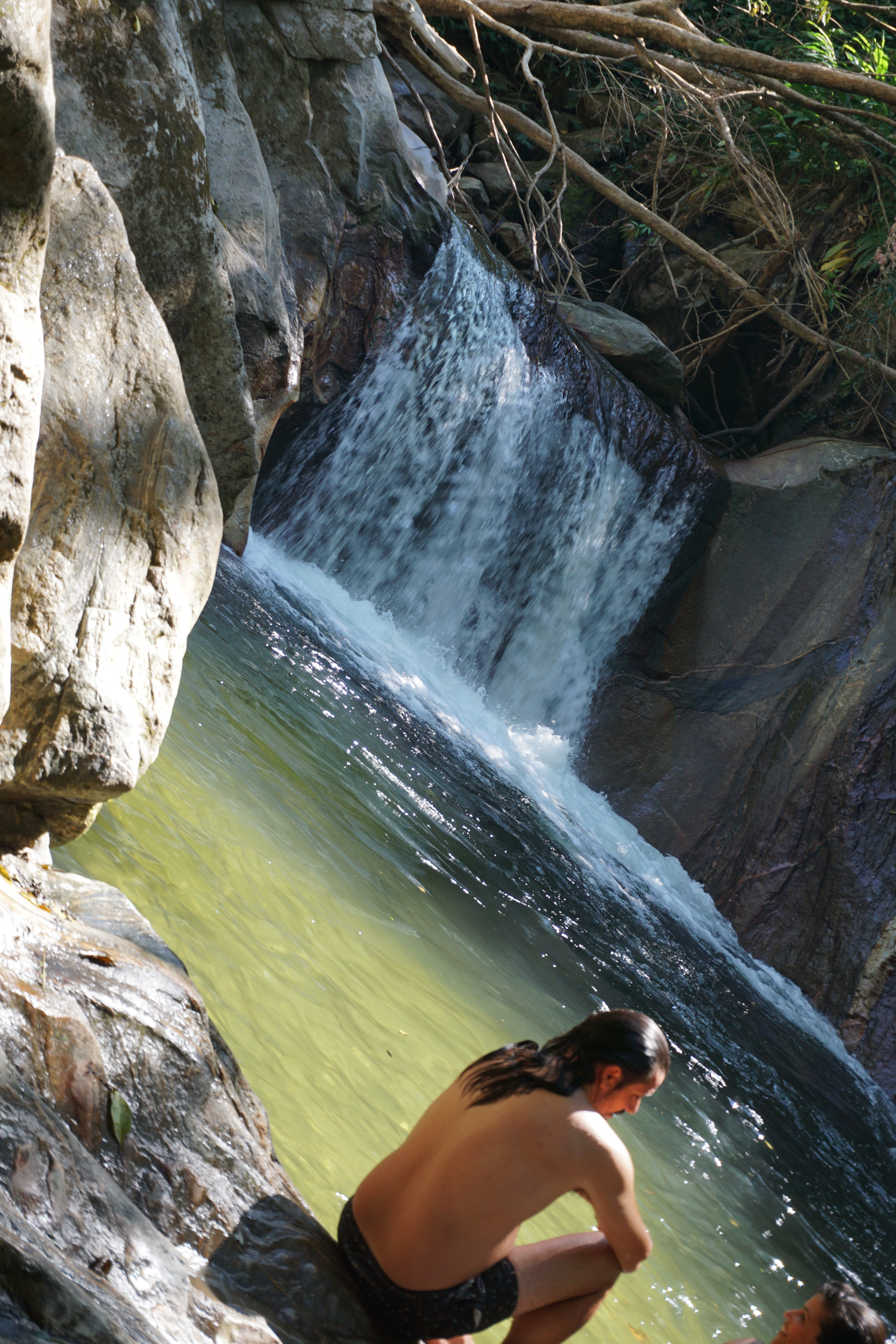
The highlights were the waterfalls and the amazing views. I started the day by going to swim in Pozo Azul. When going up those steep mountain paths and roads, I tried to imagine doing it all on foot instead of paying to 100 mil to get taxied around. Nooo thank you. I was looking to relax, after all, not get home more exhausted than when I left.

DSC02965

If you are looking to push yourself and have a hiking retreat, of course I would definitely say go for it! And if you’re staying for an entire extended weekend, it just makes sense to save money and explore on foot. But I went with a single day and night planned out in my mind – and initially, I wasn’t even sure if I would stay the night.

DSC03005

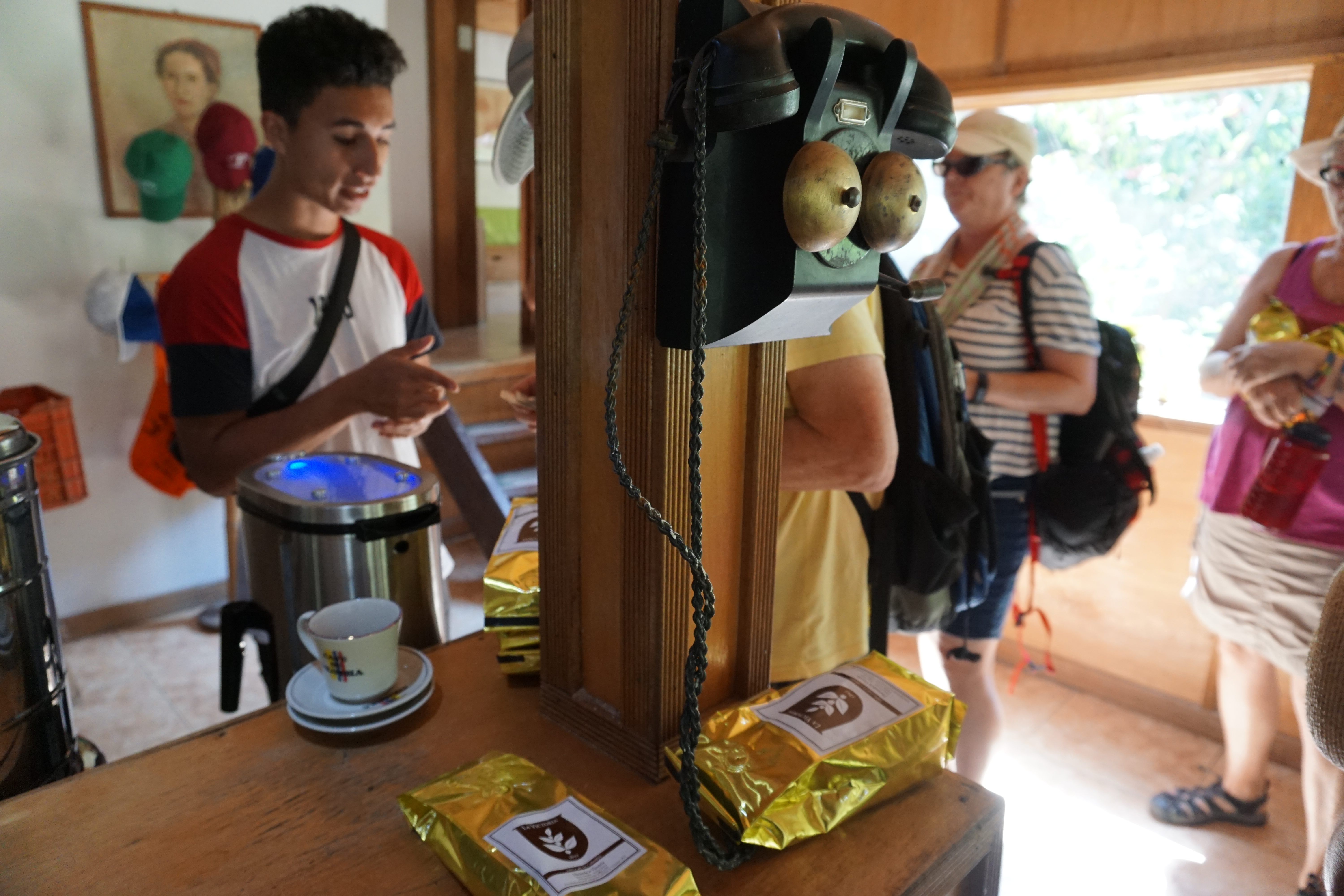
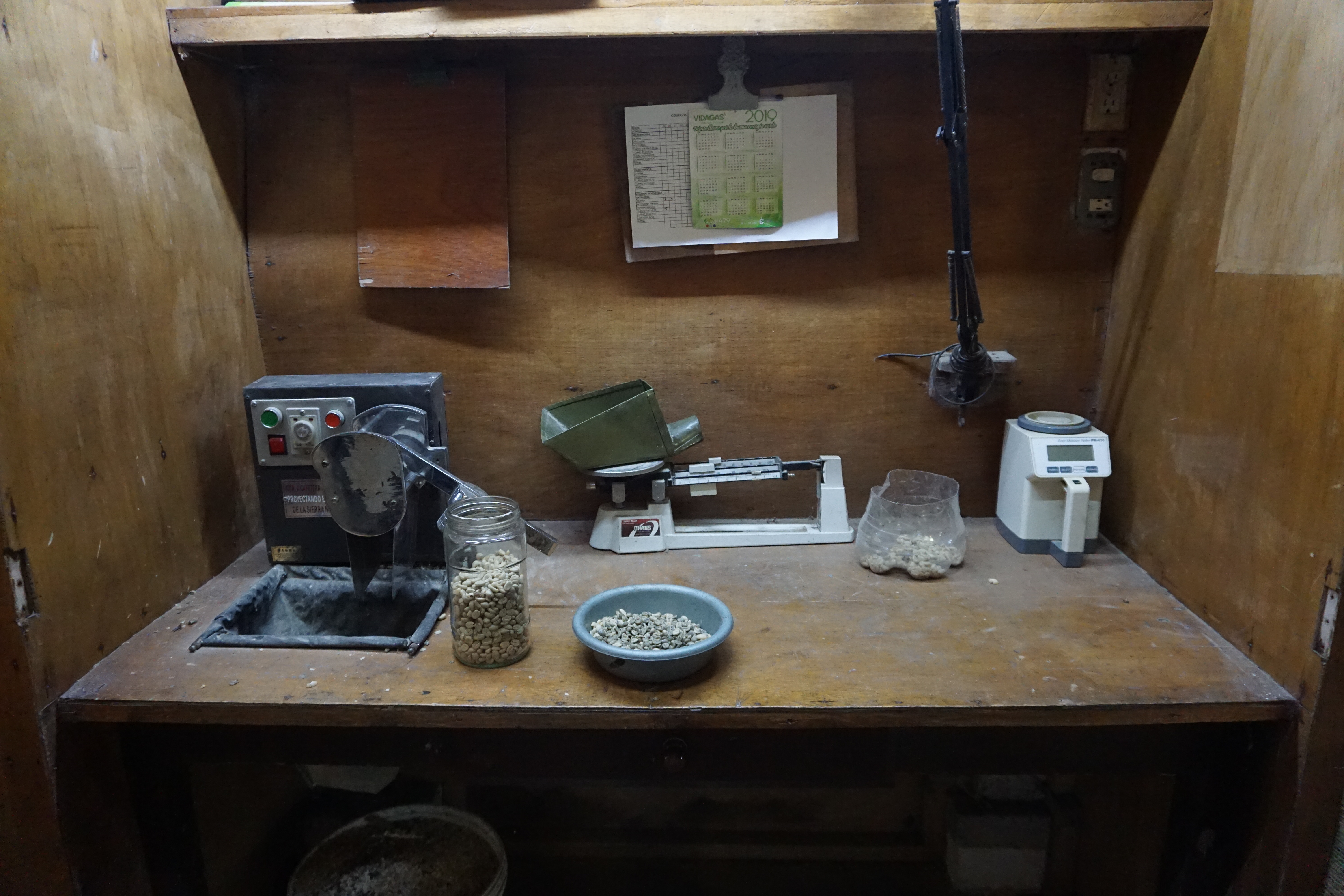
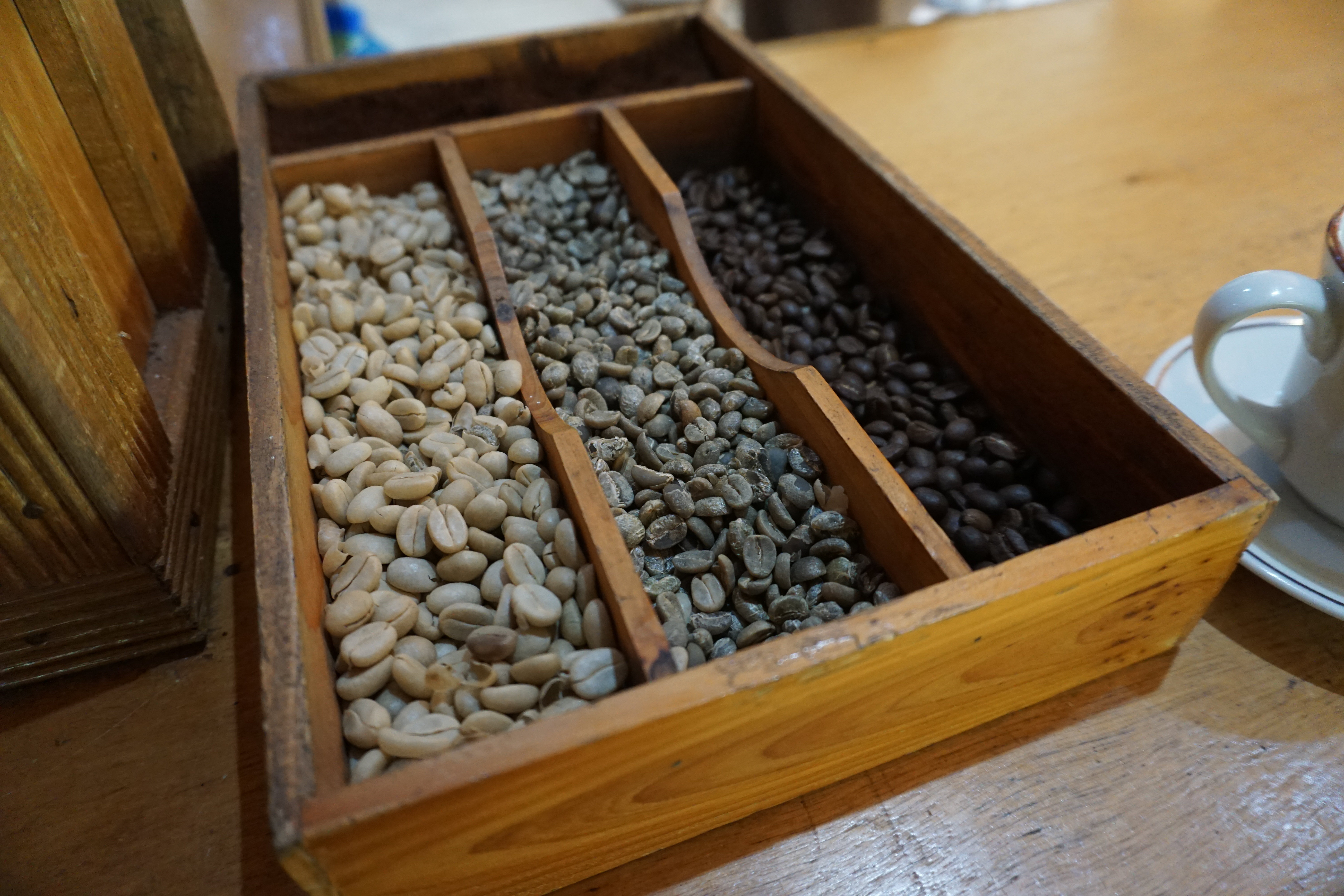
I took a tour of a coffee farm, La Victoria, which turned out to be extremely fascinating and less fluff than you would expect. The tourguide happened to be a physicist who knew all about the ends and outs of the coffee gathering, preparation, production, and distribution process. I learned everything from why the coffee sold inside Colombia is such crap to how the irrigation and draining system works to shuck (I think that’s the word) the coffee beans. Plus it came with two cups of coffee, one at the beginning and one at the end. I had lunch there (an over-priced vegan friendly doubledecker sandwich because I was too hungry to be asked to wait and look for something cheap and local).

DSC03006

DSC03051DSC03003

DSC03004

DSC03002

The coolest part was having a taxista willing to wait on me for 2 hours and watch my things when I went swimming. He also tolerated all of my questions about the place during the ride, which meant I got to learn a lot along the way.

The “tour” was followed by more winding up and down the mountain and stopping at Los Pinos (the pines) to peep the amazing (if smoggy) view of Santa Marta, the ocean, and the peaks of the Sierra Nevada. Unfortunately, said smog was veiling the view, so no dice. Still, I enjoyed taking some pictures with my camera.

From there, I got to see the famous Casa Elemento. I didn’t go all the way to their treehouse hammocks, but I did some lounging about on the big ones in the main common area. You buy a wristband to get in for like 15 mil and you can spend as much time as you want. The hostel covers an expanse of property with lots to do and see. The wristband also includes a drink. Obviously if you stay there, you get access to the hammocks, pool, and cabins without paying extra. It’s worth it, but I chose a hostel close to the town of Minca to leave early the next day, and Casa Elemento is still about 40 minutes away from the town.

This slideshow requires JavaScript.

I couldn’t lounge for too long because the sun was starting to go down at this point, and I had one last top before going to the hostel. The Marinka waterfalls were amazing – plus you get a good, exhausting hike as well. Be sure to check them out. On the path up, I had an old man compliment me on my tattoo (which I never expect from the elderly for obvious reasons), and the best part was he wasn’t even hitting on me! He even told me to look out for those costeños and their “labia” (a sort of sweet-talking bullshitting). We both had a good laugh.

DSC03189

Most of the tourists I met in Minca were German and French. The hostel I stayed at was run by some Argentinians that were really nice, the usual open-minded traveler types. That night, I went to an open mic and shared some wine and beer with one of the girls and a volunteer at the hostel. He happened to be a Colombian transplanted and living in Canada. We shared our philosophies on how we hated living to work. He explained how he uses his hated 8-5 job to pay the bills and save to travel for months at a time every year.

Lately, I’ve been thinking more and more about purpose – the purpose of me living in Colombia, working as much as I do, the purpose of this blog and the way I organize my time. I’m not working to live; lately I’ve been living to work. And that has to stop. That’s part of why I chose this lifestyle. That’s why I write and do other things. My purpose is trying to produce something meaningful while I’m alive. I think we should all aspire to do as much. Not to live to work, but to try to move beyond the realm of simply existing, tolerating, rinsing, washing, repeating.

Therefore, I’m in transition, trying to slowly find my way again. A year ago, my goals were very clear. I go back to that dauntingly clear and ambitious list and wince. I am still working towards those goals, but I haven’t been taking as many steps to see them through.

That’s why, as much as this post is about Minca, it’s also a recap of why the hell I’ve been lost all these months and where I want to go with this blog and my life. I’ve been having a lot of conversations about maintaining a sense of clarity towards the things that matter in life. About dedicating time to things that matter. About why this matters. It’s time to replant those goals and water them and give them another chance to flourish and blossom. It’s never too late.

I took a book from the hostel I stayed at in Minca which just seemed right: Sobreviver. It’s in Portuguese. I’ve been reading it very casually, but my goal is to finish and post about it and my insights here. The book is basically about the following reflection: life isn’t just surviving, but in order to live well, you must be resilient. In order to be resilient, you must be a survivor. And that means pushing past negativity and working through every obstacle thrown at us.


Day 1: San Antonio, Laredo, Monterrey (aka the longest day ever)

It’s officially been over 24 hours since I began my journey, and let me tell you: my body feels every second of it. I’ve now been on 4 buses, so far, with another one to go to get to our first major stop: Mexico City (CDMX). Right now we’re resting at our 3rd pit stop in Monterrey, Nuevo Leon, Mexico, about 12 hours away from our final destination.

Let me back up. The travel delirium is making my thoughts spin. It started at 5:15 yesterday morning. I was awoken after what felt like the fastest 5 hours of sleep of my life – blink and you’re awake. Time to go to the greyhound station, a grimey gas station/run down casino off of the highway in Lake Charles.

Word to the wise: greyhound SUCKS. You pay over $100 for a 7 hour trip in which you’re guaranteed nothing more than discomfort 100% of the trip. I had experience with greyhound before this, but getting used to Colombian bus companies of superior quality and cheaper cost made me somehow less prepared for the experience. Somehow it always smells like someone forgot to bathe. The seats have no cushioning. The TVs are just for looks. And there’s zero leg room. Now I have long legs. I felt like I had been stuffed into a tiny box for the past 4 hours when I finally got from Houston, the connecting city to San Antonio.

Luckily, Natalie and I met pretty soon after that. Her flight arrived about an hour after I did and then it took her almost an hour to get to the Starbucks where I was freezing waiting.

Another word to the wise: store your bag if you want to walk around and sightsee. I feel so clumsy with this thing. It’s not that it weighs too much, but it takes up space, and I hit people without meaning to which led to a very tense situation at my first McDonald’s pit stop in Houston. So yeah, it’s like having a person strapped to your back. Look out for that.

San Antonio is beautiful especially downtown where we decided to kill time before making our way to the border city of Laredo. That was 36 dollars, not so bad, but again, greyhound. We left from Houston at 9:30 pm after spending the afternoon wandering along the river walk looking for cheap eats before realizing that on Sunday most everything is closed and settling for the cheapest thing we could find open near by – McDonald’s. Spoiler alert: my stomach was not happy after the last 2 bus rides. I think I know why.

In line in the greyhound station, we quickly made friends with some Mexican people planning to cross back into Mexico. They explained that there are two or three ways to go about this: cross in your car or a taxi (*expensive* – around $60 – NOPE) or walk through on foot.

So once we got down, we immediately set off on foot with two older women and a young man towards the border customs building. It was a straight shot from the station – no taxi required. We finally crossed the border at 12 am after converting a dollar for a moneda in pesos, slipping it into a slot, and walking through one of those turnstile things. Easy as that.

As we made our way down this sidewalk, closed off from the cars crossing back and forth on the road, the other lady that was walking with us pointed out all of the people seemingly camped out, thrown on the walkway on the opposite side. All waiting to cross the border. It’s not as crazy as you might think, she said, but that’s the reality. I couldn’t help but think about the children at this point that have been taken from their families and isolated just for daring to look for a sanctuary. Since being here, I can only imagine why. Just like in Colombia, the corruption and dangerous parts are clear, well-defined boundaries. But there is a since of warmth and solidarity that I feel in both places and have felt so far as a simple outsider in Mexico so far. If only we shared that solidarity in the states, a place where hostilities are so high that even walking into a McDonald’s in the poorer side of a city can lead to suspicion and tension.

So, it wasn’t as simple as it seemed. Our guide of the moment, who fortunately was a lawyer, informed us having our bags quickly scanned in customs that we needed to take a cab to Migration to get our visas. Yes, you have to pay a visa fee in Mexico – $533 pesos or $30 dollars. The process was easy, but I would recommend getting money changed sooner rather than later, even though people are more than willing to accept or even exchange dollars for pesos. Also have the exchange rate present, which I didn’t. I didn’t even know there was a visa fee. Shame on me.

Luckily, it wasn’t a big deal. We waited for the taxi to come back after taking the lawyer lady back home. Our original companion was waiting for us, a very kind woman from Monterrey. She’s basically the reason we came here. We wanted to see the Mexico vs. Brazil game, which is currently happening, and then continue our journey from here.

In the bus station, we found out the trip with the lady would cost us $23 dollars to travel about 3 hours away – much better.

While in the bus station in Nuevo Laredo, we realized that (just like in Colombia) toilet paper was not supplied in the bathrooms. Make sure if you are traveling in Latin America to always be on the safe side and *bring toilet paper*! BYOTP. Because most buses don’t have it either, and trust me you don’t wanna go hours without wiping. Luckily, another kind lady gave me a big wad of hers in the bathroom when she saw I didn’t have any.

The Senda bus company was literally world’s superior to Greyhound. We even got a bottle of water and chips included. We left at 2 am and got here around 5:20, pure sleep in some of the softest seats with the best leg room I’ve seen on a bus like that.

Since arriving to Monterrey, we have been taking it easy. Initially we were totally lost – no pesos even to just go to the bathroom (Yes, you have to pay to use the restroom in most large bus stations, it was 6 pesos, so pocket change – Colombia and Mexico have this in common), confused about the public transportation system, and exhausted (at least on my end – Natalie sleeps surprisingly well on buses. I never feel rested). Thanks to being surrounded by helpful strangers though, the confusion aspect resolved itself quickly.

So take away since we’ve been here: people are your friends. Leave your bags if you’re going to even just walk around to take pictures because these bags are bulky and awkward. Make sure you know the details on where you’re going. Monterrey has a good metro service that connects the city with a fare of only a few cents, and we had no trouble getting to the downtown historic district near Barrio Antiguo, a must see according to our acquaintance from the bus. Still getting in this area before 7 is not ideal. Nothing happened to us, but I still felt very uneasy. We talked to another local that clearly was confused by our presence with these bags at 5:40 am and gave us some good advice to avoid losing all of our things.

Welp, that’s what led us to where we were chilling for several hours, VIPS, a Mexican American-ish diner where we got some good eggs, bread, and coffee (and even refried beans and nachos). It’s a bit expensive, so we got the cheapest possible thing, around $45 or 4 dollars each.*

We watched the game, which started exciting and hopeful but ended in silence and disappointment as Mexico lost to Brazil 0 to 2. Oh well, it would’ve been great to see them win, but frankly I’ve never been a big fútbol fan anyway. It was just cool to see Mexico play among their paisanos.

From there, we walked around exploring Barrio Antiguo and the historic district. There is plenty to do, make no mistake, you could spend at least a weekend exploring Monterrey – the palacios, teatro (theatre), multiple museos (museums), and even a lovely river walk with a boat tour akin to that of San Antonio called Paseo Santa Lucia. The truth is colonial San Antonio and Monterrey are rather similar.** Both cities have the same Spanish colonial origins and charm. Monterrey, being the capital of the state Nuevo León, literally has lions and references to the colonial heroes of Mexico everywhere. I spent a good while perusing the statues and getting a feel for Mexican pride towards its history and origins. There’s art and a strong respect for history in this area – not so useful to visit only to glimpse inside because it leaves you wanting to spend more time. We went past the Museo de Historia Mexicana, and my intrigue nearly led me inside but my aching feet and back stopped me.

Did I mention it was really hot?! And we were walking around with all our stuff. Mostof the bars and clubs in Barrio Antiguo were closed up, so it was really just wandering until finally I had to stop, sit, and change into more comfortable shoes.

Final recommendation: Monterrey is worth a day visit but probably not great to explore on foot if you haven’t had a proper sleep in 24 hours.

Now we’re finally on the bus headed to Mexico City after waiting for 4 hours for our bus in the terminal. We were debating after getting back from downtown if we should take the first bus heading to the capital or not. In the end, after weighing our options, we decided that it would be better to wait in order to arrive when our host would be more likely to be waiting for us and we could hopefully get a full night’s sleep on a comfortable bus. We chose Futura Select, a cushy luxury bus replete with wifi, large reclining chairs, screens on the back of each chairs, and even free snacks included (a drink, sandwich, and dried fruit snack combo). We could not complain, as we got this amazing setup for a 13 hour trip for a mere 90 dollars/1200 pesos. Truly better than anything you get with Greyhound in the states – but okay, that’s not saying much.

You would think with such luxury I would be sleeping. It’s 3:12 am. Despite the comfort, my body is sore from being in the same position sitting down for so long. I feel exhausted and driven to finish this post.

Here’s hoping our arrival in roughly 3 hours is a success! And that we’re finally able to shower and lay down. The rest for me is secondary at the moment.


*The exchange rate is mostly a dollar to $18 pesos, which I found up to $20 or down to $10 to convert in my head, but still it’s been a bit awkward to figure out if I’m spending a reasonable amount or not.

**Later I will edit and post pictures to compare the two.

Preparations: the Eve of Central America Mochilero Trip 2018

I’ve been meaning to write for a while now. Preparing for my Central American adventure (which will include hopefully all 7 countries + Mexico) has my anxiety through the roof, which carries the unfortunate consequence of making it hard for me to focus on any one thing for long periods of times – and that includes writing. That being said, I don’t associate this sort of anxiety with negative things. Yes, I become more irritable, not so different from my 70 year old grandparents that get frustrated at the slightest hiccup caused by technology – little things get to me, one of the most unfortunate symptoms of my anxiety. But I’ve been trying to put things in perspective and focus on what’s really important: the excitement aspect underlying these anxious feelings.

shutterstock-149629379[1]

One of the things that’s particularly therapeutic for me is doing just that: refocusing and reframing my pre-travel anxiety to interpret as excitement. Anxiety and excitement have similar symptoms after all. I figure if I can see it as one big adrenaline rush, it makes me feel a little less crazy and a lot more optimistic of the journey I’m on.

I wanted to share some of the preparations I’ve made. It’s been no small task for me preparing for a month-long backpacking excursion. The truth is, I’ve never done anything like this. I’ve never traveled for such a long period of time, much less while depending on websites like couchsurfing and a single companion.

Now the good news is I do have experience traveling in an improvised way. I’ve slept at a person’s house that I met on CS and I’ve even hopped on a bus and went somewhere completely unknown in another country alone. I have no doubts that I can do this and it will be amazing.

But still. Let’s be honest. It’s not all rosy and adventurous. Anxiety is real and it is a biatch.

So I’ve learned that making lists kind of calms me through this process. I’ve been steadily documenting what I need and how much I need to spend in order to get it. Make no mistake, just because I might be sleeping on some couches and taking all of the public transportation options we can find, that doesn’t mean this hasn’t been and won’t be a cheap trip.

Here are the three most essential items I’ve selected to help me on my journey:

  1. THE Mochila – I don’t think a mochilero trip would be right if you don’t get the key accessory. This decision was excruciating for me, as are most big decisions where there are lots of options. Go compact and risk not having enough space or go big and risk being weighed down and not packing light enough? Go economic and risk it coming to cheap? Go expensive and…spend a lot of money? Buy online or in person? At the end of the day, I asked around, sweated about it a bit looking on amazon and mercado libre, before finally heading down to my nearest mall and slipping into a Totto store. Totto is a solid, reliable brand. Considering I’m planning on taking another trip like this in South America next year, I decided to go big or go home. In the end, I settled on this kirat 90 liter bag – basically the biggest, most expensive bag they have. However, I regret nothing.
  2. The camera – After pooling recommendations from my photographer buddies, both casual and professional, the most reasonable yet quality camera I found was the Sony Alpha a6000. I went with this beautiful model, and since testing it out this week, I can say I know it was the perfect purchase for the documenting I want to do during this trip both for travel vlog vids (coming soon!) and insta photography (@foto.explora – shameless plug, I know).
  3. Hiking shoes – I wasn’t sure if I was going to buy new shoes for this trip. After all, as you can see, the previous items add up to a lot, and I didn’t even go into accessories for the camera (bag, memory card, tripod, etc.). But while wandering around Academy with my dad yesterday, I found myself in the shoe section thinking about how horrible having sore feet is and how much I plan to hike – mountains and volcanoes with rivers, no doubt and rocks and – you get the picture. The last thing I need is aching feet and shoes that are falling apart. So, I made the decision – $50 for waterproof, odor free, slip-resistant hiking shoes.

Really, the only other things I’m investing in are the tickets and lodging, along with other incidentals along the way. All in all, I feel good about these purchases because I know they will make the experience more convenient and less stressful.

Traveling is an investment. Nothing more, nothing less. As you will see, a lot of what I bought is kind of pricey. But I realize this won’t be my last time using these essential items, and really, if you’re going to buy something you plan on using a lot, you need to make sure it is quality so it lasts you. You don’t only invest in a great experience and memories when you travel, you also invest in the stuff that makes it a quality experience.

This investment involves my own ambitions to write more, share more, and blog more – not just as a hobby but hopefully as something that can help others and maybe even make people more passionate about traveling and exploring. I want to spark people’s curiosity, to make them realize that traveling is a worthy lifetime investment – that it can change the way you see the world, and yes, even change you. I’ve loved photography and writing for as long as I can remember, so beneath all of my anxiety and worry, there’s an eagerness to learn and grow, about and from others and about these skills I am so excited to grow and share with others.

The final list, of course, has everything to do with packing. So what’s in my bag?

  1. Leggings, at least 3 pair, for comfortable hiking and lounge-wear.
  2. Underwear and socks, lest our mothers don’t remind us of their importance. I’m going on the safe side, 7 pairs just in case I’m not able to wash clothes during the week.
  3. A pair of jeans – because it’s a necessity but I also don’t think I’m going to want to be wearing jeans all the time. Also you can rewear jeans multiple times before they start getting noticeably dirty.
  4. A few pairs of shorts for the days I want to free my legs on those hikes
  5. A good mix of t-shirts and tops that can be used for city or nightlife outings.
  6. 3 dresses, including a beach dress to go over my swimsuit
  7. The swimsuit, because the beach is definitely on our list of destinations.
  8. 3 types of shoes: sandals (for the beach/going out), standard tennis shoes, and the hiking shoes
  9. A makeup bag with the general essentials (ponytail holders, deodorant, toothpaste, toothbrush, sunscreen, powder, basic makeup/beauty items, etc.)
  10. Tech stuff – chargers, a backup battery for the camera, cleaning supplies, all that jazz

Add a jacket in case it rains or gets chilly, and I think that pretty much covers it. I tried to pack light with the fact that I don’t want to have a heavy burden and I want enough space for some memorandum to bring home too. I also didn’t go so light that I end up wearing the same 3 outfits for a whole month. You know, practicality and fashion don’t have to contradict each other.

So here I go! Sharing what I’ll be doing, what I’ve done to prepare, and all of the little insights along the way. Tomorrow, at 7 am I set off for San Antonio to meet up with my friend. Then we begin the first leg of our 30-day journey to Mexico City. It’s going to be a long day…and night. The journey starts now.


Looking Back: (Mis)adventures in Parque Tayrona and Santa Marta

Finally I had my Colombian adventure. I set off on Tuesday around 1 pm thinking I wouldn’t get a bus until 2:30, but to my pleasant surprise, when I arrived at the bus terminal I was immediately led to the bus leaving at that exact moment. The trip was a bit uncomfortable. Initially, I thought I had the best luck – the back seat to myself. Then this entire family climbed onto the bus, and to my dismay, there were no free spaces other than the ones next to me. So the mother and father sat next to me with their three children piled on top of them. Not the most pleasant of scenarios, but it only lasted about 3 hours. Then I was told to get on a smaller bus that would take me straight to Santa Marta. Again, another cramped voyage. Imagine me, a relatively tall white woman in the last row of a roughly 25-seat mini-bus packed with Colombians of a darker complexion. I was like a sore thumb stuffed in a box of sardines.

But before I knew it, that leg of the journey was over and I was in my hostel, Solaz, in Santa Marta. I had a really neat conversation with the taxi driver who picked me up in front of the terminal about ignorance that leads to hero worship of even the most deplorable figures – in this case, Trump and Maduro. I never considered that there were Venezuelans that admired and even worshiped him with a certain fervor. My taxista, a Venezuelan, understood it just as much as I understand the fervor people in my own family have towards Trump. He left me with his number, saying if I ever needed anything in the city to let him know. A man who had been a successful detective with several houses, for the first time, reduced in a way to a solitary life working in the public sector of Colombia. Now that would make a novel – but that was his life. The whole thing struck me as quaint.

I can’t lie, I had some unrealistic expectations for this trip, particularly for seeing my friend. After all, his posturing of things was pretty ideal. We were to go out wandering around Santa Marta talking and then later drink and dance the night away. I even imagined us traveling a bit afterwards together as well.

Well, suffice it to say, it didn’t happen that way. We all ended up being to tired to properly drink and dance, so I retired early. And honestly, that’s okay. Everything was fun but not life-altering. I kept finding myself getting quiet and pensive because it didn’t feel like I felt it should. And I realize that’s the danger. Thinking too much and figuring yourself into a story that isn’t yours. All the same, I generally enjoyed the experience I had, all because a relatively new friend had the nerve to tell me “ven” – come through.

The great, and frankly unexpected, part of this adventure was the connections I gained along the way. That night I met Clari and Dani, two incredible Argentinian girls. They were both planning on going to the same destination that I had in mind from the beginning: Parque Tayrona. My friend introduced us, and we hit it off fairly well. They are both biology majors from Buenos Aires with a myriad of other skills between them: both cook, sing, dance (tango!), ride horses, among a million other little things aside from being extremely intelligent. It’s not that often that you meet truly formidable people in life, but I felt like they could definitely be described as such.

I got to know them a good deal in Santa Marta, eating out and hanging out in the hostel and going to swim and sunbathe in Rodadero (oh, did I mention they’re both great swimmers too?). But I really saw what made them tick on our trip to Tayrona.

We went into the trip with the entrance tickets to the park pre-bought – a must to avoid long lines in peak tourist season – and (supposedly) lodging already a given. That part ended up being wrong, though, as when we arrived to the camp site with extremely over-priced food, there was actually no tents available for us to rent. It got worse considering the guy that worked there wouldn’t even help us. So not long after, it was put our bags back on our backs and hoof it to the next campsite.

When we got there, we were so relieved to have made it through this jungle of hills and sandy hikes: rivers, ant-trails, and muddy clearings we had to cross by balancing ourselves on logs – so relieved that we didn’t even consider if we were getting a good deal. $35.000 a person for 2 big tents and one little one, in a seemingly less crowded campsite? We’ll take it!

Unfortunately, when we returned from hiking along the beach that afternoon we discovered that not only was the place very crowded (so crowded in fact that the kitchen ran out of meat and there were few chairs to spare for our group of 5 to sit at), but that it was also extremely unsanitary and the food sucked, was overpriced, and lacked variety! There were 2 bathrooms on the entire campsite. One had a shower. One. Fast forward later that night when I’m trying to wash myself off while another person is dying in the stall next to me of food-poison-induced diarrhea…not pleasant. Not to mention the tents were practically on top of each other, plus hammocks outside of them and all around. And this to the fact that most people were loud, intoxicated, and sick, and you get a really big headache. I think we all learned a valuable lesson: always book ahead. And book Cabo.

Backing up a bit, the hike along the beaches were to die for – almost literally – exhausting but definitely worth it. Despite some inconvenient physical circumstances, I managed to get in the ocean, hike up all of those fun jungle hills, and make some incredible memories. I just felt very…unsanitary while doing so. And crampy.

That day, we explored Las Piscinas, la Laguna de los Caimanes, and half-hiked to Cabo before realizing it would be dark on the hike back because we left way too late (we’re talking about starting an hour-long hike around 4/5 pm – not a great idea). So after discovering how fucked up our campsite was, we decided to go to a different, more family-oriented campsite to eat and enjoy some music. Colombia is not Colombia without music (especially blasting Vallenato).

We convinced the lady cooking to make us pasta which was pretty decent (and huge so almost worth the $21.000 we spent on it). We also broke out the aguardiente and beers. I discovered that night that in reality, Argentines don’t drink as heavily as Colombians. Andres and Julian, both from Bogota, were all for passing out the shots. We started during our walk to the other site (in the dark under an absolutely incredible starry sky unsullied by light pollution) and continued once we were mostly finished eating. Food was accompanied by beer, of course.

Then, we started playing some hilarious drinking games. One involved using a specific letter of the alphabet to describe your genitals. I learned a lot of new vulgarities and adjectives in this one, and I actually didn’t do so bad! Another was Pregunta, Pregunta which was literally Question Master – each person can only ask a question and respond with a question. This led to more shots then you would think, but possibly not as much as the categories game (another concept I was familiar with from King’s Cup – ohhh college). Somebody picks a category and each person has to say something within the category. The Argentine girls also taught us a game involving crossing arms and tapping the table in an unbroken chain. Way harder than you would think, especially while walking the knife’s edge of tipsy and fucked up.

We were accompanied by a French girl, Alice, who we met in the shitty campsite earlier that day. Exploring with her was fun, although she also wasn’t much of a heavy drinker. I think Colombian culture has exacerbated my own party-loving spirit. When she and Clari were ready to retire, the fun had only just begun for me. I was tipsy and dancing with Andres, and Dani and Julian had coupled up as well. I’ve noticed that this coupling off to dance thing probably has a lot to do with the hookup culture I’ve seen here. Nothing happened out of the ordinary that night, but it does tend to happen under those circumstances.

When you travel, you learn so much about other people, and from them, you also learn about yourself. I suffered a couple really major crises during the trip. I went back to the party after promising to go back with Andres to walk Julian and Dani back from the site and “take care of them,” which doesn’t work very well when you are well liquored up yourself. I unfortunately forgot that I was carrying my cellphone in my purse – while crossing the laguna de los caimanes – Alligator Lagoon. On the way out of the campsite on the hill, I made an Olympic-metal hop across a log that connected one side to another. Beaming with accomplishment, I turned to share the light with my friend coming behind me. The log was not totally level of course and my foot slipped and – bam! I slipped straight down into the lagoon. Of course, my own welfare wasn’t the real worry for me in my intoxicated state – the damage the water did to my brand new Moto g5 as I scrambled to get out and continued to fall, eventually pulling Andres with me was the real tragedy of the moment. New cellphone – dead. Pride – also dead. I cried so much that night, it was ridiculous. Andres did his best to comfort me, but I was pretty distraught, so we sat by the side of the ocean for at least an hour leaning against a log of sorts, him trying to distract me from my tech tragedy, me trying to rationalize the situation and failing and just being angry at myself.

After the wild, regrettable night, I woke up in the big tent with a pretty shitty hangover, exhausted from barely sleeping, sore all over, and just generally blah. In spite of that, we decided to carry on and hike down to Cabo. We had a breakfast at the same place we had partied the night before and hurried on our way. Hiking in sand, by the way: don’t do it. My shoes were soaked and dirty, which meant soggy feet after spending what seemed like hours in beautiful aqua blue oceans and shiny, gold-flecked rivers. Cabo was a dream, and the hike there and back really was not so bad. We passed the time by swapping stories and singing Disney songs both in Spanish and English. We unanimously decided that next time, for sure, we would have to stay there. And book in advance. Just go Cabo.

What I was not prepared for was the hike out of the park. 2 hours or more, not including the 1 hour hike back to the main campsite from Cabo. My feet were soggy and blistered. Every step slowly became more painful, and then, like fools, we decided to finish the last leg of our hike (which could have been cut shorter on bus) on foot instead. The sensation of stepping on knives stabbed through me with every painful step. At first, the trip didn’t seem so far. Just a little bit further…but after each turn that did not seem to bring us any closer to our destination, I began to bitterly lose hope.

Clari was patient with me, as was Andres, who took my bag to help lighten my burden. Clari distracted me with engaging conversations about past lives (”Muchas Vidas, Muchos Maestros” was a book she recommended me that I must remember to read). We talked about the permanence of energy in the universe and strange dreams and uncanny knowledge of things one has not directly experienced. Andres thought we sounded high, but it was just the mixture of our shared mysticism and hiking delirium. We got on to plan other potential trips, Spain being a shared interest. She assured me that I could go visit in Argentina anytime.

Finally, that little adventure was over. The other tragedy came after deciding recklessly to go out and drink cocktails and tequila shots while suffering from severe exhaustion – and eat meaty, heavy street food. The stomach virus I had the next day was so severe I was unable to even smell food without becoming nauseous and vomited pretty much everything in me that diarrhea didn’t wipe out. Andres and Dani had decided to move on to La Guajira, leaving me in the hostel with Clari and some kind German girls that had taken up residence. Clari helped me get the strength to go to the clinic to get some shots and a ton of drugs to deal with the poisoning. I lost that Saturday in Santa Marta sleeping, and the next day, it was time to go home.

So, big takeaways from the trip:

  1. Don’t take your cell with you on midnight treks over alligator lagoons while intoxicated. Just…don’t do it. Hindsight is a bitch.
  2. Don’t let shit that is over and done with affect and ruin your present.
  3. Don’t be afraid to open up to strangers. They might end up becoming some of your best company.
  4. Don’t overthink the reaction of others to that essence which is you – any negative reaction is their problem.
  5. Street food involving meat should be avoided at all costs. Eating in places where conditions are unsanitary, regardless of how tempting the cheapness of that place is must be avoided.
  6. And finally: don’t wait – buy your entradas (tickets) to the park and book your campsite or hostel in advance. Make sure you have all the facts. Don’t be like me.

In the end, I don’t regret any of it, even the misadventures and all of the callouses my feet acquired. The trip represents life in a big way. It was a microcosm of the wins, losses, and connections one experiences when they dare to live without limits and open themselves up to people. It’s not always going to be pleasant and epic, but it will teach you something if you let it. Those lessons will stay with me, buried away in my consciousness. This is the year of autonomy and letting go of fear. This trip was part of the autonomy. And it was only the beginning. Bring on the next adventure: Central America!