How I learned to accept and love myself and stop suffering (Cómo aprendí a aceptarme, quererme y dejar de sufrir)
I found this audiobook on Spotify. It’s extremely relatable for any person, especially femme, that has felt too much, sacrificed their own authenticity, and surrendered their power to others. Who has listened to a drill Sargent (as the author Cris Blanco aptly calls it) in their head yelling at them Elsa style: “Conceal, don’t feel! Don’t let them know!”
This has been my journey since 2023. Forming a cocoon around myself, trying to emerge, struggling to accept what I perceive. I’m learning the message that any therapist helps you see: You need to be your own best friend. The person that believes in you the most has to be you. It is vital if you want to move forward and overcome doubts, about the self, the future.
So, instead of summarizing her words, I’ve decided to translate them for this blog today. I’m sure an English translation already exists online, but I am intentionally combining this with a daily practice. I started translating while listening in the past month since deciding I will test for my ATA translator’s certificate.
Let me showcase the resounding wisdom this author shares in her book. Let me know in the comments if you can relate to this subject as much as me! And if you want more. 🙂
Part 1: Feeling like you aren’t enough
You think that your perfectionism is your worstenemy. That you’re a failure for having anxiety and intrusive thoughts. For only knowing how to relate to others in a toxic way. Or obsessing over your body and your self-image. For feeling like you don’t fit in with the people around you. For not knowing what to do with your life. Sound familiar? If the answer is yes, then this book is for you.
I’ve always had the feeling that the things that I thought or felt only happened to me, and this caused me a lot of suffering. Life can be a real rollercoaster, full of twists and surprises, ups and downs, and strong emotions that we often don’t know how to handle. No one teaches us how to, either. And ultimately, all of that ends up blowing up in our faces.
For years, I’ve done everything possible to be the perfect girl. For example, I would try to conform to all the unattainable standards. I had a huge fear of disappointing others. Without realizing it, I kept putting more and more pressure on myself – pressure that was gradually taking me over from the inside and ended up destroying me emotionally.
Additionally, in my short life I’ve had the opportunity to experience different types of relationships from romantic to platonic, that while painful, have allowed me to understand that my way of interacting with others perhaps was not the best. In these relationships, my insecurities were reflected through many behaviors that could be considered toxic, although at the time, I was incapable of seeing them that way. Jealousy, dependency, and control are the worst enemies of a relationship. And I had to learn that the hard way. I guess that being a highly sensitive person also did not help when it came to regulating my emotions.
I always considered being sensitive a flaw, or rather, a synonym for weakness. And for years I have felt it is one of my greatest insecurities. I’m still in the process of understanding and accepting my sensitivity. Trying to start seeing it as another personality trait. That while it makes me feel everything, both good and bad, with more intensity, at the same time it allows me to appreciate the little things in life. To be more creative and to connect better with others.
This load of self-imposed requirements, perfectionism, limiting beliefs, and toxic relationships took the form of long-standing anxiety. I believe that I always had it. It was just silenced until these situations became too much for me and I couldn’t control it anymore. I could say that what seemed like the worst thing that had ever happened to me was in fact a new door opening for me. Both my body and my mind were telling me: “I can’t do this anymore. This has to change.” And as the saying goes: Once you hit rock-bottom, the only way to go is up. And that’s what I did.
It took me a lot of time, therapy, tears to start dismantling those limiting beliefs that I held about myself, the world around me, and to recognize that I’m still in this process. In fact, I think I will always be in the process. There is still plenty of things for me to understand and experience. But in the meantime, learning to accept what I think, feel, and am has given me the freedom I never thought I would achieve.
How can something that sounds so simple radically change your present and your future? In effect, it seems easy, but it isn’t because throughout our entire lives we force ourselves to repress our emotions. We try to control our thoughts. In short, we train ourselves to be living robots – bodies without souls that go around doing what they must, trying to satisfy the desires of everyone except themselves. How are we not going to explode at any given moment?
For me, accepting this vulnerability that makes us human was an authentic wake up call. A call to stop rejecting who I really was. And above all else to understand that although I couldn’t control my thoughts or my emotions, it was in my hands to decide how I would respond to them. Who would have thought that recognizing my vulnerability would be precisely what would make me successful? Understanding my success as the joy of being able to dedicate myself to what I’m passionate about. Fulfilling many of my dreams. Knowing that with it, I am making a positive impact on hundreds of people and real connections with them as well.
Aware of the road ahead of me, everything left to live, and all of the lessons that I still have to learn, I find it therapeutic to express myself and speak my truth. That’s why today I’m writing what I hope are the words that will stay with you like a heart-to-heart between friends.
Well, well, well. Time to start my recap series. The first two months of this year were full of travel. I spent all of January in Brazil and February revisiting some gems in Colombia. My posts most likely won’t be in chronological order but rather highlights as I feel inspired to share.
After last year’s February travel success, I had to spend my birthday month traveling again this year. Once again, I made catching up with friends the guiding light of my route. Lucky me, they live in different parts of Colombia. So, I got to revisit 3 capitals: Bogota (THE capital of Colombia), Medellin, and Manizales.
In this post, I’m going to break down some gems in the Eje Cafetero. I like to call it the Coffee Country of Colombia (because, alliteration). I’ll start with one of its capitals: Manizales. After a week in Medellin, I chose not to take a bus or plane straight to Manizales. I took a smaller bus to cross Antioquia and reunite with my friend Carin in Jardin.
While discussing our reunion, we had gone back and forth about where we would go to take advantage of our new lease on life as digital nomads. On one hand, neither of us had been to the Colombian Pacific Coast (Chocó). However, if we were going to meet in Jardin, that would be farther from our set-off point so, we compromised to visit an area I had some experience with. I didn’t need to be convinced to go back because for me, Coffee Country is best country.
This was the route option laid out by my wonderful friend, including the times we could go and the prices available. The trip from Jardin to Manizales was supposed to take 5 and a half hours.
Carin helped plan and coordinate an adventure for two remote-working ladies. Her organization and practical mindset were the tools that my more spontaneous style needed to make everything work. Having a timeline was key, especially since this would be my last hurrah in Colombia before my flight from Bogota back to the States.
Jardin itself is a verdantly scenic mountain village right on the edge of Coffee Country (official map above). It attracts international tourists year-round, and for good reason. It may not be an official part of the Eje Cafetero, but it’s surrounded by farmland including coffee farms that form a big part of local culture and identity. It’s always a joy to visit. For the sake of proximity, budget, and practicality (plus a bit of nostalgia), we decided to spend 5 days there before going east.
The iconic Jardin church
A view from just outside of town
Any wonder why it’s called “Garden” in Spanish?
My friend showing me around town.
In spite of a week of mostly perfect weather, lightning, thunder and heavy rain kept us up the night before the ride to Manizales. This came as no surprise since one of the consequences of global warming in Colombia has been the rise of long droughts and unpredictable torrential rainfall outside of the usual rainy/dry seasons. The problem is, there are only a couple routes in and out of Jardin. One of those routes is through “trocha” – muddy off-roading. This was the only way Carin had taken before.
When we rolled out of bed by 5 am, there was a feeling of foreboding. We had bought our tickets for the van to Manizales ahead of time. If it went off-road, chances are the road would be closed due to the heavy rain. I was anxious to check that the trip wouldn’t be canceled. So, I charged out, umbrella in hand, to mall walk all of 5 blocks to the tiny terminal area. I saw a bus to Medellin was already pulling away from the Rapido Ochoa garage. Everybody seemed to think I was crazy for worrying (small town people don’t worry, as God always provides). It turned out, we’d be on the other road out of the town. Crisis averted.
The van involved a short but brutal, winding mountain path that actually gave me motion sickness. I’d never puked in a bag before and seriously hope I never will again. But that aside, it was a smooth trip, and we made it to the Manizales terminal in record time.
Manizales Trip Summary
Land transportation from Jardin to Manizales: 80k COP for a shared van (pay in El Portal, on Calle 8, and get lunch or a snack while you’re there!) We left at 6:30 am and were there by 10:30 am, shaving a full hour and a half off of the expected travel time.
From Manizales Terminal to Santa Rosa del Cabal: 13k COP for a small bus (Empresa Arauca)
Lodging: 3 bed apartment (Booking) in La Enea neighborhood (ideal for hiking and contact with nature)
Getting Around in the City: local buses (Gran Caldas) – 3k COP (though you can see the fare written, and some buses cost less) -Teleférico (cable cars): a bit limited, they can take you from one end of the city to the other, through the bus terminal or downtown. It’s great for the highlights of “touristing” – the views and the experience. -Taxis – we didn’t have to rely too much on them since public transportation in the city passed often and was reliable. Still, they aren’t the most expensive option – we paid 14k to travel 9 km from the Bus station to our apartment. Highlights: -El Bosque City Park -Termales del Otoño and Acquaparque (just outside of the city) -El Centro – the heart of the city -Chipre – the best view of the city (when it isn’t cloudy) -El Cable – limited but practical public transportation and a rush to see the city from above -the architecture and cultural attractions -the hospitality and politeness of the locals
Where to Stay
I’ve had the pleasure of staying in Manizales twice now. The first time was during a solo travel adventure in 2019. It was at the tail-end of my Semana Santa week-long vacation, so peace and comfort were my focus. That’s how I ended up staying in Lodge Paraíso Verde. Living up to its name, it was a green paradise surrounded by lush mountain vistas of the city’s northern outskirts.
That was a perfect introduction to this city. I remembered the hospitality of the workers at the lodge. They helped organize an affordable taxi ride to get to the other side of the city and go to Termales del Otoño. The taxi driver was so nice, I kept his contact and called him again when it was time to go back to the bus terminal.
This time, Carin and I knew that we wanted to go to the hot springs. The first time, I wasn’t aware of “termalismo” or hot springs tourism, nor had I ever heard of the termales in Manizales, so the recommendation led to a revelation. Carin and I had been working hard and traveling harder; thus, our objective was to explore, get in touch with nature, and relax at some point while doing it. What better way than hot springs?
Since our goal was clear, when looking at booking options, we picked out something to the south of the city. Little did we know, we were uncovering a gem a casual tourist may not consider. La Enea is a residential neighborhood surrounded by serene trees and mountains. Being that it’s so suburban, we also found the accommodations less expensive. We spent about $76 usd (319,200 cop) to stay 3 nights in a 3-bedroom apartment. We needed good internet and our own spaces to work, which “el acogedor apartamento La Nubia” provided.
We were walking distance from a plethora of shops and local dining options (mostly standard fare: bakeries, fast food joints, delicious arepa stands, with a few niche options like (Colombian style) Chinese food and a rock bar).
That first day, I needed to work, so Carin set out and explored for the both of us. She discovered that the city was extremely walkable, even reminding her of Germany in the way city crosswalks are set up. While out, she was “adopted” by a local family that offered to take a picture of – and then with – her. Her first impressions: friendly, clean, safe, and organized!
Getting Around
While out and about, the locals were happy to answer our questions or point us in the right direction. The few times we got disoriented, we were directed by a local to look for the Gran Caldas bus. They explained that on the sign posted in the window we would see which direction it was headed – either out of the city towards the springs or towards the cable cars and the city center.
One of the first things we found out was that there was no need to waste money on taxis in Manizales. The local buses, particularly the Gran Caldas, have routes that connect the city from the center outward. That’s how we were able to save money on transport. Traffic also was nowhere near as bad as in crowded cities like Bogota and even Medellin at peak hours. The bus got us around pretty quickly and efficiently.
We could even use it to get across the highway to the forest that caught our eye on the taxi ride to our apartment. Of course, Carin found out firsthand that walking there was not a problem either. In fact, it was just as straightforward as asking a bus driver where to get off. The foot bridge over the highway was easy to reach and cross, and then it was all uphill from there. The Bosque Popular El Prado was the perfect break from a long day of lessons.
We took the bus to get to the Termales del Otoño hotel and after that to go back into town. We only needed to stay on that same bus till we reached the downtown cable station, Fundadores.
There, you can take the cable car for just $2,900 pesos per trip. I’ll be honest: we did this at night and while it was worth the experience, I was petrified. The distance covered by the hanging gondolas is long, the boxes seat about 6 people, and at one point, the line stopped with alarms sounding. Thank God we weren’t suspended in the middle of the cable, but can you imagine? It would have been better if I had done it in daylight like Carin had when she went out alone, but after an amazing 3rd day, I didn’t want to skip it (even if dangling in the sky makes my stomach drop).
Highlights and Attractions: Termalismo
Once I recovered from the ride (the next day), I was ready to explore!
Manizales combines all of the things I love about Colombian Coffee Country: friendly, helpful locals, clean, organized cities surrounded by idyllic towns, lush greenery, perfect temperatures, and natural wonders. Manizales itself is the most peaceful capital city. It’s another world compared to the hot, chaotic coastal cities like Santa Marta, Riohacha, and Cartagena. In my opinion, it’s a city that doesn’t get enough credit – and perhaps that lends to its appeal.
However, we weren’t traveling just to explore the city. Our aim was to enjoy the scenery, take hikes, and then soak in the hot springs. This sort of tourism has a name in Spanish: termalismo. If you look up the different tourist attractions in the area, it even has its own category: Hot springs tourism.
On the Manizales tourism website and app (https://visitmanizales.com/que-hacer-en-manizales/termalismo/), we discovered there were 3 main destinations under the “termalismo” category (not including Termales del Ruiz, located closer to the national park than to the city of Manizales). We also found out that the website – a smart resource, in theory – was not exactly up to date. This post can hopefully shed some light on what to expect if you are looking for hot springs in Manizales.
We took the Gran Caldas down the via a Gallinazo. Its last stop left us just outside of the Termales del Otoño hotel. Coincidentally, the hotel and its three pools were closed for a private event that day. That part was the only one I had visited in 2019. The day pass is cheap, but the luxurious hotel is quite pricey. There were still two other options to visit hot springs connected to el Otoño.
The first was the Ecotermales, a zen garden surrounding relaxing pools. There you can order food at the restaurant or even book a massage with the spa. The garden is teeming with flowers attracting hummingbirds and other colorful feathered friends. Although we were there before the official opening time, the kind attendants allowed us to enter and look around. We took full advantage, snapping pictures of the beautiful pools, the bonsai garden, the decorations. Still, this was all you could do there. There was no hike, contrary to what the website lists. It was better for rest and relaxation, and we wanted a little adventure. We ultimately decided that we would consider coming back after visiting the water park.
The Ecotermales people told us that we would either need to get a taxi or walk to the Acquaparque. We wanted a hike, so we went for it. The 30-minute hike did not disappoint with its views. We passed Finca Guayabito and felt like we were in Wisconsin, surrounded by dairy cows. On the way back from the park, we given a ride by the shuttle driver working for the hotel. He affirmed the impressive investment needed to have dairy cows in Colombia. The land was rich and owned by someone even richer. Outside of the park, across the road you could buy cheese and butter produced by that investment.
After hiking up some hills (just the workout we were looking for), we found the parking lot near the top. We were greeted by a friendly black and white kitty. Because it was Saturday, we had to pay 10k more than the usual price (60k instead of 50k – still only $14 USD). On the plus side, on the weekends it opens earlier; during the week, doors open at 12 pm. It worked out perfectly.
The park is shrouded in mist and overtaken by vivid vegetation. The information on the Manizales website painted a different picture. Clearly outdated, the price listed is about half the actual price. Many years have passed since the post was made showing a bare, open, somehow brighter version of the park. Its current version is better, more exotic, and the awnings are a practical addition considering the frequent rains.
I tried out one of the three slides. It was hard to work up the courage for several reasons: I didn’t have flip flops, for one thing. That made getting up the hill on the mossy walkway difficult. Getting up there was hard enough, but then psyching myself up to get in the icy waters (yes, the slides waters are not from the springs) was another challenge. I got a lot a water up my nose as I rushed down. It was fun, but getting up there to do it two more times was too much to ask.
We were also informed that the eco-trail was closed. Though the hike up the road had been nice, we were disappointed. Apparently the unseasonably heavy rains had done some damage and made it too dangerous for hiking. Oh well, if we ever go back, we will have something left to experience.
All in all, we had a relaxing day. At lunchtime, the menu had plenty to choose from. Carin went for the traditional agua de panela (brown sugar cane infused water) with an arepa, chorizo, and cheese. I went for something a little pricier, patacon and Neapolitan-style chicken with an arepa and salad and hot chocolate. The drinks helped us warm up. The cold rain had made it hard for us to get out of the pools.
We mostly lounged in the warm waters and made new friends. After our lunch, we got back in to get some tasty cocktails at the wet bar. We floated from pool to pool lazily, enjoying the contrast of cold raindrops and steamy water.
Once the weather had cleared up, we decided it was time to get back to Manizales. We had to make the most of our last full day in the city. Resting in the water had recharged our batteries, so no need to go back to the ecotermales. Our skin and hair felt super soft, our hands pruny from the hours spent in the hot springs. What a refreshing experience! With the shuttle, we got back to the hotel in a few minutes. We jumped straight on the Gran Calda bus headed back into the city to spend the afternoon and evening exploring.
This journal excerpt is taken from week 4 in Brazil, January 25th, 2025. Since I named my blog “adventurer’s diary” I figured, why not post one of my journal entries? Along with some photos taken at this stunning destination.
This entry came 10 days after my time in Salvador. I arrived in Brazil on December 28th after sorting out the over-stay fine with Colombian immigration in Leticia. I took a motocarro to Tabatinga, the Brazilian border town, with my flight ticket bought, ready to go to Manaus. Or so I thought.
My entire time in Brazil, I had issues with GOL Linhas. I would buy a ticket online; they would say it was confirmed. Then I would find out my payment was refunded. With no email notification. Both in Tabatinga and Manaus I ended up having to buy the ticket in the airport. I never did figure out why. Was it due to the security on my credit card (which is supposed to be ideal for travel – come on Aviator Mastercard!)? Or the hold they put on my bigger transactions after a random case of fraud.
Whatever the case, I showed up at the airport thinking I had a flight and found out it was canceled. Lucky for me, there was another flight leaving about an hour after the flight I showed up for. So, it all worked out.
That was to get to Manaus. After attempting and failing to buy my Manaus-Salvador flight ahead of time, I knew what to expect. I made sure to get an airbnb close to the Manaus airport. Then, I went to buy my ticket in person.
This was just a sample of the setbacks I experienced. By making a plan, I finally could have this transcendent day at the beach – Praia do Espehlo, some 2 hours from where I was staying in Porto Seguro.
When you enter, bring happiness, when you go, leave yearning.
Here’s a slice of my experience:
I’m at Praia do Espelho with a tour group. The tour cost 120R$ (~21 USD). The ride here on the tour van was bumpy, but I’ve been so tired, I still fell asleep.
It’s hard to describe vibes and generalize my experience with Brazilian people. On one hand, groups I have been haphazardly integrated into have been hit or miss – sometimes coming off as cold or discordant. I guess in those rare cases where I was invited to join close friends, I felt like there was little room for a third wheel. Or maybe I’m not confident enough in Portuguese to break the ice. I could just as well be misjudging the situation based on the little I can see on the surface.
All the same, Brazilians have been some of the most helpful and patient people I’ve encountered. Even on the street. One of the silly little things that has stood out to me after so much time in Colombia is how people actually respect pedestrian crossing. Even in the States that is insanely rare – you’re at a crosswalk, and the drivers stop to signal you to cross. Even bike riders take heed. The sense of awareness of other people and road rules seems stronger here.
What scares me is the intensity of the men. If they find you cute, they shoot their shot at all costs. I’ve gotten three or more new contacts because of this. You have to set boundaries, but I learned that well in Colombia. Been there, done that, could write a book on it. You can’t take all the flattery too seriously because that is typical modus operandi. A thinly veiled tactic to convince you they’re sincere.
But, on the other hand, it’s been nice not being pegged as gringa right off here. Brazilians come in all shapes and sizes. And they’re aware of that. It helps that I also speak Spanish. Still, I try not to default to speaking it. That has made being spontaneous more challenging. But that’s the idea. I’m mainly asked if I’m “Argentina” because most tourism comes from there. After all, it is summer here in the Southern Hemisphere. It’s high season in beach towns (so not great for my wallet). I imagined that but still didn’t prepare. Sometimes you just have to do things, accepting all consequences of your rash decisions.
Brazilian music is fire. You don’t hear Colombian music much or any music in Spanish. And, why would you, I guess? You rarely hear Brazilian music in Colombia. Brazilian’s have such a rich variety of musical styles and rhythms of all types that unless you happen to be in a community where Hispanic people live (mainly of the Venezuelan diaspora), you aren’t likely to hear Vallenato or merengue, or even reggaeton for that matter.
That means full immersion.
I just explored the beach. We got here around 10 am and leave at 3 pm.
The beaches here are like natural swimming pools: few big waves, soft, fine sand, lukewarm water – cool but not cold enough to shiver. I walked along 4 different small beaches connected to this stretch, sectioned by rocks, cliffs, and reefs. I saw people snorkeling, and I imagined all the colorful fish, coral reefs, and anemones they could see.
I floated on my back, peacefully rocked by steady waves. No rocks under foot in most of the sections. Some are covered by black sand that ripples when you walk on it, others orange, almost red when mixed with the deep blue water; the sand turns black and seems to pulse like something alive when you step on it. In other parts of the beach stretch the sand looked almost tanned ivory, shining in the sun, lending credence to the name: Mirror beach.All of the sand is smooth, inviting when wet, hot from the Brazilian summer sun, but I followed the shoreline to soak my feet as I went.
Now I’m listening to a three-man band play what sounds like Brazilian zydeco. They play the same type of accordion popular in Louisiana. There’s a guy playing a triangle, and the accordionist is also the singer. I think I’m in heaven: sipping my obligatory (over-priced) cocktail, a mint-flavored piña colada, taking it all in from my wooden beach chair in front of the ocean under a parasol…
I wrote this on October 15th, almost a year ago when I was over two months into working at a jungle hostel. The transition from living in a city working at a private school and working and living in the middle of the jungle, in the middle of nature, in the hospitality industry, was not an easy one, as much as I wanted to be there and felt blessed by circumstance. There, I reflected and wrote about my internal struggle with living in survival mode and how hard it is to truly thrive in that state.
I went to walk down the closest stream today with the intention of simply observing and being present – meditating. All day I have been in fawn mode. Our body’s response to being in danger can come in many forms, but we are most familiar with fight or flight. We forget about fawn and freeze. Fawning is when we think we can placate the cause of our extra-alert state and by doing so, be safe from danger (the reason our nervous system is dysregulated). Freezing obviously is when we shut down completely (playing dead) when we can no longer fawn or fight or run away.
In this role I feel constantly stuck between the 4. I have been living in survival mode for so long, my nervous system doesn’t even know how to regulate itself – or rather, the processes it would go through need to be heavily strengthened because as it stands, I am in a state of hypervigilance that doesn’t allow me to function properly. This affects mood and bodily functions, and everything in between.
But the biggest thing I’m finding that it affects is the ability to be present. Without being present, you cannot observe and take in anything around you. An animal being chased by a predator does not stop to notice the ripples in the river or the color of the plants around it or even the scents left by other animals. It compromises this ability to stay alive, and to survive, it only needs to run as quickly as possible without feeling its own exhaustion.
That’s flight, but the same is true when we fight and black out. We might not even remember what set us off or who threw the first punch – this is why we so often misremember events after going through something dramatic or traumatic. We act on instinct, and that instinct could be to hit back.
It might equally be to fawn. No one is threatening my livelihood, but I fear being hated by my bosses and coworkers, making a bad impression on customers, and so on, and since these things rely on my disposition and the way other people perceive me. So, in this state the urge is to perform behaviors that will keep the perceived threatening party happy. The worst thing for me about being stuck here is that I can vacillate to fight because I am aware that this job is not a big deal. I am so grateful for the experience, which can lead to me being fearful of doing something wrong and losing it, but in reality, I am free, and my livelihood is not relying whatsoever on me working here. And I know that.
Sometimes though, we just freeze. For me it feels like my head is full of cement. It’s trying to move and form thoughts, phrases, actions, but it’s like pushing a boulder through pudding. Sometimes nothing makes sense to me. I can’t even breathe, think, take a moment to connect with my body and my surroundings.
That’s when it hit me. The water in that stream is full of ripples, forming little waves. Those ripples are caused by the movement of tons of tiny, small fish and insects and living things living in the stream, pushing against the waters. And that is every person and circumstance, moving through a stream we cannot control, hitting obstacles, running into other people and their feelings and their consciousness and not being able to see what causes those ripples. We can only see it if we slow down. We can only see the cause of the movements around us if we are present, observing, noticing. This has been coming up in my meditations a lot, the reason being still can be so essential to meditation. The need to connect.
The need to acknowledge other forms of consciousness and life. Living matter all must have some level of conscious awareness, even if it is not able to manifest itself. The living matter is full of energy that changes forms without being destroyed.
I would not notice this if I didn’t choose to slow down, stop, observe. I cannot notice anything in survival mode.
This thought led to another of my theories. Our bodies and our biology have a reason and a purpose molded by all of the thousands of years of evolution and changes we’ve faced as living things on this Earth. At one time, our survival depended as much on observing as it did on fighting or any of the other instinctual behaviors. Well, observing can be instinctual as well. It has also served us to thrive as living beings. And with our lives today, our threats have been misplaced to mundane situations related to our source of livelihood: money, jobs. For that reason, we cannot tell the difference between a true threat and something that simply feels uncomfortable.
Furthermore, we spend so much of our day passively engaging with technology. I realized that the energy in my body must be channeled in an active way. Otherwise, it could only be fueling my anxiety – the cortisol levels are not divorced from eons of evolution. We feel stress because we were wired to some extent to move. To use our consciousness to think, analyze, and observe. To use our bodies to walk, run, be useful, be active. And yet so much of our time is dedicated to sitting and staring at a screen and reacting to other people’s actions and thoughts and possibly expressing our own but in limited and formulaic ways. This can’t be serving the purpose we human beings have, our needs as complex beings to move both mentally and physically and act.
These reflections came to me sitting on a mossy rock in the middle of the jungle, watching the stream, observing mushrooms growing on a log. Something this mundane is still crucial for us to reach our full potential as living things. A leaf has as much purpose as we do – it grows to feed its tree; it dies to feed other living things and to nourish the soil. And the cycle continues.
Thinking about life in this way is hugely comforting to me. It reminds me I can find the motivation I need to fulfill my own purpose as a living being, no matter how small and insignificant it may seem. But I must use all the tools available to me as a human: my mind connected to my body and the environment that surrounds me.
Bear with me, but I am going through my drafts and trying to release a few. I wrote this back in 2021. I decided to leave out the cringe-worthy prologue about the plans I ditched that year reminding of how naive I used to be. But the information and experience I had in Quito as I described it was worth recounting, so here you go!
Currently, I’m sitting in the airport in Guayaquil, Ecuador. I’ve got about 6 hours until my flight to Colombia, so I’ve been reading through my new German Essentials for Dummies book and now finally updating this blog.
What have I been doing in Ecuador, you ask? Well, I needed to check off at least one country from my list this year. I wasn’t sure if I’d be accepted to the Trilingual International Studies program so I went ahead and booked a flight to Quito, Ecuador after deciding that I would make a trip home to visit my folks. My time home completely revolved around family – including a terribly wholesome family roadtrip to visit my grandpa in New Mexico. I really needed to do something for me after that; it wasn’t what I originally had in mind, as I have been hoping to explore several South American countries during the June-July break (thanks, Corona!), but it was a nice way of getting out of my comfort zone and exploring a new place.
I booked the flight back in mid-June after deliberating over flights with my brother. Parentals insisted that flying into Lake Charles was the easiest option for everyone, so I decided that if I was going to be paying extra to fly into a small city airport anyway, I might as well tac on a return flight to Quito. The roundtrip flight cost around $600, $400 of which were covered by finishing my 2-year work contract.
My time at home passed quickly, and before I knew it, I had only booked a single hostel for my first two nights in Quito. Frankly, I like traveling this way, because up until I stayed in Quito for the weekend, I wasn’t even sure where I wanted to go after exploring the capital. My original plan was to casually work my way north since Quito is only about 4-5 hours from the border with Colombia, then cross by land and bus around to some places of interest on the way home (including Pasto and a possible stop in Ibague or Villavicencio).
This was my plan. No flights back. I even did several searches to see what the most viable way of crossing the Ecuador-Colombia border would be. I had it all figured out, I thought, before I even had each day of my trip mapped out.
Until I started talking to other people in the hostel and got a more up-to-date view of the border crossing. Ironic that when you search for information about the Ecuador-Colombia border, the fact that it’s closed on the Ecuadorian side doesn’t come up.
Colombia has opened up their side with Ecuador since mid-June, however Ecuador doesn’t seem to be keen about letting people out or in by land. I understand that ground borders tend to be less regulated and therefore less practical for preventing people with the Corona Virus from crossing, but I feel this is more about population control in general. Plus, it does nothing to efficiently stop the transport of contraband. Airports are perhaps more orderly and “cleaner” in their regulation of the comings and goings of people.
One of my favorite things about solo travel is being able to time and pace things to my liking. I book based on my energy level and the amount I want to do during my stay. I knew from the beginning that I would probably only spend the weekend (Friday-Sunday) in Quito, so I intended to make my time count. That’s how I decided to book a bunk at the Secret Garden hostel in Quito’s historic downtown. This hostel has a breathtaking view of the city. Even when arriving, exhausted, at 11:30 pm on Friday night and having to walk up 4 flights of stairs (this is how you get the amazing rooftop bar view), I couldn’t help but stare in awe at the lights and illuminated monuments of the Ecuadorian capital.
This hostel was perfect for meeting travelers from all over the world, both young and old. The next day, I had breakfast around 9 am in order to be prepared to take off on a 2-hour free walking tour at 10. I sat alone and couldn’t help overhearing the conversation at the table next to me – a mixture of French, English, and German! I admit it, I was itching to just insert myself into that conversation and try practicing my language skills. But I was not fully awake or comfortable and felt that would be obnoxious and awkward, so I contented myself with just eavesdropping (one of the great joys of being a language learner/polyglot).
I cannot hype the walking tour enough. Once I ate and changed, I met on the same rooftop where reception and the kitchen/bar are located to wait for the guide to arrive. While waiting, a girl from Switzerland struck up conversation with me. In hostels, you find yourself meeting people from all over and initially starting conversations the same way over and over again (Where are you from? How long have you been here? What are your plans? Why did you choose x country to visit?). It’s inevitable but enjoyable nonetheless because every person you meet has a slightly different story.
Our group was a European mixture. I was the only American on the tour. Other hostel stayers included a Belgium couple, a Spanish couple, and a man from Sweden. We started with a group picture, being taught about the “Cuy” or rodents (like Guinea Pigs) that were a traditional part of local cuisine as we were told to shout “Cuy!” instead of cheese. (sidebar: I learned this is a homophone with the French word for balls)
The tour felt something like a hike as we went up and down the infinite hills and slopes of Quito. We saw several breathtaking and gaudy Catholic churches, including La Basilica, with its famous condor spire. Entry to most of these buildings and museums costs between $2-5 dollars. We were shown old buildings built on foundations mixed with bones. In pre-Colombian times, people would use the bones of their deceased relatives to infuse the house with their spirit and be protected by them. The bones in the foundations we saw were animal bones, but I wondered where I might see a structure old enough to still have human bones mixed into the stone. We also learned other fun facts about the architecture and saw stones around the Presidential Palace that could be traced back to the time of the Inca based on the shape and texture of their stones.
The highlight of this walking tour is the sampling we got to do. Angie, our guide, took us to a jugueria or fruit/juice spot where we got to try fruits typically used to make juice in Ecuador. Most are the same as in Colombia, except for taxo (I’m still not sure if it has an equivalent in Colombia or if it’s totally unique and native to Ecuador), and some with different names like naranjilla (known as lulo in Colombia). This reminded me of the walking tour I took in Cali which included a last stop in the Alameda market. I bought a jugo de taxo for one dollar, just for the sake of its novelty. I hadn’t missed out on much, though, as the orange-colored juice is quite bland and sort of tasteless in my opinion.
Our next stop included an explanation of how chocolate was made from the bitter cacao seeds/beans and included lots of samples of chocolates made from 60%-100% purity. Apparently, most commercial chocolates (Hersheys, etc.) can’t be considered true, high quality chocolate because they have under 60% of cacao needed to be called “real.” I had had a huge breakfast and was feeling so full I couldn’t even finish all of my chocolate samples – never thought I’d see the day when I didn’t have space for sweets!
Finally we finished our adventure in a private room upstairs where I assume people usually get together with their friends to drink and dance. I got to give a brief salsa demonstration (LOL) because out of everyone there I was the only person that new the basic steps (other than Angie). We got our canelazo (traditional cinnamon drinks mixed – optionally – with sugarcane rum, the most common liquor sold native to Ecuador) and everyone learned the famous drinking phrase: Arriba, abajo, al centro, pa’ dentro!
During this experience, I made plans with my Swiss friend Ramona to go on our own little tour. At first, we were just going to the teleferico (a cable car suspended in the air that is used to quickly scale mountains) to capture of view of the city. Our taxista convinced us that we could squeeze in La Mitad del Mundo (~50 minutes from the hostel) into our schedule and do it all – just for $35. Did I mention Ecuador is more expensive than Colombia? And the currency is dollars? Because that would be a shitton of pesos colombianos and I would refuse. But here, that sounded like a good deal to split between two people. Plus, just to get from the airport (some 45 minutes away at the time I got in, nighttime), I got tricked into paying $30 for a ride that usually would cost $20. Not knowing the local pricing and sleeping on negotiating can really drain your money.
For $5 we entered the Middle of the World monument park. There are lots of museums and shops to visit inside, but the gimmick that this is the exact place where the equator passes (0 degrees latitude) is apparently debunked in the museum we decided to skip.
Another fun tip is to make sure you bring layers or a good jacket. It was so windy, and after sweating during the walking tour, Ramona and I were convinced it wouldn’t be too cold. We were wrong, oh so very wrong – and me more than her because I didn’t even take a sweater just in case.
The real chill factor came with the teleferico. After the fast yet interminable climb to the top overlooking the city (roughing 15-20 minutes long), we were literally in the clouds. We could see our breath. I started losing feeling in my fingers and had to hike at a brisk pace (as brisk as my gasping breaths in the high altitude would allow) in order to stay warm. The trail leads to a swing set, el columpio en las nubes, or the swing in the clouds. By the time we finally got our turn on the swing set, the mountain was completely embanked by clouds and fog.
Instead of waiting in an infinitely long line to go down, we waited out the cold in the cafe. We were literally the last of the people to go down the mountain and had a surprise scare when the gondola suddenly froze when we finally had the base station in view. Trust me when I say, I was lowkey-highkey screaming on the inside.
Our night was tied together with a mediocre meal at the hostel and a great night out. We went up in taxi with a Danish guy that had been sat with Ramona for dinner and the Swedish man we met on the tour. We enjoyed a couple cups of canelazo and an incredible view of the Virgen del Panecillo, the name for the hill overlooking the city. We weren’t expecting to find a full fair of street food and live performances at the top of that hill, but our night was made by the visit.
To return to my predicament, I discovered that night that I wasn’t the only one hoping to cross into Colombia by land. After making lots of calls, an acquaintance I made in The Secret Garden hostel concluded that you could cross by taxi without getting stamped, as long as you didn’t need to return to Europe. Obviously, the legality of such a situation is murky, but with that information, on Sunday I booked my next stay at Hospedaje Vertientes del Imbabura. I set out full speed ahead towards Otavalo once I felt rested enough.
The Ecuadorian countryside was lovely. I got to meet some kind locals — a taxi driver that told me about how inflation with the switch to the dollar had affected people living in Ecuador for the worst; a kindly innkeeper for lack of a better name that told me about the local Andean culture of Imbabura with their Summer Solstice festival and rituals; even in Otavalo I found kind faces in the Plaza de los Ponchos where I ended up buying two ponchos (one of which unfortunately was synthetic, but I got what I could on a limited budget). From Otavalo, I hiked up to a waterfall with a local guide and tried some local food before caving to the realization that I was not willing to risk crossing the Ecuadorian border illegally.
Tearful, I ended up booking a flight from Quito which I honestly do not regret as much as I thought I would. The funny thing about spending money when you travel is you rarely look back and say, “Fudge! I shouldn’t have spent that money that clearly went towards making my life better!” It hurts in the moment, especially when you miss a flight and have to pay for a new one, but in this case, the monetary cost of leaving Ecuador legally was worth the stress of booking a last-minute flight to avoid taking risks by going in some pirate taxi on some sketchy dirt road between Ecuador and Colombia that could have ended up costing more in more ways than one.
So! Moral of the story: spend the money and forget about it. In the long run, it doesn’t matter. Traveling well and taking precautions will never be a waste of money, even if that money could have been spent better or wiser.
At least that’s my takeaway from this experience 3 years later. It hasn’t been that long in reality, but it feels like ages have passed since then, and so it goes….
I never was set up for low expectations. With my marketing degree and my 4 years working at Kohl’s, I was sure setting up shop would be easy. The real struggle would be establishing myself.
Since I was young, I fancied myself a writer. An artist. All that was missing from my wave of whimsy was the “starving” epithet in front of the “artist.”
Some might call me aimless. I would just say young and stupid. But regardless, I felt myself stagnate with every passing day in Fayetteville. The heat of summer passed and the mild cold of winter would turn to frosted leaves. I wanted the eternal sun of the West. I wanted to live in someone else’s skin – someone smarter and happier and better. And isn’t that the dream most people seek?
El camión olía a tierra y perspiración. Una sensación de estar inundado en un pantano me bañaba como mi propio sudor. Trataba de no mirar hacia nada, ni al hombre medio parado frente a mí contra la otra pared del camión, ni a la niña y su madre enganchadas a la mano derecha. La vista se me hizo borrosa a los periferales. El ojo se enfocaba en el centro, en el corazón. Pensaba en nada más que mi propia respiración, centrándome en las horas que pasaba con mi celular, escuchando y viendo a medias los videos de meditación y yoga. Yo tenía (y siempre he tenido) un deseo insaciable de ser invencible, de encontrarme en un mundo más allá de la realidad. Y nunca antes alcancé esta meta hasta aquel día en el camión. Y las noches después, también bañadas en sudor, que se me hacían eternas. Y creo que jamás viviré tal delirio nuevamente. O, al menos, eso espero.
Of course, for all my semi-privilege, I couldn’t just pick up and move to the City of Angels. I had a savings account that had barely made it past the $1,000 marker. I had blown most of my money on art kits and dance classes and improvised trips. Oh, and college, which I had not gotten a free ride to afford. Much to the chagrin of my working class parents, I was neither talented enough to earn some sort of fancy art’s scholarship or sport’s scholarship – god forbid – and not bright enough to get a full ride on my academic merits either. I was just good enough to cover the bare minimum.
Regardless, I had never been the sort of person to listen to reason or bar myself. I knew how to work the retail world, sure, I was not the most social of people (although I could lie and say the experience overall changed my essence, I would say it was more of a necessity to adapt that changed me). Retail is relevant everywhere though.
I started by looking at my budget. Where could I live with just enough scraped together to pay a security deposit and rent and still be able to buy a few groceries?
Craig’s List became my best friend. Some ads were sketchier than others. Some seemed normal until you looked at them hard enough and began to ask yourself “Where is the lie?” My budget was pencil slim – no more than $500 a month until I became established. I sent out so many job applications on monster and indeed and, yes, Craig’s List, too, that I thought for sure I would be in a bind once all of the calls started rolling in.
The phone was unnervingly silent. I waited as long as I could before resigning. I had nothing, nowhere to start.
So I began to look for alternatives. Some Craigslist ads advertised what to my naive 22 year old mind was unthinkable – a strange sex trade for free living situation. I stumbled upon a few links that unambiguously read “Free Housing for Live-in Companion.” Companion, I thought, scrunching my brow and biting my lip as if that euphemism was not painfully clear enough. A smile cracked my lips in spite of my disgust as I read on. “Looking for a lovely young lady to share a queen sized bed with me. I will treat you like a queen. Open-mindedness a must.” My lips folded back in a cringe. Pass. As tempting as paying nothing for rent was, my dignity was worth so much more. Although, with each passing day, I could feel myself becoming restless, and with restlessness came the inevitable shifting of my moral compass, what I felt was absolutely oh-hell-no and negotiable – the two formerly isolated concepts were beginning to blur and merge.
One day, a friend reminded me casually of the possibility of couchsurfing. “Why don’t you try it, Claire?” she asked as she sipped her pumpkin spice latte. “I mean, what do you have to lose? You keep saying you can’t spend more than $400 upfront, what could be better than free? You get on your feet, you might get asked on some weird dates or proposed some awkward cuddle sessions, but hey, why not?”
I knew she was being sarcastic, and I shrugged and shook my head. “How even does that work?” As she sipped, I played with my long dark hair. For some reason, splitting my own ends where they were most damaged was calming to me. Also, I loathe pumpkin spice lattes.
My friend, Amber (yes, the most typical of all white girl names), took an extra long sip of her latte. “Well,” she said, “it’s simple. You stay with someone and exchange company for free room and board.”
“Ugh, lame!” I cried, thinking of the unsavory mix of craigslist ads I had waded through for the past week. “When does the actual, um, couch-surfing thing happen?”
“Chill, it’s not, like, prostitution or anything, girly. It’s perfectly legit, the hosts have profiles and everything. I mean, yeah, I’ve had a few hookups on there, but you know, it was like totally unplanned and not awkward at all!”
I felt like my eyes rolled so far back in my head I had found the gap within the space-time continuum.
“Okay, let me back up and reexplain.” She knew the face I was making all too well. She took one last noisy sip of her decimated drink, her lips slurping hard with a desperation that ignored how annoying most people found slurping to be. “Don’t jump to conclusions. Basically, the host can offer you a place on their couch. Sometimes they have spare beds. Sometimes people make agreements to sleep in the same bed. But that’s, like, totally up to the individual.”
Sometimes I wondered how Amber and I had managed to be friends for so long. I thought of myself as being so deep, and sometimes I saw her depth as barely reaching my ankles. I pursed my lips, trying to hide a grin that would inevitably turn into a sneer.
Amber paused, tilting her head at me before bursting out into an uncomfortable cackle. The laugh shook her whole body, and she pushed her dyed red hair back behind an ear so as to avoid it covering her perfectly symmetrical face. “So, you check it out. I mean, it’s free. And really what you trade is just like, cooking and stuff. Going out on hikes. Watching movies. It’s fun. I’ve done it loads of time when I’ve went traveling. Trust me.” Her eyes pleaded with me to take her seriously, but her habitually humorous tone gave her away as insincere.
“Alright, alright,” I said finally. “I’ll take a look tonight and see what I think. Anything to avoid homelessness!”
We had a running joke about me ending up on skid row. It wasn’t the pleasantest or most PC of our jokes, but lately it was looking more and more likely.
After a bit of perusing, I realized that Couch surfing wasn’t the harlotry I had taken it for. The people seemed cool. It was just a matter of finding shared interests and going from there. I sifted for hours through pages that ranged from brief but succinct bullet lists of the person’s interests to a fully detailed novelesque description of their hobbies, goals, and various experiences with couchsurfing. Some claimed to be free spirits that always were hoping to learn something new. The majority were sociable and had likewise expectations of fully getting to know their guest. I figured that could only be expected, to avoid awkwardness. After all, this was not an airbnb you-paid-for-it experience. This was a social experiment, putting two people from different parts of the world into the same living space and seeing what would happen, what they could learn, what they could share…
In the end I was convinced, in spite of Amber’s horrible and somewhat facetious explanation. She never was good for that sort of serious stuff. Now the only issue was finding a host I might be “compatible” with, comfortable with sharing new things and exploring my new home, and yes, kind of freeloading until I got a job.
The more I thought of it in this light, the more I was reminded of my brief but impactful stints on okcupid and tinder. More so on okcupid. There was very little to gain from an app that based your preferences on impulse based on physical appearance alone. I couldn’t be bothered. But the bullet lists and walls of text were very reminiscent to okcupid’s profiles. The only difference was, okcupid didn’t come with warning labels in the form of reviews. So that aspect was much appreciated.
I became mildly obsessed. After getting home from Kohl’s, after waking up, I would begin scanning. I bookmarked different profiles. I mainly gravitated towards the film and book nerds, the ones I knew I would not be stuck grasping at straws for conversation. I tried to avoid the male profiles because my mind inevitably wandered to the idea of some form of relationship. Perhaps it was Amber’s influence, or the fact that I was still trying to move on completely from my last relationship, but I naively dreamed that perhaps my host could become something more. Without the awkward creepiness implied in those craigslist ads. But I suppose on some level I should give credit where credit is due — at least those ads were upfront.
Many conversations began the same way. “Hello! I’m a 23 year old Southern girl looking to get out of Arkansas and move to a land of sunshine and opportunities. Unfortunately, money is an issue at this time. Would you be willing to host me until I get a job (possibly indefinitely)? I swear I make a mean cup of coffee!” Most of these basic messages went through the same revision process repeatedly. Take out a word here, add a smiley face there, swear to myself I did not sound as desperate as I felt.
Everyday the cold dark of winter pushed closer and closer over the horizon. Time was ticking. I promised myself to be gone by the winter so I could hibernate the way the Monarch butterflies do, in search of a warmer climate to live…and die. I still had a lot of life to live, though, so the death part would need to wait. Which was part of why I insisted on avoiding craigslist like the plague. All that I needed was for someone to bite. Until then, I had to keep on dreaming.
En realidad el sueño americano no era para mí tan grandioso. Fue necesidad que me empujó, la adaptación a unas circunstancias imposibles.
Ya no tuve a quien más para apoyarme o para yo apoyar. Mi abue se murió hace 5 años. Mi familia fue dividida por líneas rayadas por el dinero. Había primos y tíos pero no quisieran que yo me vendiera así, y al saberlo, algunos se pusieron distantes. Sí, lo de la familia fue complicado, un empujón, pero tanto para cumplir como para salir de la situación en sí. Y a la vez, había tantas dudas.
Ya no era un niño. Cuando me veía en el espejo, lo primero que me llamaba la atención eran mis ojeras. No dañaron la vista de mis ojos verde-cafés, pero me hicieron sentir mucho más viejo.
En el camino, sabía que crecían cada vez más, cada vez mis ojeras se ponían más oscuras. Era un viaje corto pero se sintía como una eternidad. Como el paso del tiempo en una nave espacial.
Cruzar la frontera no es lo más emocionante. Es lo que te espera allá. Y en algún momento ya tenía claro que me iba a bajar y nadar y encontrarme en una tierra que no conocía. Oaxaca se volvería un recuerdo colorido y otro punto en el mapa.
Se escuchan las toses retenidas de los otros pasajeros. La soledad. A pesar de que sus cuerpos quedan cerca, yo me siento lejos. Me imagino caminando por esas calles doradas y me pierdo otra vez, otra vez el conocimiento me invade y se va…
One of the things that makes writing these sorts of passages enjoyable is the sense of melding the self with a person very distinctive and separate from oneself and creating narratives that are both familiar and distant from my own lived experiences. I started writing based on this concept after a conversation with my younger brother about points of view and what could make a love story like this more than a cliché. But I peppered tons of cliches into my character’s thoughts and perceptions of the world, mainly to provoke a sense of realism as well as one of hyperbole and satire.
I don’t know if this story is worth pursuing and writing more. But it was fun rereading something I wrote years ago. As a writer, exercises in point of view shifts really interest me, especially when incorporating the use of different languages.
I’ve been blocked in some ways from writing, although I have been honing my discipline in other areas. So that’s why I’m back here on wordpress, hoping to make posting a habit again.
Murakami’s “What I talk about when I talk about running” has been my inspiration. I swear, I’ve had this book for the past 5 years, and that’s how slowly I have been reading it. There are moments when I don’t appreciate Murakami’s voice, his understating and candid way of casually discussing his successes. It makes me think, “If only it were that easy!” But I think it just might be, and he might have a point. Because in no way is he really implying that writing award-winning novels is “easy” but rather that it doesn’t just come out of some happy accident, some inborn, innate skill. It takes discipline. We in the West give too much credit to “talent.” So as time goes on, I’m starting to read his words differently and see the wisdom suddenly mixed in in his self-deprecating style.
Also, sidebar, I’m reading the version translated into Spanish. The title is De Qué Hablo Cuando Hablo de Escribir and — wow. I didn’t even realize the original title was way better and less redundant until googling the English title just now. For writers, I would highly recommend this book.
During quarantine last year, all of the time I had to myself gave me lots of opportunities to digest thoughts that had not yet crystalized for me before. About myself, my goals, and most importantly habits and how integral they are to being successful and staying motivated.
So often we put ourselves in this catch-22 scenario where we can only do what we want if we sacrifice our own mental health in some way. We can never win. If we do what we want, we have no time. If we don’t, we feel like we aren’t doing enough.
Wait, was I just projecting my own problems with prioritizing? I guess so. I confronted these feelings a lot during my time in quarantine, needless to say.
We want to create, but struggle to do so. We want to exercise, but fail to find motivation. Wanting to achieve our goals, but — for some reason or another — we still procrastinate on them. We fail to fall in love with the process.
We have to start. That’s the first step. Then from there we have to keep going. That’s been harder than starting, some days. So I started doing a little research on how these new habits I want to form can be done in the most logical and passive way possible. Passive, in the sense that it doesn’t have to be this aggressive struggle to do as much as possible every day. I’d been living by that rule, going against the grain and pushing myself past the bounds of self-care: all or nothing. And yes, I felt drained, and somewhat unsatisfied as a result. Because it never seemed to be enough.
Growing up, my dad would always be watching Seinfeld. I was a big fan, even if a lot of the more sophisticated jokes went over my head. It was always a groundbreaking show to me, in a way, because I felt it had a different vibe than other sitcoms that were big at the time. It felt somehow more authentic.
Never would I have guessed that there was more than just comedic genius behind its creator’s success.
“After a few days you’ll have a chain. Just keep at it and the chain will grow longer every day. You’ll like seeing that chain, especially when you get a few weeks under your belt. Your only job is to not break the chain.”
I found this wonderful article (which I now cannot refind) all about the Seinfeld strategy, described above by my boy Jerry Seinfeld. He pointed out that while most people get demotivated and off–track after a bad performance, a bad workout, or simply a bad day at work, top performers settle right back into their pattern the next day. They reset and keep their long-term goals in mind. They embrace the new obstacles as opportunities for growth.
The Seinfeld Strategy works because it helps to take the focus off of each individual performance and puts the emphasis on the process instead. So instead of obsessing with where we want to be on a daily basis, we focus on the small steps it takes to reaching our destination.
So step one is to choose a task that is simple enough to be sustainable. At the same time, you have to make sure that your actions are meaningful enough to matter. And that your strategies are varied enough to keep you engaged and passionate.
Last month, I also learned about S.M.A.R.T. goals from the Habits for Happiness podcast I discovered for free with my audible subscription. I started 2021 listening to this podcast, and I would highly recommend following this strategy developed by George T. Doran way back in 1981 to help with setting clear objectives in any aspect of life.
What makes them SMART? You have to ask yourself about any given goal you choose to set: Is it Specific? Is it Measurable? Is it Achievable/Realistic? Is it Relevant to your overall vision? And finally, what is your Timeframe for reaching your goal? You can add on points for exciting and recorded, among other qualifiers, as you see fit.
Although it has been quoted to death, as Greg Reid asserted, writing down a goal, breaking it down into steps, and following through with those steps, with the consistency of the Seinfeld method can make all the difference.
But most importantly, the motivation must be authentic. I realized how hard it was to cultivate motivation when I was actively and frequently struggling with depression. That is true for any dopamine and vitamin D deprived individual such as myself. It comes down to chemical composition. How can we level out and correct the release and maintenance of certain chemicals in the body? I realized that addressing this issue had to be part of my plan. Every plan needs room for maintenance and repair, in the event of a setback or *ahem* breakdown. And once I was in the states, finding solutions to those on-going chemical factors became a priority.
When it comes to treatment of a disorder or illness, not breaking the chain becomes even more important. One day without taking your medicine or exercising or meditating can cause a dramatic swing in your mood and perception of your situation, as well as your motivation and momentum. It’s not often a permanent state or condition, but it can have damaging effects on your mental wellness and overall assessment of your own progress.
So, as I coped with the new balance adjustments on my chemicals, while evacuating, having no place to call home, virtual classes, familial tension… I fell back even harder on my routine. I focused on the little things that I could do for a short period of time each day. I made sure to zero in on the most pleasurable aspects of those steps in my plan.
I didn’t stop studying French. I’ve almost cleared the lessons on Duolingo and reached a B1 level in about a year of study after knowing next to nothing and not being able to fully immerse myself in real life use of the language. I’ve gradually been building up my content on social media. I’m trying to apply my SMART goals and the Seinfeld method to my writing as well — and I think it’s getting more consistent. I still get blocked looking through all of my drafts, but as long as I am still writing a few lines a day, publishing once I’m satisfied at least a few times a month, then I feel I am reaching my goal.
Another routine that made a huge difference during quarantine was establishing morning rituals. I try to use my phone as a tool to wake me up mentally via podcasts (like Up Next by NPR to get my daily overview of the news), the Daily Stoic, and YouTube videos by channels that post Alan Watts videos and self-help/introspective tips like Better Ideas and Awaken Insight to name a few. Getting your mind right and finding your best headspace in the morning is the best way to wipe the slate of the previous day’s struggles and stumbling blocks and start with a fresh outlook.
I have continued to make this a part of my routine, as well as filling my body with light, healthy food like fruits, grains, and oatmeal to help prevent my typical digestive problems. Health can never take a backburner in our daily life — if nothing else, I think 2020 taught a lot of us that.
Additionally, I applied the Seinfeld method to doing yoga daily in the mornings during my 2 and a half months in lockdown. I reminded myself that it doesn’t matter how much exercise I do, the intensity nor the duration, so long as I don’t stop doing it. Previously, I felt frustrated seeing the results of my hard work in the gym fade after I became too busy to go regularly. What’s the point if the results wouldn’t stick and I’d repeatedly have to start over every time I went?
That’s where not breaking the chain is truly genius. Even if your growth is not linear or exponential, it does pay off in the long run. I haven’t done yoga daily since my time in the States, but since returning to the gym – and on days when I have a lot of tension, pain, and stress – I use the techniques I learned during those 60 whole days straight that I practiced yoga at least once a day.
It worked! What I learned stuck. And not because I never took time off or never had slow days or short sessions. On the hard days, I took breaks and shortcuts, but I didn’t stop.
In 2021, I continue to think proactively, to enjoy rest and productivity, socializing and self-care in equal measure. The balance has gotten easier, even though it truly is an uphill battle. It’s never as easy as it looks or seems. That’s important to keep in mind. Comparing ourselves to others is the least productive thing we can do when looking to grow and live life to the fullest.
I’ve got to shoutout both my brothers who are a strong example to me of this persistent approach to goals. Jace has gone from knowing next to nothing about music theory and never seriously learning to play an instrument to being able to sing while playing and write songs on the guitar in under a year. How badass is that? As someone who was often a defeatist with new hobbies, I was inspired by how he refused to take a day off from playing or get frustrated, even when he was in exhausting and stressful situations or when progress seemed slow.
My older brother Seth is an extremely hardworking family man. In spite of two hurricanes, having to move suddenly, and all the other crazy consequences of last year, he continues to be a high performer in everything he does. From sports to management and sales, he’s a true inspiration to me as he has become so successful in his work and family life, alike. I’m lucky I’ve had some strong examples in my personal life that have helped me to reach this proactive point in my journey.
I write through the exhaustion of a new hybrid teaching schedule. I’m continuing to learn more about video and photo-editing, teaching and what the hell’s going on in the world — because I’ll need that if I want to get where I am heading. I have projects that I haven’t finished, but at least I have something.
And while progress is not linear, the important thing is to keep going.
I love sunrises and dusk pictures, and how could I not include some of my first edits from my New Years trip and a lovely shot of my own backyard (not in that order).
Please note: Entry contains references to instances of domestic abuse, dating abuse, sexual assault, abuse or harassment. I encourage you to take whatever precautions necessary to seek help for emotional and psychological safety. If you would like to speak with an advocate , please contact a 24/7 Break the Cycle peer advocate at 866-331-9474 or text “loveis” to 22522.
When we think about breaking a cycle, what comes to mind? Do we think about what makes us the way we are? The choices that we make? The choices we don’t want to make?
I feel like many times breaking the cycle brings to mind a sort of reaction we have after we have been exposed to so many problems. It often has little to do with premeditative action, prevention. However, the reality is that we often don’t have the tools to prevent until we have already gained some experience. And failed.
Recently I’ve realized how the first step to breaking a cycle of familial and relationship violence is to teach the proper way to love. Ironically, I reached this conclusion after reflecting on the lessons and messages I got about relationships while growing up within my family. I became aware of how those lessons and examples have continually crept up in my relationships. And it’s no coincidence.
My aunt said it best. The message came in a scold directed at her son. My cousin is an active kid. He’s very loving and very physical, which is normal in young children as they are molded by their environment to conform whatever cultural standards exist in regards to boundaries in their families and communities. You see, my 3 year old cousin had been getting too rough with his dog. Luckily, the dog is old and fairly patient – instead of retaliating, he runs from my cousin when he goes too far. In this case, he was chasing, grabbing, and kicking at the dog, thinking he was playing. My aunt intervened quickly, saying, “When you love someone, you don’t hurt them!”
This was a brilliant teaching moment (as a teacher, I was taking notes) – especially since our reaction to this type of behavior is usually a knee-jerk sort of threat or positive punishment to teach the child a lesson by means of intimidation. Do as I say, not as I do.
Yet in my aunts’ household, I saw a very different narrative unfold. Lessons were taught, as we idealize, with love. Firmness off-set with compassion. The example of two loving mothers who value their child more than anything else in the world. The lessons of those that really want to avoid the mistakes made and perpetuated against them in their own childhoods or those of people they know.
This, to me, is how you break a cycle. By teaching the right lessons, the right ways. And by unlearning old lessons and habits. This is a part of becoming a fully mature individual, and it is a process, easier said than done.
I have often reflected over the last few years on just how little I saw healthy relationships modeled as a child. My parents were the type that chose to stay together out of mutual dependency – and perhaps a greater fear of being alone or going through traumatizing experiences from their own past again (or putting us, the children, through them, as is usually and ironically the case). They were trying to fix past wrongs, the wrong way. Without mindfulness.
Meanwhile, my siblings and I were sent mixed signals throughout our childhood of what it meant to love and the appropriate way to treat the ones we love. We were expected to comply to rules which we were given with no place to question or encourage the development of our personalities – what religion we should practice, what sorts of friends we should have, the ways we should express our emotions, the things that were and were not taboo to discuss openly. So many shadows, so much confusion.
Corporal punishment and domestic violence lend themselves to these strange, tense emotional landscapes. They are perpetuated usually by those children that experienced those same things growing up, those that would be responsible for breaking the cycle. Those that should know – it has been proven that these methods and conditions do nothing to develop empathetic, healthy human beings. Yet when a child behaves in a spoiled or entitled way, we assume they had never been spanked in their life. In spite of knowing they were raised badly, the victims often become the perpetrators.
The contradictions accumulate. Each day my mom would reset, my dad would reset, no matter how bad the night before may have been. Nothing was worth risking their bonds – or bondage – of matrimony. And we all got to suffer together. That builds character, or so they say. When you suffer for someone, that proves you love them unconditionally. Right?
That narrative is the one I see being avoided by mature, healthy individuals like my aunts that remember that love is taught by example and through clear intention and reciprocity. It’s as simple as reinforcing what my aunt said: if you love someone, you shouldn’t hurt them. Nobody wants to be hurt. And nobody deserves to endure that because love somehow can justify it.
I look back on my own experiences within the past years, and I recognize how much I have struggled to figure out the proper way to communicate, to define boundaries, to share love, and most importantly, to love myself enough to know when I am simply repeating old lessons I never realized I was taught and knew by heart. Being in a culture different yet so similar to my own background, a small town, a rural closedmindedness, a Roman Catholic dogma underneath – I thought I was prepared, but I was not.
When you grow up in a state of fear, you begin to create bonds on the base of trauma. When it appears in your relationship, there’s at first a sense of shock and outrage which if left too long can turn into a twisted sense of normalcy – I’ve seen this before. I know what this is. But I don’t – how was it that you should handle this?
In my last relationship, the fear and tension escalated in a way I could have never anticipated, even though I felt anxious as I began to open up to him. My ex reflected attitudes that I realized, subtly, reminded me of my dad in the way that he treated me and my mother when I was young. This wasn’t something that attracted me to him, but it was familiar. And it only started to become apparent after the honeymoon phase faded and reality slowly started to creep up in the worst way – once we were living together. I came to abhor it, but there was something in the familiarity. The constant struggle. The unyielding, visceral toxicity. It was a slow-acting poison, and by the time it got really bad, I feared I was in too deep.
In relationships like this, we gloss things over. I watched my mom do it everyday. I learned how to do it. Every day I got to school, I became a different person. I thought, how strange, am I bipolar (dramatic preteen me had also been gaslighted into thinking that 1, there was something wrong with me, and 2, that if I were mentally ill, I must automatically be a bad person, so asking myself this question, while silly, was also something that produced its own sense of unease and dread) – why was it so easy for me to put on a smile around my friends when I spent all of my time fighting constant battles at home, watching my parents fight, fighting and picking fights because I couldn’t stand to feel weak?
So when I finally began to realize just how abusive my last relationship was (which did not take to long to figure out; the fear and anxiety were immediately apparent and all of the warning signs I ignored up to the point seemed as constant as the chronic pain I carry in my back), I became confused. I knew I didn’t want that. But as has happened many a time with me, I didn’t know how to walk away without this intense anxiety attached to it, this regret or fear I would regret removing someone from my life. This need to fix things, somehow.
But you see, this wasn’t something I was born with. People that get stuck in abusive relationships are not inherently weak. What happens is their vulnerability derives itself from years of invisible reinforcement. Invisible because most don’t realize it’s happening – not even the parents. And yet the seeds get planted deeply, and the roots can run deep if there are no positive role models to help fill this emotional void.
Unsurprisingly, the perpetuator of the violence – physical, psychological, and emotional – had once been a victim of these same acts. And to my horror, I began to realize he idealized his childhood. He had no interest in breaking the cycle. He had no interest in being better. Empty promises covered bruises, and it seemed like I was getting buried within a blackhole, a vortex-like vicious cycle. The cycle I had promised myself to break.
I’ve never talked publicly about all of this. I’ve always been afraid it would seem like I was whining or saying poor me or dramatizing my own life or something. But lately I’ve been having these conversations again and again, with close friends, with relatives, with my own parents who now realize the consequences of their unconscious actions and modeling. And the truth is, there’s something to be said about how insidiously we learn how to behave without any explicit teaching. Although nobody told me to put up with abuse or to put love above my own health or welfare – that’s the behavior I saw and mimicked daily growing up. All of my female role models were in these sorts of relationships. As a child, without context, thirsty for the one thing all people thirst for – love and acceptance and an identity – I found myself contradicting the messages I received, hating them, and yet acting them out in my daily life.
Until it snowballed and I realized, through therapy and self-reflection and just a more open environment where people actually talk about these very real, very common issues, that in order to do better, we have to confront the lessons we learned subconsciously. We have to look for separate narratives. And we have to take on the role of educator as well. We have to prioritize and protect our peace.
I still have a fear of falling into those patterns again. They seemed so ingrained in me, the anxiety can be almost unbearable. But I know there is strength in honesty. By creating a discussion about this, I’m performing a personal exercise, yes, by acknowledging something I’ve often denied or been told wasn’t valid or real in spite of the very real consequences. But I also want to open myself to hear other people’s stories and to help them and to encourage them to see that no matter what anyone says, the cycle of abuse you have been trapped in is not your fault. And it doesn’t have to be sempiternal. There are ways to get out and to become more mindful.
And I know how easy it is to get stuck. How innate these patterns become in our lives. And if you’re struggling with this, I want you to know, you aren’t weak. You aren’t alone. You just weren’t taught the lessons you needed to know in order to set boundaries, in order to communicate, in order to express your needs and listen to those of others. The ways in which we need to give and receive respect. Or maybe you were taught but the lessons were muddied with other forms of abuse. Whatever the case might be, everyone’s struggle is valid. Everyone needs validation. Everyone needs to feel heard. And with that knowledge, we can all step a little closer to learning how to love the right way and to teach the right lessons to those who look to us for answers.
Why open up about this now?
During this past month, I have been tried, but I’ve also been taught. It has been strangely uplifting in all of its frenetic, unpredictable vulnerability. Truth be told, I hate feeling vulnerable. I hate being pushed out of my comfort zone involuntarily. I leave my own comfort zone all the time. That doesn’t mean I like the pressure that comes with external, unexpected circumstances.
In spite of not being where I wanted to be, everything seemed to fall into place. And this lesson crystalized itself more and more during the month of October. To love is not to fear, yet so often we are taught by those we love through fear, it is the tool that shapes us. But this month, something inside me has been awakening slowly but surely. The strength of others inspires me and makes me want to believe in my own strength. I want to acknowledge the worth I so often refused to give myself. And that’s powerful, but for many people, accepting and loving ourselves is a daily struggle.
Just know that you aren’t alone. And if you fear judgment by people you know, look for a safe person, a therapist, someone that can help you see through the prison you’ve been locked in and can help you pick the lock and be free.
Breaking a cycle is not always taking preventative measures. Sometimes we fail – we’re human. But we can always ask for help and learn from our own mistakes and those of the people we believed were infallible in our childhood. It’s just a matter of learning to discriminate between the right and wrong lessons and ways of teaching them.
You and your significant other have just arrived to a new city. A small city. Practically a town. Safe. Inviting.
So you were told.
The city is surrounded by countryside, farmland, the Sierra Nevada mountain range marking the beautiful view to the North, greenery and small towns to the South going towards other departments. Sure, the border of Venezuela is not so far away, along with an endless stream of refugees, the young and the old, the tired and the desperate. They fill out the city streets and contribute to the population growth, but the unrest of Venezuela is not the issue here, and much less its people. None of this came with the brochure anyway.
You walk down the river, the small city’s main attraction. Around you the shouts and squeals of children and their families fill the air. On the corner just several meters away is the police station. You feel light as the breeze that pushes you towards the river’s waters, your hand cradled by that of your significant other.
An illusion. Shattered when your partner suddenly freezes. You feel the grip tighten on your hand then release as they turn. There’s something there, something you can’t see as you look back at them. You can’t see past the flash of shock on their face. You scream.
There’s a knife at their back. A lanky local looks at you both, your partner a tall foreigner that would stand out anywhere in this town (you hadn’t been told that was a problem though). The look on the assailant’s gaunt face grinds into your brain. He looks hungry–
He demands you both give him your cellphone, whatever you have. At first, you scream for help. You want to refuse. You want to fight back. Where are the police?
But nobody looks at you. You scream for the police, and you know you saw them in their green costumes and badges, but none of them appear now. The families, the children, everything around you keeps moving while the three of you are frozen in time and space.
You hand over your phone. Your partner does as well. There’s no use giving in. The risks are too high, and now it’s clear that nobody is interested in helping you. The thief stalks back to his motorcycle and disappears, never to be known or confronted, at least not here.
This is a reality all too common in Valledupar, Cesar, Colombia. This exact story was told to me by my coworker. She isn’t even a foreigner, but a Colombian that was born and raised in Bogota, the capital of Colombia. She now feels safest avoiding the streets, avoiding being exposed, double checking taxi license plates – and nobody would blame her.
She had never been warned about Valledupar’s high crime rates – especially this particular scenario where petty criminals will assault you on the street. She – and even I personally – would have never expected to be robbed in broad daylight. With witnesses and the police nearby.
When she went with her boyfriend to file the report, the attitude was glibly indifferent. She tried to tell them about the attacker, get them on the case as soon as possible – she was given the wrong address to a different station to file her report. She learned very quickly that the law here was corrupted, present but flimsy and crooked.
I’ve seen it myself. Of course, I wasn’t robbed in a situation where you would never expect to be assaulted in a million lifetimes or universes. I’ve been assaulted twice in my 3 years living in Valledupar. Both times, I remember feeling angry and humiliated, more than anything else. More than fear even. Both times were nocturnal: the first I was with an ex, and it was like a Series of Unfortunate Events. I just happened to have left my key inside. The elderly woman I lived with was taking lightyears to come down the stairs, it was midnight on a Friday, and the house I was living at the time had no fence (I’ve learned how practical those are in pretty much all neighborhoods here). Being so close to safety, I wanted to fight back, but there were two, my ex was between me and them, and they acted like they were armed (I had my doubts), and later I found out a third guy was somewhere near by. So he gave up his phone. I gave up my purse which luckily didn’t have much, just my id, a little money, a debit card (I quickly canceled), and the purse itself which was a gift (and I hated parting with it). But I had been instructed to throw it over, the old lady nearly had a heart attack coming down to open the door, and that was all we could do. The attackers fled once they had what they wanted.
The second time was equally infuriating for me. I was alone, taking a route I had walked so many times when going home from the gym. I always walked even though my gym was several blocks away in a nearby neighborhood. I happened to be going down a dimly lit, narrow street (stereotypical, you can see it coming) and motorcycle came up along side asking for directions. He was asking for a nearby park which I thought was strange – must not be from here – I thought but kept walking. When I thought he had turned to go, he quickly turned his moto around and grabbed my purse strap from behind.
I learned a very important lesson in both experiences: don’t go out with a purse (at the very least, not a noticeable one) and be careful not to be in a dark or lonely place for too long at night. Common sense, but I’d done this so many times, my guard was dropped. I wasn’t alone the first time, but that didn’t matter – it was still late, I still had my purse, there wasn’t much we could do, only the old lady witnessed it.
Getting robbed in this city is like a rite of passage. They even have an annoying expression in Colombia: no des papaya (don’t give…papaya? like don’t give it away?). Basically it’s a victim blaming phrase saying you shouldn’t make it easy for people to steal from you. Always keep your guard up. Don’t leave things unattended. Don’t walk around at night with a purse. Basic things if you’re Vallenato or Colombian – but especially if you’re from this part of Colombia. As I’ve stated and restated, Colombia is such a diverse country.
Security is not as big of an issue everywhere. In fact, many parts of Colombia are far less corrupt than the Northern part where I live – it depends on the local power because even though this is a central country, and while laws are stable, how much they are enforced is NOT. Plus, as I mentioned with the influx of refugees (who are often scapegoated and blamed for these safety problems), there is a lot of disorganization. No institutions really settle how these fluxes should be handled. The police are definitely visible, but I’ve never felt helped or protected by them.
My second time being robbed, I took off knowing that I was close to a park. I shouted to a man what happened – he didn’t react. Typical. But once I got to the park I found some police patrolling. I knew they would be, or at least a vigilante (neighborhood watch security guard). I told them what happened, spirits high, attempting to describe as best I could. Reports were made on walkie talkies, an officer was sent out to look, but ultimately no followup was given. I gave my number to an officer for the report, and all I got in response were flirtatious text messages where he was attempting to engage me in English.
Utter. Bullshit.
But you need to be prepared if you’re planning to work in Latin America. Talk to people that work where you are planning to go ahead of time. Do some research – but avoid the touristy aspects. This is the part schools seem to love to play up. After all, in more isolated places, they are just trying to get a teacher to be interested and sign on. They need it, but they don’t think about their future employees needs and concerns about safety.
Police brutality and negligence is an issue I’d like to explore further in future posts, as it’s also related to the Paro Nacional (national protests/strike) which was particularly strong in November and December. I’ll go into that in a future post, but suffice it to say, as an American, it’s not as shocking to see police corruption and opportunism.
What’s shocking is the lack of information, the lack of preparation. You learn to keep your wits about you. I’m not afraid to walk alone at night, but I know better than to do so with my cellphone on me or a purse, particularly on a dark or quiet street. In pretty much any location my spidey sense starts to tingle in those places and I get out immediately, even if it means doing some light jogging. I guess I can thank 3 years in Colombia for my street smarts, along with living alone in LA for almost a year. Comes with the territory.
So I implore any reader not to be afraid to go to another country – and certainly not alone – it’s always worth it. But know what you’re up against. Do your research. Follow your instincts and be prepared to think ahead, even if you’ve been guaranteed safety, and especially if it sounds too good to be true.
I want to open this entry with some food for thought: writing is a spontaneous process, guided and crafted, edited and poked at, but at the end of the day, for me, it is best done as a spontaneous, passion-filled, heat-of-the-moment endeavor. My best writing comes at my best moments. I never really know when those moments will strike. So I will try to write more in the hopes of having more of those “Aha!” moments.
My friend’s mother gave me the best spark to the meager kindling of my inspiration on New Years Eve. We were discussing, as many have, how this 2020 is the beginning of a new decade. How crazy is that! We both were meandering along the paths our lives had taken during this decade, and how with this new one, we were granted more new paths, more new journeys and lessons. In a sudden “aha” moment burst, I told her that 2010 had been for me my first full 10 years as an adult. And what a strange concept being an adult is. But it was true. She looked at me, a long look, the type you know will be followed by something you’d better take note of, and told me I should write it down, reflect on what these 10 years have meant to me, how I have grown, where I have been. And how that might show me well where I can go in the new decade.
And, as you can guess, I am heeding her advice.
Being an adult is no small thing although in the US we make it as simple as having a car and moving out of your parents’ house. In the past, passing from a child to an adult was a huge deal, communal rites of passages established in every culture and religion. We still celebrate many of these landmark moments: graduations, confirmations (if you’re Catholic), marriage (in many cultures, the first time you are made to leave your family home), and more. The age marker shifts depending on these cultures and traditions, just as what it means to be an adult can shift.
How did I know I had been an adult in 2010 for the first time in my life? Well, yes, some of it is obvious. I moved out officially, although I already lived and studied outside of my home from the age of 16. But still, once I graduated from high school and moved to New Orleans for college, it became a ritual to only visit home about twice a year. And it’s been like that ever since. I have not once lived in my house since the summer following my graduation in 2010.
Responsibility is also a common thread. We joke about it when we proclaim we are “adulting” just for getting out of bed, having some caffeine, working most days, cleaning our house, paying bills, etc. Being autonomous beings in a Capitalist society, basically, where our biggest concerns are first HOW and then WHAT we will eat, HOW and WHERE we will sleep, and HOW we will provide for ourselves to shape our present and maybe, just maybe, our future. These are things that as “real” adults we have nobody there chiding us and telling us when to go to bed or how much money to spend or save or even forcing us to go to work. Our choices become autonomously OUR OWN once we are Adults. And now I had this role, well I had for a while, but now bills and jobs were also included in the picture. Of course it became even more “real” once I graduated college, but that can just be added to the list of milestones marking this decade of First-time Adulthood.
When discussing the decade, my friend’s mother (being in a much more advanced stage of life) mentioned that hers was defined by loss. Loved ones and friends passing away, in greater and greater number. I, too, felt this shift during my 2010’s. For the first time, I began to lose people I had cared about and known since I was a child. When I moved to California after graduating from UNO, I was hit by two very large losses: the death of my paternal grandpa and two close elderly neighborhood friends. It was at the middle of the decade, 2015, when I realized that I had made a very tough choice. Even though moving away was the dream I had fed and pursued since I was young, I had no idea how hard it would be to have to hear over the phone or read a message stating that someone that I had loved and felt eternal had passed away. Death really does exist in a paperweight – it is a part of life, one nobody escapes. It is a season, and as seasons go, we will experience our times of abundance and our times of loss.
I was lucky, however, looking beyond those I lost, to experience an abundance of love in the form of new friendships, new journeys, and new opportunities. With time, these experiences brought confidence, something which has not been entirely stable for me by any means, but has completely shifted the way I view myself, others, and generally the world around me.
I lived as a nomad, or so I believed. Almost 5 years in New Orleans. Graduated. On to almost 3 years in California. And now 3 years in Colombia. Three very different places. Each place has marked me, just as the tattoo I have marks my chest. The symbol is important to me – the heart, guiding and guided by travel. Why did I end up in California? Well, I fell in love while I was studying in New Orleans. Many times I fell in love during my first decade as an adult. Many times I was made to say good bye and let go of people, realizing that perhaps I loved something more than the person, but the concept of a perfect existence in harmony with someone else. In truth, only the universe knows what’s in store, and so I guess I’ll keep wandering, although I’m not anywhere the nomad I like to think I am.
Comfort. Economic stability. Struggles. Transition. All of this marked the second half of the past 10 years. I had moments where I felt perfectly content, and yet still anxious because I wasn’t completely doing things on my own. I still needed help. Being autonomous does not mean you stop relying on others. We all are in this web of interconnection and interdependence from the very beginning – there’s no escaping it. Sometimes I made choices simply out of necessity, living with people because I feared I could not afford to live alone, or taking jobs (or extra jobs) to keep myself afloat. I’ve been lucky to reach a point where I have no imperative to do either – I can finally be a self-sustaining individual. But that comes from years of sacrifice, saving, and biting the bullet when asking for help.
I thought moving away would magically give me a complete detachment from my family and the humble, somewhat embarrassing place I come from. It does not. In fact, becoming a full adult has made it sink in even deeper that we must embrace ourselves for what we are, and that means accepting our roots. It also means making peace with them and the people that brought us up, as flawed and problematic as they may be.
In these ten years, I broke ties with people I thought I loved, and I mended and forged ties I never thought possible with the people that watched me grow. I spent Christmas with my family this year, and I couldn’t help marveling at how at peace I felt being at home with them. I wasn’t running from the reality of things. The illnesses, the financial struggles, the religious tension – it’s all there, but as an adult, I’ve been able to forgive the scars given when I was too young to understand them and fully understand why these things had happened. It was not an overnight process. It wasn’t some lifetime hallmark experience where one holiday we finally all came together and put our differences aside – no. This took years of healing, years of talking and not talking. But in the end, somehow, throughout all of the turbulence that was my 2010’s, I found peace. I was able to let go of all of that bitterness and just forgive and accept the things that had happened.
No small part of that was realizing that I didn’t need to let myself be ruled by those negative feelings. Therapy helped me become stronger during this decade, and I hope it continues to do so whenever I need it. Friendly reminders that we are all humans living on a rock floating in this infinite galaxy just trying to do basic things like survive and be happy – and all of the complications our expectations can put on that and stress us out.
In this decade, I found stoicism and meditation. I found family with new friends in different places. I found commonalities in things that seem oh so very different at first glance. I learned how to listen more and react less.
Most importantly, I am still learning and will continue to learn in 2020. I never intend to stop learning. I think I may have even finally found my calling, or the “Next Phase” in the plan. I always like the feeling of having a plan, something I can coordinate and follow when my internal chaos seems too much.
Yes, I was shattered many times. I suffered in relationships that I chose and chained myself to. I became a victim, the thing I detested most, just to “save” someone else (I guess that would be a martyr, right?). And I realized that true love really does start within oneself, within one’s friendships and the ties that bind beyond romanticism and physical and chemical urges. Love, as a concept, is so much more than anything we give because we feel we must in order to be loved. I began to learn at several points of love’s infiniteness. And I continue to walk that path and realize it’s okay to walk it alone at times, to walk it sure of one’s own steps, without diving in and getting lost in the murky waters of another person’s ego.
I survived this decade as someone who honestly didn’t want to survive sometimes. A person paralyzed by fear, yet willing to travel to another country and try something different. A person believing herself insignificant and flawed, yet willing to make mistakes in order to learn. The 2010’s may have been my rite of passage, my baptism by fire. And the truth is, I am and will always be the same person with a few new ideas and experiences and traumas to carry along with me.
But at the heart of this is growth. Growth and change, not fearing either of them. That is the pride I carry after so many dark and inspiring moments in the 2010’s. I started believing I had nothing to show for myself and my dreams. I have ended it and walked into 2020 knowing I have everything, certain that I will somehow continue to be exactly where I am meant to be.
![Nómada [con] Rumbo](https://nomadaconrumbo.com/wp-content/uploads/2021/04/cropped-dsc07640.jpg)

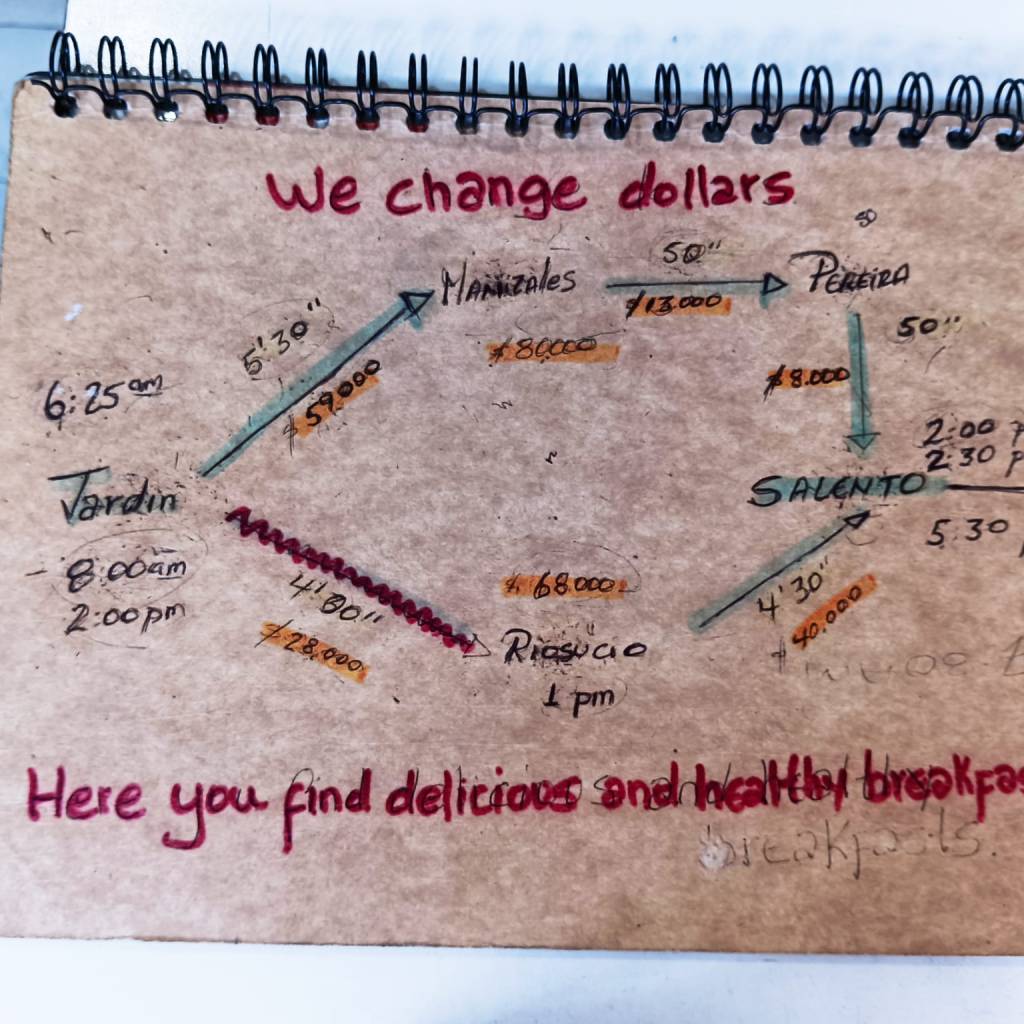

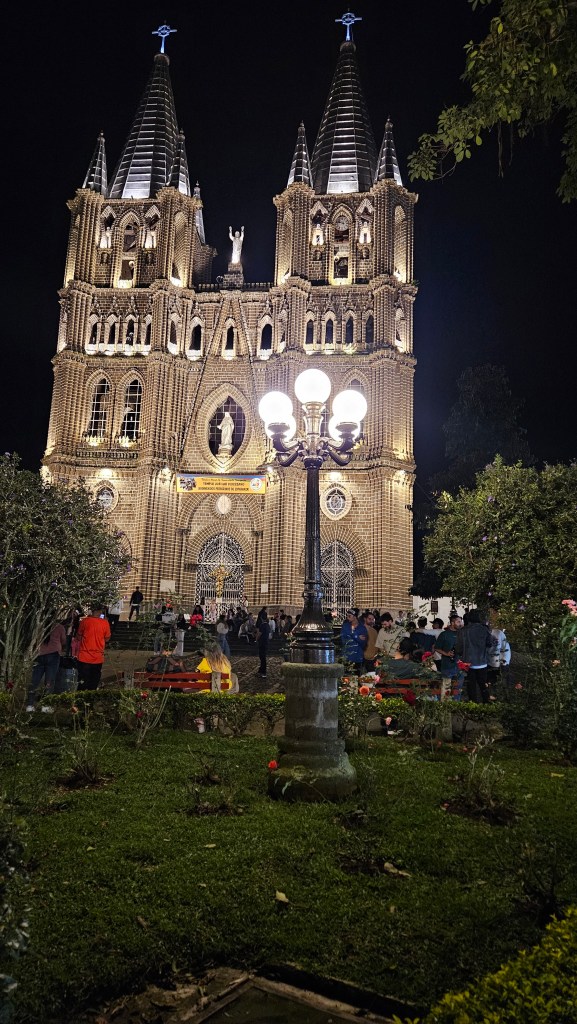
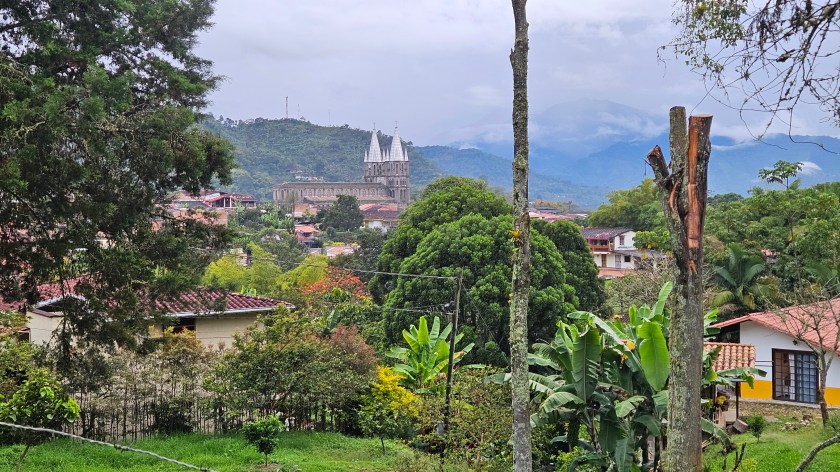


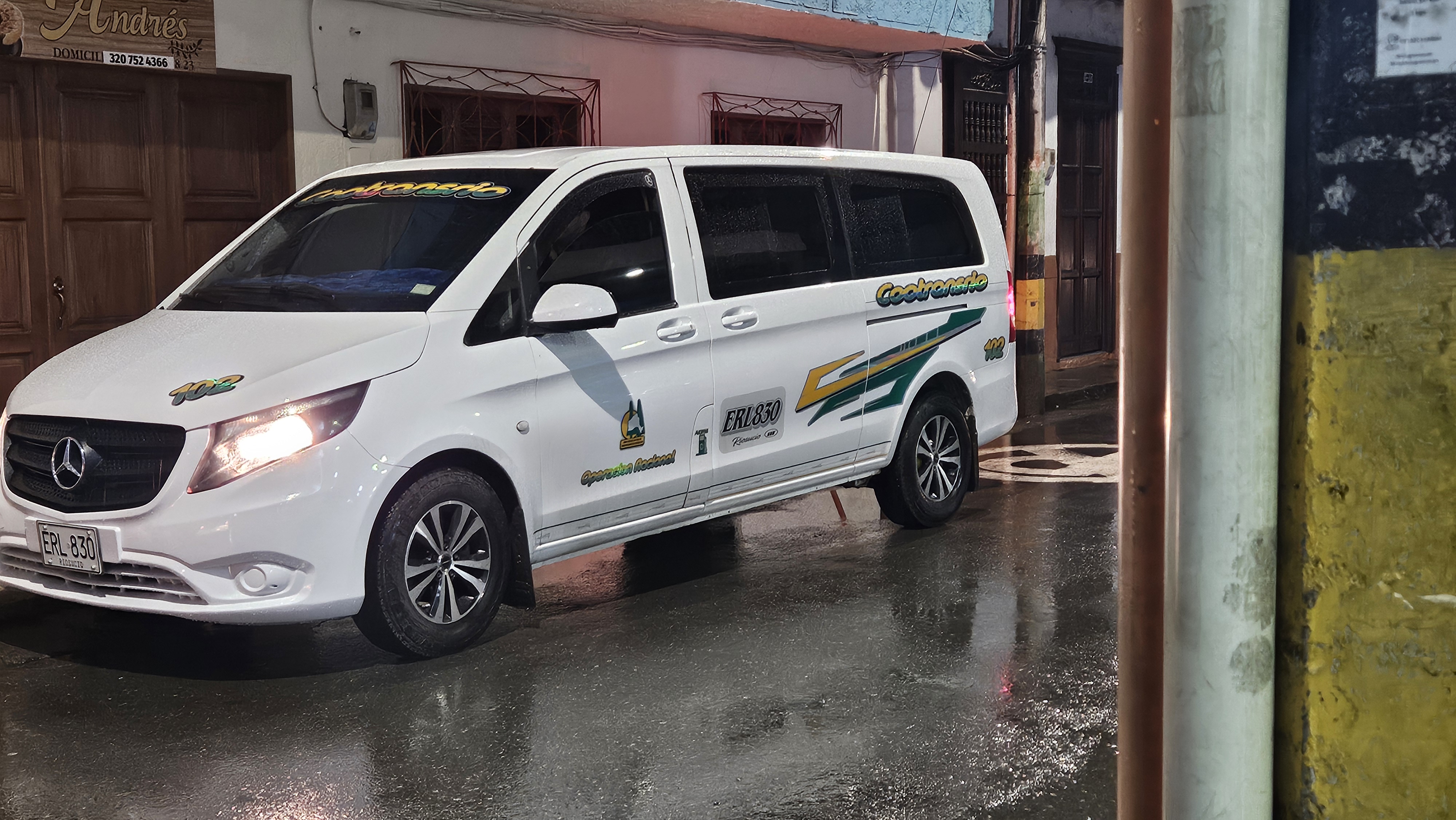

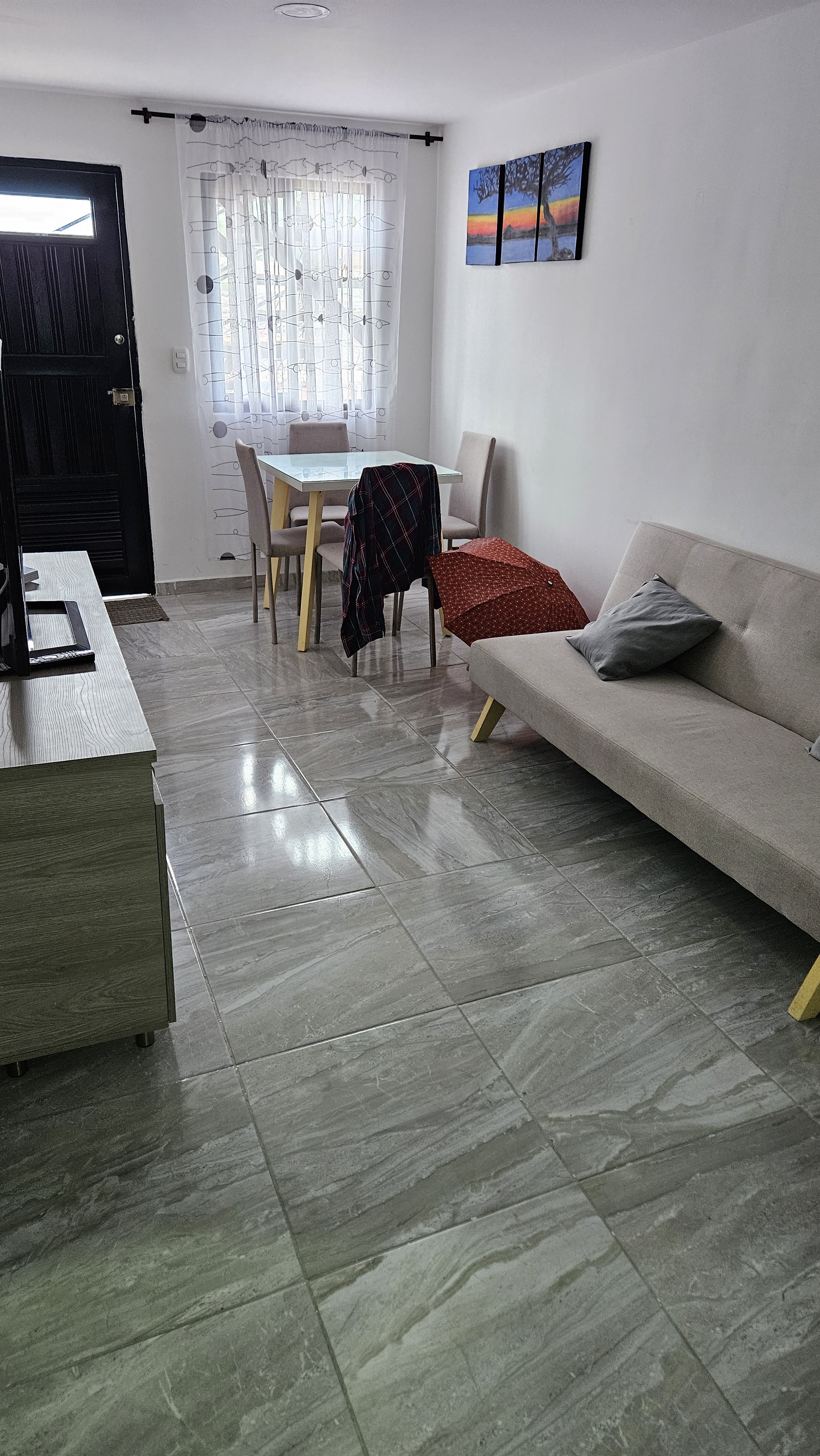



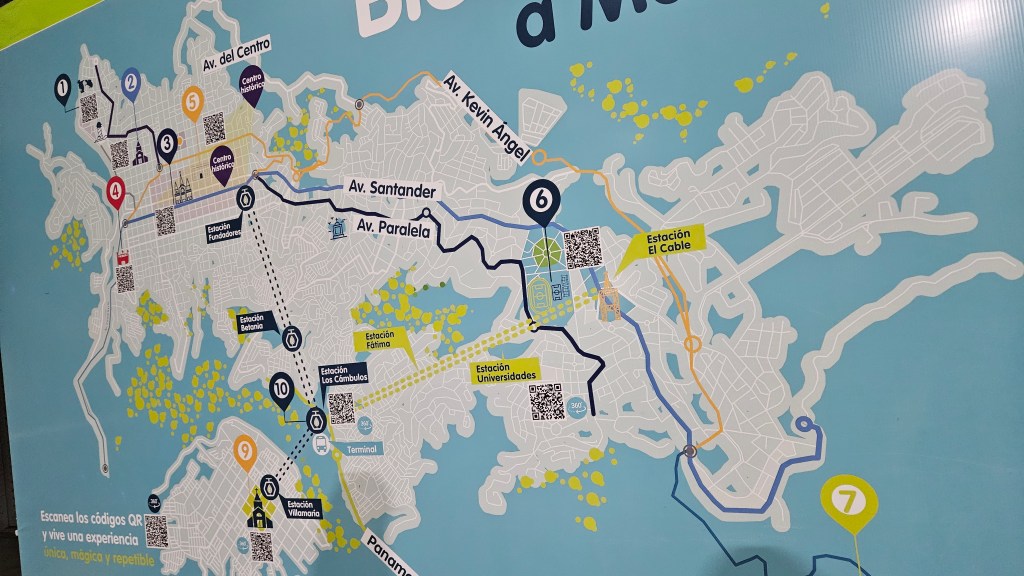
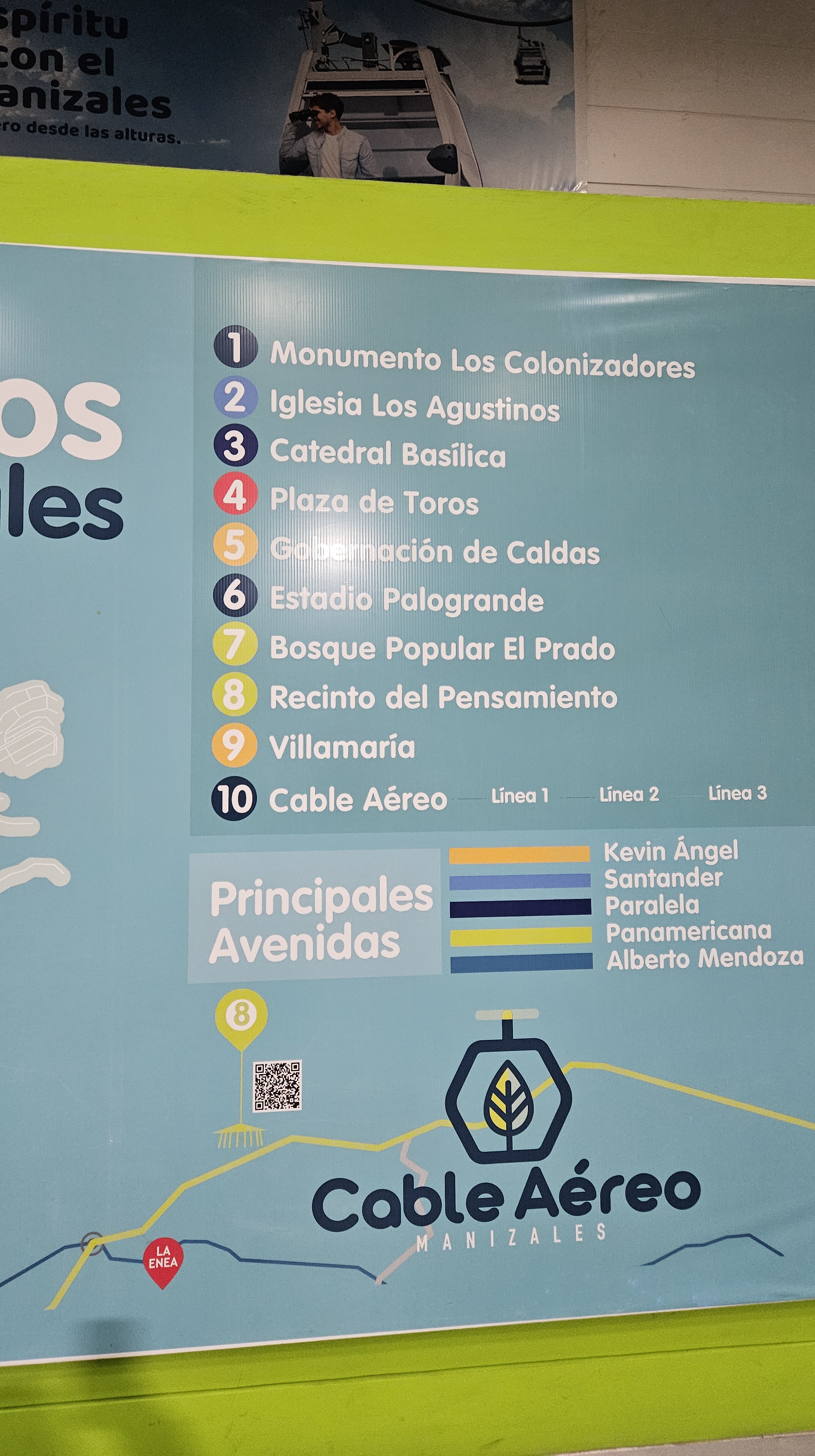
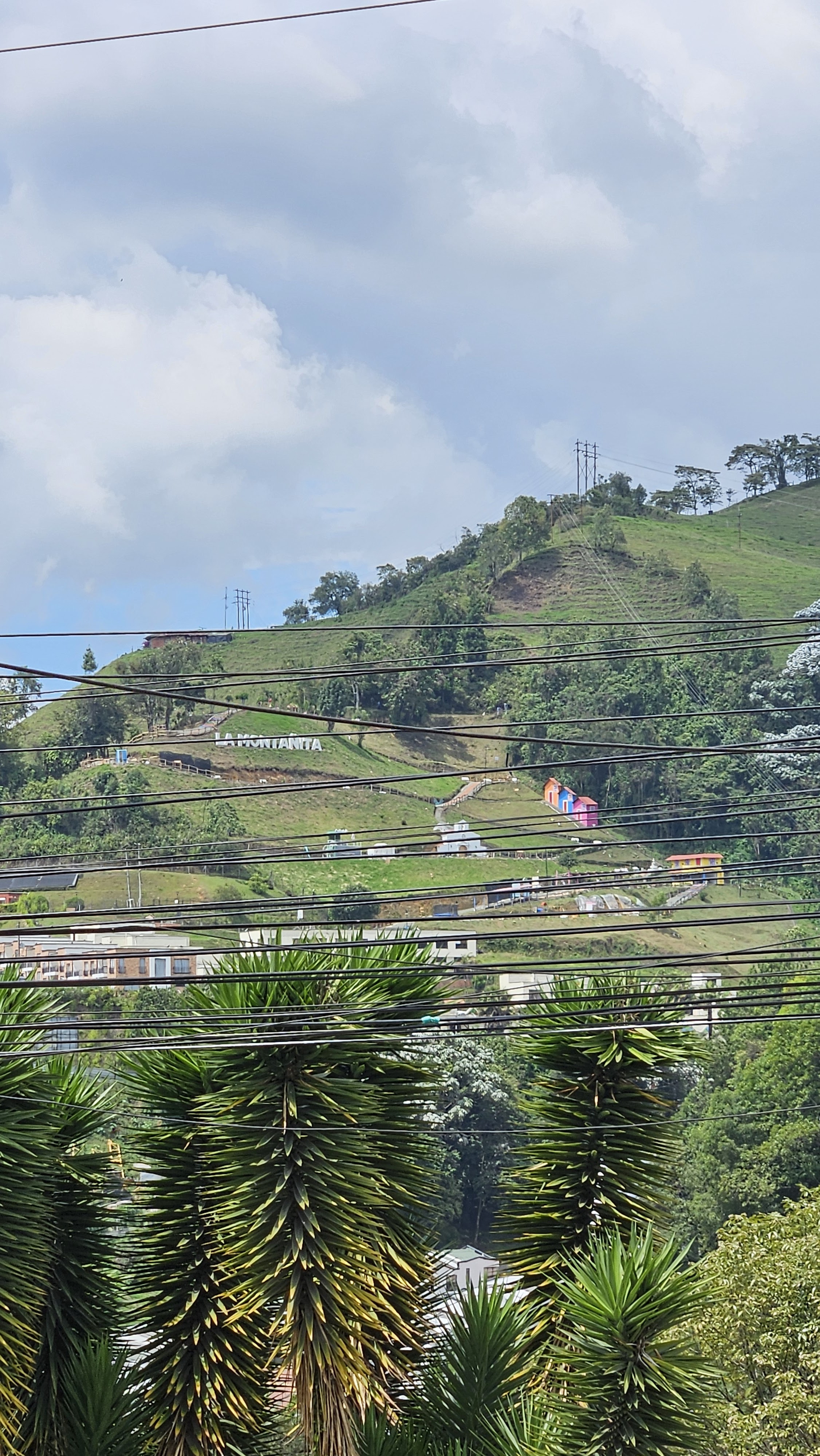


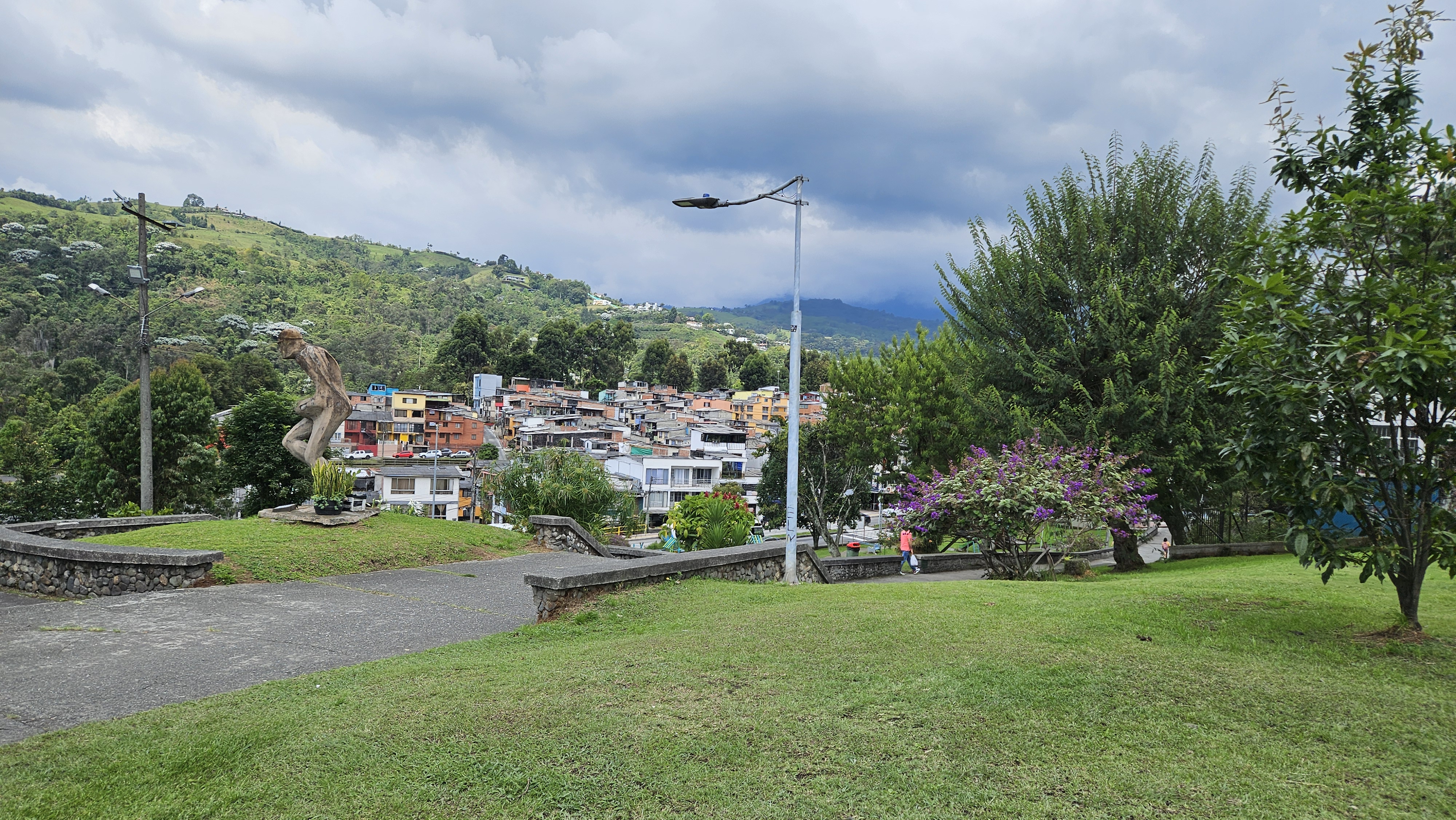


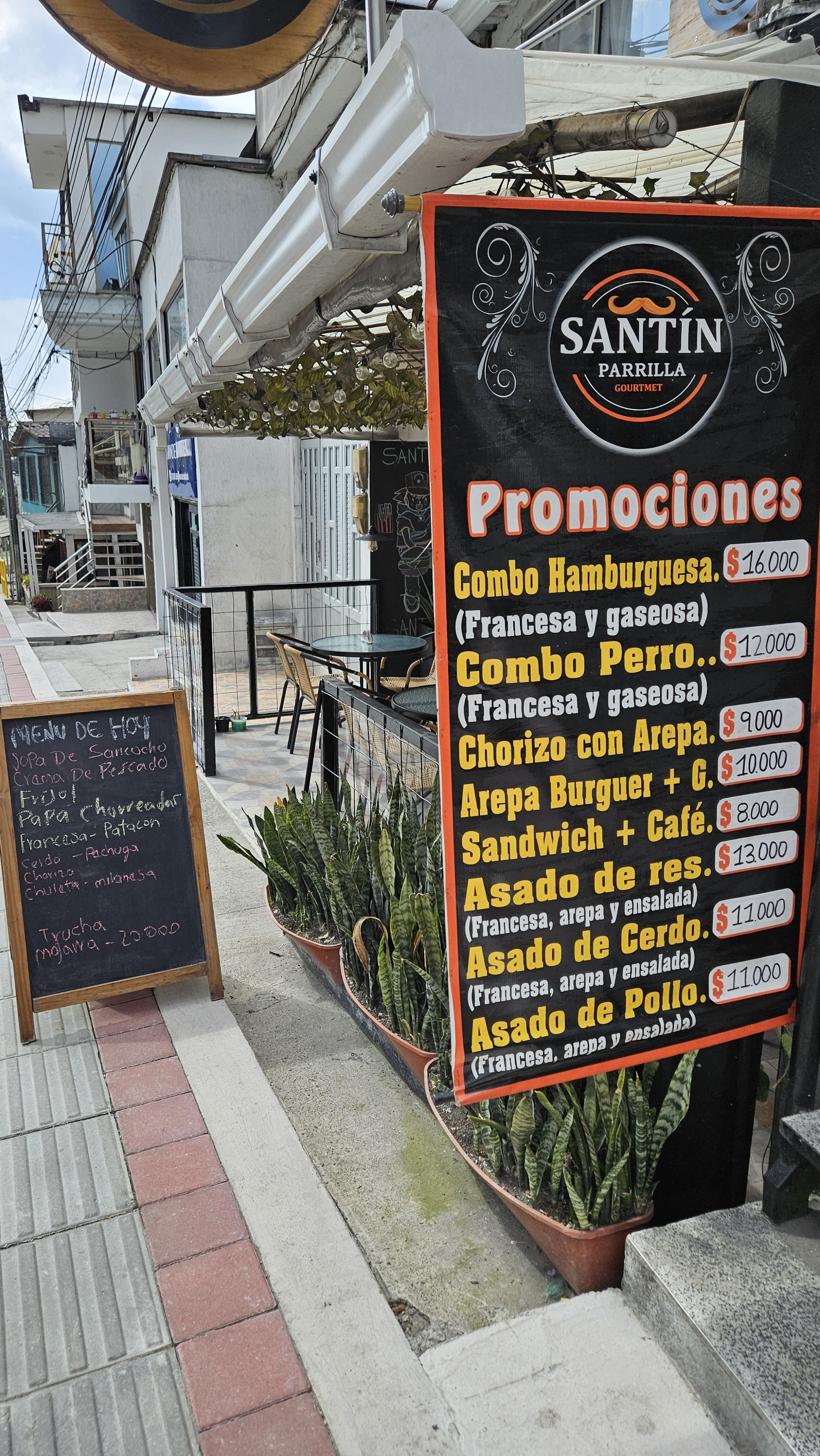
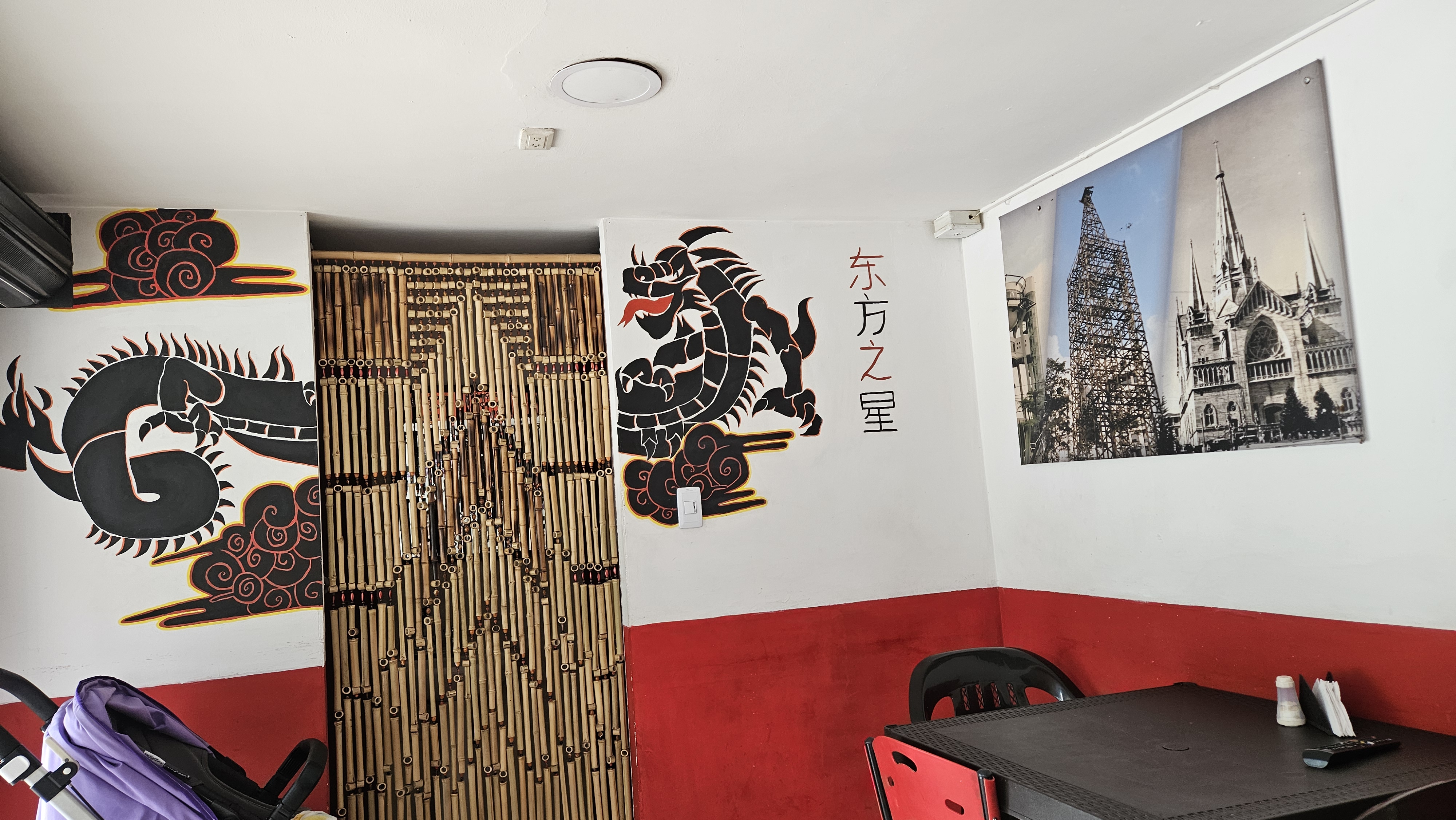
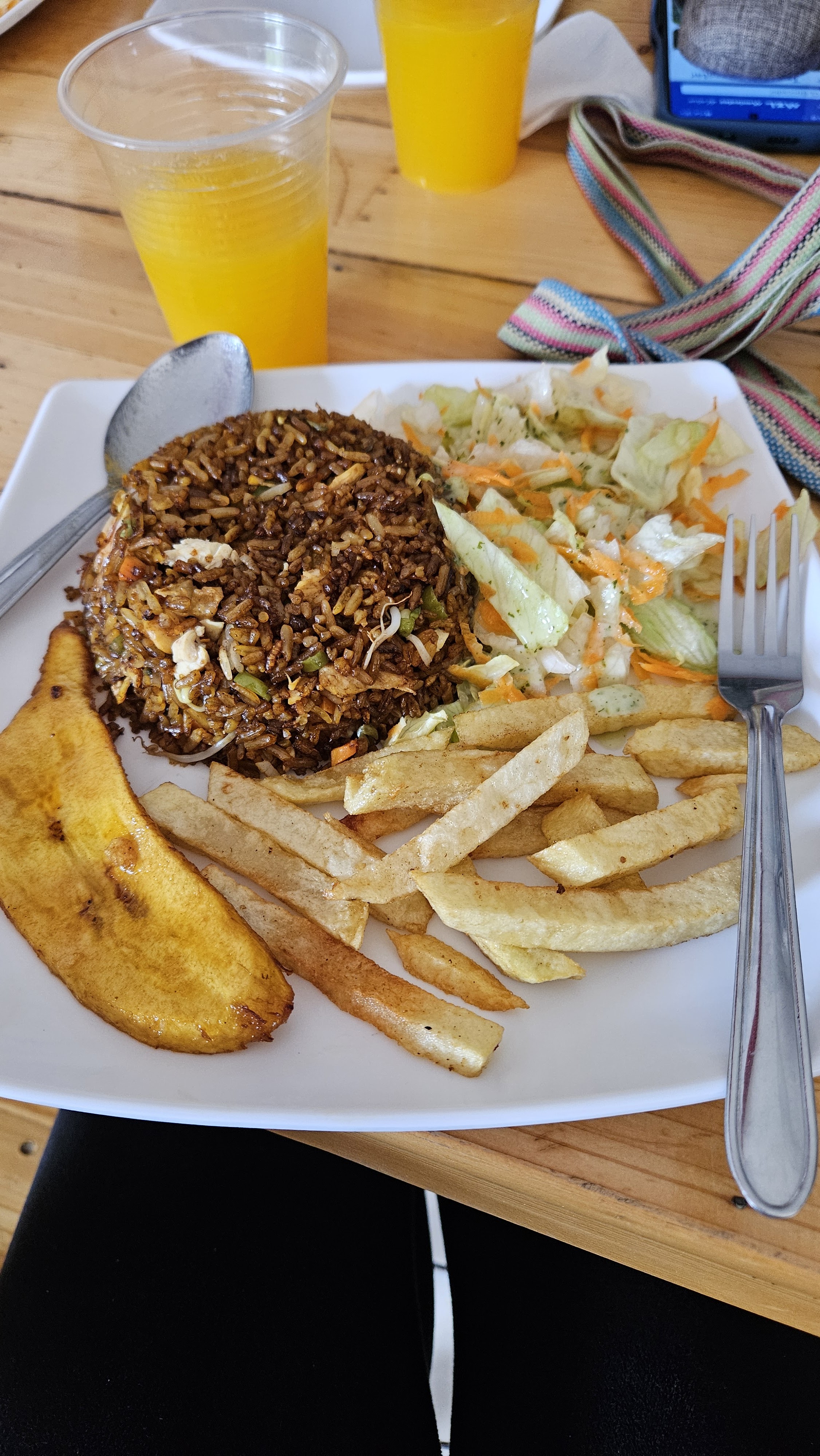


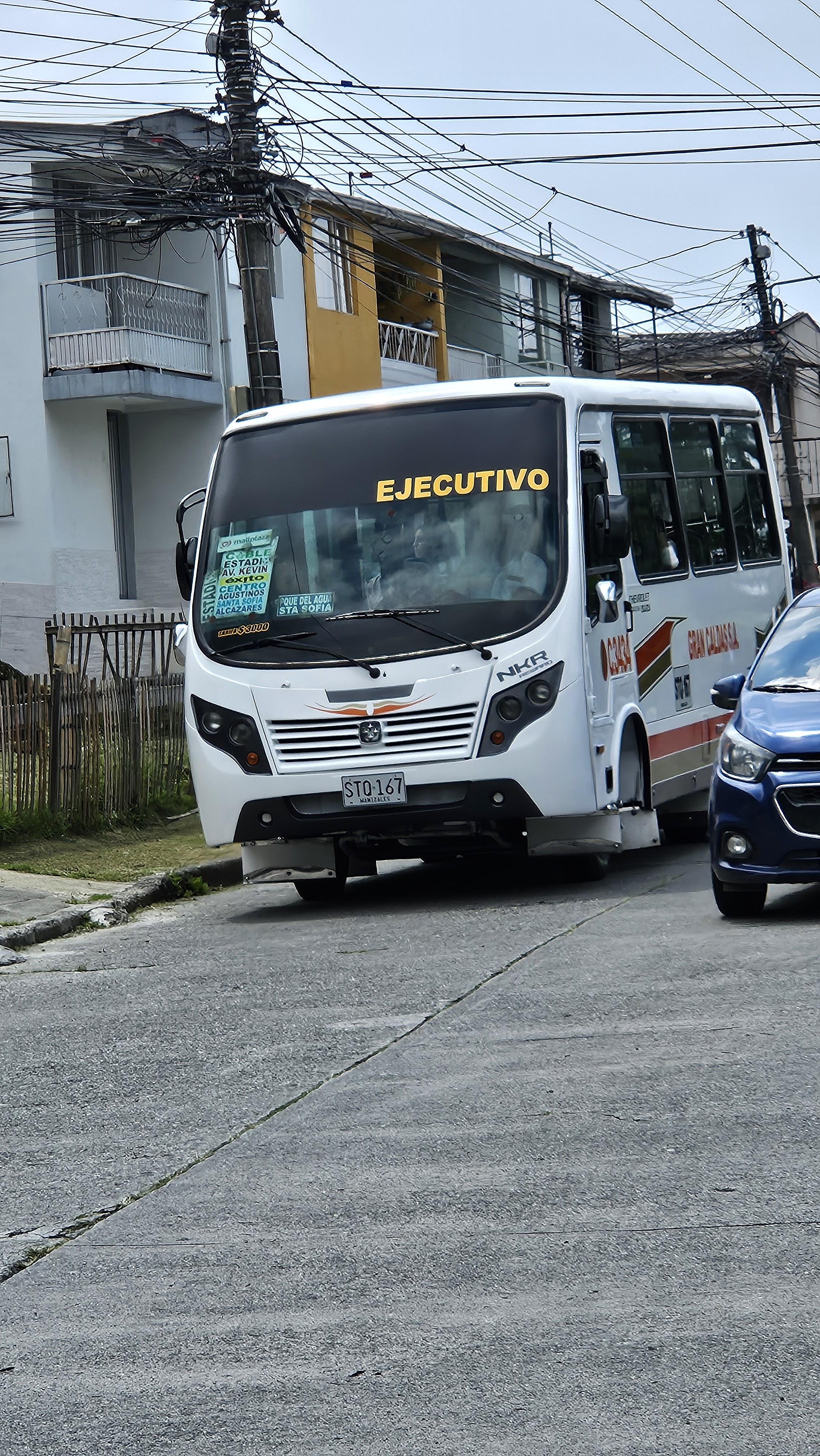
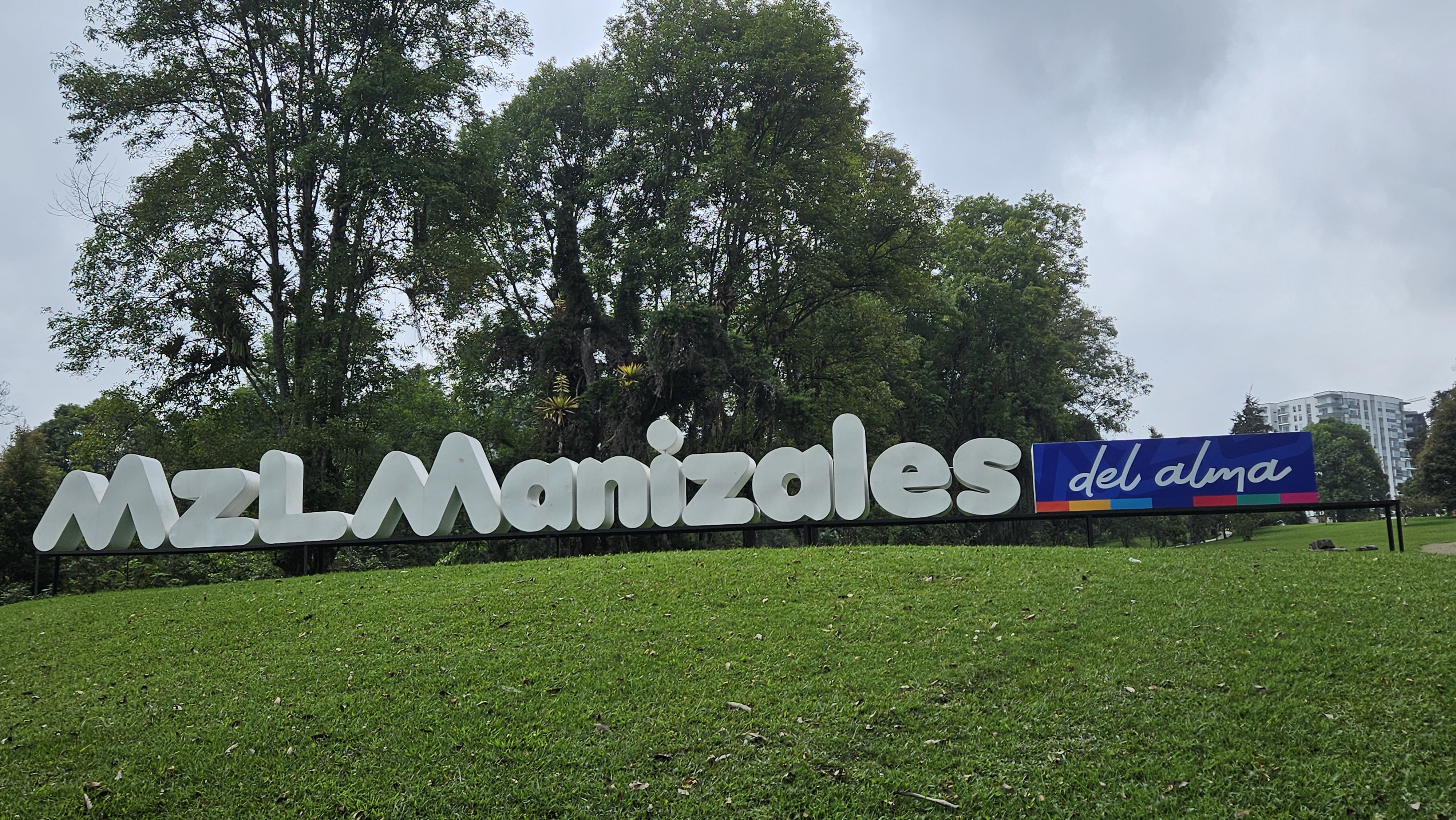


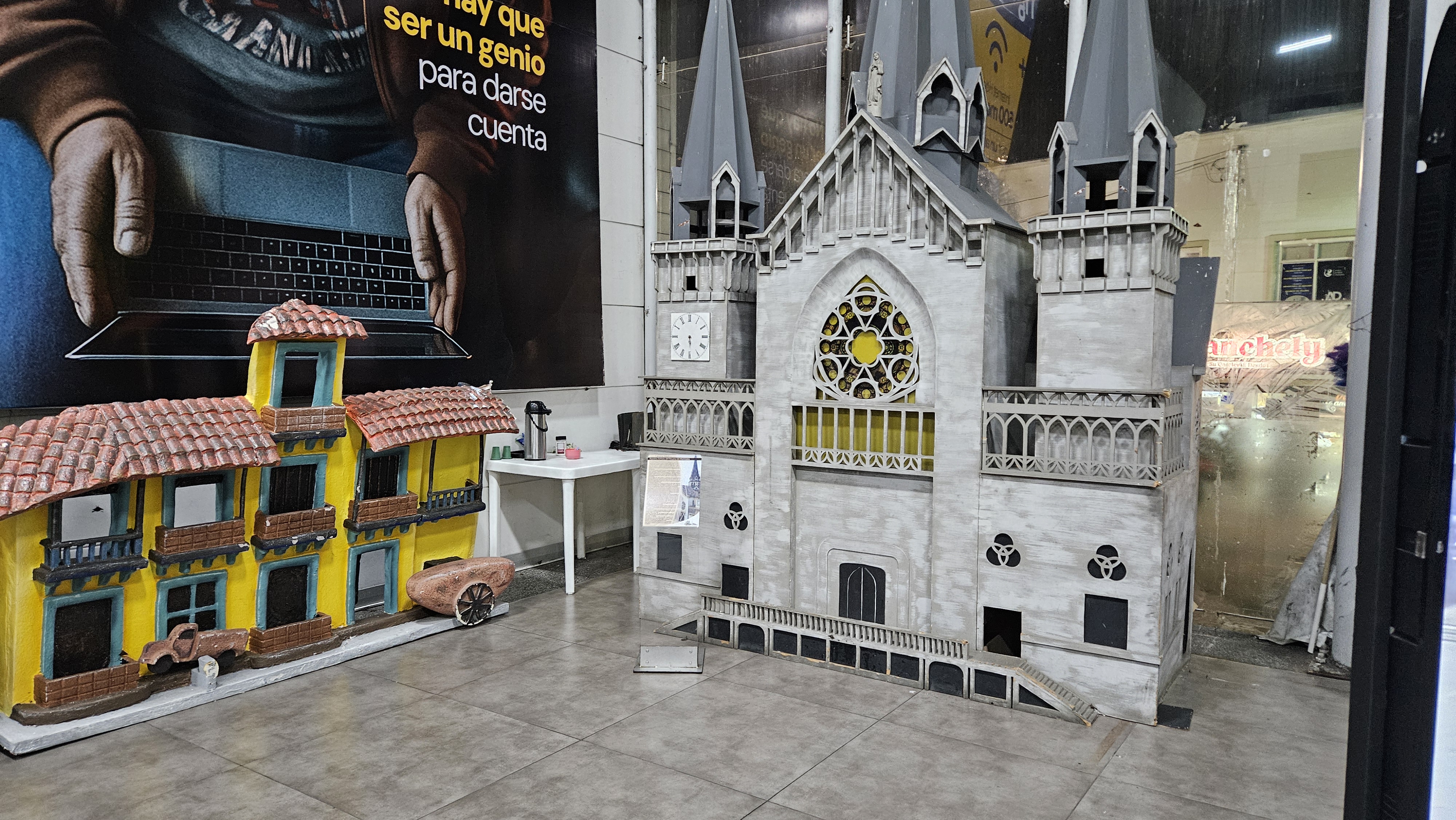


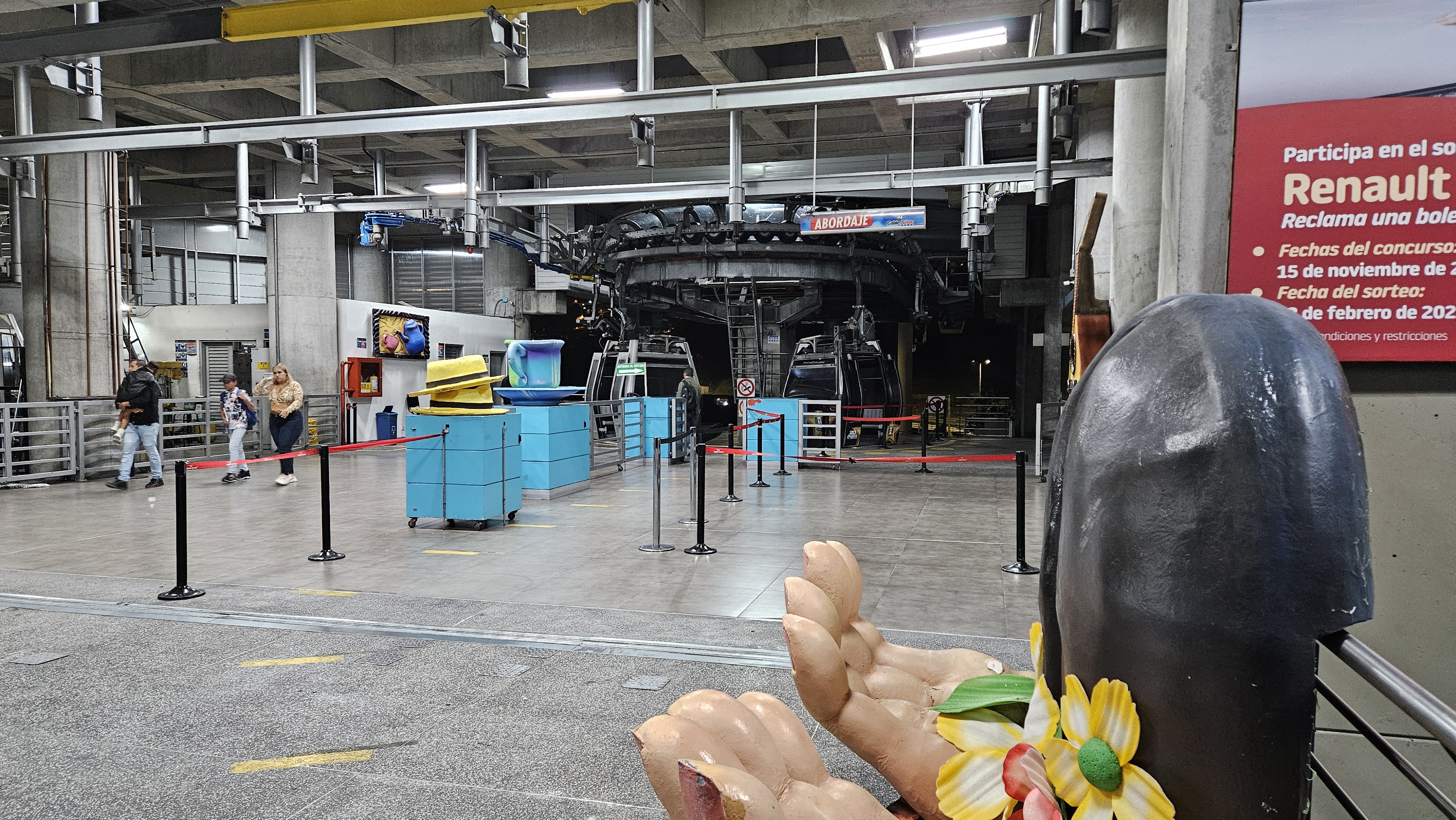


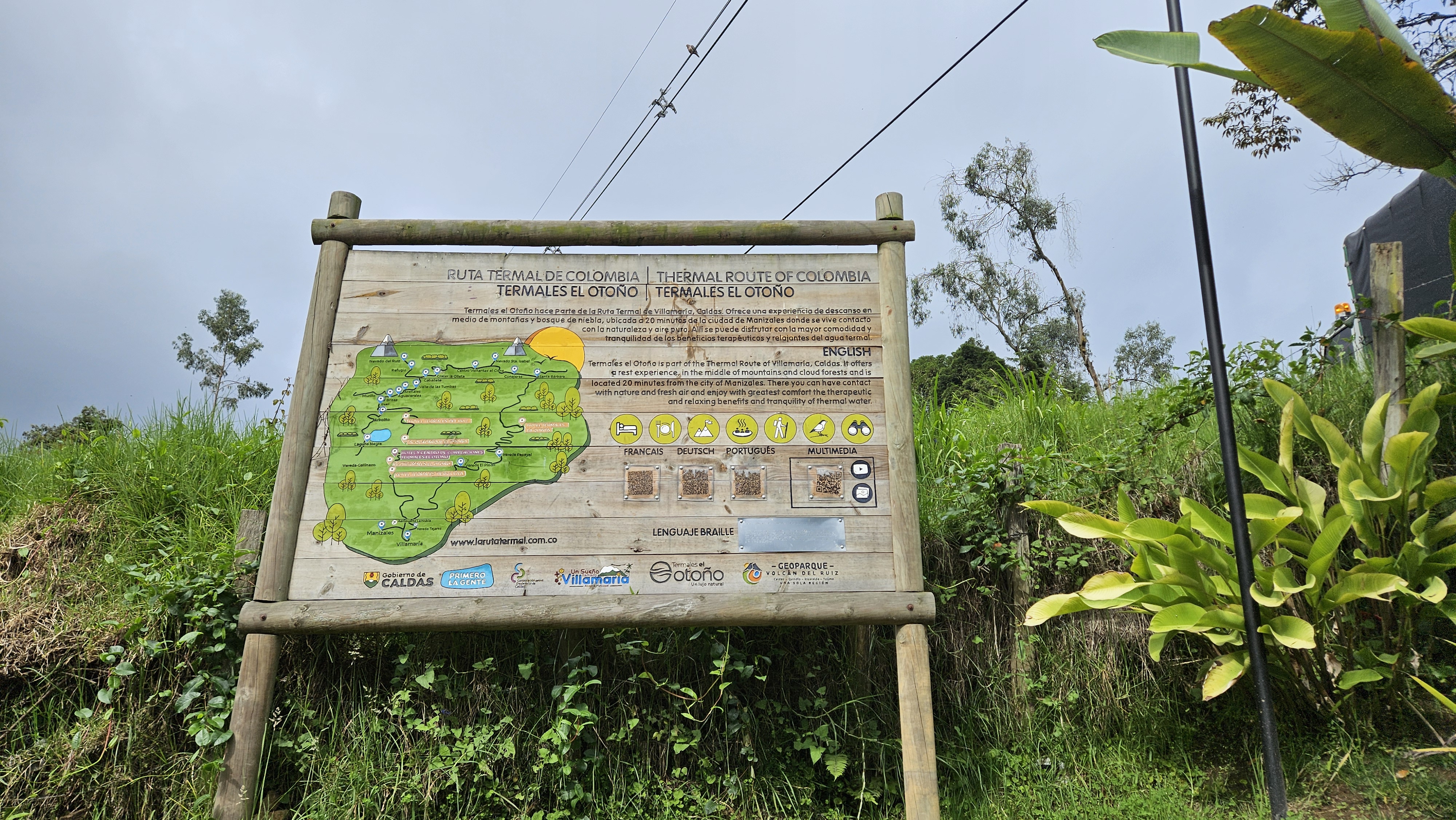
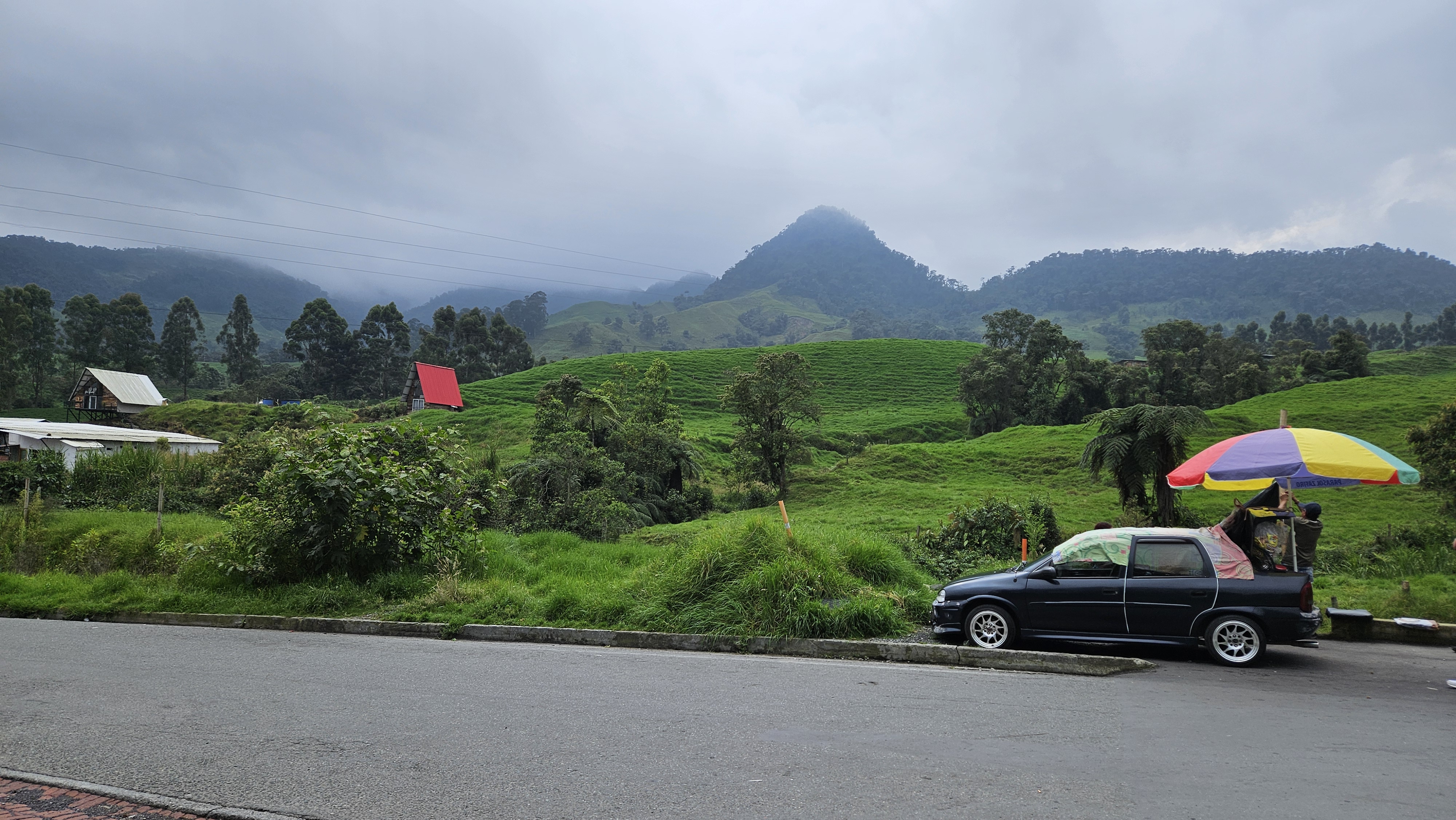

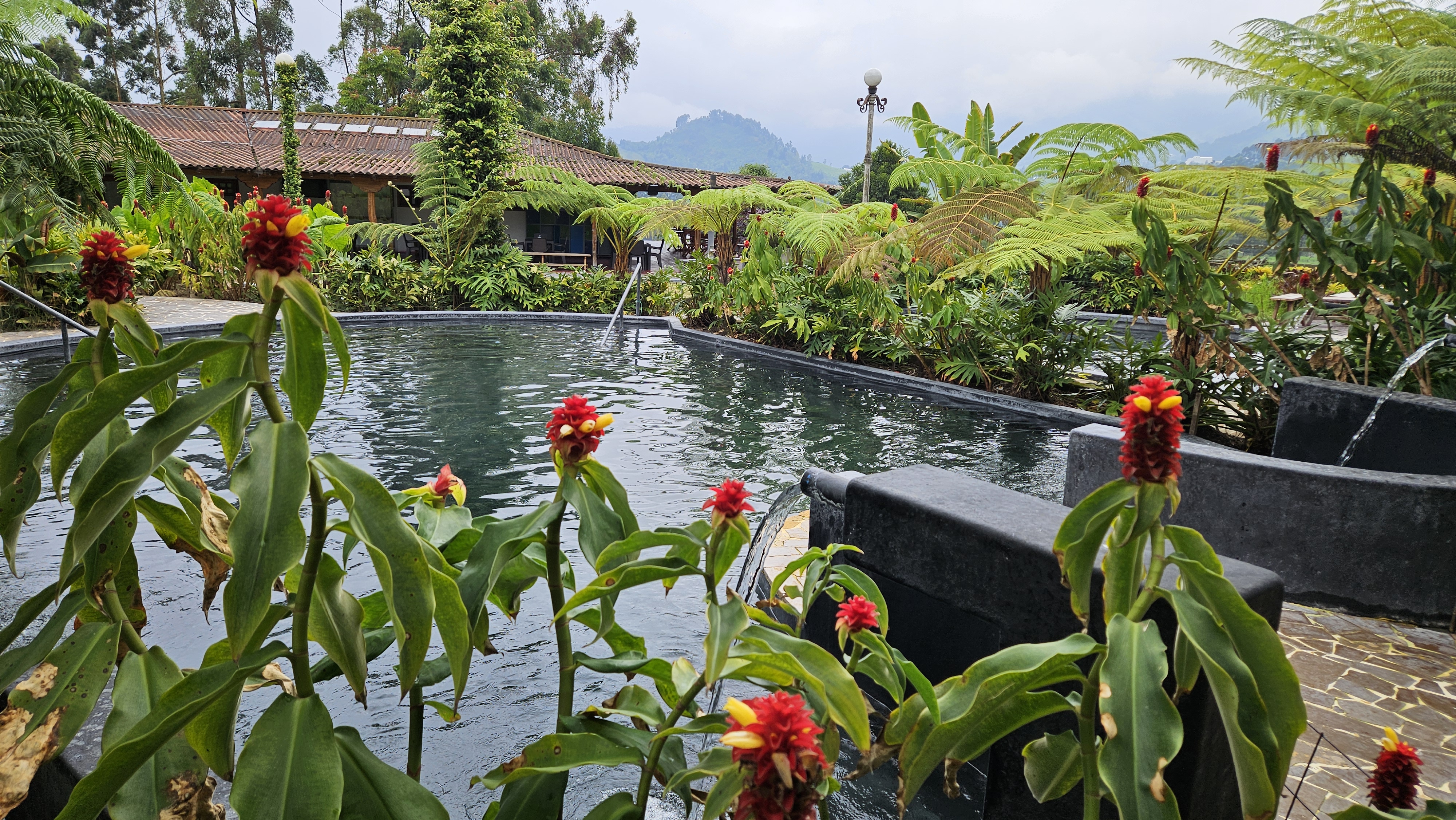
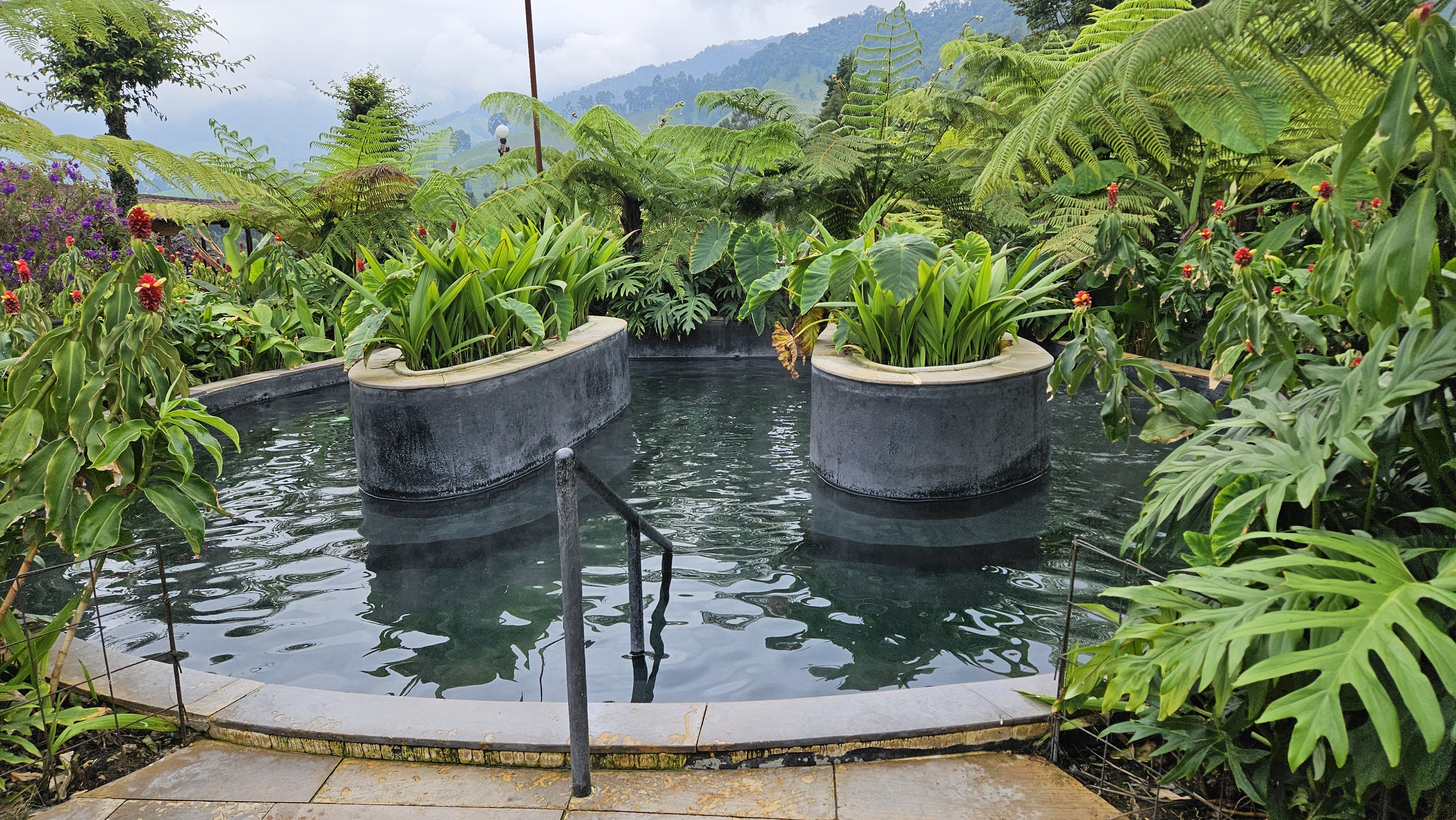


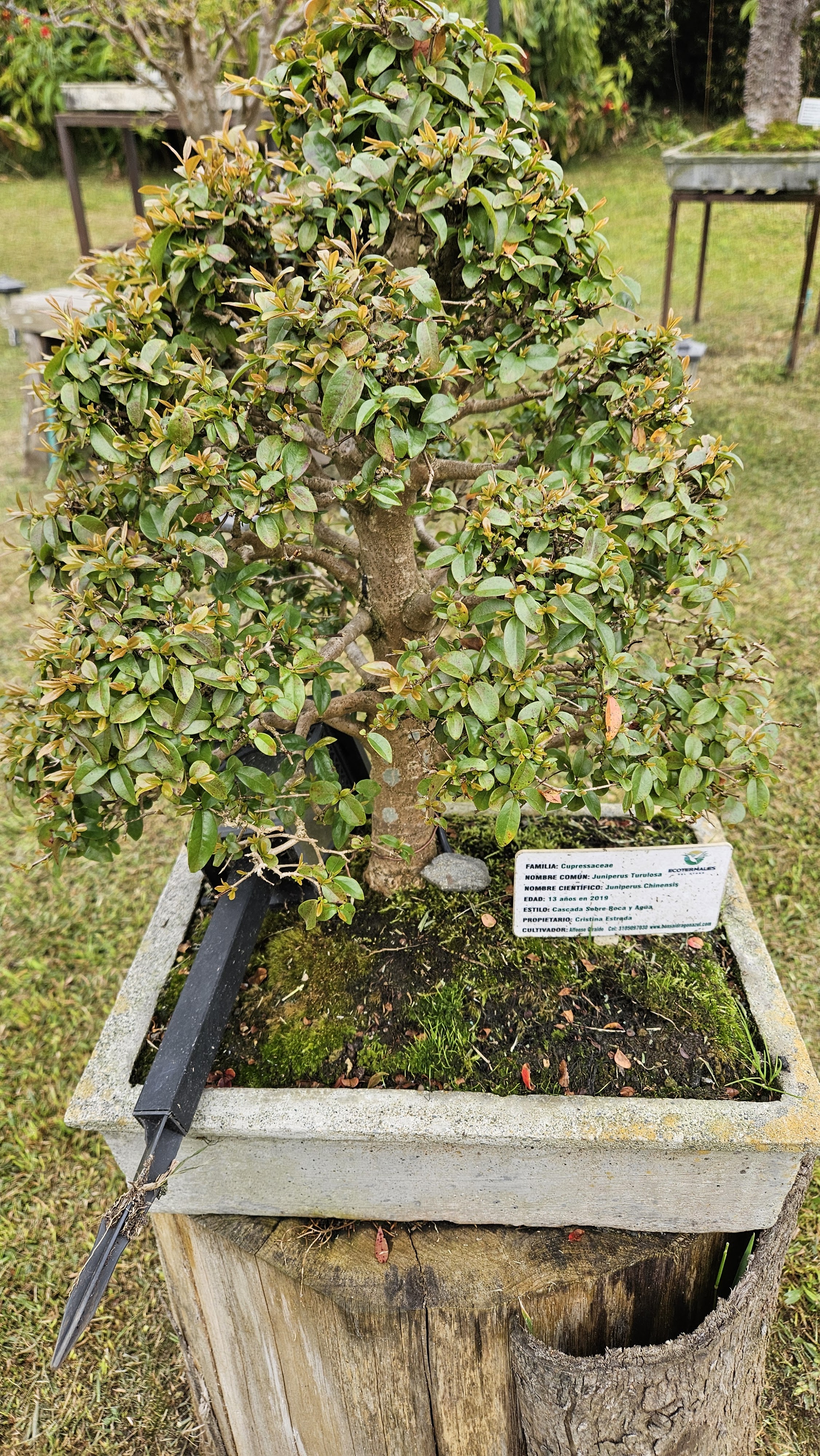


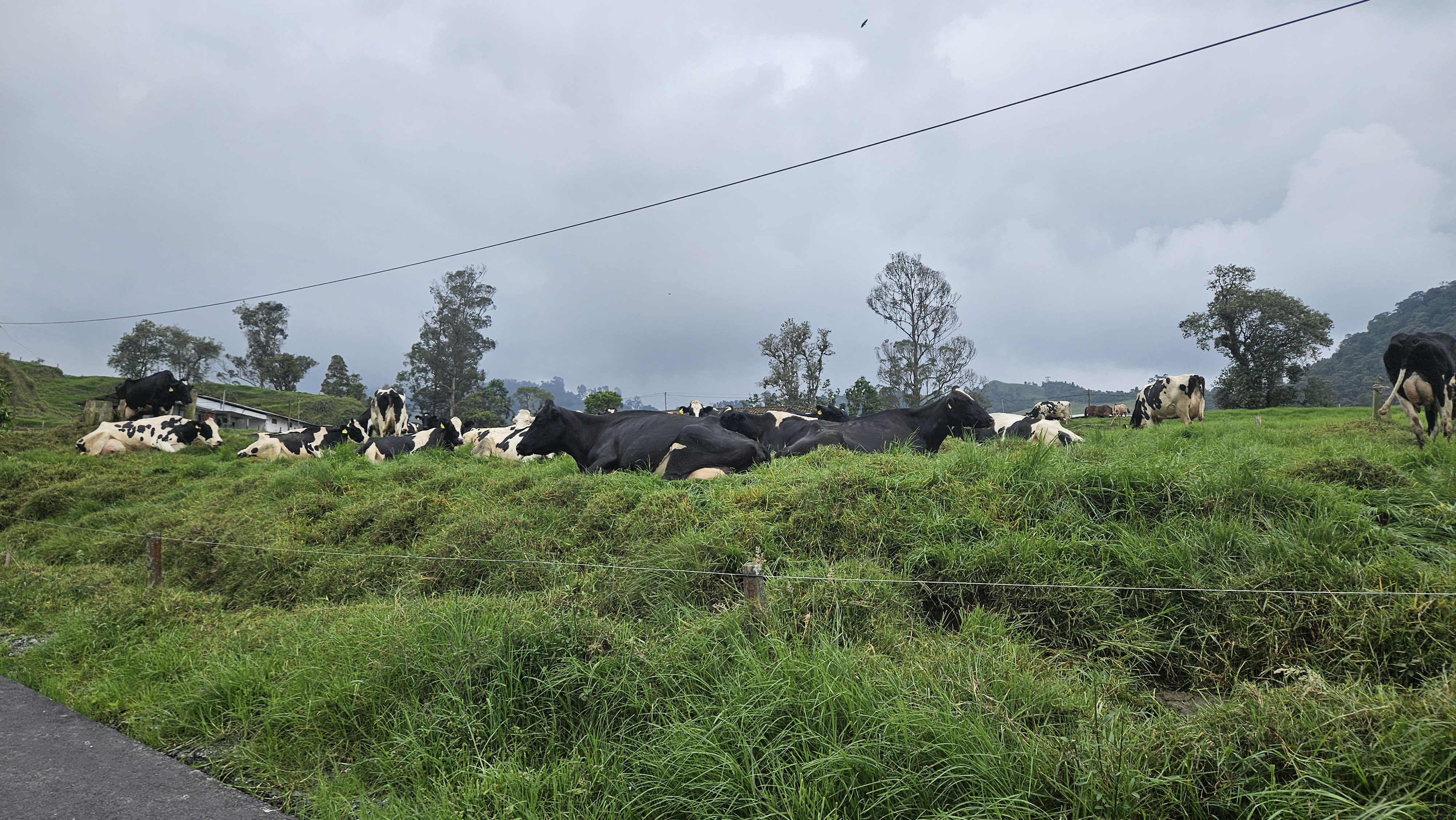

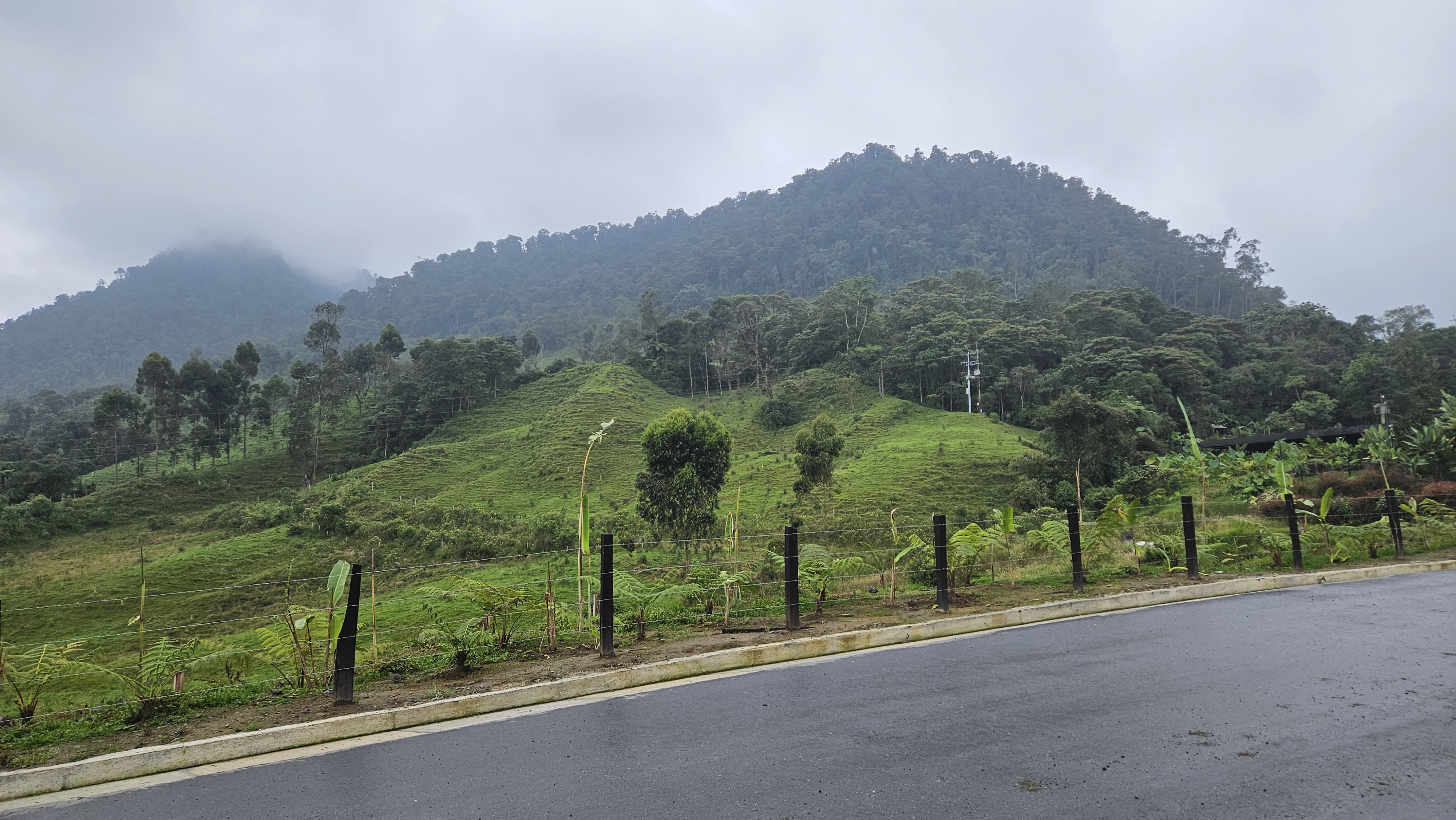
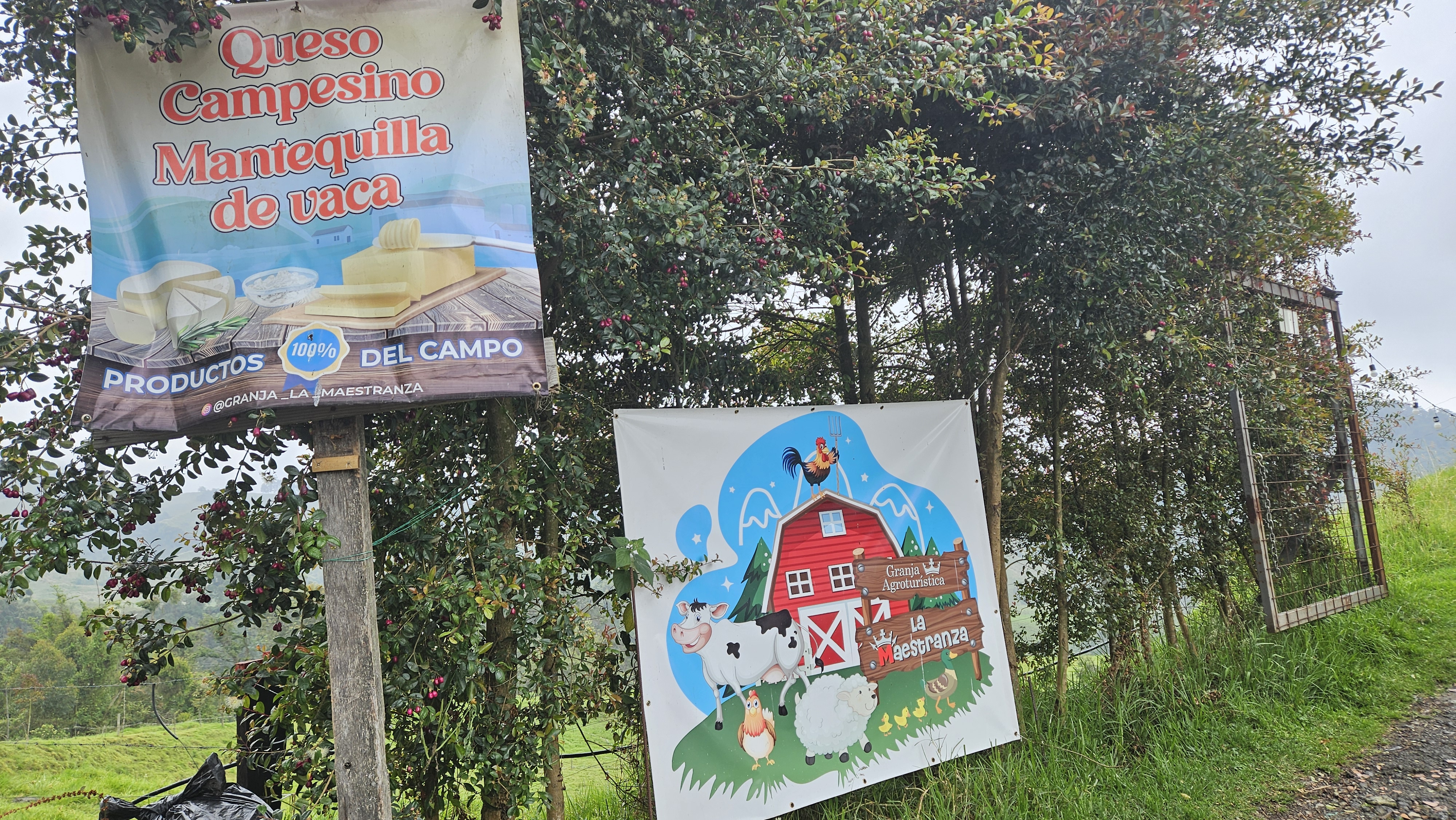

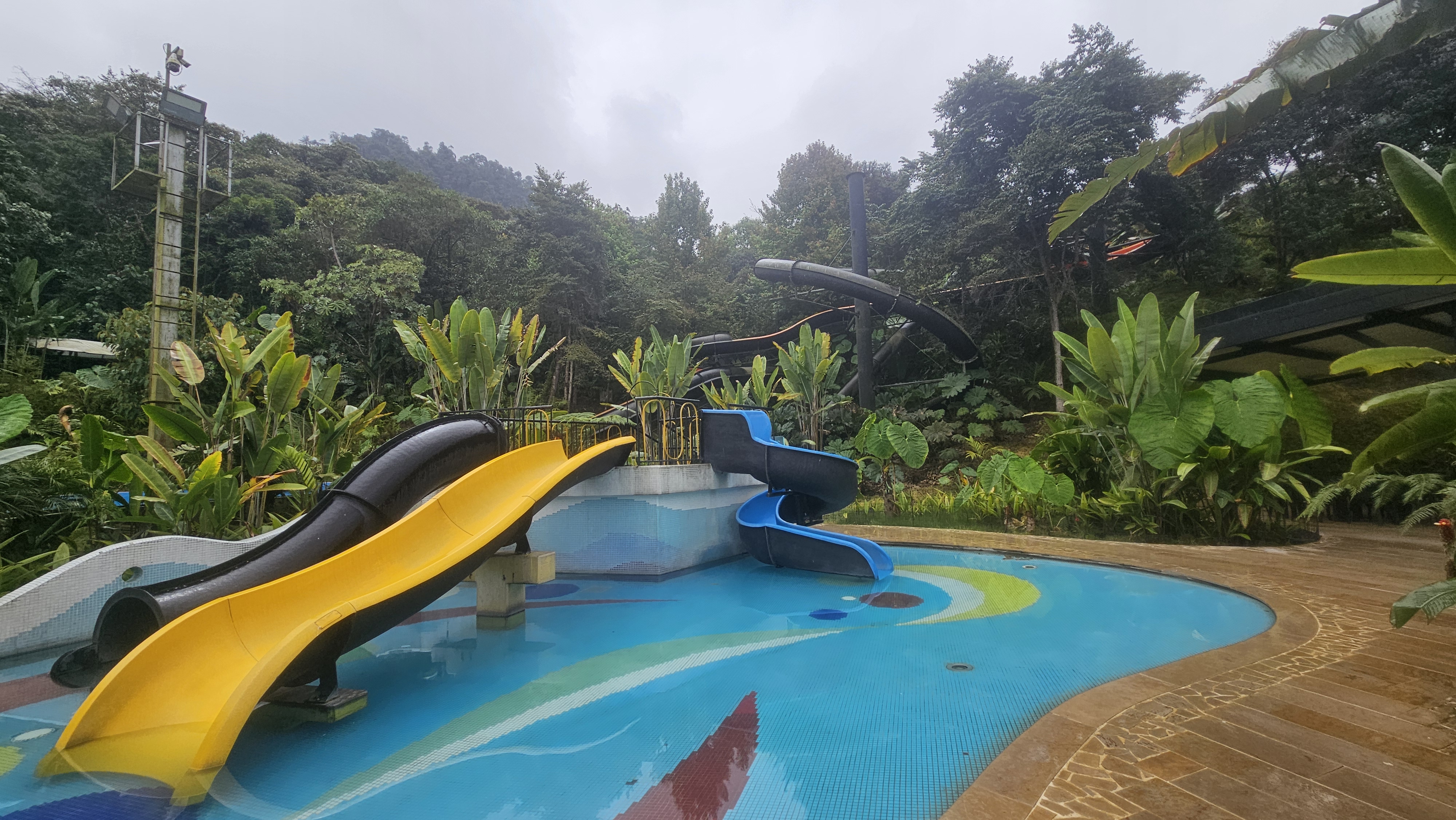


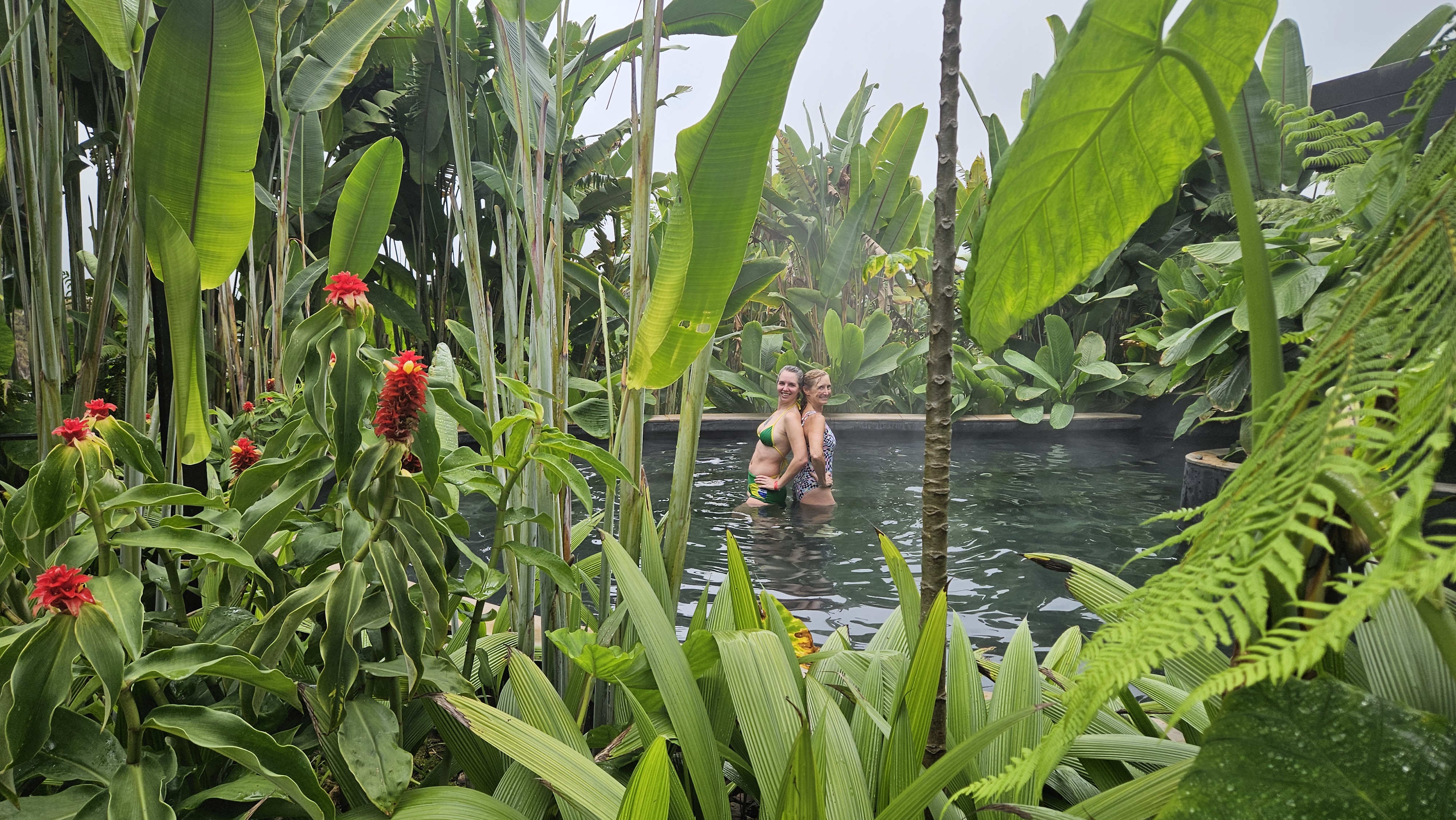


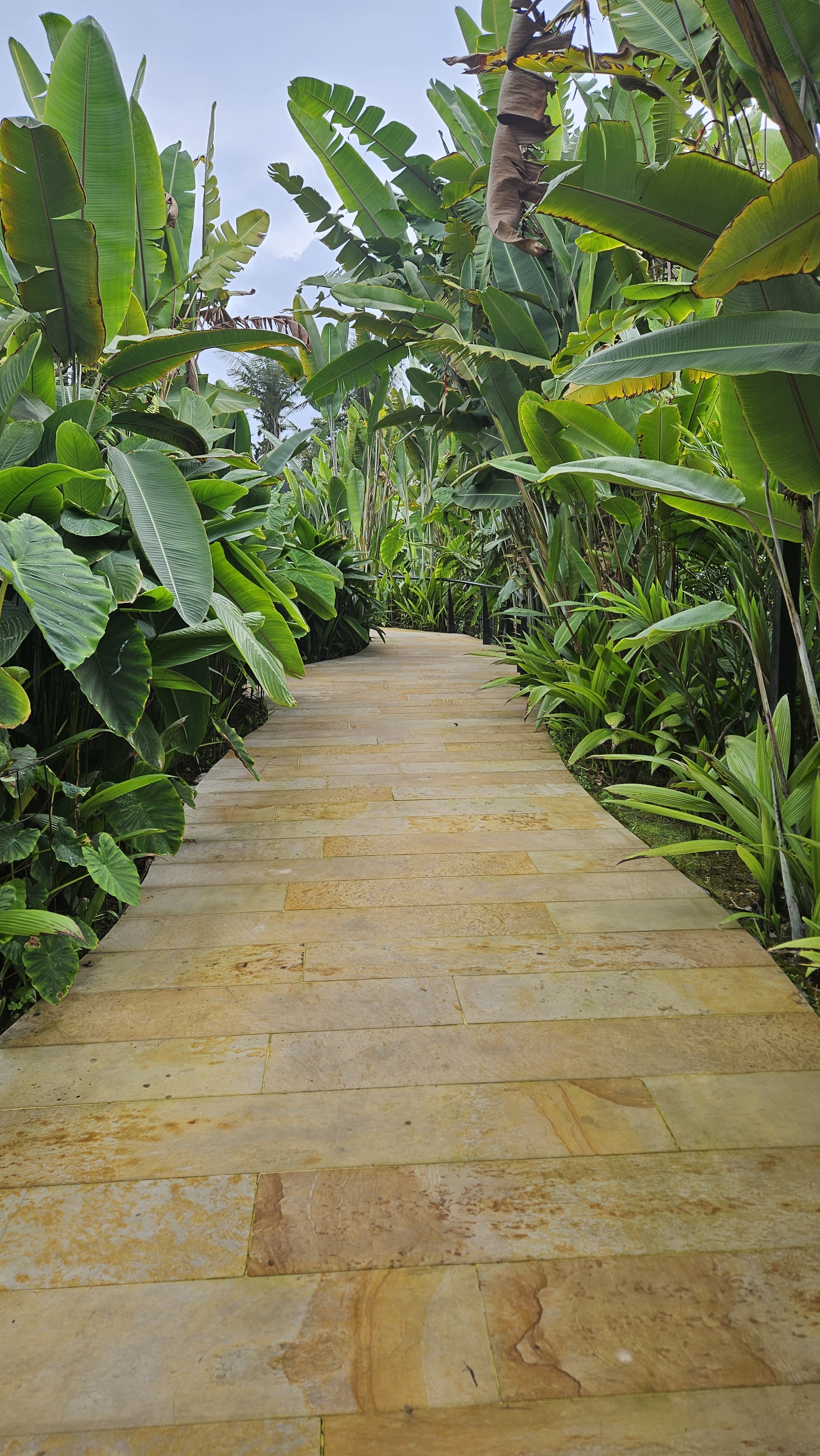
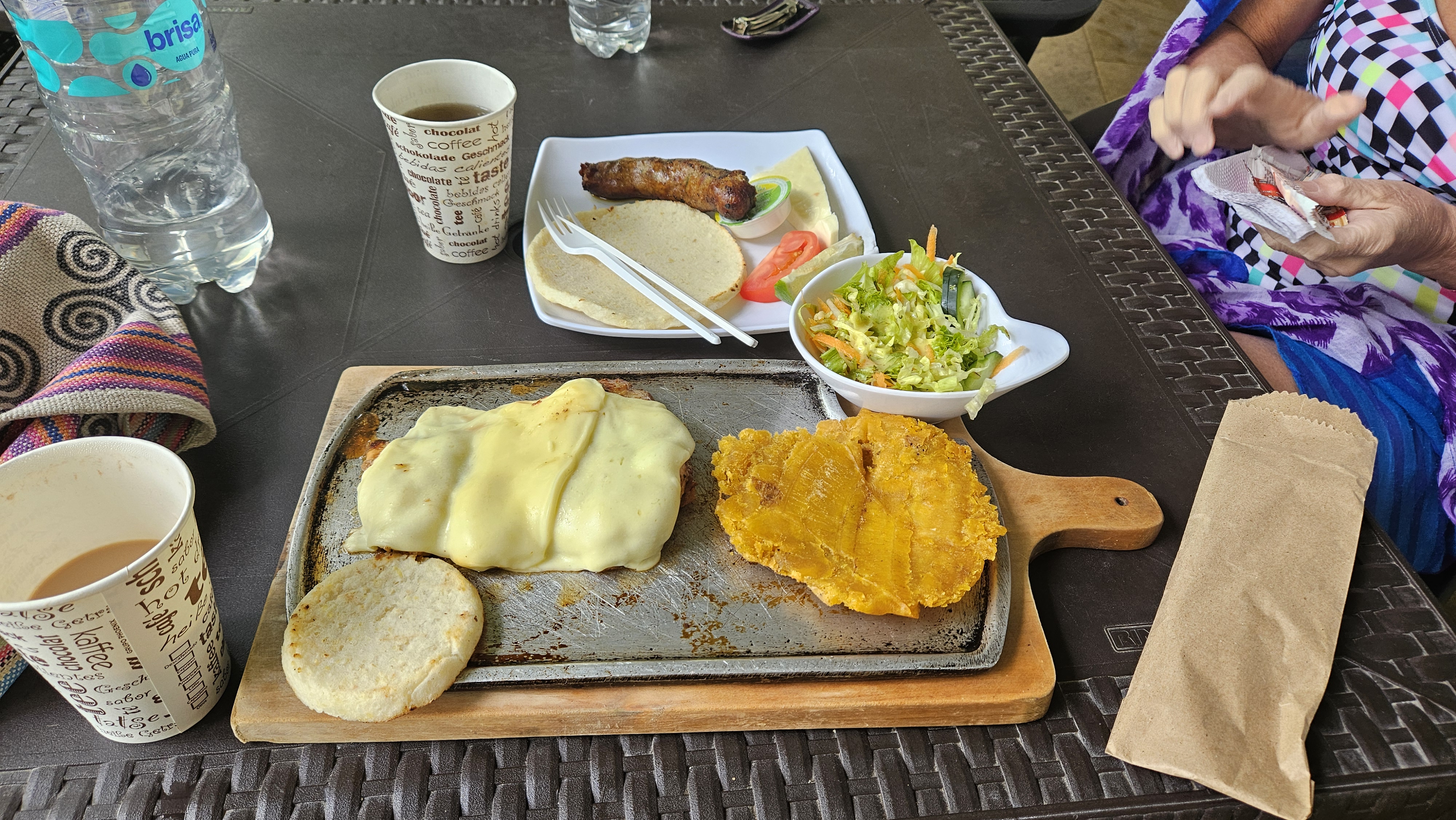

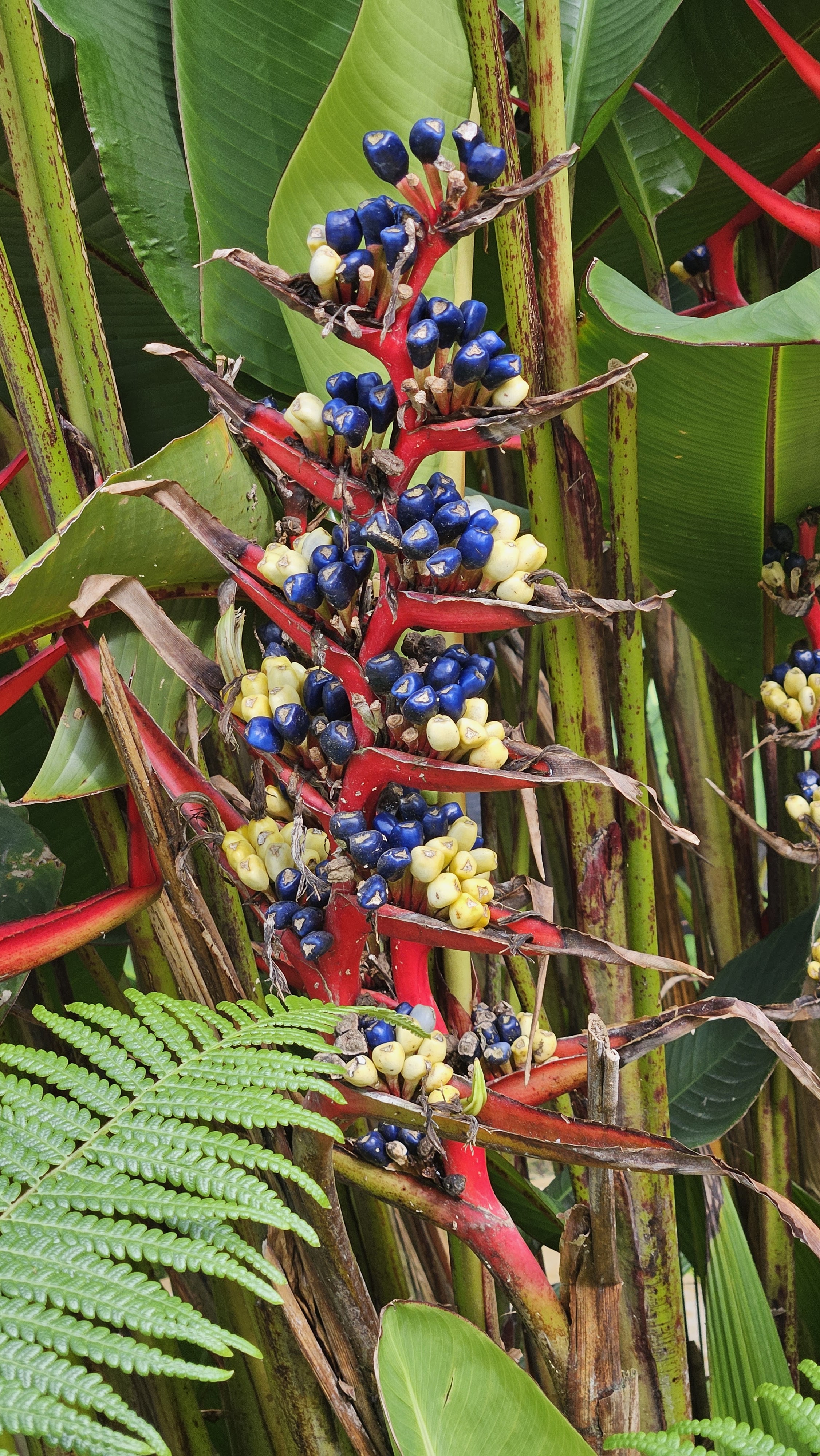

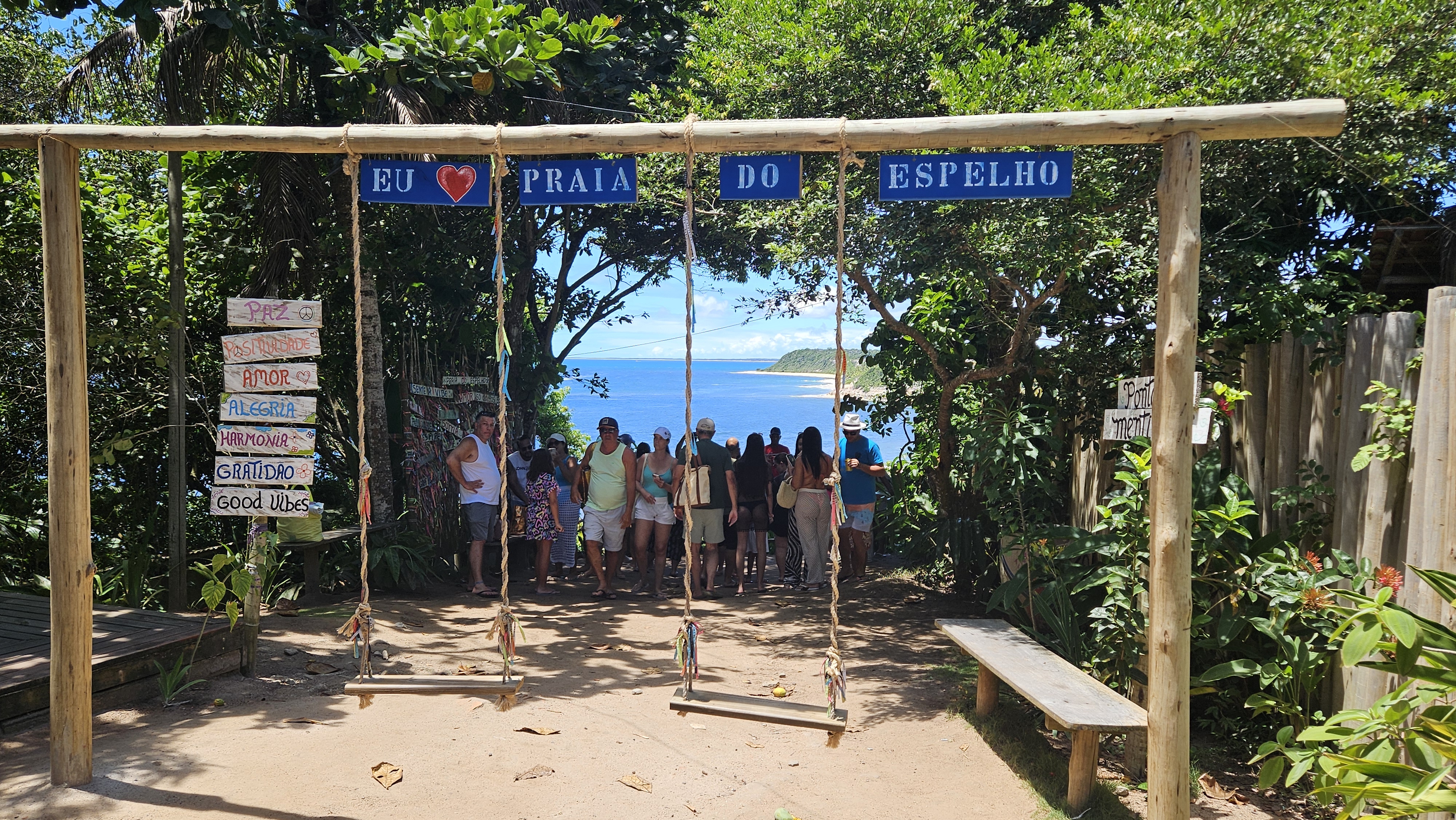
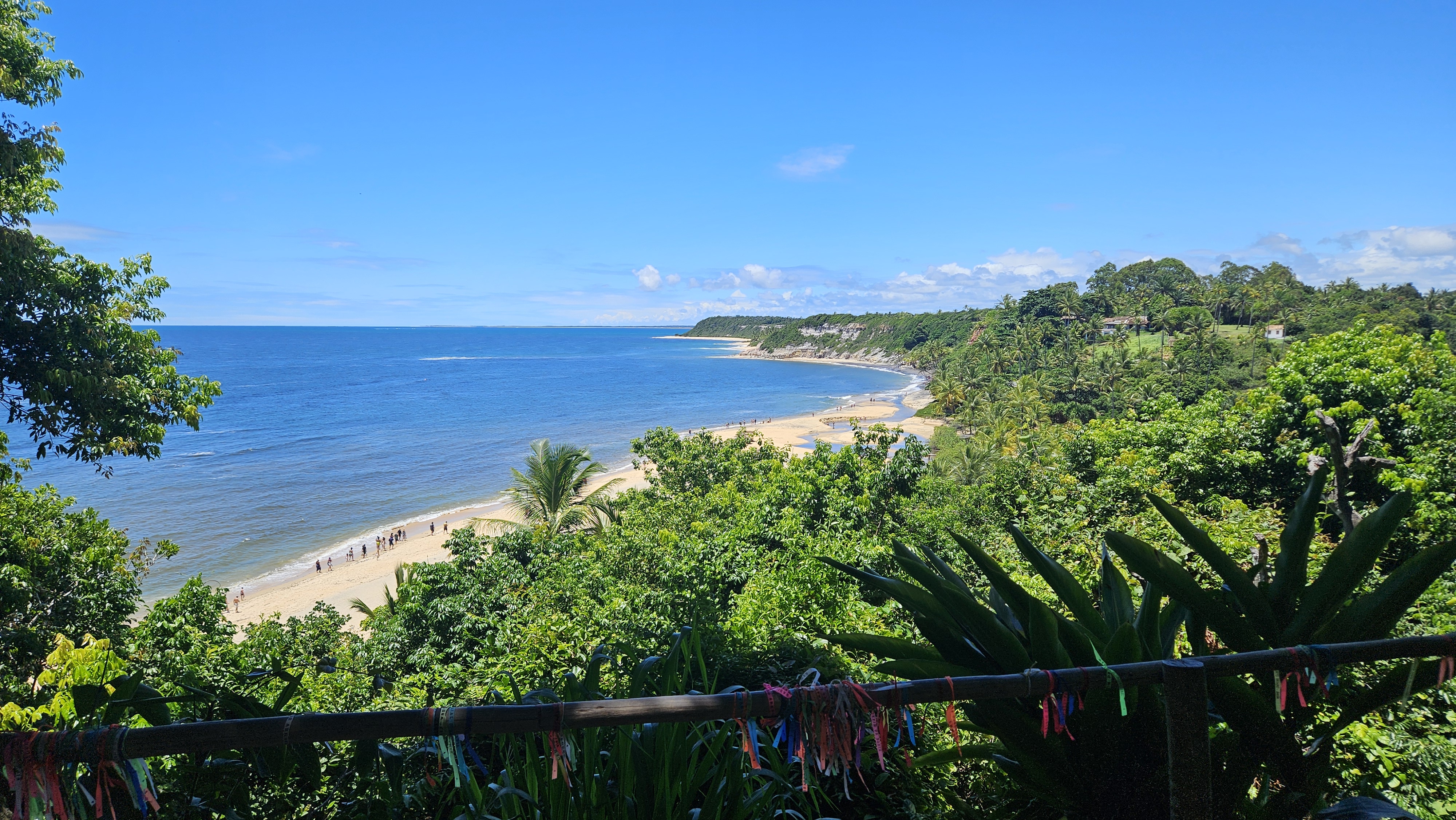
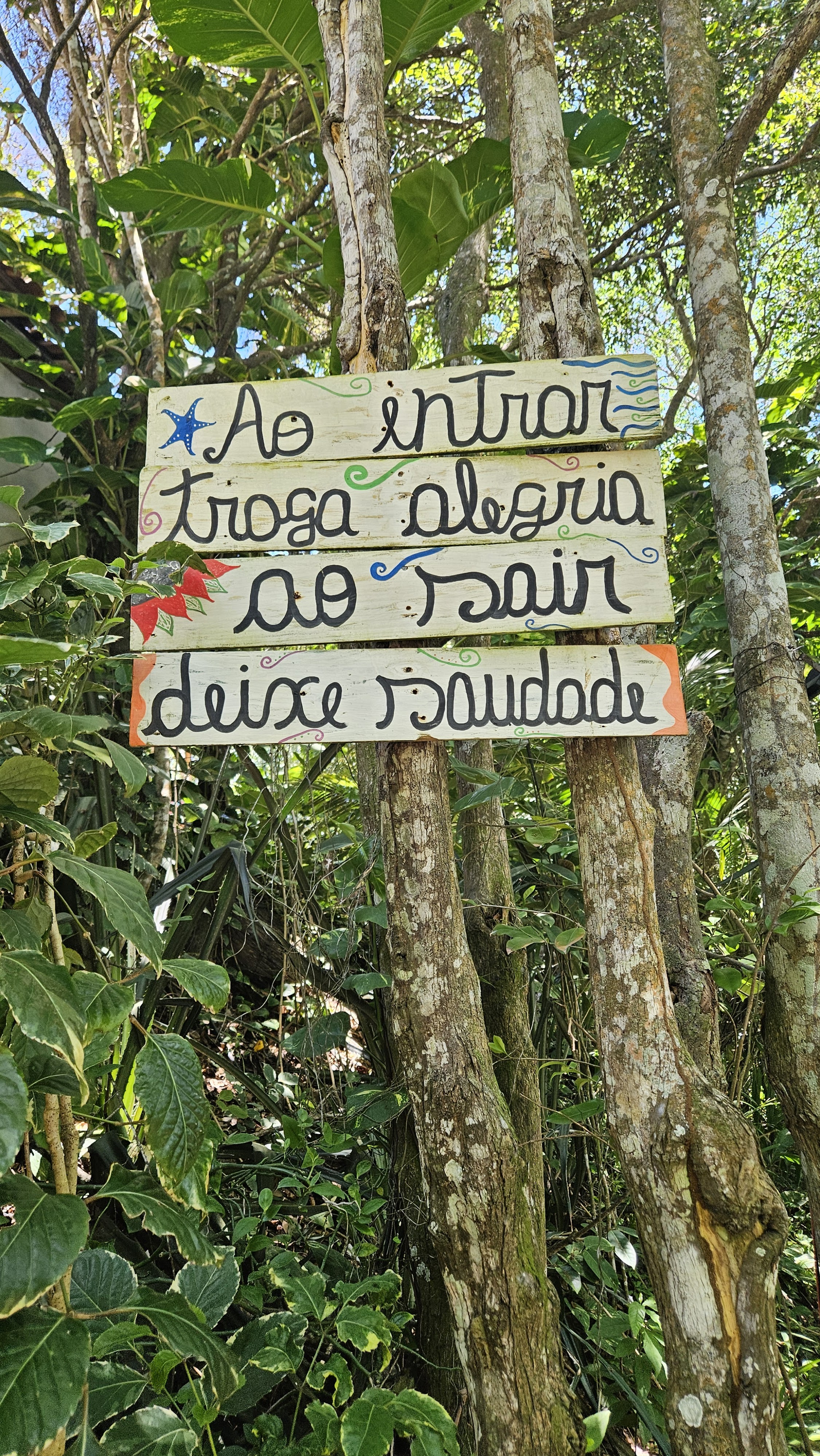
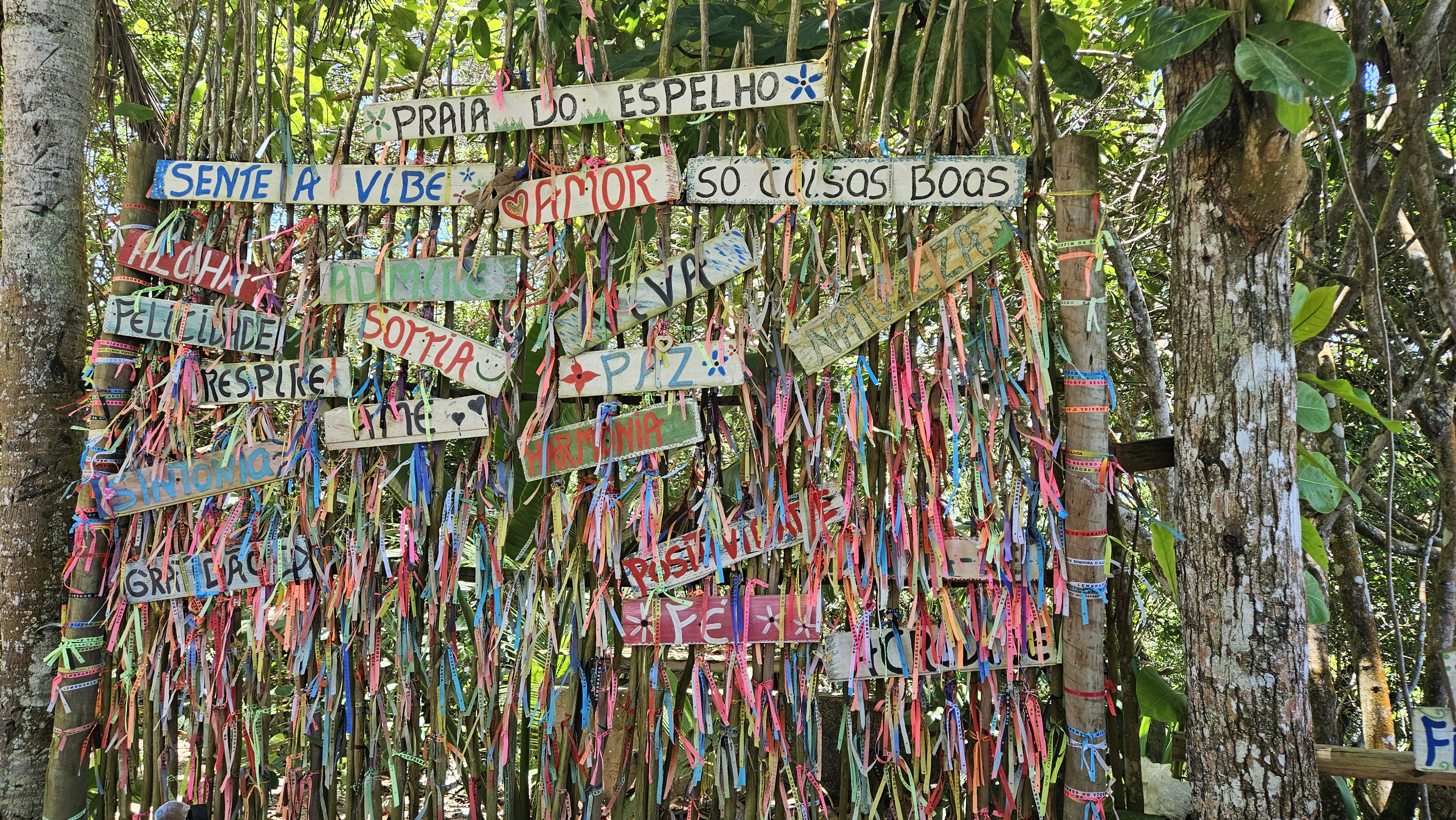

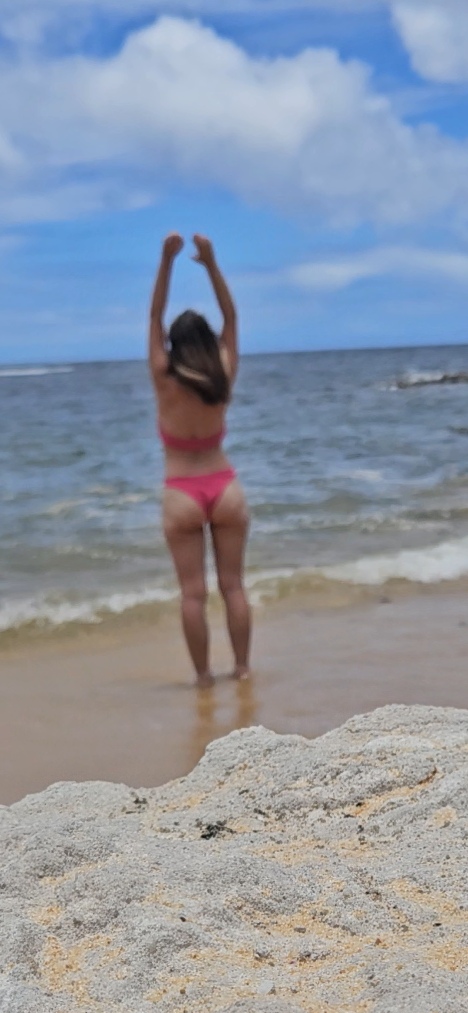
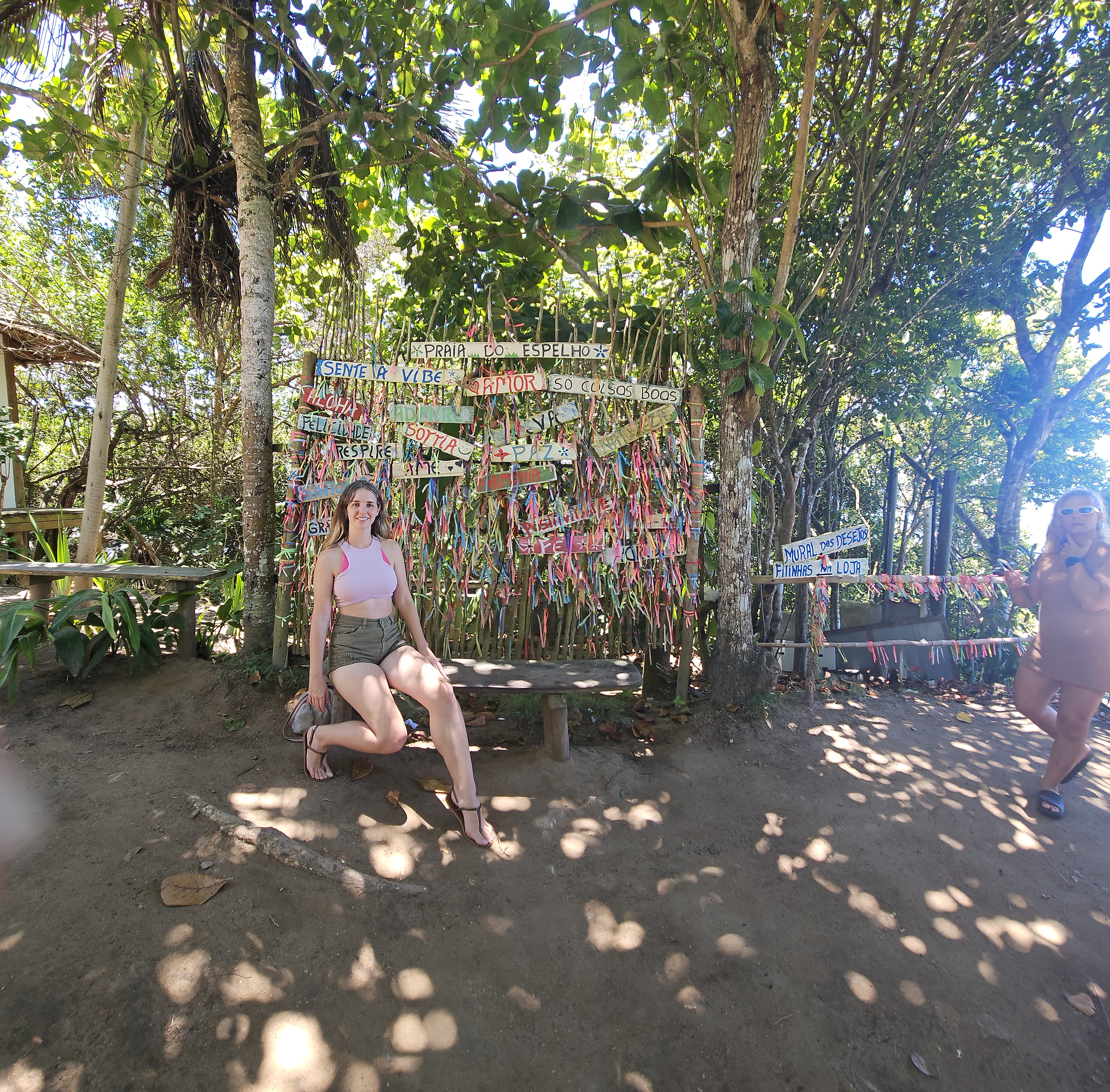

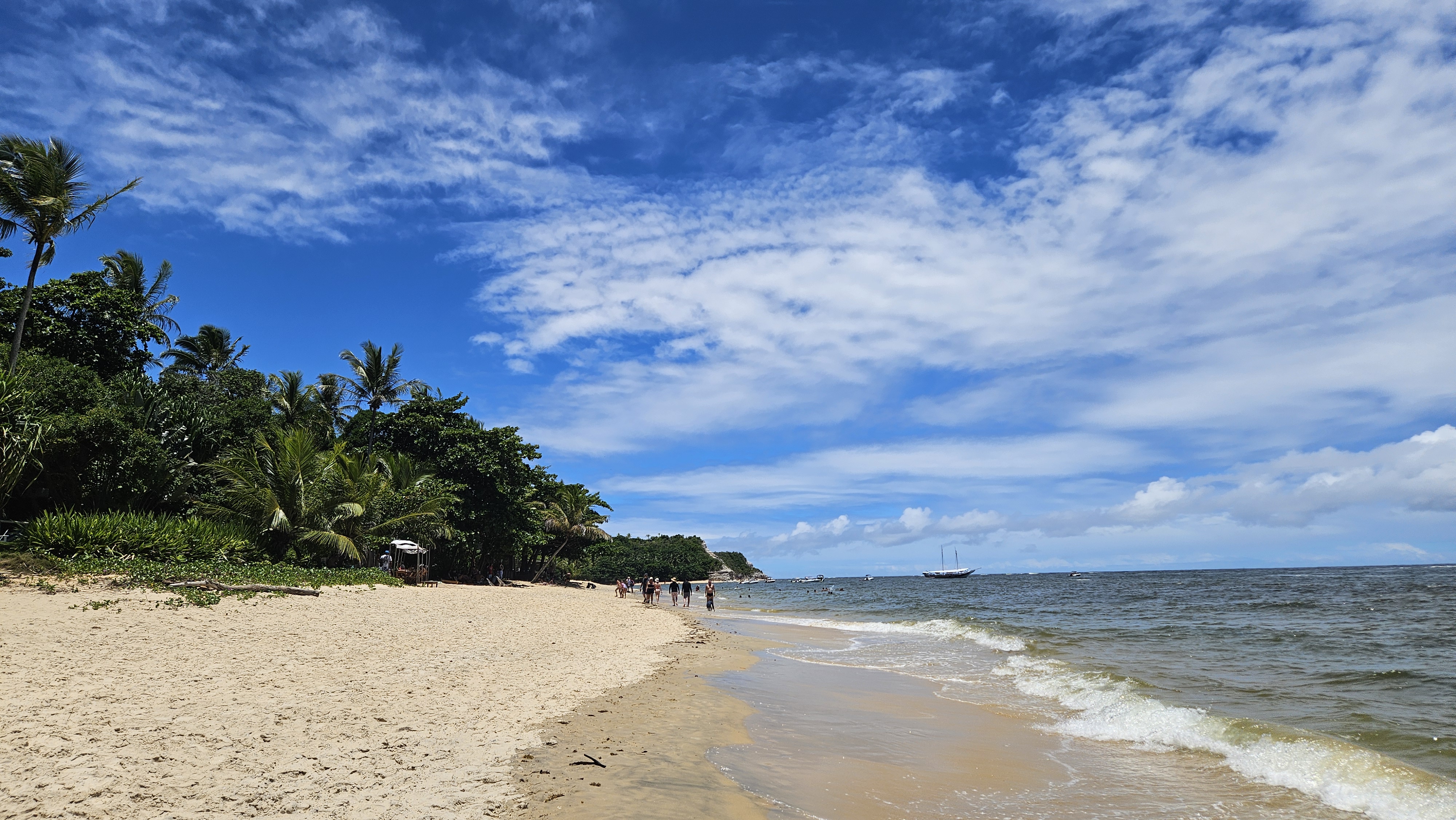
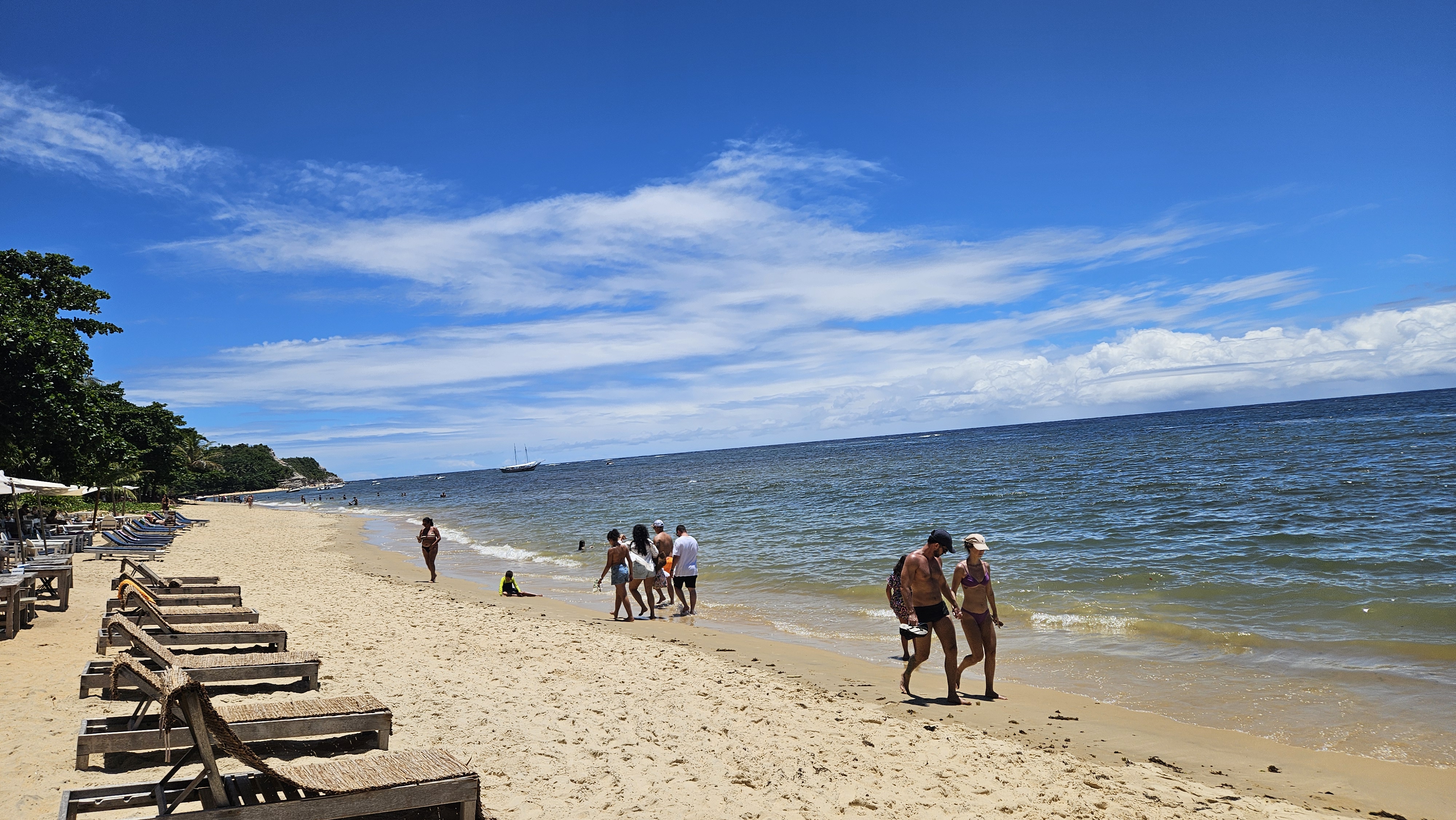
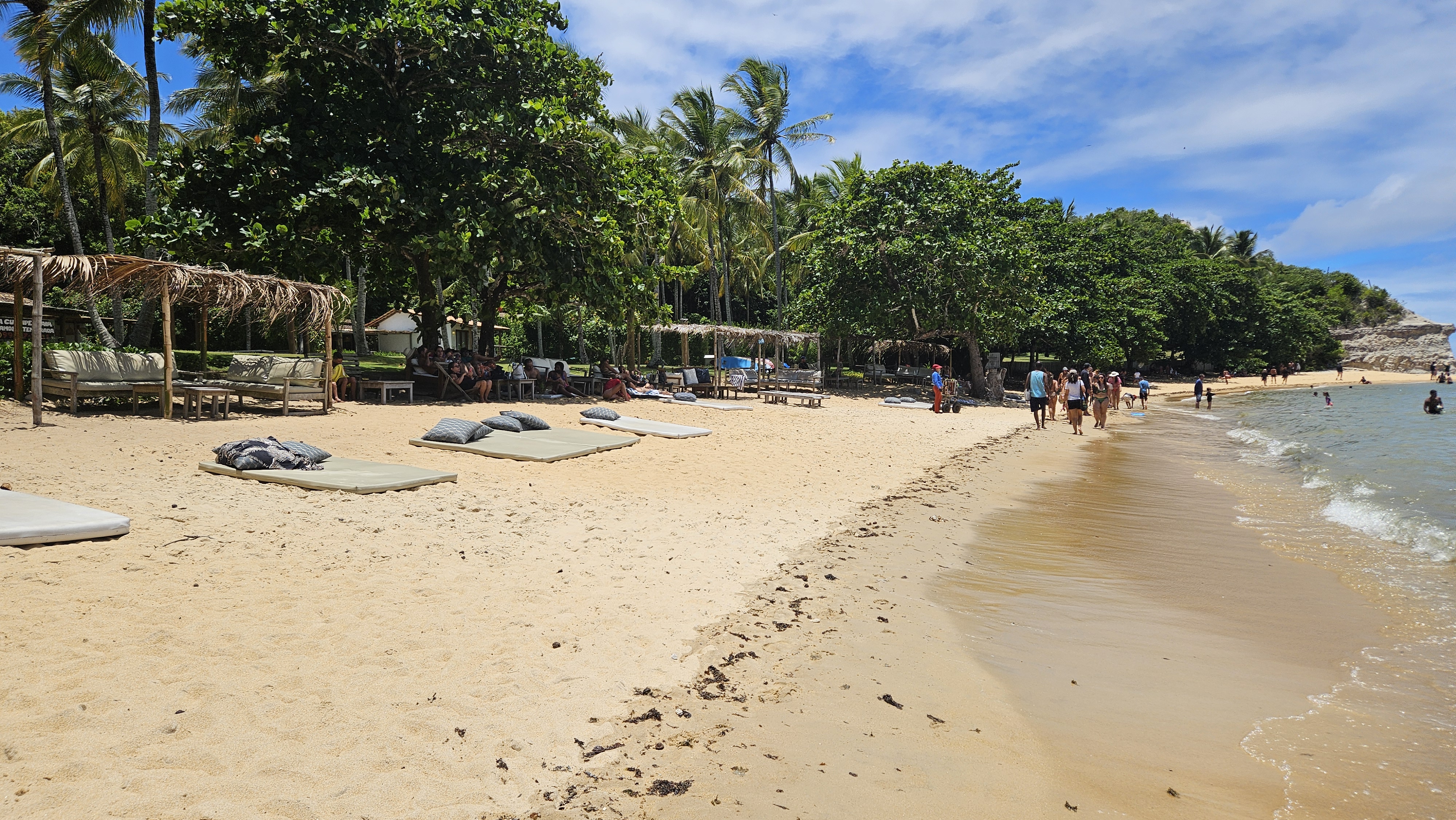
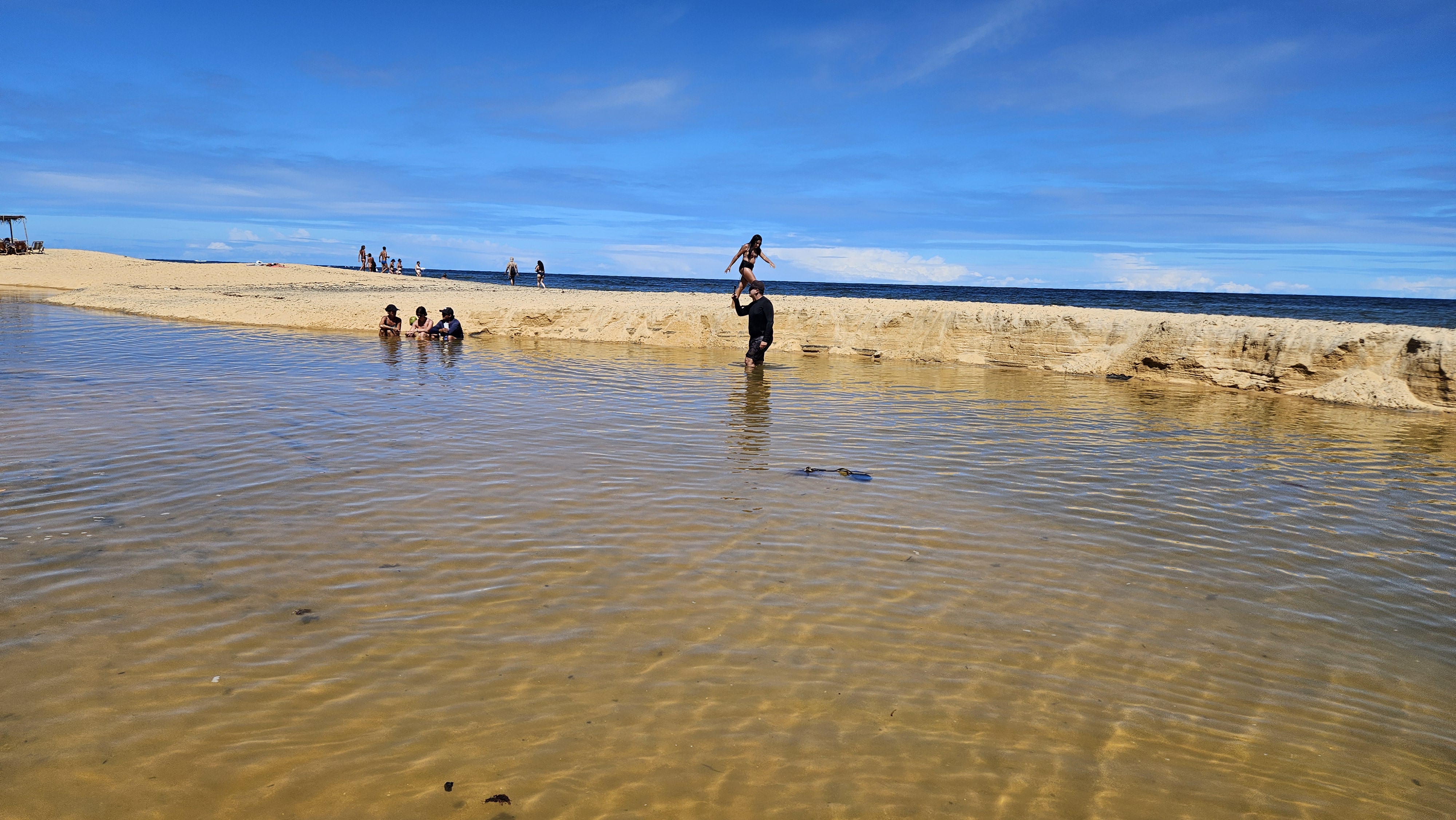


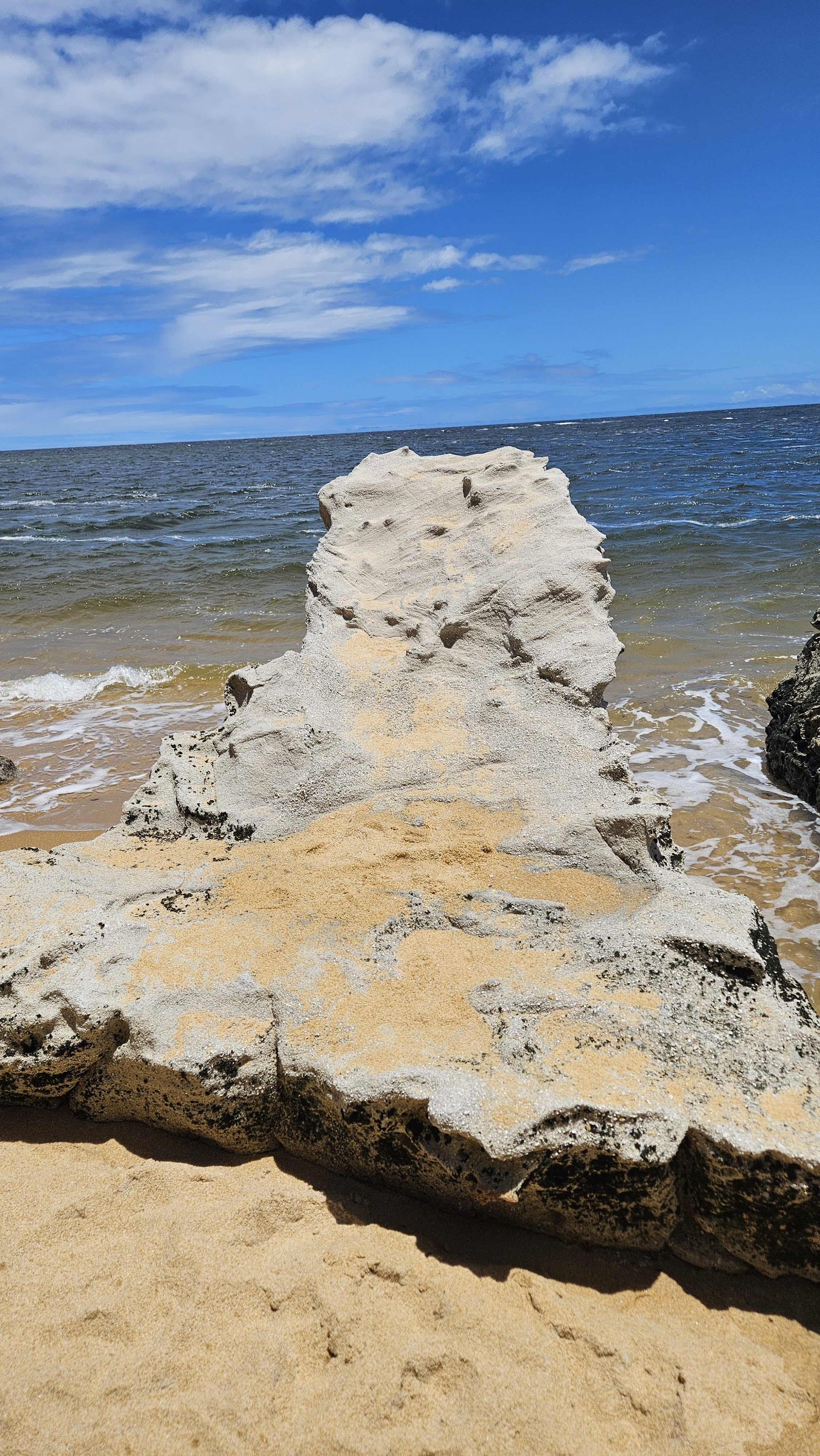
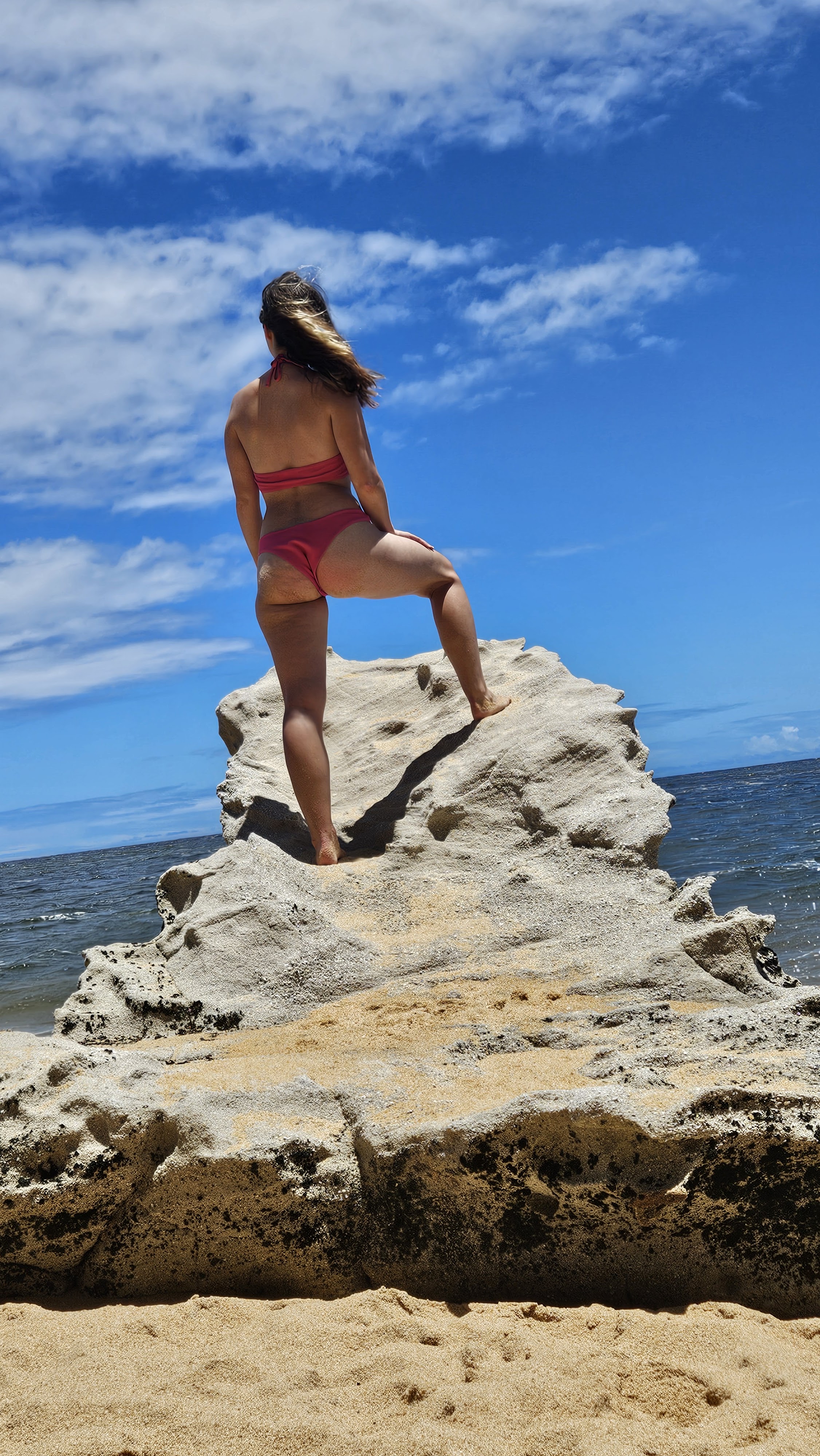
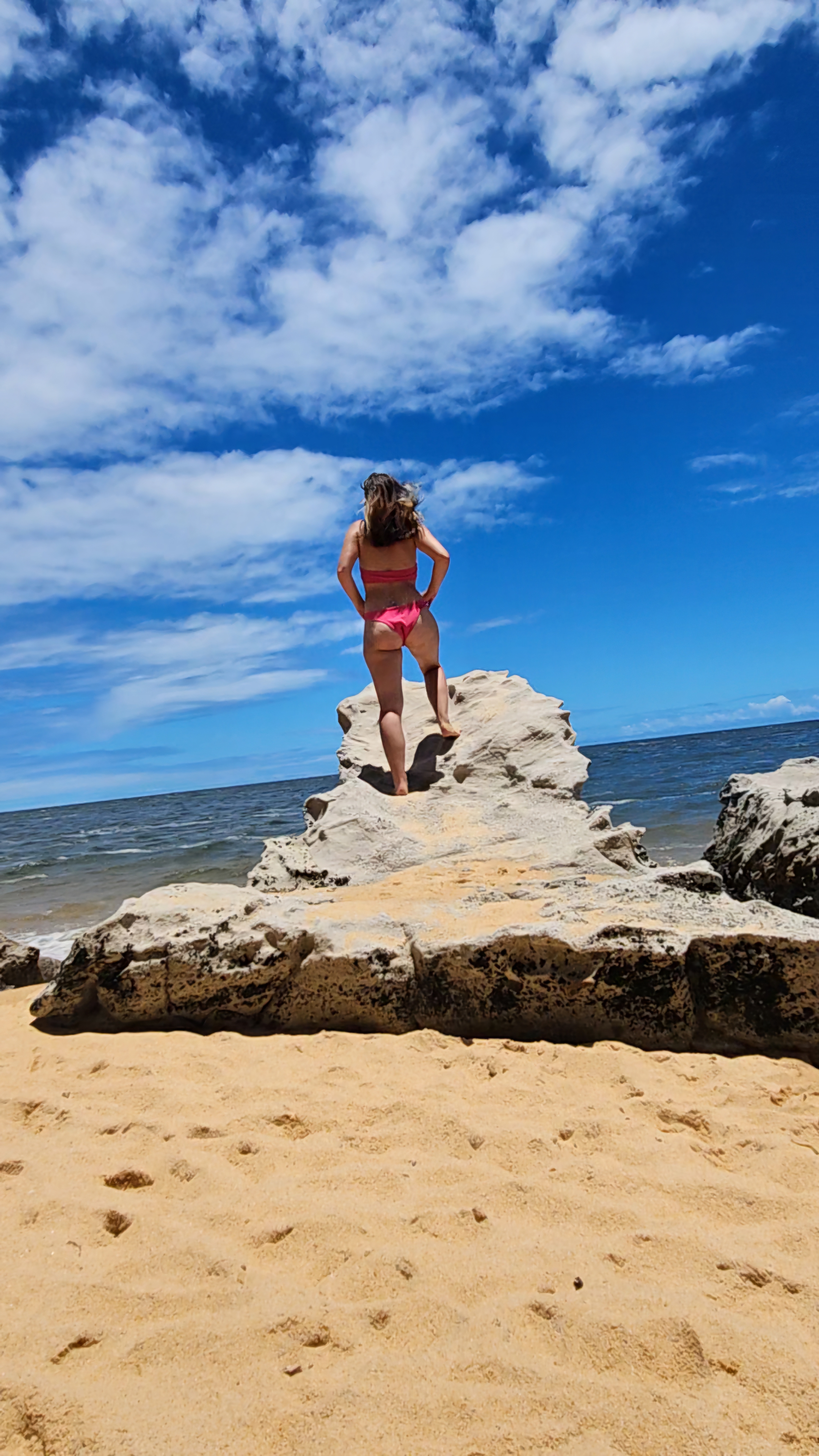


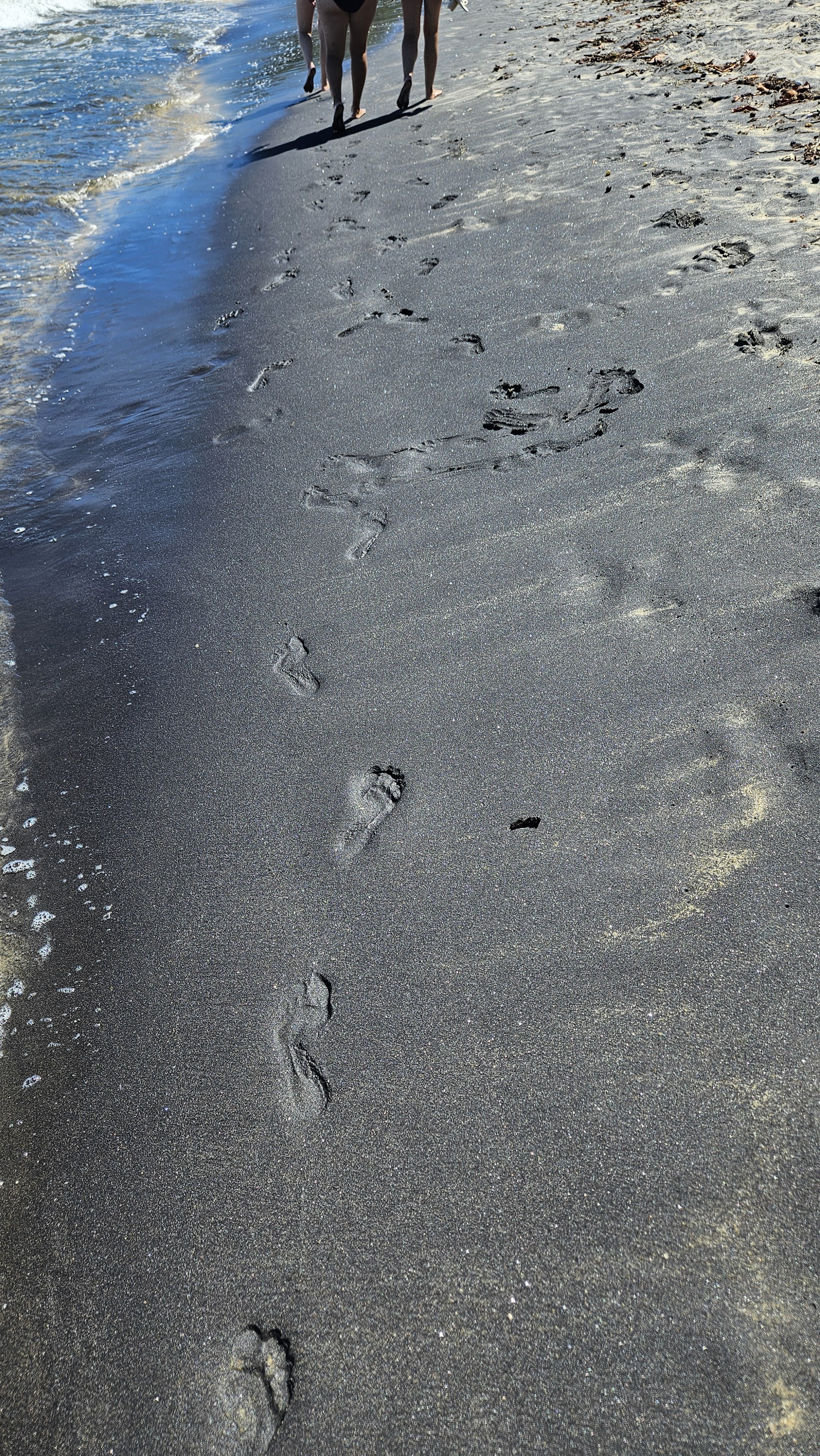


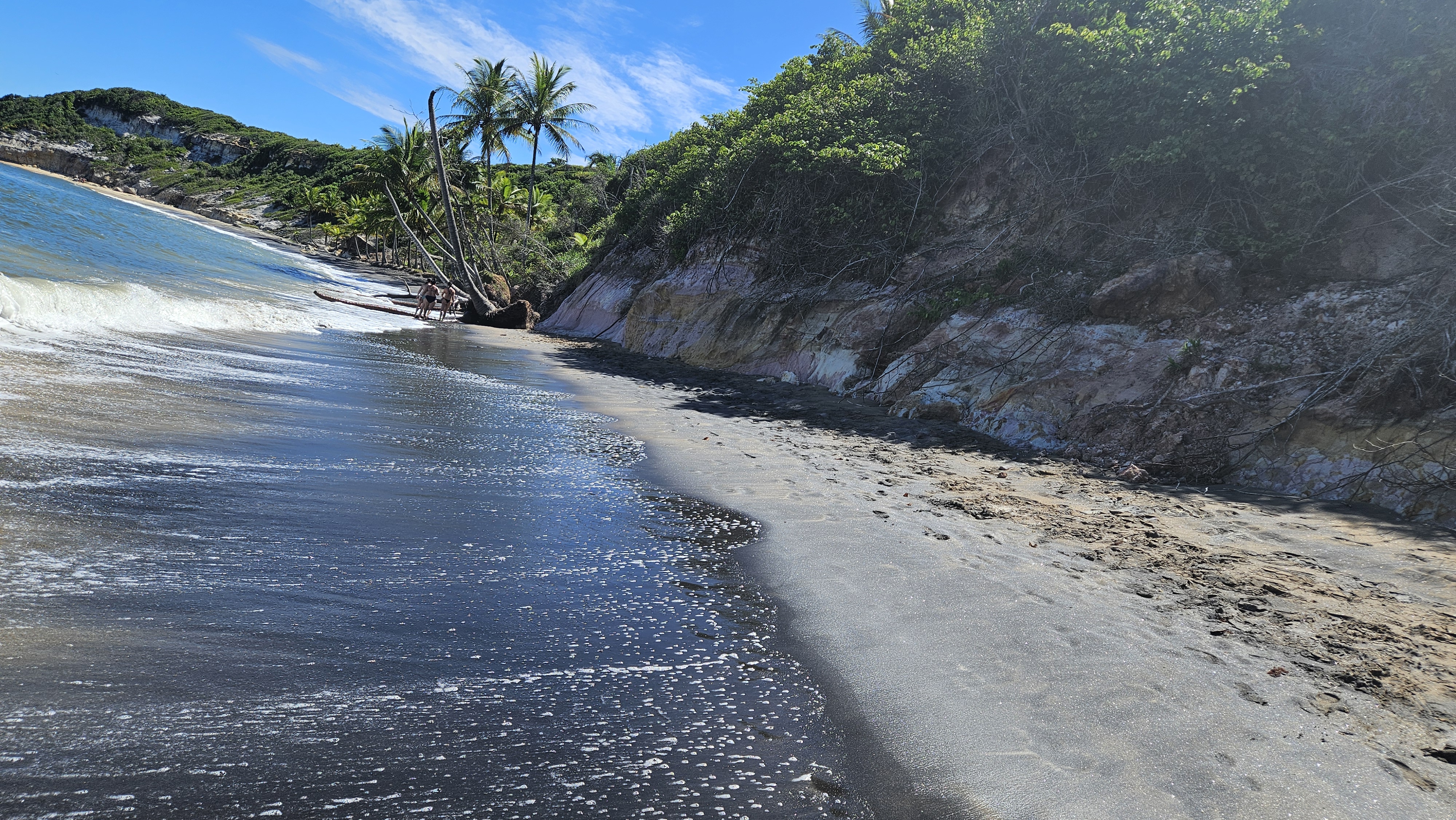
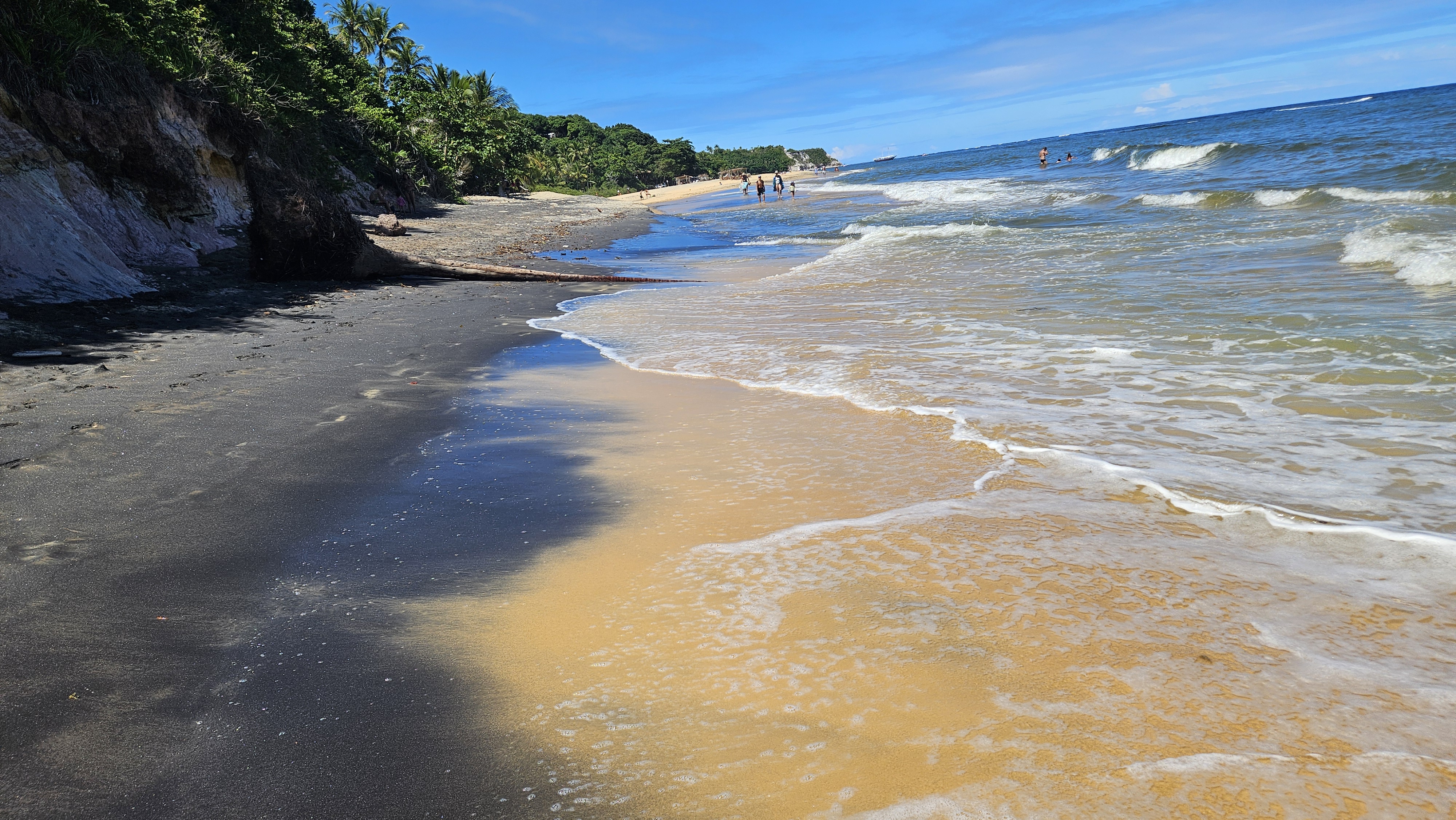
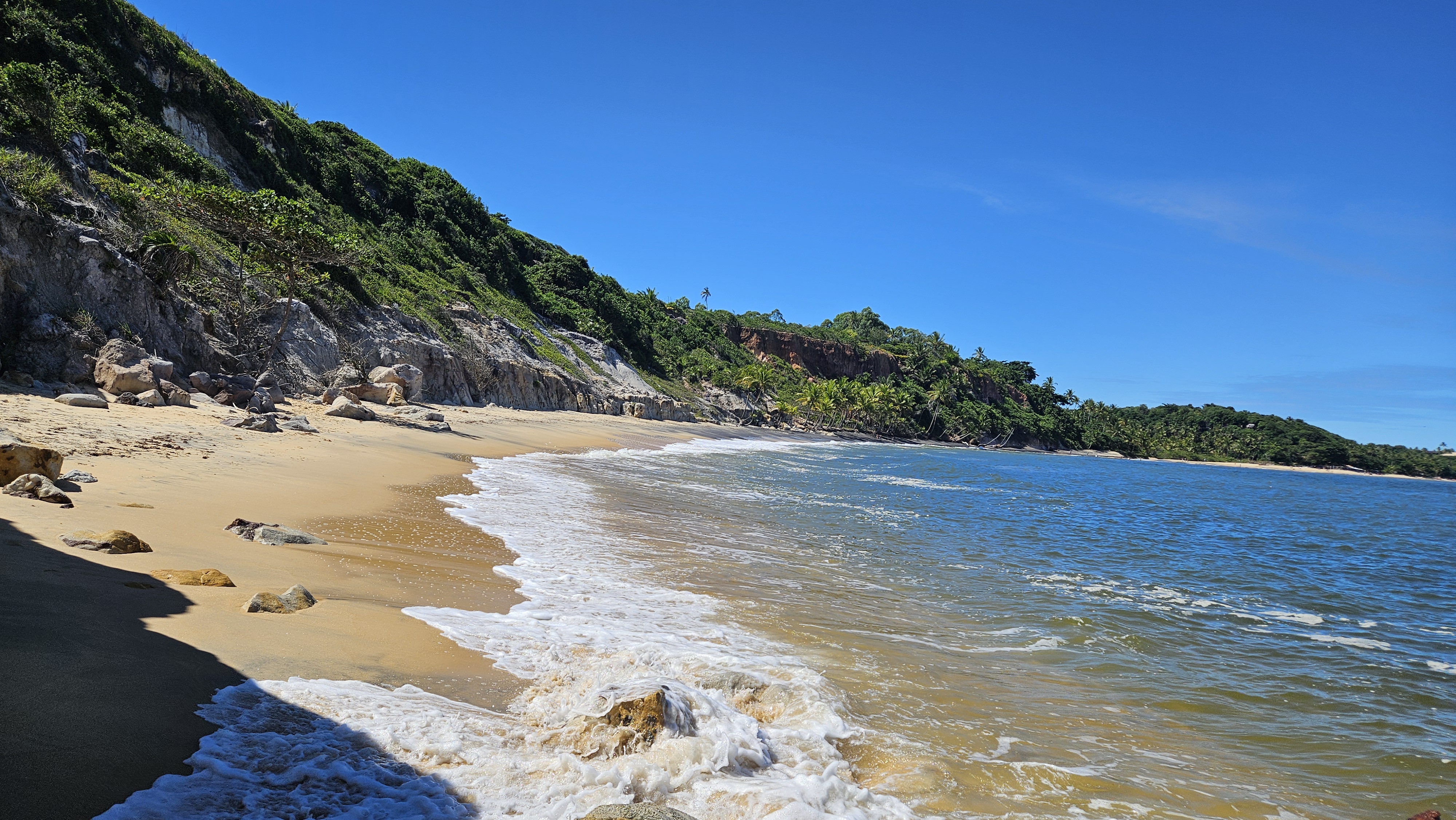
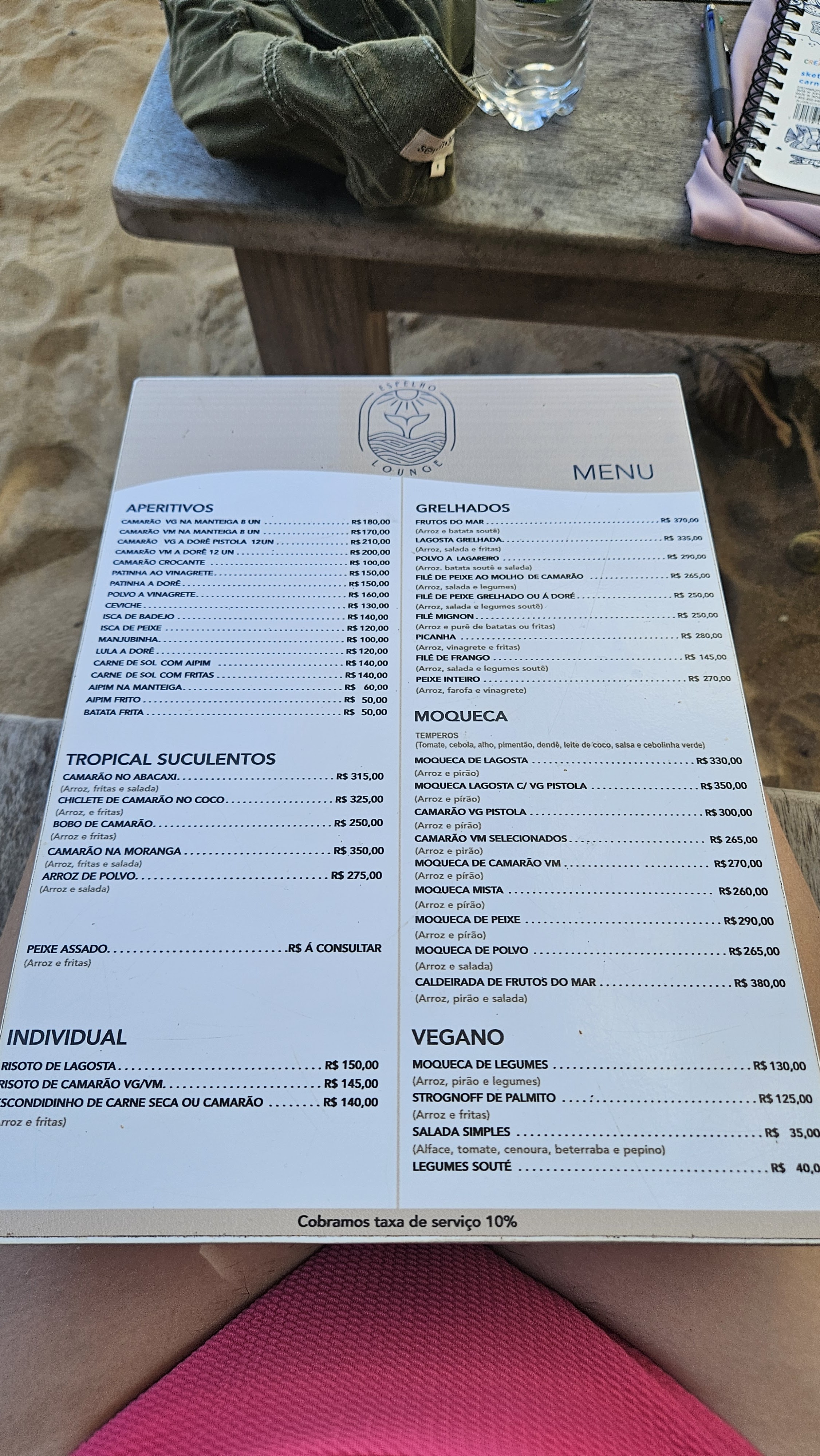

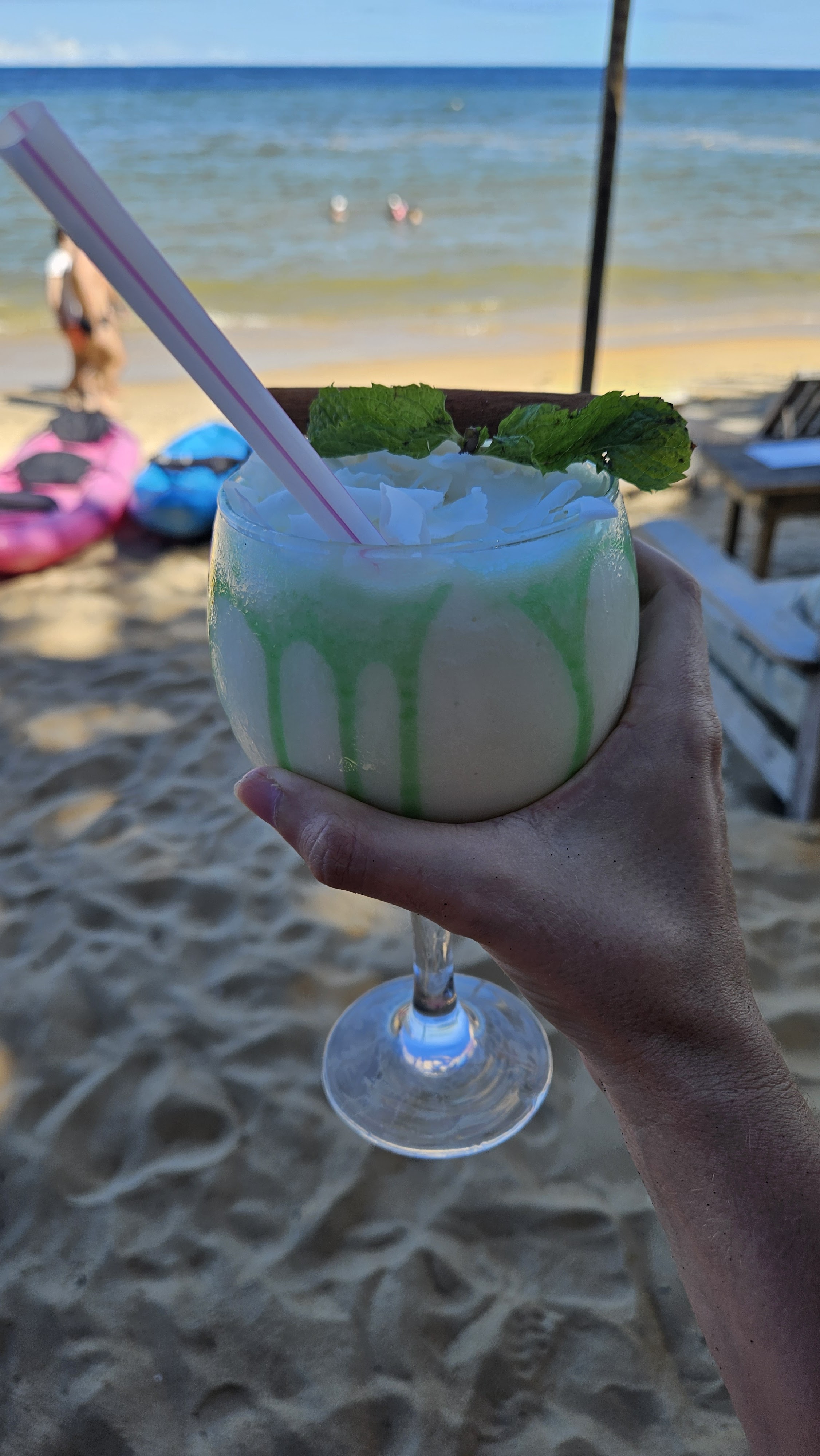


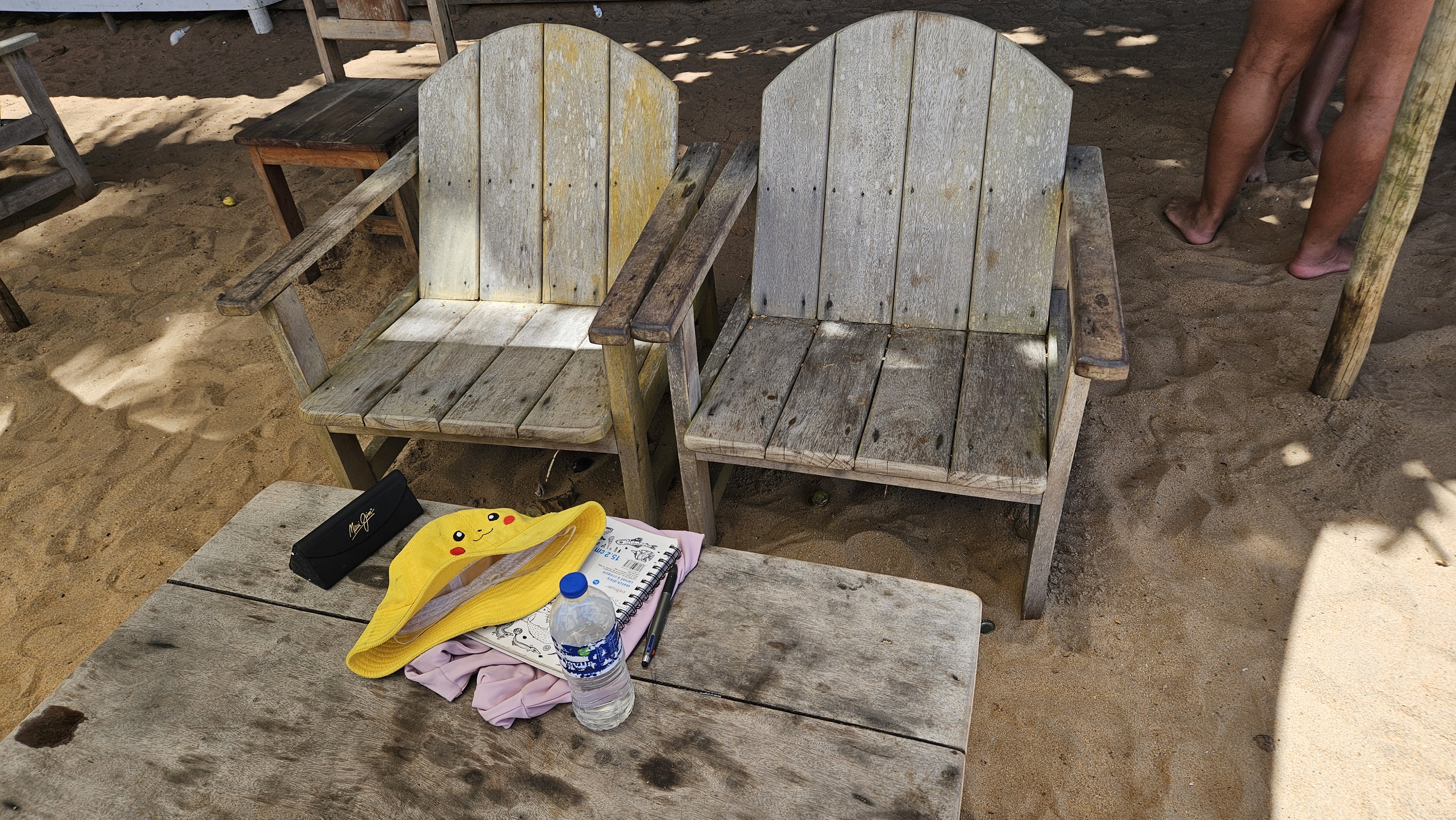


 Nómada [con] Rumbo